What Are The Benefits Of Massage Therapy: Key Health Gains
Massage therapy may ease muscle pain, lower stress, improve sleep, and support overall physical and mental well-being.
Massage therapy is more than a relaxing treat. It is a hands-on health practice that uses pressure, kneading, stretching, and other techniques to affect muscles, connective tissue, joints, and the nervous system. The benefits of massage therapy can vary by the type of massage, your health needs, and the skill of your therapist. This guide explains what massage can and cannot do, how to use it safely, and what research suggests.

What Is Massage Therapy?
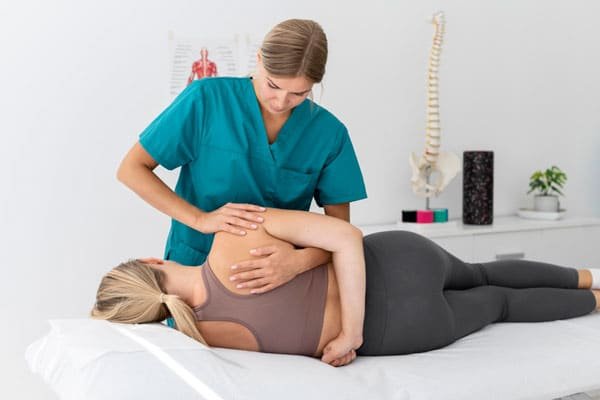
Massage therapy is the structured manipulation of soft body tissues. A licensed massage therapist may use the hands, fingers, forearms, or elbows to work on muscles and fascia. Fascia is the thin tissue that surrounds muscles, bones, nerves, and organs.
Common forms of massage include:
• Swedish massage for gentle relaxation and general muscle tension
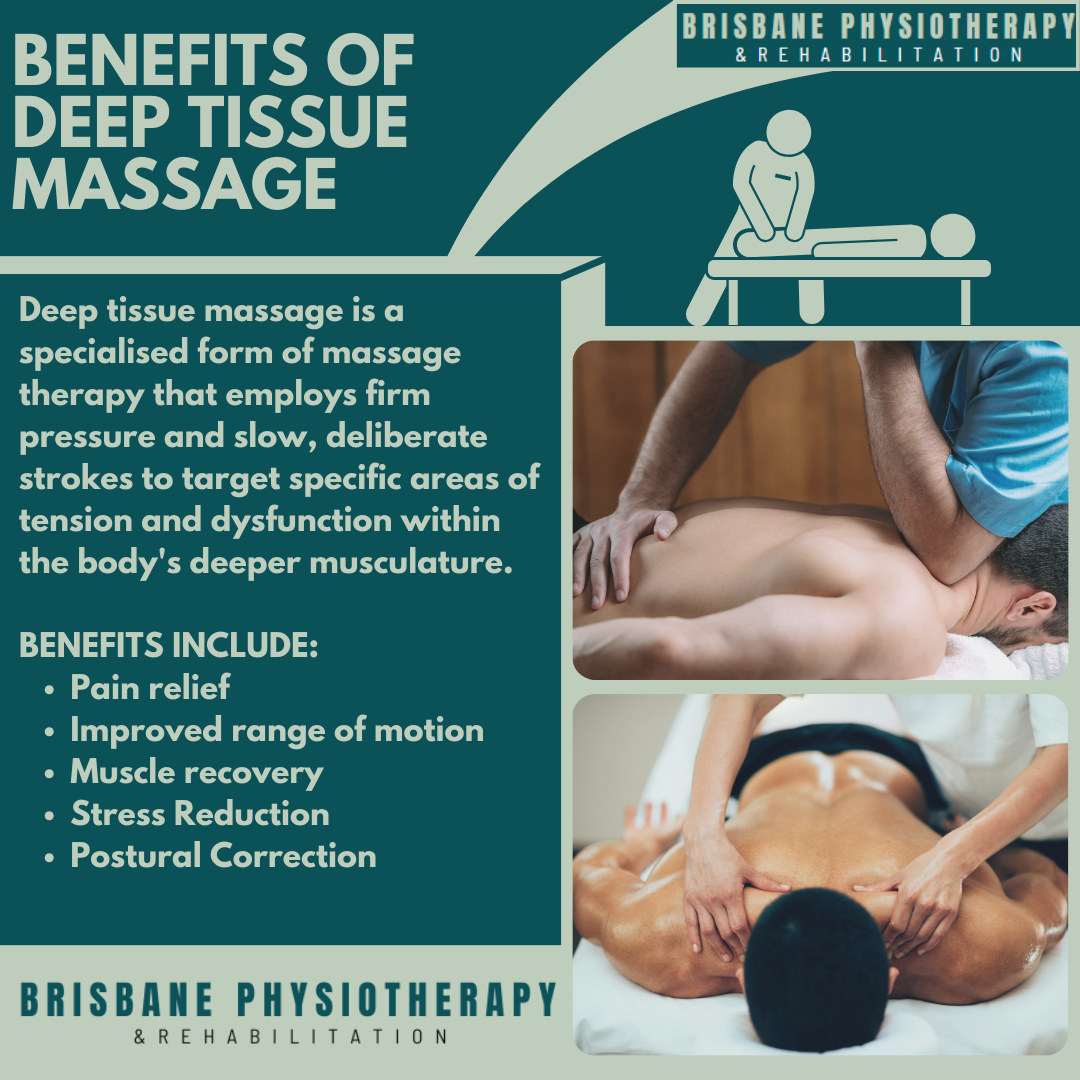
• Deep tissue massage for focused, slower work on tight areas
• Sports massage to support activity, recovery, and movement
• Trigger point massage for tender knots in muscles
• Prenatal massage for certain pregnancy-related aches
• Myofascial techniques to address tight connective tissue
A massage session may last 30 to 90 minutes. You usually remain covered with a sheet, except for the area being treated. A professional therapist should explain the process, ask about your health history, and check your comfort throughout the session.
Massage is not a replacement for medical care. Still, it can work as a complementary therapy alongside exercise, physical therapy, stress care, and treatment from a qualified health professional.
What Are the Main Benefits of Massage Therapy?
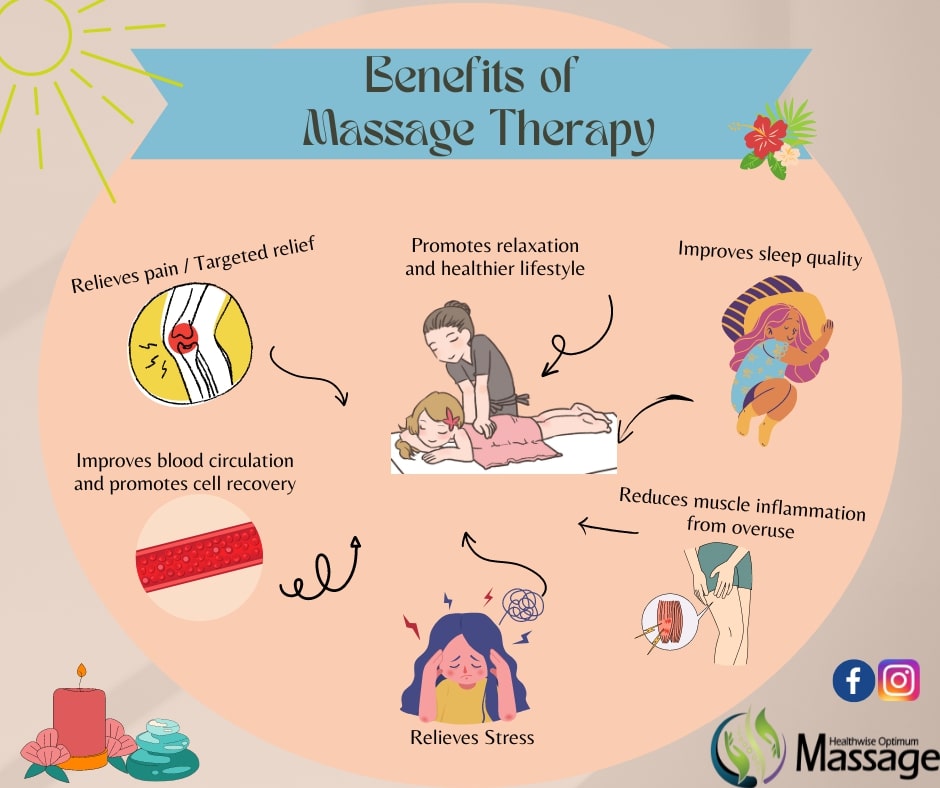
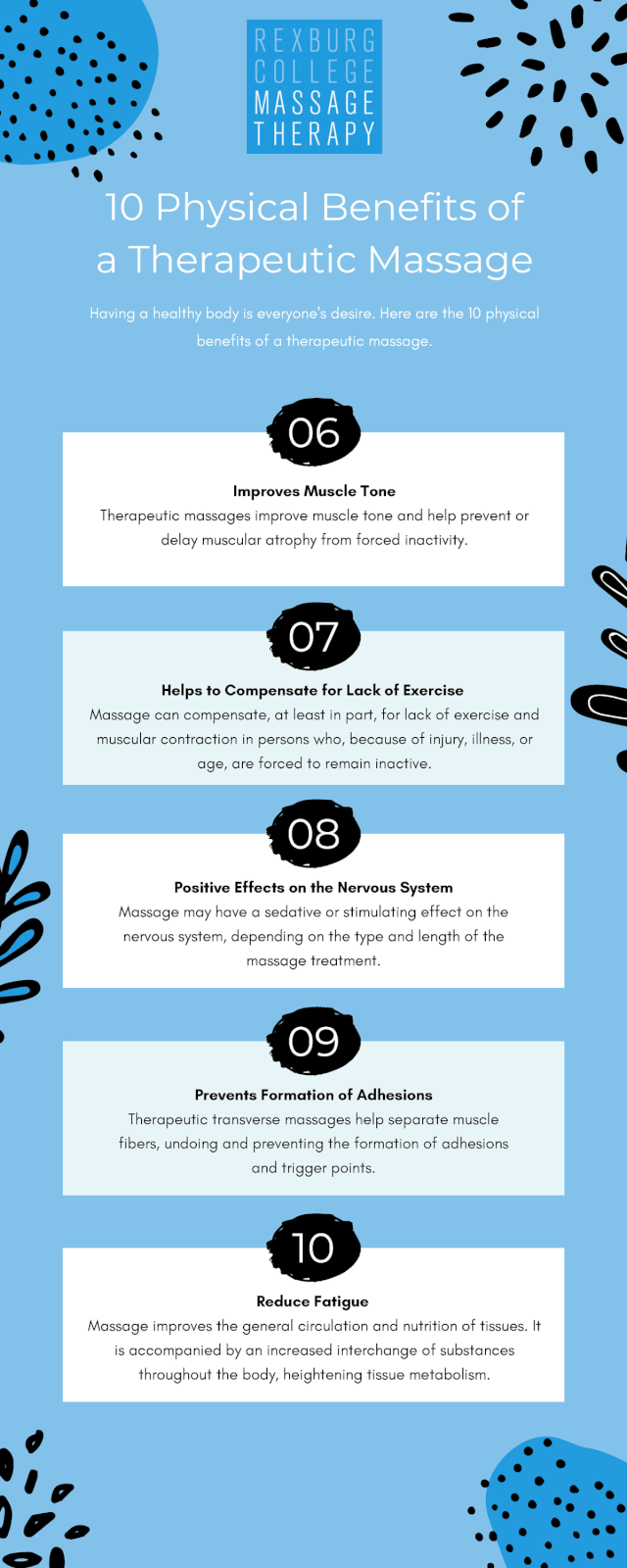
The benefits of massage therapy are often linked to reduced muscle tension, better relaxation, and improved body awareness. Research supports some uses more strongly than others. Results also differ from person to person.
1. Massage May Reduce Muscle Pain
Massage can help reduce soreness and pain in muscles. Pressure and movement may increase comfort, reduce protective muscle tension, and help you move more freely.
Studies suggest that massage may offer short-term relief for some people with lower back pain and neck pain. It may also help with delayed-onset muscle soreness after exercise. The relief may not last forever, so massage works best with other helpful habits.
Those habits may include:
• Gentle movement
• Strength training
• Stretching when appropriate
• Better work posture
• Adequate sleep
• Medical care for ongoing or severe pain
A common mistake is to request the hardest possible pressure. More pressure does not always mean better results. If the treatment causes sharp pain, numbness, tingling, or lasting soreness, tell the therapist at once.
2. Massage Can Lower Stress
One of the best-known benefits of massage therapy is relaxation. Slow, steady touch may help shift the body away from a constant “fight or flight” state.
During a massage, many people notice slower breathing and less mental tension. A calmer body can make it easier to pause, think clearly, and recover after a demanding day.
Massage should not be viewed as a cure for anxiety or depression. However, it may support a broader care plan. People with serious or ongoing mental health symptoms should speak with a licensed mental health professional.
3. Massage May Support Better Sleep
Relaxation is one reason massage may improve sleep. When muscles feel less tense and the mind feels quieter, falling asleep can become easier.
Some studies have found that massage may improve sleep quality in certain groups, including people with chronic pain or high stress. The research is promising but not perfect. Massage is most useful when paired with regular sleep times, limited evening screen use, and a comfortable sleep space.
4. Massage May Improve Flexibility and Movement
Tight muscles can make simple movements feel difficult. Massage may reduce the feeling of stiffness and help you become more aware of areas that need movement or strengthening.
Massage alone does not permanently lengthen muscles. Its effects may be stronger when combined with physical therapy, mobility work, and gradual exercise.
For example, a person with tight shoulders may feel better after massage. To maintain that change, the person may also need stronger upper-back muscles, better desk habits, and regular movement breaks.
5. Massage May Help With Headache and Migraine Symptoms
Muscle tension in the neck, shoulders, and upper back can contribute to some tension headaches. Massage may reduce that tension and provide short-term relief.
Some people with migraines also report improvement after massage. However, migraine treatment is personal and may require medication, lifestyle changes, or specialist care. A sudden, severe, or unusual headache needs urgent medical attention.
6. Massage Can Support Exercise Recovery
Athletes and active adults often use massage to feel less sore after training. Massage may help with comfort, relaxation, and the sense of recovery after demanding activity.
It does not erase the need for rest, food, fluids, or a sensible training plan. It also cannot guarantee protection from injury.
A useful approach is to treat massage as one part of recovery. A balanced plan may include:
• A gradual training schedule
• Warm-ups and cool-downs
• Enough protein and fluids
• Rest days
• Strength and mobility work
• Prompt care for injuries
7. Massage May Support Comfort During Pregnancy
Prenatal massage may help some pregnant people manage back, hip, leg, or shoulder discomfort. It may also support relaxation and sleep.
Pregnancy massage requires special positioning and training. Always tell the therapist how far along you are and discuss massage with your prenatal care provider, especially if you have a high-risk pregnancy or medical concerns.
8. Massage May Improve Body Awareness
Massage gives you a chance to notice where you hold tension. You may become aware of habits such as raised shoulders, clenched hands, shallow breathing, or uneven posture.
This awareness can guide better daily choices. For example, you may learn to relax your jaw during computer work or take a short walk before your back becomes stiff.

How Does Massage Therapy Work?
Massage affects the body through several possible pathways. Mechanical pressure may influence soft tissue and local nerve signals. This can change how the brain interprets discomfort for a short time.
Massage may also encourage relaxation through the nervous system. A calm session can slow breathing and reduce the physical signs of stress. The setting matters too. Quiet surroundings, privacy, and focused attention can all support relaxation.
The benefits of massage therapy are not caused by one simple mechanism. Pain, stress, sleep, movement, expectations, and the therapeutic relationship may all play a role.
It is also important to understand what “improved circulation” means. Massage may temporarily increase local blood flow and create a warm feeling in the skin. It should not be used as a treatment for blocked arteries, blood clots, or serious circulation problems.

What Does a Massage Therapy Session Feel Like?
Your first visit should begin with a health intake. The therapist may ask about pain, injuries, medications, surgeries, allergies, pregnancy, and your goals.
You should be able to discuss:
• Which areas feel uncomfortable
• The amount of pressure you prefer
• Whether you want quiet or conversation
• Any areas you do not want touched
• How you will be draped
During the session, the pressure should feel useful, not unbearable. Mild tenderness may occur with focused work, but sharp pain is not a sign of success.
Afterward, drink water if you feel thirsty and move gently. Some people feel relaxed, while others feel mildly sore for a day. Severe pain, swelling, bruising, weakness, or numbness is not a normal response and should be assessed by a health professional.
What Does the Research Say About Massage Therapy?
Research on the benefits of massage therapy shows the clearest support for short-term relief of some pain conditions and stress-related symptoms. Evidence is less certain for claims that massage can treat disease, remove toxins, or permanently correct posture.
Clinical guidelines and reviews have found that massage may help some people with:
• Nonspecific lower back pain
• Neck and shoulder tension
• Delayed-onset muscle soreness
• Stress and anxiety symptoms
• Some sleep problems
Results are not uniform. Studies often include small groups, different massage methods, and short follow-up periods. This makes it hard to know which technique, pressure, or schedule works best for every person.
A trustworthy therapist will not promise to cure cancer, repair organs, dissolve blood clots, or replace needed medical treatment. Be careful with any provider who makes dramatic claims or tells you to stop prescribed care.
Are There Risks or Limits to Massage Therapy?
Massage is generally safe for many healthy adults when performed by a trained professional. Still, it is not right for every person or every situation.
Ask a health professional before massage if you have:
• A recent fracture, surgery, or serious injury
• A blood clot or a high risk of blood clots
• A bleeding disorder
• Severe osteoporosis
• An active skin infection or open wound
• Uncontrolled high blood pressure
• Cancer or complex medical treatment
• A high-risk pregnancy
• Numbness, unexplained weakness, or severe pain
Avoid massage over areas that are swollen, infected, bruised, or acutely injured unless a qualified clinician approves it. Deep pressure may be unsafe when tissues are fragile or healing.
Massage also has practical limits. It may reduce symptoms without addressing the cause. Persistent pain, unexplained weight loss, fever, chest pain, loss of bladder control, or sudden weakness requires medical evaluation rather than massage.

How to Choose a Safe Massage Therapist
The therapist’s training matters as much as the massage style. In the United States, licensing rules differ by state, so check your state’s requirements and the therapist’s credentials.
Look for a professional who:
• Has current state licensure when required
• Explains training and areas of practice
• Takes a complete health history
• Uses clean linens and a hygienic workspace
• Explains fees, policies, and draping
• Respects consent and personal boundaries
• Adjusts pressure when you ask
• Refers you to medical care when needed
Before booking, ask what type of massage fits your goal. A gentle session may be better for stress, while focused work may suit a stable muscle problem. You do not need to tolerate pain to receive the benefits of massage therapy.
A helpful lesson for first-time clients is to communicate early. Do not wait until the end to mention that the room is too cold or the pressure is too strong. Clear feedback helps the therapist provide safer, more useful care.
How Often Should You Get a Massage?
There is no universal schedule. The right frequency depends on your goal, health, budget, and response to treatment.
For occasional stress, a massage every few weeks may feel helpful. For a movement problem, a health professional may suggest a short course that includes exercise or physical therapy.
Use your symptoms as feedback. If you feel better for several days and then return to the same habits, massage may be showing you that another part of the plan needs attention.
Before each session, ask:
-
What do I want help with today?
-
Has my health changed since my last visit?
-
Did I have unusual soreness after the previous session?
-
What movement or care can I do between visits?
This approach makes the benefits of massage therapy more practical. It turns massage from a one-time event into a thoughtful part of self-care.

Frequently Asked Questions About the Benefits of Massage Therapy
What are the biggest benefits of massage therapy?
The biggest benefits of massage therapy may include less muscle tension, short-term pain relief, lower stress, improved relaxation, and better sleep. Results depend on your health, the massage method, and the quality of care.
How long do the benefits of massage therapy last?
The benefits may last from a few hours to several days, but the duration varies. Ongoing results are more likely when massage is combined with exercise, good sleep, stress care, and treatment for the underlying problem.
Is massage therapy good for back pain?
Massage may help some people with short-term, nonspecific lower back pain. It should not replace medical evaluation when pain is severe, persistent, linked to an injury, or accompanied by weakness, numbness, fever, or bladder problems.
Can massage therapy help with anxiety?
Massage may promote relaxation and reduce physical tension linked with stress. It is a supportive option, not a replacement for psychotherapy, medication, or urgent mental health care when those services are needed.
Is deep tissue massage better than Swedish massage?
Neither style is always better. Swedish massage may suit relaxation, while deep tissue massage may suit focused muscle tension, but strong pressure can increase soreness and is not safe for everyone.
Should you drink water after a massage?
You can drink water after a massage if you are thirsty, but there is no strong evidence that extra water “flushes toxins” from the body. Gentle movement and normal hydration are usually enough.
Conclusion
The benefits of massage therapy can include less muscle tension, reduced stress, improved relaxation, better sleep, and short-term relief for some pain conditions. Massage may also support movement, exercise recovery, pregnancy comfort, and body awareness.
Its value is greatest when you choose a qualified therapist, communicate clearly, and use massage alongside proven care. Do not ignore serious symptoms or rely on massage to treat a condition that needs medical attention.
Start with a clear goal, choose a safe level of pressure, and notice how your body responds. If this guide helped, explore more evidence-based wellness resources or share your massage experience in the comments.