How To Replace Massage Gun Attachments: Easy Step-By-Step Guide
To replace massage gun attachments, turn off the device, pull the old head out, and press the new head in firmly.
Learning how to replace massage gun attachments is simple, but the correct method depends on your device and attachment style. A few careful steps can protect the motor, prevent hand strain, and help each massage head work as intended. This guide explains the process, common mistakes, cleaning tips, safety limits, and signs that an attachment or massage gun needs attention.

Why massage gun attachments need to be replaced
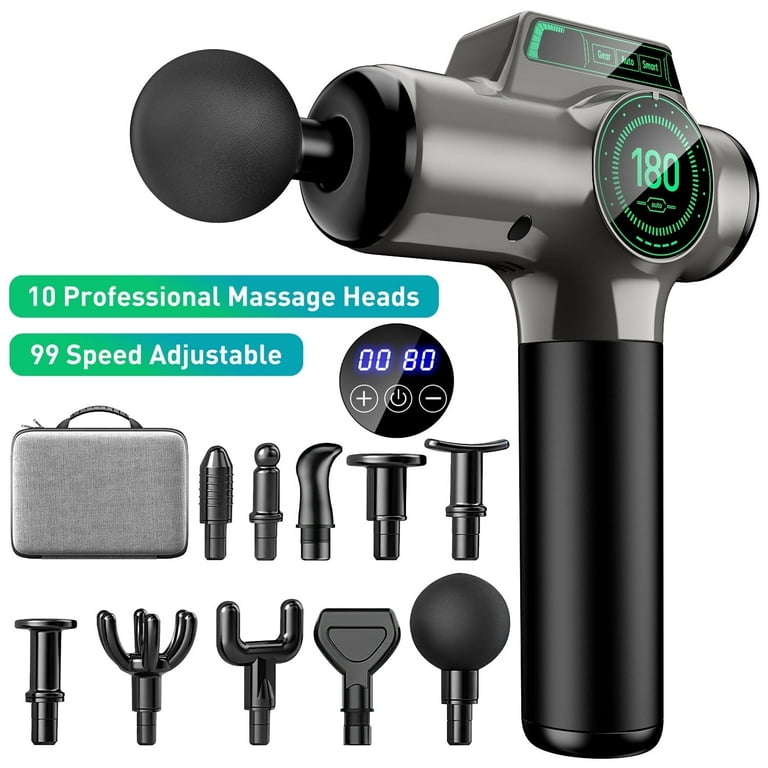
Massage gun attachments, also called massage heads, shape how the device contacts your muscles. A round ball head may suit large muscle groups, while a flat head can spread pressure over firm tissue. A bullet head offers more focused pressure, and a fork head may fit around the spine or Achilles tendon without pressing directly on the bone.
Attachments can wear out over time. The foam may crack, the plastic may loosen, or the connection may collect sweat and dust. Some users also replace a head because they want a softer touch or a more targeted massage.
Replacing a massage gun attachment can help when:
• The head feels loose during use
• The foam has tears, splits, or deep dents
• The attachment no longer slides in or locks well
• The head makes a new rattling sound
• You need a different head for a specific muscle group
• The attachment is hard to clean or has a strong odor
A worn head is like a worn shoe sole. It may still look usable, but it will not provide the same support or comfort. A damaged attachment can also place uneven pressure on your skin.

How to replace massage gun attachments safely
Before you begin, check the user manual if you have it. Brand designs vary, and some massage guns use a pull-out shaft while others use a twist-lock system. The steps below work for many common percussion massagers.
1. Turn off and unplug the massage gun
Switch the massage gun off. If it has a removable battery or charging cable, disconnect it from the power source.
Never change an attachment while the motor is running. A moving shaft can pinch your fingers, and the sudden resistance may stress the motor.
2. Hold the massage gun firmly
Place one hand around the handle. Keep your fingers away from the attachment opening.
Use your other hand to grip the base of the massage head. Do not pull on the soft foam or narrow tip. The base is stronger and gives you better control.
3. Remove the old attachment
Most push-fit heads come off with a straight pull. Pull the attachment away from the device with steady pressure.
If it feels tight, gently wiggle it from side to side. Do not twist hard unless the manual says the head uses a twist-lock system. Avoid using pliers, tools, or excessive force.
4. Check the connector
Look at the metal shaft and the opening in the new attachment. Remove hair, dust, oil, or dried sweat with a dry cloth.
The shaft should look straight. If it is bent, deeply scratched, or loose, stop using the massage gun until you inspect it or contact the manufacturer.
5. Align the new attachment
Place the new head over the shaft. Keep it straight and centered.
A correct fit usually feels smooth. If the head sits at an angle, remove it and try again. Misalignment can cause wobbling and extra noise.
6. Press the new head into place
Push the attachment firmly onto the shaft until it reaches the base. Some models click into place. Others simply fit snugly.
Do not hammer the head or force it past its natural stopping point. The attachment should feel secure without needing extreme pressure.
7. Test it at low speed
Turn on the massage gun at its lowest setting. Let it run for a few seconds while you hold it away from your body.
Watch and listen for:
• Excessive wobbling
• A loud rattle
• A clicking sound
• A head that slides out
• Uneven movement
If you notice any of these signs, turn the device off and remove the attachment. A quick test can prevent discomfort and possible damage.

How to replace different types of massage gun heads
Not every massage gun attachment uses the same connection. Identifying the design first makes the job easier.
Push-fit attachments
Push-fit heads are common. They slide over the massage gun shaft and stay in place through friction.
To replace one, pull the old head straight out. Then press the new head straight in. A small side-to-side movement may help if the old head is tight.
Twist-lock attachments
Some massage guns use a locking ring or bayonet-style system. These heads may need a short counterclockwise turn before they come off.
Read the arrows or symbols on the device. Pulling without unlocking can damage the connector.
Threaded attachments
Threaded heads screw onto the device. Turn the old attachment in the direction shown by the manufacturer, then screw the new one on by hand.
Do not overtighten it. A snug fit is enough. Over-tightening can strip the threads and make future removal difficult.
Magnetic attachments
A few massage devices use magnetic heads. These usually lift away from the connector and snap back into place.
Keep small metal items away from the connection point. Also check that the head sits flat and does not rock from side to side.

Choosing the right replacement massage attachment
The best replacement head depends on the body area, pressure level, and condition of your muscles. More pressure is not always better. A softer, wider head may work better than a firm, narrow one.
Round ball head
A round ball head is a useful general-purpose option. It spreads pressure across larger muscles, such as the thighs, glutes, calves, and shoulders.
Choose a foam ball for a gentler feel. A firmer ball may suit people who prefer deeper pressure, but it should not cause sharp pain.
Flat head
A flat head spreads the force over a broad area. It can work well on large, dense muscles and may feel less intense than a bullet head.
This style is often a good choice for beginners or for muscles that feel tender after exercise.
Bullet head
A bullet head focuses pressure on a small point. It may help target tight areas around the glutes, feet, or upper back muscles.
Use it with care. Avoid pressing it directly onto the spine, joints, kneecap, ankle bones, or other hard surfaces.
Fork head
A fork head has two prongs. It is often designed to sit beside the spine or around the Achilles tendon.
Never press the fork directly onto the spine or the front of the neck. Keep the pressure on the muscles beside the bone.
Soft air-cushion head
Some attachments contain soft foam or an air-filled surface. These can suit sensitive areas, warm-ups, or people who find firm heads uncomfortable.
Inspect these heads often. Soft materials can split sooner than hard plastic.

Cleaning and caring for massage gun attachments
Cleaning is a key part of replacing massage gun attachments. Sweat, skin oils, and lotion can collect at the base and affect the fit.
Remove the head from the device before cleaning. Wipe it with a damp cloth and mild soap, then dry it fully before putting it back.
Follow these care tips:
• Do not soak the massage gun itself
• Keep water away from the motor and charging port
• Avoid bleach, harsh solvents, and abrasive cleaners
• Let foam heads air-dry completely
• Store attachments in a clean, dry place
• Check the connector before every replacement
• Do not use a damaged head on bare skin
For shared equipment, clean the attachment after each user. This simple habit is especially useful in gyms, clinics, and family homes.
A common hands-on mistake is storing wet foam heads inside a closed case. The trapped moisture can create an odor and may encourage material breakdown. Let every head dry first.

Common mistakes when replacing massage gun attachments
Most problems come from rushing the process. A few simple habits can protect both the attachment and the massage gun.
Pulling from the wrong place
Do not yank the foam ball, fork tips, or bullet point. These parts may separate from the base. Grip the hard connector area instead.
Using tools
Pliers and screwdrivers can scratch the shaft or break the attachment housing. Hand pressure is usually enough for a standard massage gun attachment.
Forcing a nonmatching head
A replacement attachment may look similar but still have the wrong opening size. If it does not fit smoothly, do not force it.
Check the model number and attachment compatibility. Some universal heads fit several brands, but “universal” does not always mean every device.
Ignoring unusual noise
A small change in sound can signal a loose head, worn shaft, or internal problem. Stop using the device if the noise continues after you install the head correctly.
Testing at high speed
High speed can make a loose attachment fly off or wobble more severely. Always begin with the lowest setting.
Applying oil without instructions
Oil may attract dust or affect foam and plastic. Only lubricate a connector if the manufacturer specifically recommends it.
Massage gun safety after changing an attachment
A massage gun provides percussion, not medical care. It may help some people feel temporary relief from muscle tightness, but it should not replace diagnosis or treatment from a qualified health professional.
Use the device on soft muscle tissue. Avoid:
• The front and sides of the neck
• The spine and other bones
• Open cuts, rashes, bruises, or burns
• Varicose veins
• Swollen joints
• Areas with reduced sensation
• Recent surgical sites
• The head and throat
Stop if you feel sharp pain, numbness, tingling, dizziness, unusual swelling, or worsening symptoms. Mild pressure can feel intense, but pain is a warning rather than a goal.
People with blood clotting disorders, nerve problems, serious circulation issues, recent injuries, or certain medical conditions should ask a health professional before using a massage gun. Pregnant users should also seek personalized medical advice, especially before using percussion tools around the abdomen, lower back, or legs.
Research on percussion therapy is still developing. Some studies report short-term changes in flexibility, muscle soreness, or range of motion, but results vary by person and device. Keep expectations realistic.
When to replace the whole massage gun
Sometimes the attachment is not the problem. Consider inspecting or replacing the entire device if:
• The shaft bends or moves loosely
• The motor becomes unusually hot
• The device smells like burning plastic
• The battery swells or will not charge normally
• The massage gun stops suddenly
• The housing is cracked
• The attachment falls out during low-speed testing
Check the warranty before opening the device. Opening the housing may void coverage and can expose you to electrical parts.
If a replacement head does not fit, contact the brand with the model number and a photo of the connector. This is safer than modifying the attachment. A small adapter or altered opening may create an unstable connection.
How often should massage gun attachments be replaced?
There is no universal replacement schedule. The correct time depends on use, cleaning, storage, material quality, and the type of attachment.
Inspect the heads every few weeks if you use the massage gun often. Replace one when it becomes cracked, permanently compressed, loose, difficult to clean, or uncomfortable against the skin.
A massage gun used daily in a busy gym may need new foam heads sooner than one used once a week at home. Keep a spare general-purpose head available if you rely on the device after training.
Frequently Asked Questions About How to Replace Massage Gun Attachments
Can I replace a massage gun attachment while the device is on?
No. Turn the massage gun off and unplug it before removing or installing a head. This lowers the risk of pinched fingers, sudden movement, and motor strain.
Why will my new massage gun attachment not fit?
The attachment may not match your model, or it may use a different connector style. Check the product specifications, shaft size, and locking method before applying more pressure.
How do I remove a stuck massage gun attachment?
Hold the hard base and pull it straight out with steady pressure. A gentle side-to-side motion may help, but do not use pliers or force if the shaft begins to bend.
Can I wash massage gun attachments with water?
Some rubber and plastic heads can be cleaned with mild soap and a damp cloth, but full soaking is not always safe. Never immerse the massage gun, and dry every attachment completely before use.
Which massage gun attachment is best for sore muscles?
A soft ball or flat head is often a comfortable starting point for broad, sore muscles. Use light pressure and stop if you feel sharp pain, numbness, or unusual discomfort.
How do I know if a massage gun attachment is secure?
The head should sit straight, feel snug, and remain in place during a low-speed test. Wobbling, rattling, clicking, or sliding means you should turn the device off and check the fit.
Can I use attachments from another brand?
Only use another brand’s head if the seller clearly confirms compatibility with your massage gun model. A head that seems to fit may still have the wrong depth, connector, or balance.
Conclusion
Replacing massage gun attachments is usually a quick task: power down the device, remove the old head from its base, clean the connector, install the matching replacement, and test it at low speed. The most important rules are simple: never force a head, never use a damaged attachment, and avoid direct pressure on bones, the spine, and sensitive areas.
With regular inspection and gentle cleaning, your massage gun attachments can stay secure, comfortable, and ready for use. Check your device manual, choose the right head for each muscle group, and share your experience or questions in the comments.