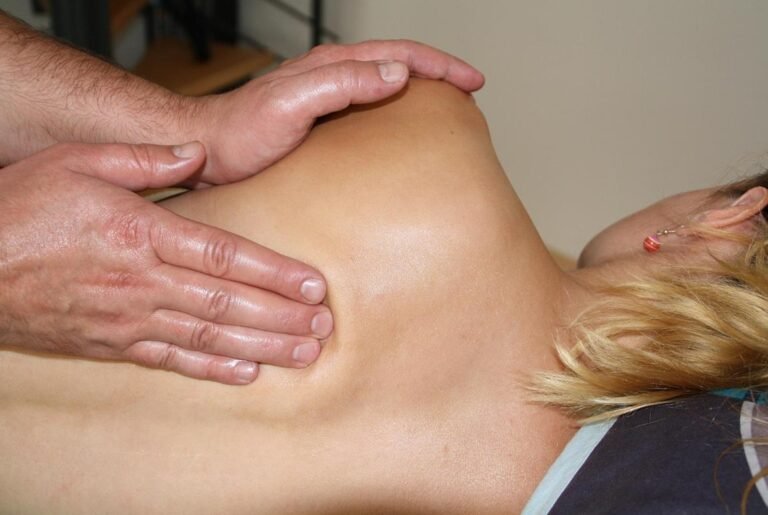
How Often Should You Get A Massage: Best Frequency Guide
Most people benefit from a massage every two to four weeks, but your needs, goals, and health guide the best schedule.
Knowing how often should you get a massage can help you gain more benefits without spending too much time or money. The right plan may be weekly during a stressful season, monthly for general wellness, or occasional after hard exercise. This guide explains how to choose a safe, useful massage routine based on your body and lifestyle.
How Often Should You Get a Massage?
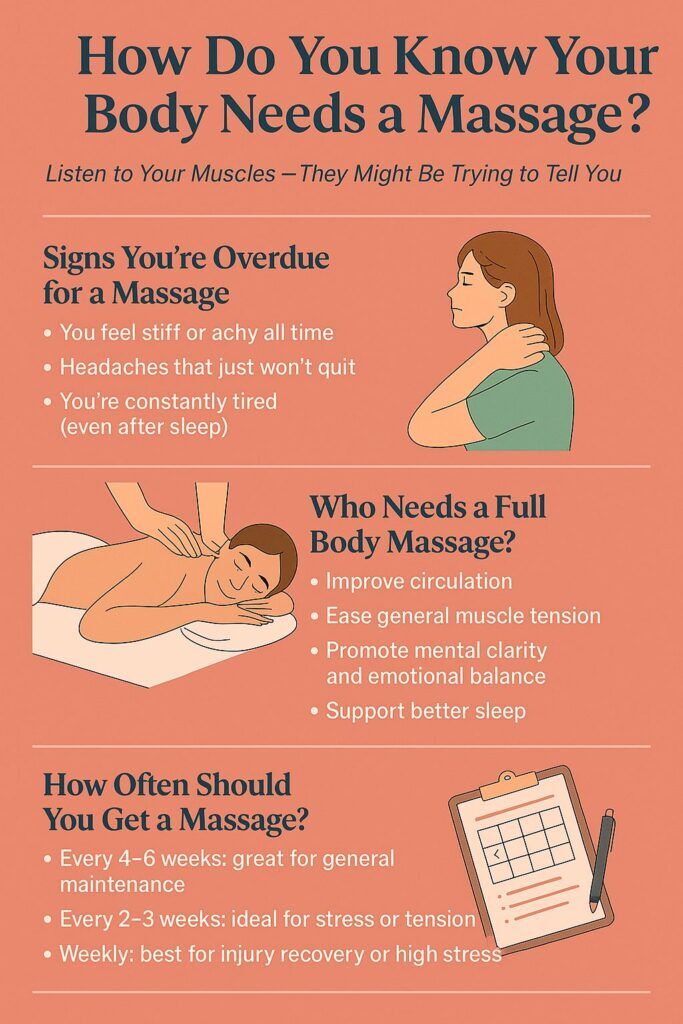
For most healthy adults, getting a massage every two to four weeks is a practical starting point. This schedule may help reduce muscle tension, support relaxation, and make it easier to notice changes in your body.
Still, there is no single answer to how often should you get a massage. Your ideal schedule depends on your reason for booking, the type of massage, your stress level, your activity, and your response after each session.
A massage therapist may suggest a different plan after learning about your symptoms and health history. A good plan should feel helpful, not leave you sore, tired, or worried about the next appointment.

Massage Frequency Based on Your Goal
Your goal matters more than a fixed calendar. Someone with chronic neck tension may need a different plan than a runner preparing for a race.
For general wellness
A massage every four to six weeks may work well for general relaxation and body care. This schedule can help you check in with areas that often hold tension, such as the neck, shoulders, lower back, and hips.
Some people prefer a massage around once a month because it is easy to remember. It also gives the body enough time to respond between sessions.
For stress and relaxation
If stress affects your sleep, mood, or muscle tension, a massage every one to four weeks may be useful. During a very stressful period, some people choose weekly sessions for a short time.
Once stress levels improve, you may space visits farther apart. Think of massage as one tool in a larger stress plan that may also include sleep, movement, breathing exercises, and time away from screens.
For muscle pain or stiffness
People with mild muscle pain may benefit from one session each week for two to four weeks. After symptoms improve, visits may move to every two to six weeks.
Massage can reduce the feeling of tightness and improve comfort. However, it may not fix the root cause of ongoing pain, such as poor movement habits, an injury, nerve irritation, or arthritis.
For athletes and active adults
Active people often use massage before or after demanding training. A light massage may fit one to three days before an event, while a gentle recovery massage may feel better after hard exercise.
Deep tissue work right before a competition may leave some people sore or less flexible. Tell your therapist about your training schedule so the pressure and timing match your needs.
For desk workers
A person who sits at a computer all day may choose a massage every three to four weeks. Regular movement breaks, a better desk setup, and simple exercises can make each massage more useful.
A massage should not replace changes to your work habits. If you keep placing your body in the same strained position, tightness may return like a rubber band snapping back.
How Often Should You Get a Massage for Pain?
When pain is new, mild, or linked to muscle tension, weekly massage may help you track progress. Many people then reduce visits as symptoms settle.
For pain that lasts more than a few weeks, grows worse, or limits daily activity, seek an evaluation from a health professional. Massage may provide comfort, but pain can also come from conditions that need medical care.
Contact a clinician before massage if you have:
• Sudden or severe pain
• Numbness, tingling, or weakness
• Loss of bladder or bowel control
• A recent major injury
• Unexplained weight loss or fever
• Swelling, redness, or warmth in one area
• Pain that wakes you often at night
A massage therapist should not diagnose serious conditions. Their role is to work with soft tissue safely and refer you to proper care when needed.

How Often Should You Get a Massage for Stress?
Stress can cause shallow breathing, tight shoulders, jaw clenching, headaches, and poor sleep. If massage helps you relax, a weekly or every-other-week session may be reasonable during a demanding period.
Once you feel calmer, monthly massage may be enough. The goal is not to depend on appointments forever. The goal is to build a routine that supports your health while you also address the sources of stress.
In my experience, one common mistake is waiting until stress becomes overwhelming. People often get better results when they book a shorter, regular session instead of waiting for a painful knot to demand attention.
Massage works best beside other healthy habits, such as:
• Taking short walking breaks
• Stretching gently without forcing a joint
• Sleeping on a consistent schedule
• Drinking enough water
• Practicing slow breathing
• Setting limits on work and phone use

How Often Should You Get a Massage for Muscle Recovery?
After exercise, muscles may feel tired or sore because of normal training stress. A gentle massage can feel soothing, but more pressure is not always better.
For regular recovery, many active adults schedule a massage every two to four weeks. During intense training, a therapist may recommend more frequent visits, but the sessions should match your workload and recovery.
Avoid aggressive massage on a fresh injury, bruised area, or severely sore muscle. Rest, gradual movement, and professional advice may be safer during the early stage of an injury.
Watch how your body responds after each visit. A little tenderness can occur, but severe pain, lasting bruising, or reduced movement means the pressure or timing may not be right.

Benefits and Limits of Regular Massage
Massage may offer several short-term benefits. Research suggests it can help some people manage muscle pain, reduce stress, and improve relaxation. Results vary by person, technique, condition, and treatment plan.
Possible benefits include:
• Less muscle tension
• Temporary relief from some types of pain
• Improved sense of relaxation
• Better awareness of body tension
• Support for exercise recovery
• A calming break from daily demands
Massage also has limits. It is not a cure for every form of pain, and evidence is mixed for some conditions. Benefits may last hours or days rather than months, especially when the cause of tension remains.
Massage should complement, not replace, medical treatment when you have a diagnosed condition. A careful therapist will explain what massage may and may not do.

Signs You May Need More or Less Frequent Massage
Your body gives useful clues about whether your schedule works. Keep a simple note of your pain, sleep, stress, movement, and recovery after each session.
You may benefit from more frequent visits when:
• Tightness returns quickly
• Stress keeps affecting your sleep
• You are increasing training volume
• A therapist has created a short treatment plan
• Massage improves daily comfort without causing side effects
You may need fewer visits when:
• Your symptoms remain controlled
• You feel sore for several days afterward
• The cost creates financial stress
• You are using massage instead of seeking needed medical care
• Your body feels better with exercise and home care alone
One useful rule is to judge the full result, not only the feeling during the session. A massage can feel wonderful for an hour but offer little lasting value if the schedule, pressure, or treatment goal is wrong.

How to Build a Safe Massage Schedule
Choosing how often should you get a massage is easier when you use a simple process.
-
Decide why you want massage. Choose relaxation, pain support, recovery, mobility, or general wellness.
-
Start with a moderate schedule. For many people, every three to four weeks is a sensible beginning.
-
Track your response. Note how you feel right after the session and one, three, and seven days later.
-
Adjust the pressure. Ask for lighter work if you feel sharp pain, strong guarding, or heavy soreness.
-
Review the plan after three sessions. Ask whether your symptoms, movement, sleep, or stress have improved.
-
Add other care when needed. Exercise, physical therapy, medical evaluation, and ergonomic changes may provide more lasting results.
A skilled therapist should ask about your health, medications, injuries, pregnancy status, and treatment goals. They should also explain the session and respect your comfort at every step.

When to Avoid or Delay a Massage
Massage is safe for many people, but it is not right in every situation. Delay a session and ask a health professional for advice if you have a fever, contagious illness, open wound, serious skin infection, or unexplained swelling.
You may also need medical guidance if you take blood thinners, have a bleeding disorder, recently had surgery, or have a history of blood clots. People with cancer, osteoporosis, pregnancy-related concerns, or heart problems should ask their care team about safe techniques.
Do not receive massage over a fresh bruise, burn, wound, fracture, or area of severe inflammation. A therapist can often work around a problem, but only after understanding the risk.
Choose a licensed or properly credentialed massage therapist when possible. Licensing rules differ by state, so check local requirements and ask about training, experience, sanitation, and informed consent.

Common Massage Mistakes to Avoid
Many people focus only on how often should you get a massage and forget that quality matters just as much. A poorly timed or overly intense session may not support your goal.
Avoid these common mistakes:
• Booking deep tissue work when you are already very sore
• Staying silent when pressure feels painful
• Expecting one session to solve long-term pain
• Ignoring symptoms that require medical care
• Skipping water, food, or rest when your body needs them
• Choosing a therapist only because the price is low
• Using massage to avoid movement or strength work
A practical lesson is to communicate early. Saying, “That pressure is too much,” gives the therapist a chance to change the session. Pain is not proof that massage is working.
How to Prepare for Your Massage
Good preparation can make the session more comfortable and useful. Drink normally, eat a light meal if you are hungry, and arrive a few minutes early.
Tell your therapist about:
• Current pain or sensitive areas
• Recent exercise or injuries
• Surgeries and medical conditions
• Medications that affect bleeding or pain
• Pregnancy or possible pregnancy
• Pressure preferences and areas to avoid
You do not need to tolerate discomfort to receive a benefit. You can remain clothed for some massage styles, and professional draping should protect your privacy during any session that uses oil or lotion.
Afterward, move gently and notice how you feel. Mild tenderness may occur, but strong pain, dizziness, rash, or unusual swelling deserves attention.
Frequently Asked Questions About How Often Should You Get a Massage?
Is it okay to get a massage every week?
Weekly massage may be appropriate for a short period when you have high stress, muscle tension, or a therapist-guided care plan. It may be too much if each session causes significant soreness, bruising, or fatigue.
How often should you get a massage for back pain?
Some people with muscle-related back pain start with weekly sessions for two to four weeks, then reduce visits as symptoms improve. Ongoing, severe, or unexplained back pain needs evaluation by a qualified health professional.
Can you get a massage every day?
Daily massage is not necessary for most people and may irritate sore tissue if the pressure is intense. Gentle self-massage may be suitable for some areas, but frequent professional massage should follow a clear need and safe plan.
How often should you get a massage for relaxation?
A massage every four to six weeks often works well for general relaxation. During a stressful period, every one to two weeks may feel helpful, followed by a less frequent maintenance schedule.
How often should you get a deep tissue massage?
Deep tissue massage is often best spaced by at least one to two weeks, depending on pressure, soreness, and your health. Deep work should not be painful, and it may not be suitable over injuries, bruises, or areas of inflammation.
Should you get a massage before or after a workout?
A light massage may be useful before exercise, while gentle recovery work may feel better after training. Avoid intense deep tissue work right before a major event because soreness can affect comfort and movement.
Is massage safe during pregnancy?
Many pregnant people can receive massage from a therapist trained in prenatal care, but timing, position, and pressure matter. Ask your prenatal care provider first, especially if you have complications or a high-risk pregnancy.
Conclusion
For many healthy adults, getting a massage every two to four weeks is a useful starting point. Weekly sessions may help during short periods of high stress or muscle tension, while monthly visits may support relaxation and general wellness.
The best answer to how often should you get a massage depends on your goals, health, activity, budget, and response after each session. Start at a moderate pace, communicate clearly, and seek medical advice for severe or unexplained symptoms.
Book your next session with a qualified therapist, track how your body responds, and adjust your routine with care. Share your experience or explore more evidence-based wellness guides to build a massage plan that truly fits your life.