How To Use A Neck Massager Safely: Expert Tips
A neck massager is safest when you use gentle pressure, short sessions, and avoid painful or medical-risk areas.
A neck massager can feel like a tiny reset button after a long day, but safe use matters just as much as comfort. I’ve seen people love the relief, then overdo it and end up with sore muscles, skin irritation, or worse. If you want the benefits without the risks, this guide walks you through how to use a neck massager safely, what to avoid, and how to make it part of a smart, healthy routine.
What a neck massager does and why safety matters
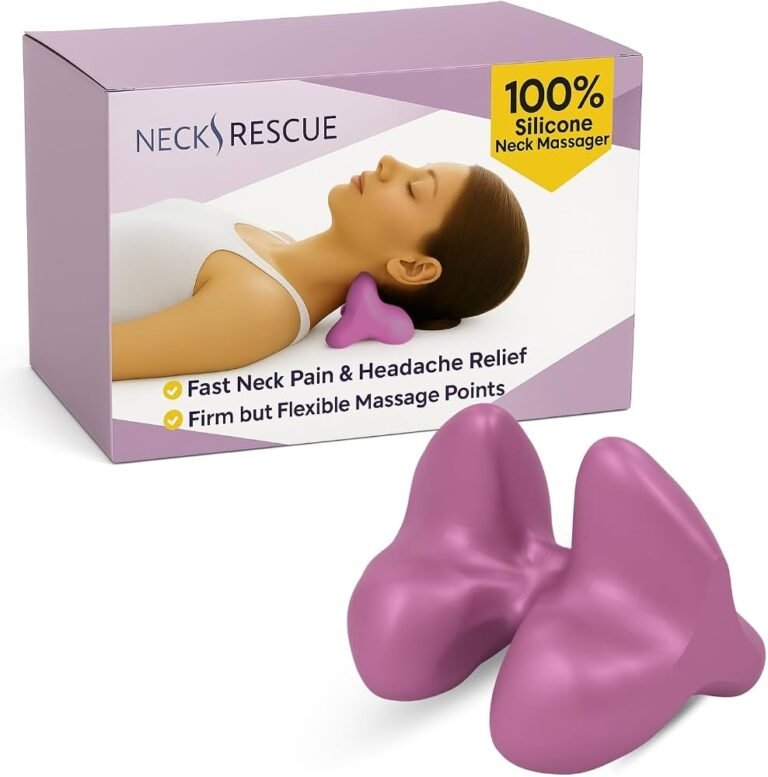
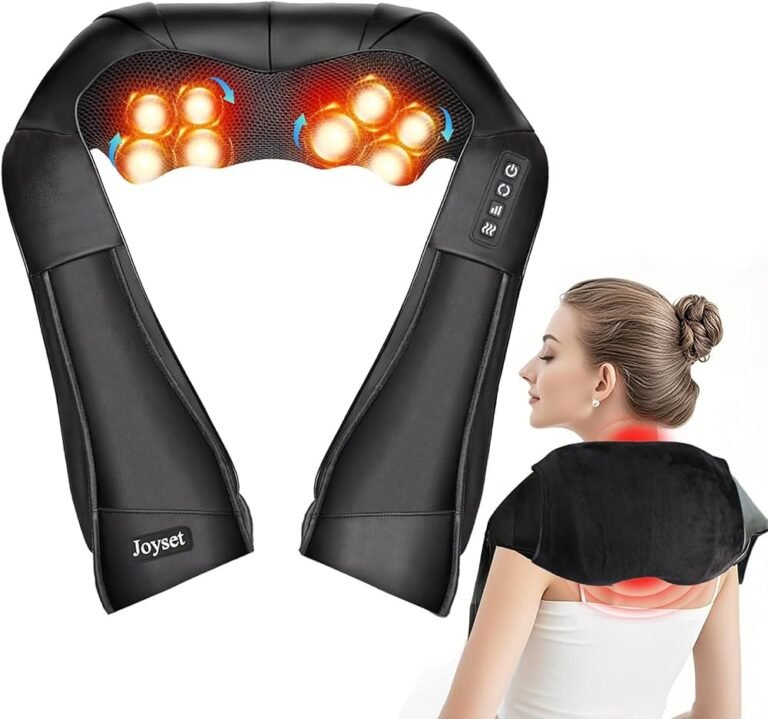
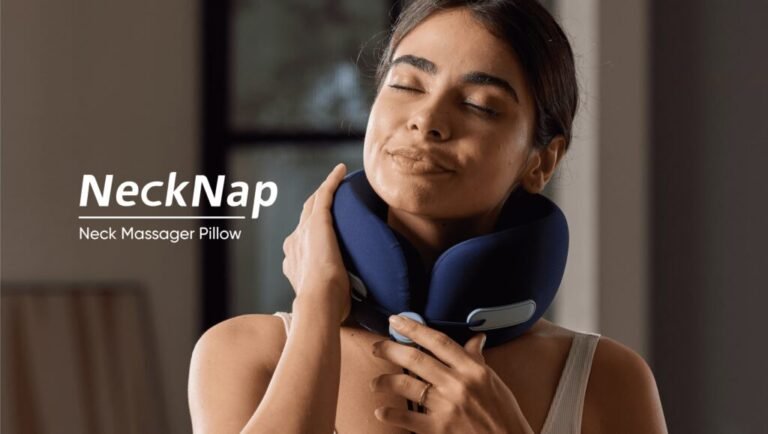
A neck massager helps relax tight muscles, improve comfort, and reduce the feeling of stiffness after stress, poor posture, or long hours at a desk. It may use kneading nodes, heat, vibration, compression, or percussion to mimic a hands-on massage.
Safety matters because the neck is a sensitive area. It contains muscles, nerves, arteries, the spine, and lymph nodes, all packed into a small space. That means the goal is not to “dig in” hard. The goal is to gently help the tissue relax without irritating it.
From my own experience testing different massage devices, the biggest mistake people make is assuming more pressure equals better results. It usually does not. When a device feels intense but leaves you sore for hours, that is often a sign it was too much for your body that day.
How to use a neck massager safely step by step
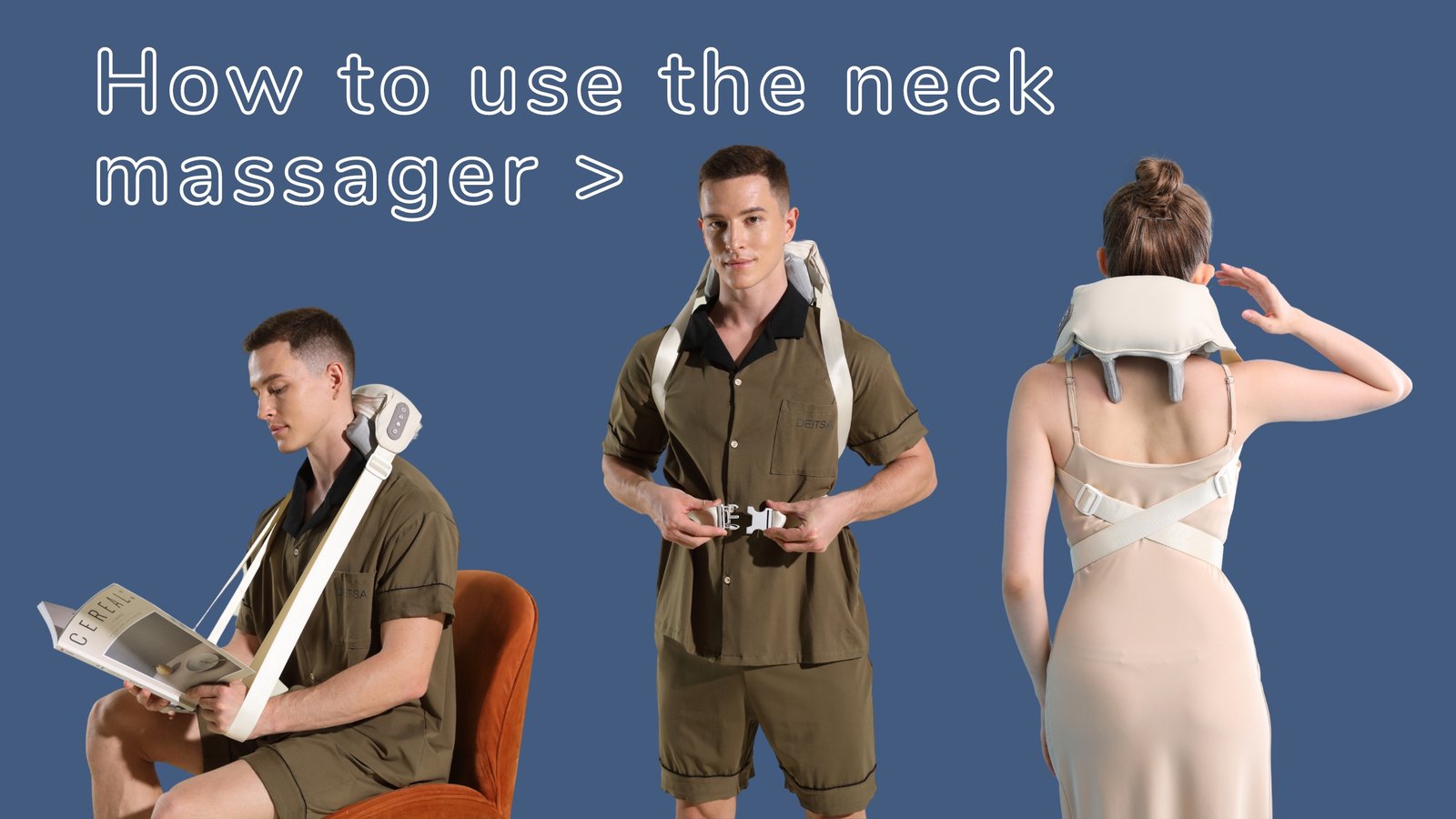
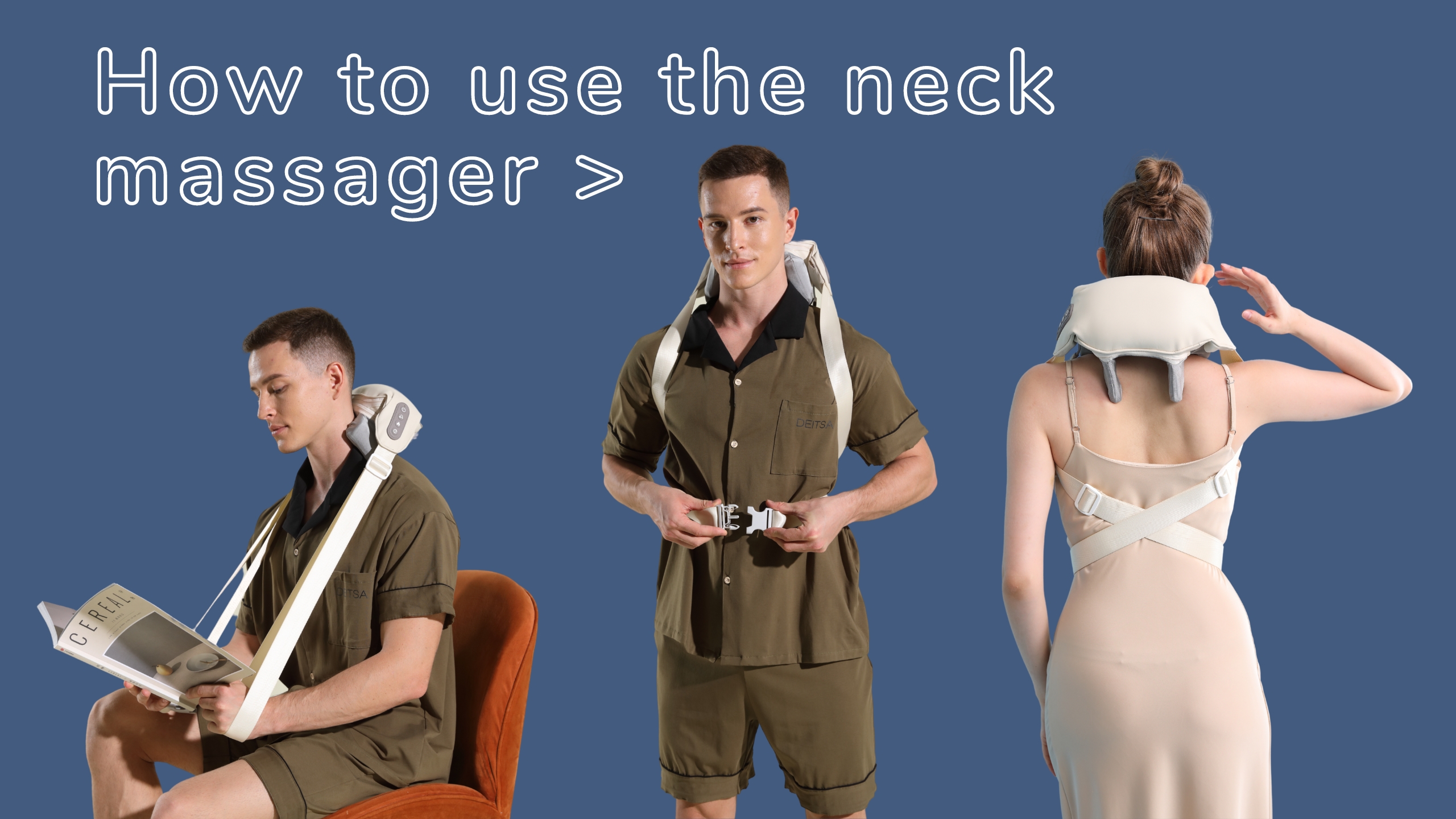
The safest way to use a neck massager is to start slow, use low intensity, and pay attention to how your body responds. Think of it like easing into warm water instead of jumping into a hot bath.
Follow these steps:
-
Read the manual first
Every neck massager is different. Check how the device is meant to sit on your neck, how long you should use it, and whether it should be used with or without heat. -
Inspect the device before use
Make sure cords, straps, massage heads, and buttons are in good condition. If anything looks damaged, do not use it. -
Sit in a stable position
Use the massager while seated or lying in a safe, supported position. This helps prevent slipping, awkward neck angles, or sudden strain. -
Start with the lowest setting
Use the lightest pressure or vibration first. You can increase it later if it feels comfortable, but there is no prize for going harder right away. -
Limit the session time
Short sessions are usually safer than long ones. Many people do well with 10 to 15 minutes at a time, depending on the device and their comfort level. -
Keep the device on the muscles, not the front of the neck
The sides and back of the neck are the usual target areas. Avoid direct pressure on the front of the neck, throat, or spine. -
Stop if something feels wrong
Sharp pain, dizziness, nausea, numbness, tingling, headache, or worsening stiffness are warning signs. Stop right away and rest. -
Reassess how you feel afterward
A good session should leave you looser, calmer, or more comfortable. If you feel bruised or worse, reduce intensity or stop using that device.

Best practices for safe neck massager use at home
Safe use is not just about the device itself. It is also about the habits around it. A few small choices can make a big difference.
Use these best practices:
- Use a neck massager on clean, dry skin to reduce irritation.
- Avoid using it right after injury, intense exercise, or heavy strain unless a clinician says it is okay.
- Pair it with good posture habits, since a massager cannot fix repeated forward-head posture by itself.
- Use a warm compress first if your muscles feel tight and you want a gentler start.
- Drink water afterward if the massage makes you feel relaxed or a little drained.
- Keep your shoulders relaxed during the session so you do not fight the device.
- Do not fall asleep with the massager on unless the product is clearly designed for that use.
In real life, I have found that the best sessions happen when people treat the massage like a reset, not a marathon. A short, calm session after work often works better than a long, aggressive one when you are already tense.
Who should be extra careful or avoid neck massagers
Some people should talk to a healthcare professional before using a neck massager. This is especially important if you have a medical condition or take medications that affect sensation, circulation, or muscle tone.
Be cautious if you have:
- Recent neck injury or whiplash
- Cervical spine problems, such as disc issues or instability
- Osteoporosis or brittle bones
- Blood clotting problems
- A pacemaker or implanted medical device, if the massager uses heat or electrical stimulation
- Skin conditions, open wounds, or rashes on the neck
- Numbness, tingling, or unexplained pain in the neck or arm
- A history of stroke, vascular disease, or severe headaches that need medical review
Pregnant users should ask a clinician first, especially if the device uses heat, vibration, or strong pressure. When in doubt, safer is better than sorry.
Common mistakes to avoid when using a neck massager
A lot of problems come from simple overuse or poor placement. I have seen this in both home use and wellness settings.
Avoid these mistakes:
- Using the highest setting on day one
- Pressing the device into the front of the neck
- Using it for too long because it “feels good”
- Ignoring pain, dizziness, or tingling
- Using it over an injury without medical advice
- Sleeping with it on
- Using heat too high or too long
- Expecting it to treat serious neck pain on its own
Think of a neck massager as a tool, not a cure-all. It can help with comfort, but it should not replace evaluation when pain is severe, lasting, or linked to injury.
Choosing the right neck massager for safe use
Not every neck massager is built the same. Some are gentle and simple, while others are intense and better for specific users. Picking the right one can make safety much easier.
Look for features such as:
- Adjustable intensity so you can start low
- Automatic shutoff for time control
- Clear instructions and warnings
- Comfortable fit for your neck size
- Heat settings with temperature control
- Soft materials that do not irritate skin
- Good reviews from users with similar needs
If you are sensitive to pressure, a lightweight vibration device may be better than deep-kneading nodes. If your neck gets stiff from desk work, a device with mild heat and adjustable compression may feel better than a hard percussion-style massager.
Benefits of safe neck massager use
When used properly, a neck massager can offer real comfort. The key is safe, measured use.
Possible benefits include:
- Reduced muscle tension
- Temporary relief from stiffness
- A calmer, more relaxed feeling
- Better comfort after long computer use
- Help with general recovery after a stressful day
That said, benefits vary by person. Some people feel a big difference, while others only notice mild relief. The results are often best when massage is combined with posture breaks, stretching, sleep, and regular movement.
When to stop and seek medical advice
A neck massager should never make your symptoms worse. If it does, that is important information.
Seek medical advice if you notice:
- Pain that gets worse after each session
- Dizziness or faintness
- Headaches that start or intensify after massage
- Tingling, numbness, or weakness
- Pain radiating into the arm or hand
- Swelling, bruising, or skin changes
- Neck pain after a fall, accident, or sudden twist
If you have severe pain, weakness, trouble walking, chest pain, or sudden neurologic symptoms, get urgent medical help. A massager is not the right next step in those situations.
Extra safety tips for heat, vibration, and percussion devices
Different technologies carry different risks, so it helps to know what you are using.
For heat:
- Use the lowest comfortable setting.
- Do not place heat on numb skin.
- Avoid prolonged use that can cause burns.
For vibration:
- Start low if you are sensitive to motion.
- Stop if it triggers headache or nausea.
- Be careful if you have a condition affected by vibration.
For percussion or deep-kneading devices:
- Use light pressure.
- Avoid bony areas and the front of the neck.
- Keep sessions short and controlled.
I always tell people this: if the device feels like it is forcing your body to “submit,” it is probably too much. Good massage should feel supportive, not punishing.
Frequently Asked Questions of How to use a neck massager safely
How long should I use a neck massager at one time?
Most people do well with short sessions, often around 10 to 15 minutes, depending on the device and intensity. If your neck feels irritated afterward, shorten the session next time.
Can I use a neck massager every day?
Yes, many people can use one daily if the setting is gentle and the body tolerates it well. If you notice soreness, redness, or increased pain, take a break and reduce the frequency.
Should a neck massager hurt?
No, it should not cause sharp pain. A little pressure can feel strong, but pain, numbness, or dizziness are signs to stop.
Can I use a neck massager if I have arthritis in my neck?
Only after checking with a healthcare professional. Neck arthritis can make the area more sensitive, so the wrong pressure or movement may aggravate symptoms.
Is it safe to use a neck massager while sleeping?
Usually no, unless the device is specifically designed for that purpose. Sleeping with a massager can lead to too much pressure, poor positioning, or skin irritation.
Conclusion
Using a neck massager safely comes down to a few simple habits: start low, keep sessions short, avoid painful areas, and listen to your body. The best results come from gentle, consistent use rather than aggressive pressure or long sessions.
If you treat the device like a helpful tool instead of a shortcut, it can fit nicely into a healthy routine for relaxation and neck comfort. Try these tips the next time you use one, and if you are unsure about your symptoms, talk with a qualified healthcare professional before continuing.