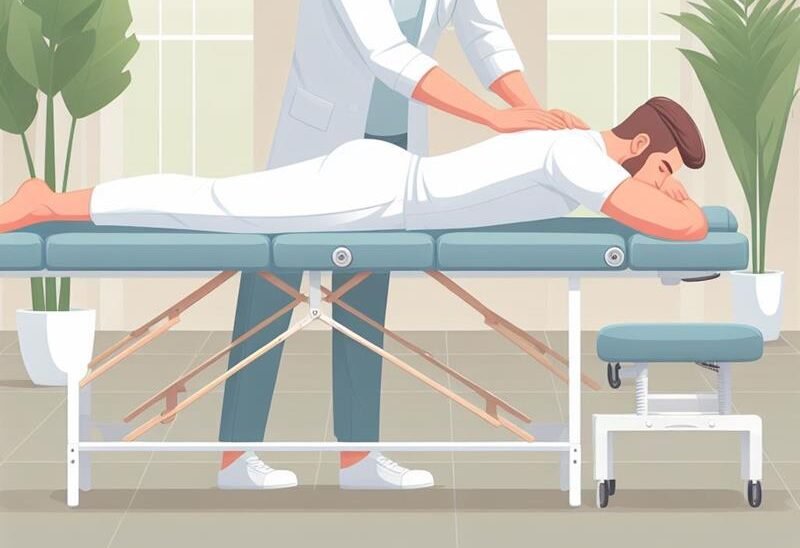
What Should You Do After A Massage?: Best Aftercare Tips
Drink water, rest briefly, move gently, and notice how your body feels after a massage.
Knowing what should you do after a massage can help you protect the benefits of the session and avoid common discomfort. The right aftercare is simple, but timing matters. This guide explains what to eat, drink, wear, and avoid, plus when soreness is normal and when you should contact a health professional.
What should you do after a massage?
The first hour after massage is a time for calm. Your muscles, joints, and nervous system may feel relaxed, warm, or slightly tired. Give your body space to settle instead of rushing into a busy schedule.
Here are the most helpful steps:
- Drink water when you feel thirsty.
- Stand up slowly.
- Take a few gentle steps.
- Eat a light meal if you are hungry.
- Avoid hard exercise for the rest of the day.
- Pay attention to pain, swelling, dizziness, or unusual symptoms.
- Follow any specific advice from your massage therapist.
A massage does not “flush toxins” from your body. Your liver, kidneys, lungs, and digestive system already manage waste. Still, drinking fluids can support normal hydration, especially if you were thirsty before the session.
In my experience, people often make one simple mistake: they leave a relaxing massage and return straight to work, errands, or intense exercise. A short pause can make the session feel more useful and may reduce the chance of feeling wiped out.
Drink water, but do not force it
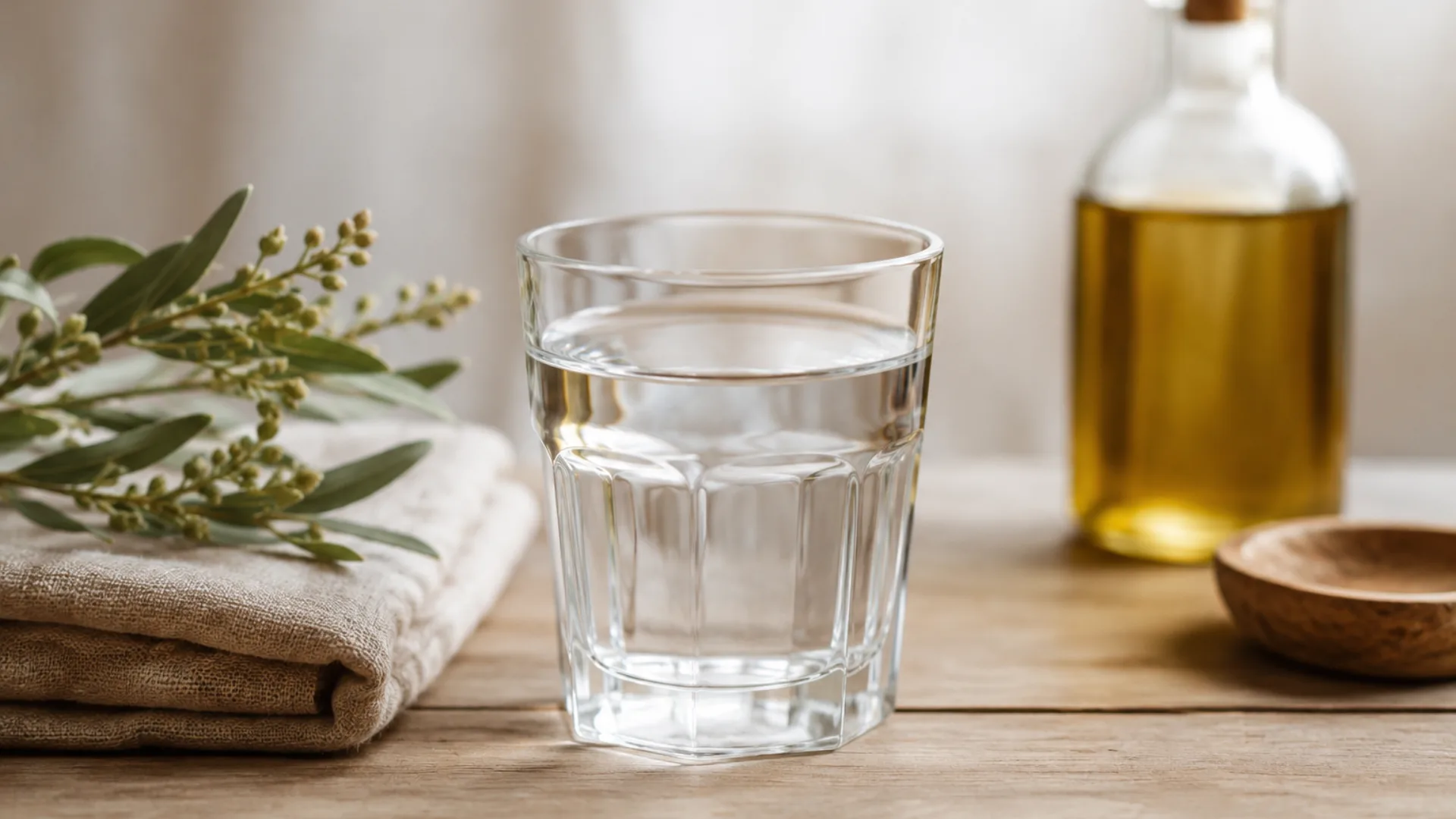
Hydration is one of the most common answers to what should you do after a massage. Water can be a good choice if your mouth feels dry or you have not had much to drink.
However, you do not need to gulp several large bottles. Too much water too fast can make you feel bloated, nauseated, or unwell.
Try these simple habits:
• Sip water over the next few hours.
• Drink according to thirst and your usual needs.
• Choose an electrolyte drink only if you have lost fluids through heavy sweating, illness, or exercise.
• Limit alcohol after massage because it can worsen dehydration, dizziness, and poor judgment.
• Keep caffeine moderate if you already feel restless or light-headed.
People with heart failure, kidney disease, or fluid restrictions should follow their medical team’s advice. Your fluid needs may differ from those of another person.

Eat a light, balanced meal
If you feel hungry, eat. You do not need a special “post-massage diet.” A small meal with protein, carbohydrates, and healthy fats can help you feel steady.
Good options include:
• Yogurt with fruit and oats
• A turkey or vegetable sandwich
• Eggs with whole-grain toast
• Rice with vegetables and tofu
• A banana with peanut butter
Avoid eating a very large, greasy meal right before or right after a massage if it makes you feel uncomfortable. Lying face down with a full stomach can cause pressure, reflux, or nausea.
This is another important part of what should you do after a massage: listen to your body rather than follow strict rules. Some people feel hungry after a session. Others feel content and want only water. Both responses can be normal.

Rest and keep your movement gentle
Rest does not always mean staying in bed. It means avoiding activities that place sudden stress on your muscles.
A gentle walk may help you transition back to normal movement. Light stretching can also feel pleasant, but it should never cause pain or force your joints into a deep range.
For the rest of the day, consider:
• Walking at an easy pace
• Doing calm household tasks
• Taking a warm shower
• Reading or listening to quiet music
• Using slow breathing to stay relaxed
Avoid heavy lifting, sprinting, intense cycling, and demanding workouts for several hours. Deep tissue massage may leave your muscles more sensitive, so waiting until the next day to train is often sensible.
If you are an athlete, ask your massage therapist when to resume training. The answer depends on the massage style, pressure, treated area, and your workout plan.
What should you do after a massage if you feel sore?
Mild tenderness can occur after a deep or intense massage. It may feel similar to the soreness you notice after unfamiliar exercise. This discomfort often improves within a day or two.
Use simple care:
• Rest the treated area.
• Try a warm shower or warm compress.
• Keep moving gently.
• Avoid aggressive self-massage.
• Use over-the-counter pain medicine only if it is safe for you and you normally use it as directed.
Do not assume that severe pain means the massage “worked.” More pressure is not always better. A skilled therapist should adjust pressure to your comfort, goals, health history, and feedback.
Contact a health professional if pain is severe, keeps getting worse, or lasts more than a few days. Seek prompt care for major swelling, weakness, numbness, trouble breathing, chest pain, fainting, or dark urine.

Take care of your skin and muscles
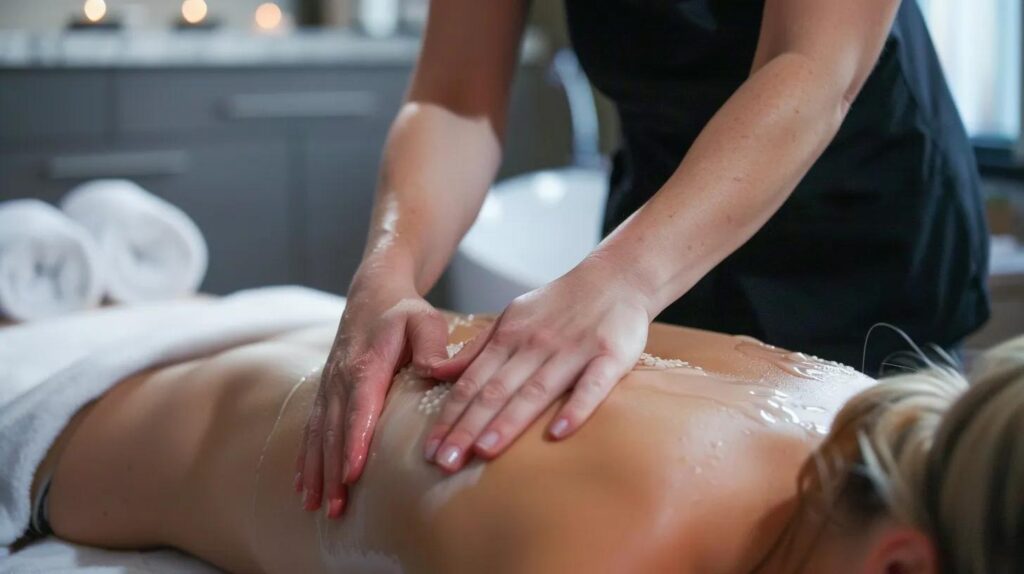
Massage oil, lotion, or cream can remain on your skin after a session. You can leave it on for a while if it feels comfortable, or shower when you get home.
A warm shower may help you feel clean and relaxed. Avoid very hot water if you feel dizzy or if your skin is sensitive. Heat can sometimes increase redness, light-headedness, or irritation.
If you notice a rash, burning, blisters, or intense itching, wash the product off and contact a health professional if the reaction continues. Tell your therapist about allergies before future sessions.
Do not apply strong heat directly to numb skin. Reduced sensation can make it harder to notice a burn.

Avoid alcohol and intense exercise
Many people ask what should you do after a massage because they want to know what activities may reduce the benefits. Alcohol and hard exercise are two choices worth limiting soon after treatment.
Alcohol can make you more sleepy and may increase dizziness. It can also make it harder to judge how your body feels.
Intense exercise may irritate muscles that have already received pressure. It can also hide early signs that you need rest. A gentle walk is usually a better choice than a hard workout immediately after massage.
If you must exercise later that day, lower the intensity and stop if you notice pain, weakness, nausea, or unusual fatigue.

Plan a calm schedule
A massage may affect your attention and energy for a short time. Some people feel refreshed. Others feel sleepy, emotional, or quiet. Try to leave a little space before driving, working, or making demanding decisions.
If you feel dizzy when you stand, sit back down and breathe slowly. Tell the therapist before leaving the clinic. Do not drive until you feel alert and steady.
A simple after-massage plan might look like this:
- Sit for five to ten minutes.
- Drink a small glass of water.
- Stand slowly.
- Walk gently for a few minutes.
- Eat a light snack if needed.
- Skip strenuous activity.
- Go to bed at your normal time.
This plan answers what should you do after a massage without making aftercare complicated. Think of it as giving your body a soft landing.
What should you do after a massage based on the massage type?
Aftercare can vary. A gentle relaxation massage may require little more than normal hydration and a calm transition. A deep tissue massage, sports massage, or trigger point session may cause more tenderness.
Relaxation massage
You may feel calm or sleepy. Plan quiet activities and avoid rushing into a stressful task if possible.
Deep tissue massage
Mild tenderness is more likely. Use gentle movement, avoid heavy training, and contact a professional if the pain is strong or unusual.
Sports massage
Your therapist may recommend a specific recovery plan. Follow advice about stretching, training, sleep, and the timing of your next workout.
Prenatal massage
Follow the guidance of your prenatal massage therapist and maternity care provider. Report bleeding, strong cramping, severe headache, fluid leakage, or other concerning symptoms without delay.
Lymphatic massage
Aftercare may depend on why you received the treatment. Follow the therapist’s instructions, especially if you have swelling, surgery recovery needs, or a diagnosed medical condition.
Massage can support comfort and relaxation, but it does not replace medical diagnosis or treatment. That limitation matters. A massage therapist should not promise to cure disease or tell you to stop prescribed care.
Mistakes to avoid after massage
Knowing what should you do after a massage also means knowing what not to do. Most problems come from doing too much too soon.
Avoid these common mistakes:
• Leaving without telling the therapist about pain or dizziness
• Standing up quickly after lying down
• Scheduling a hard workout right away
• Drinking alcohol soon after the session
• Taking a very hot bath while feeling light-headed
• Drinking excessive amounts of water
• Ignoring severe or worsening pain
• Assuming bruising is always normal
• Using strong pressure on a tender area at home
• Booking another intense session before your body has recovered
Bruising can occur more easily in some people, especially those with delicate skin or certain medicines. If you take blood thinners or bruise easily, tell your therapist before treatment.
Your feedback is part of safe massage care. A professional should welcome requests for lighter pressure, a position change, more draping, or a pause.
When should you contact a health professional?
Most post-massage feelings are mild and short-lived. Still, massage is not risk-free. Rare but serious problems can occur, especially with forceful techniques or in people with certain health conditions.
Seek medical advice for:
• Severe or increasing pain
• New weakness or loss of movement
• Persistent numbness or tingling
• Major swelling or heat in a limb
• Chest pain or trouble breathing
• Fainting or confusion
• A widespread allergic reaction
• Fever or signs of infection
• Dark urine with severe muscle pain
Tell your massage therapist and medical provider about recent surgery, blood clots, fractures, cancer treatment, uncontrolled high blood pressure, osteoporosis, pregnancy concerns, or medicines that affect bleeding.
A qualified therapist should complete an intake, explain the session, protect your privacy, and obtain consent. If something feels unsafe or rushed, you can stop the massage at any time.
What should you do after a massage for better sleep?
Massage may help some people relax, and relaxation can support sleep. Research on massage and sleep varies by person and by health condition, so it should not be treated as a guaranteed sleep treatment.
To create a calm evening:
• Keep lights low.
• Take a comfortable shower.
• Avoid heavy meals close to bedtime.
• Put your phone away for a short period.
• Try slow breathing.
• Keep your bedroom cool and quiet.
A short walk, gentle stretch, or warm drink without much caffeine may also help. If massage makes you feel alert instead of sleepy, schedule future sessions earlier in the day.
The best answer to what should you do after a massage is personal. Notice how your body responds, then adjust your routine for the next visit.
How to prepare for your next massage
Good aftercare begins before the next appointment. Drink normally, wear comfortable clothing, and arrive with enough time to complete the health intake.
Before treatment, tell the therapist about:
• New pain or injuries
• Medical conditions
• Pregnancy
• Recent surgery
• Medicines that affect bleeding
• Skin problems or allergies
• Numbness or nerve symptoms
• Your pressure preference
During the session, use clear words. Say “lighter,” “more pressure,” “that area is tender,” or “please stop.” A massage should feel therapeutic, not like a test of endurance.
Keep a short note about how you felt afterward. Did you sleep well? Were you sore? Did you feel better after a light meal or a walk? These details can help you and your therapist choose safer, more useful care.
Frequently Asked Questions About What Should You Do After a Massage?
Should you drink water after a massage?
You can drink water after a massage if you are thirsty or mildly dehydrated. Sip normally rather than forcing large amounts, and follow special fluid advice from your medical provider.
How long should you rest after a massage?
A quiet period of 15 to 30 minutes can help you transition back to normal activity. Avoid intense exercise for several hours, especially after deep tissue or sports massage.
Is it normal to feel sore after a massage?
Mild tenderness can be normal after firm pressure or unfamiliar techniques. Severe, worsening, or long-lasting pain is not expected and should be discussed with a health professional.
Can you shower after a massage?
Yes, you can shower after a massage. Use warm rather than very hot water if you feel dizzy, and wash off any product that causes itching, burning, or a rash.
Can you eat after a massage?
Yes, eating after a massage is fine. Choose a light, balanced meal if you are hungry, and avoid a very large meal if your stomach feels unsettled.
Can you work out after a massage?
Light movement is usually reasonable, but intense exercise may increase soreness. Ask your therapist about timing if you received sports massage or deep tissue work.
Can you drink alcohol after a massage?
It is best to avoid alcohol for several hours after massage. Alcohol may worsen dehydration, sleepiness, and dizziness.
What should you do after a massage if you feel dizzy?
Sit or lie down, breathe slowly, and tell your therapist. Do not drive until you feel steady, and seek medical help if dizziness is severe, persistent, or linked with fainting or chest symptoms.
Conclusion
The best answer to what should you do after a massage is simple: pause, hydrate normally, eat if hungry, move gently, and give your body time to settle. Avoid alcohol and hard exercise, and treat severe or unusual symptoms seriously.
Massage should leave you feeling cared for, not pressured to tolerate pain. Use these steps after your next session, share feedback with your therapist, and explore more trusted wellness guidance to build a recovery routine that fits your body.