Why Should I Wear Sunscreen Every Day?
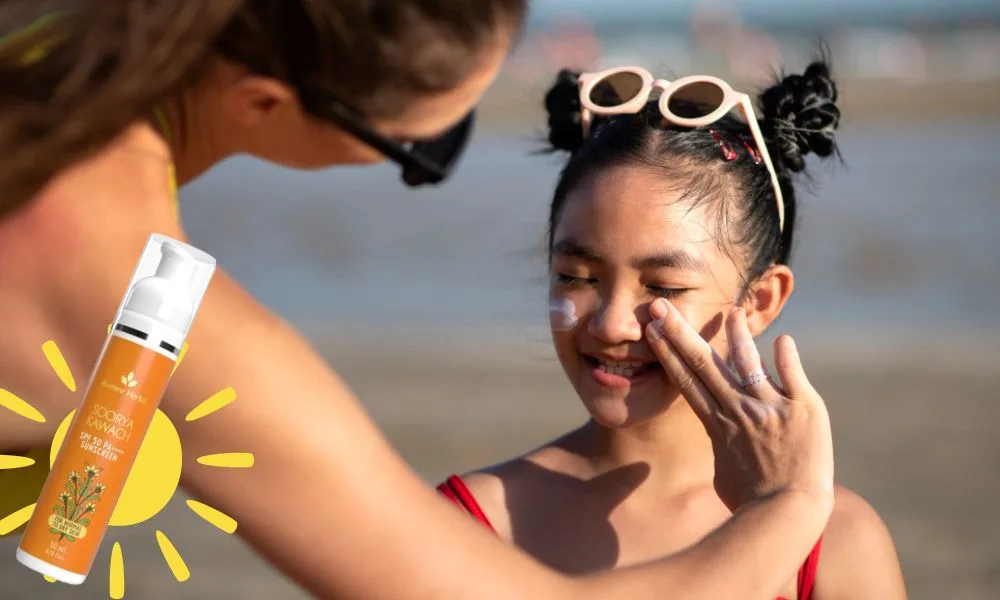
Image source: Bing (Web (fair-use with source credit))
When you think about why you should wear sunscreen every day, the answer boils down to protecting your skin from long-term damage that you can't always see immediately. It's not just about preventing a painful sunburn on a sunny afternoon; it's a crucial step in safeguarding your health and maintaining your skin's vitality. Even on overcast days, the sun's ultraviolet (UV) radiation can impact your skin.
The science is clear: daily, broad-spectrum sunscreen use with an SPF of 30 or higher is a cornerstone of preventative skincare. This practice is recommended by leading dermatology organizations to mitigate the risks associated with chronic UV exposure. Let's dig into the specifics of why this habit is so vital for everyone.
The Hidden Dangers of Daily UV Exposure
Even when it's cloudy or you're indoors, the sun's ultraviolet (UV) radiation is actively working on your skin. This unseen force is a primary contributor to significant skin health issues that may not show up for years. Understanding these dangers is the first step to appreciating why daily sunscreen isn't just a cosmetic choice, but a health necessity.

Image source: Web (Bing) / fahasa.com (Web image (fair-use with source credit))
- UVA Rays: These are the "aging rays" that penetrate deep into the skin. They are responsible for premature aging, including wrinkles, loss of elasticity, and sunspots. UVA rays are present year-round and can pass through glass, meaning you're exposed even when inside a car or home.
- UVB Rays: These are the "burning rays" and are the main cause of sunburn. While they don't penetrate as deeply as UVA rays, they are a significant factor in skin cancer development. UVB intensity varies more with the season and time of day but is present year-round to some extent.
- Cumulative Damage: It's the total amount of UV exposure over a lifetime that contributes most significantly to skin cancer risk and premature aging. Every little bit of unprotected exposure adds up. This means that casual, everyday exposure, walking to your car, sitting by a window, is just as important to protect against as a full day at the beach.
Quick Answer: Why Wear Sunscreen Daily?
Daily sunscreen use is essential for preventing skin cancer, premature aging, and sun damage like dark spots. It acts as a shield against harmful UVA and UVB rays, which are present even on cloudy days and can penetrate windows. Wearing broad-spectrum SPF 30 or higher every day is a fundamental step for maintaining long-term skin health and appearance.
Core Facts: What Sunscreen Does for Your Skin
Sunscreen's primary job is to act as a barrier between your skin and the sun's harmful UV radiation. It achieves this through a combination of active ingredients that either absorb or reflect these damaging rays. This protective action is vital for preventing both immediate damage, like sunburn, and long-term consequences.
- UV Absorption: Chemical sunscreens contain organic compounds that absorb UV rays. When these rays hit the skin, the chemical filters convert them into heat, which is then released from the skin. Common ingredients that perform this function include oxybenzone, avobenzone, octinoxate, and octisalate.
- UV Reflection/Scattering: Mineral sunscreens, also known as physical sunscreens, use mineral ingredients like zinc oxide and titanium dioxide. These work by sitting on top of the skin and physically blocking and scattering UV rays away from the skin's surface, much like a shield.
- Broad Spectrum Coverage: The most important aspect of sunscreen for daily use is "broad-spectrum" protection. This label ensures the product defends against both UVA (aging) and UVB (burning) rays. Without this, you might be protected from sunburn but still exposed to the aging and cancer-causing effects of UVA radiation.
This daily protective layer is key, as research by the U.S. Food and Drug Administration (FDA) highlights the continuous nature of UV exposure and its cumulative effects. Manufacturers often test their sunscreens according to standardized protocols to ensure they meet these broad-spectrum and SPF claims.
Sunscreen Benefits: Beyond Just Preventing Burns
While avoiding sunburn is a primary and immediate benefit, the advantages of making sunscreen a daily habit extend far beyond just short-term comfort. These benefits contribute significantly to your overall skin health and can impact your appearance over the years.
- Skin Cancer Prevention: This is the most critical benefit. Regular use of sunscreen significantly lowers the risk of developing skin cancers, including squamous cell carcinoma, basal cell carcinoma, and melanoma. The American Academy of Dermatology emphasizes that consistent application is a primary strategy in this fight.
- Reduced Premature Aging: UV radiation is a major culprit behind visible signs of aging. It degrades collagen and elastin, the proteins that keep skin firm and supple. By blocking these rays, daily sunscreen helps to prevent the formation of fine lines, wrinkles, and sagging skin, helping you achieve how can I make my skin feel smoother? over time.
- Prevention of Dark Spots and Uneven Tone: Sun exposure can lead to hyperpigmentation, resulting in dark spots, age spots, and an uneven complexion. Daily sunscreen application helps to prevent these spots from forming and can aid in fading existing ones, contributing to a more uniform skin tone. This is particularly relevant if you're concerned about achieving how can i keep my skin hydrated? and even-toned skin.
- Protection for All Skin Types: It's a common misconception that only fair-skinned individuals need sunscreen daily. All skin tones can be damaged by UV radiation, and all can benefit from protection against skin cancer and premature aging.
Key Features for Effective Daily Sun Protection
Choosing the right sunscreen means looking beyond just the SPF number. Several key features ensure your daily protection is truly effective and suitable for your skin's needs. Understanding these attributes helps you make an informed decision that aligns with preventative health goals.
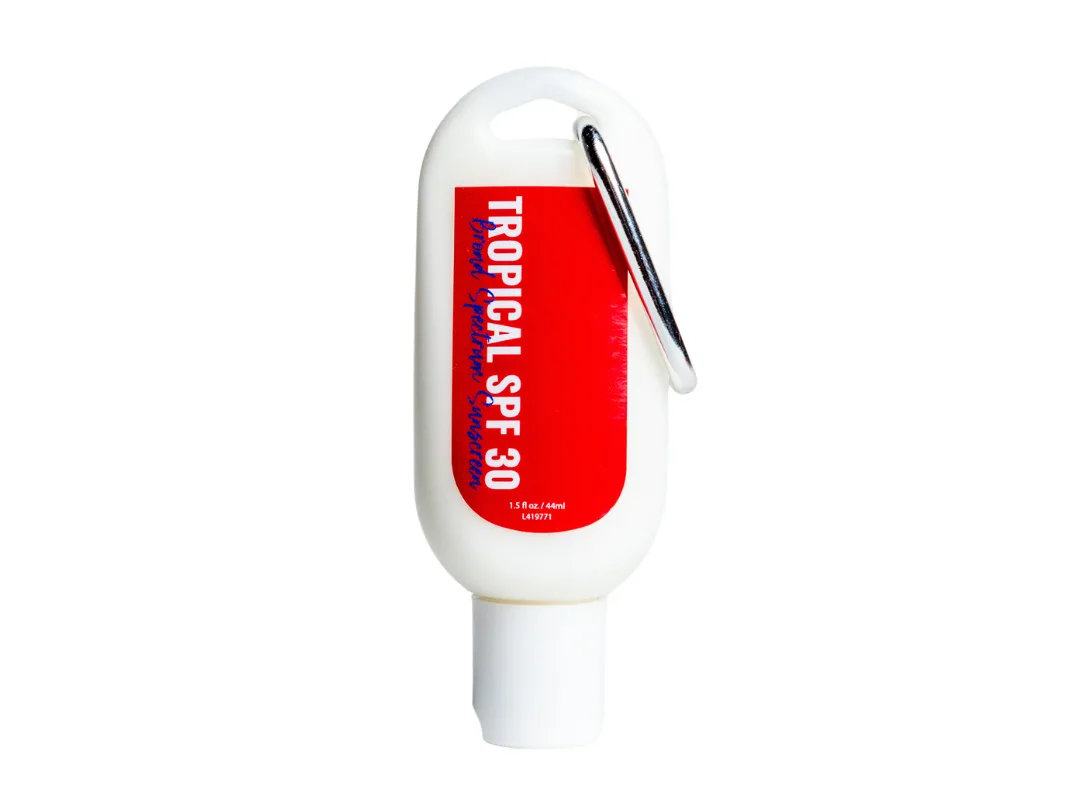
Image source: Bing (Web (fair-use with source credit))
- Broad-Spectrum Label: This is non-negotiable for daily wear. It guarantees protection against both UVA rays (responsible for aging) and UVB rays (responsible for burning). If a sunscreen doesn't state "broad-spectrum," it's best to choose another product.
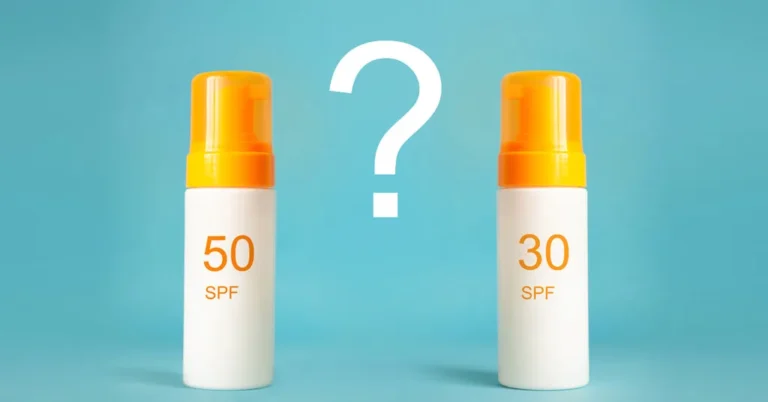
- SPF 30 or Higher: For everyday protection, an SPF of 30 is generally considered the minimum recommendation by dermatological bodies. SPF stands for Sun Protection Factor and measures how well a sunscreen protects against UVB rays. SPF 30 blocks about 97% of UVB rays, while SPF 50 blocks about 98%. Higher SPFs offer slightly more protection, but no sunscreen blocks 100%.
- Water Resistance: While not always essential for daily office wear, water resistance is a useful feature if you're likely to sweat or come into contact with water. It indicates how long the sunscreen remains effective when exposed to water (usually 40 or 80 minutes). Reapplication is still key.
- Formulation Type: Sunscreens come in various forms: lotions, creams, gels, sprays, and sticks. Lotions and creams are often best for dry skin, while gels and lighter lotions can be good for oily or acne-prone skin. Sprays can be convenient but require careful application to ensure even coverage.
When considering which formulation might work best for you, it's worth thinking about your skin type. For instance, if you have concerns about how can I reduce excess facial oil?, a lightweight, oil-free formula or a gel-based sunscreen might be a better fit.
Mistakes That Undermine Your Sun Protection
Even with the best intentions, several common mistakes can significantly reduce the effectiveness of your daily sunscreen routine. Being aware of these pitfalls can help you maximize the protection you get and ensure you're truly safeguarding your skin. It’s about more than just applying it; it's about applying it correctly.
- Not Applying Enough: This is perhaps the most common error. Most people don't use enough sunscreen to achieve the SPF protection claimed on the bottle. For the face and neck, a good rule of thumb is about a nickel-sized amount. For the entire body, you'd need roughly a shot glass full. Applying too little means you're getting much less protection than you think.
- Skipping Exposed Areas: It's easy to remember your face, but don't forget the tops of your ears, your neck (front and back!), the backs of your hands, and your lips. These areas are frequently exposed and are prone to sun damage and skin cancer. Consider using a lip balm with SPF daily.
- Relying Solely on Makeup SPF: While makeup with SPF offers some protection, it's rarely sufficient on its own for daily use. The amount of product applied is often less than what's needed for true SPF efficacy, and coverage can be uneven. It’s best to use a dedicated sunscreen first and then apply makeup.
- Not Reapplying: Sunscreen wears off. Sweat, rubbing from clothing, and simply the passage of time can reduce its effectiveness. If you're outdoors for extended periods, especially after sweating or swimming, reapplication every two hours is crucial. Even if you're mostly indoors, a midday reapplication can be beneficial if you have significant window exposure.
- Using Expired Products: Like any skincare product, sunscreen has a shelf life. Check the expiration date. If there isn't one, a general rule is that sunscreen remains effective for about three years from the purchase date, though heat and light can degrade it faster. Expired sunscreen won't offer adequate protection.