What Causes Cheek Acne?
When you notice those stubborn red bumps cropping up on your cheeks, it's easy to feel frustrated. You're not alone; many of us grapple with breakouts in this very area, and understanding what's behind them is the first step toward clearer skin.
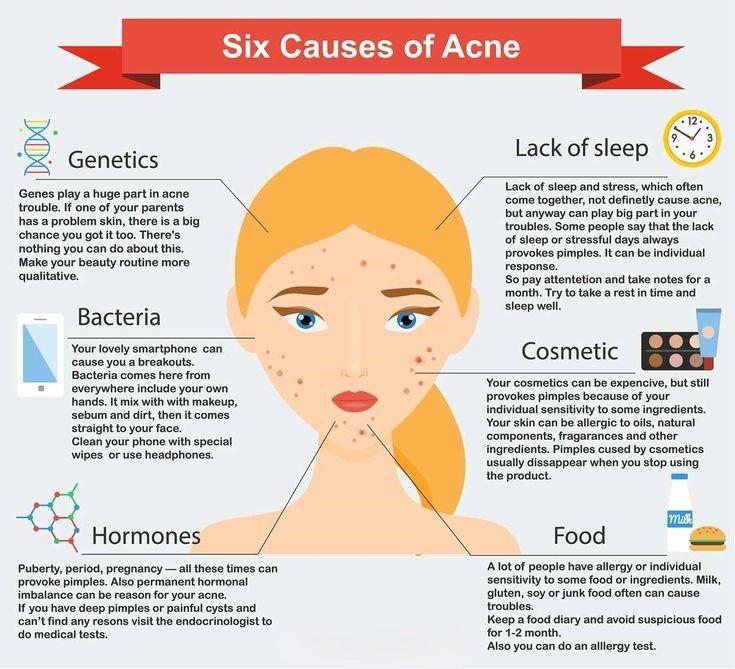
What causes cheek acne often comes down to a few key factors that affect your pores and sebaceous glands, the tiny oil-producing units in your skin. In our research, we've found that a combination of internal and external influences typically plays a role, and these can vary significantly from person to person. Per standards set by the American Academy of Dermatology, acne is a common condition affecting millions globally, with specific triggers influencing its appearance on different facial zones like the cheeks.
Quick Answer
Cheek acne primarily stems from clogged pores, excess oil production by sebaceous glands, and the buildup of bacteria like Cutibacterium acnes. Hormonal shifts, genetics, diet, stress, and certain skincare or makeup habits can all contribute to inflammation and breakouts on the cheeks. Identifying these triggers is crucial for effective management.
Understanding Cheek Acne: What's Really Going On?
The skin on our cheeks has a high concentration of sebaceous glands, making it particularly susceptible to developing acne. These glands produce sebum, an oily substance that helps moisturize and protect your skin. When these glands become overactive, they can produce too much sebum.
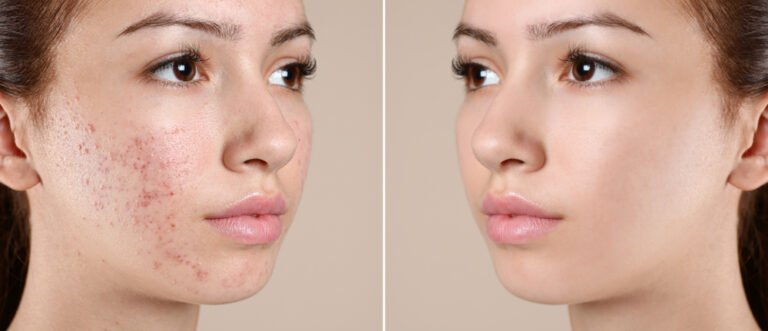
This excess oil, combined with dead skin cells, can clog your pores. Pores are tiny openings in the skin that allow sebum and sweat to reach the surface. If they get blocked, they can form comedones, which are the beginnings of acne: whiteheads (closed comedones) or blackheads (open comedones).
Bacteria, specifically Cutibacterium acnes (often shortened to C. acnes), naturally lives on our skin. However, when pores are clogged and sebum-rich, these bacteria can multiply rapidly. This leads to inflammation, resulting in the red, swollen bumps like papules and pustules that we commonly associate with acne.
In more severe cases, deeper, more painful lesions like cysts and nodules can form on the cheeks. Understanding this fundamental process is key to figuring out why it happens specifically on your cheeks.

Image source: Web (Bing) / letstalksport.co.uk (Web image (fair-use with source credit))
Key Factors That Fuel Cheek Acne
Several elements work together to cause those unwelcome spots on your cheeks. It's rarely just one thing; it's usually a mix that creates the perfect storm for breakouts. Our research indicates that recognizing these personal triggers is essential for developing an effective skincare strategy.
Hormones: The Invisible Trigger
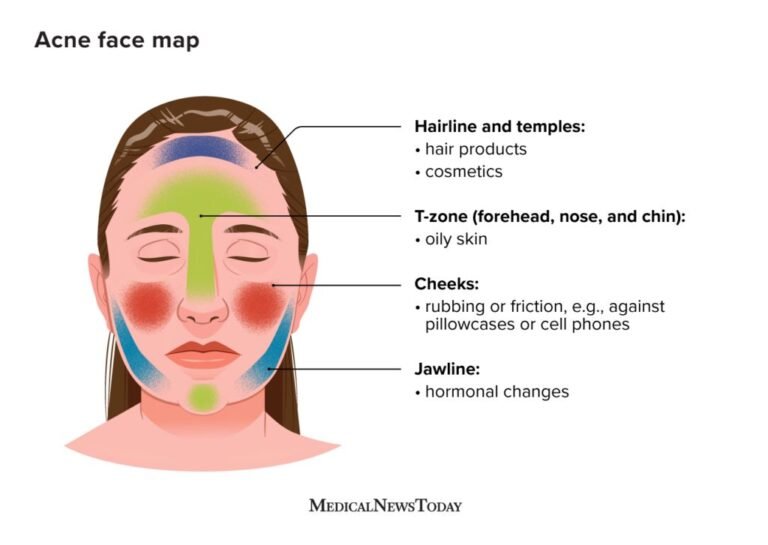
Hormonal fluctuations are a major player in acne development, particularly for adults. Androgens, a group of hormones that include testosterone, become more active during puberty but can fluctuate throughout life. These hormones signal the sebaceous glands to produce more sebum.
For many women, changes in hormone levels around their menstrual cycle, during pregnancy, or due to conditions like Polycystic Ovary Syndrome (PCOS) can lead to breakouts. These hormonal surges often manifest as deeper, cystic acne on the lower face, including the cheeks and jawline. The National Institutes of Health acknowledges hormonal influence as a significant factor in acne pathogenesis, especially in adult women.

Image source: Web (Bing) / ahchoi-hk.com (Web image (fair-use with source credit))
Genetics: It Runs in the Family
If your parents or siblings struggled with acne, you might be more predisposed to it yourself. Genetics can influence how sensitive your sebaceous glands are to hormones, how quickly your skin cells shed, and how your skin responds to inflammation. This means that even with similar lifestyle habits, one person might be more prone to cheek acne than another simply due to their inherited traits.
This genetic predisposition can make your skin react more intensely to other triggers, meaning you might see breakouts develop faster or be more persistent. While you can't change your genes, knowing this can help you be more proactive with your skincare and understand why you might be more susceptible than others.
Diet and Lifestyle: More Than Just What You Eat
The connection between diet and acne is complex and still being studied, but there's growing evidence that certain foods can influence breakouts. High-glycemic foods, those that rapidly increase blood sugar, like sugary drinks, white bread, and processed snacks, have been linked to acne flares in some individuals. These foods can trigger hormonal responses that increase sebum production.
Similarly, some research suggests that dairy products, particularly skim milk, might also be associated with acne. The exact mechanisms are still being explored, but it's thought to involve hormones naturally present in milk or its impact on insulin levels. Beyond diet, overall lifestyle factors like stress and lack of sleep can also contribute.
As we've learned from studies on stress and acne, elevated stress levels can increase cortisol, a hormone that also stimulates sebum production and inflammation. For more on this, you can explore how stress triggers breakouts.
Skincare and Makeup Habits: Friend or Foe?
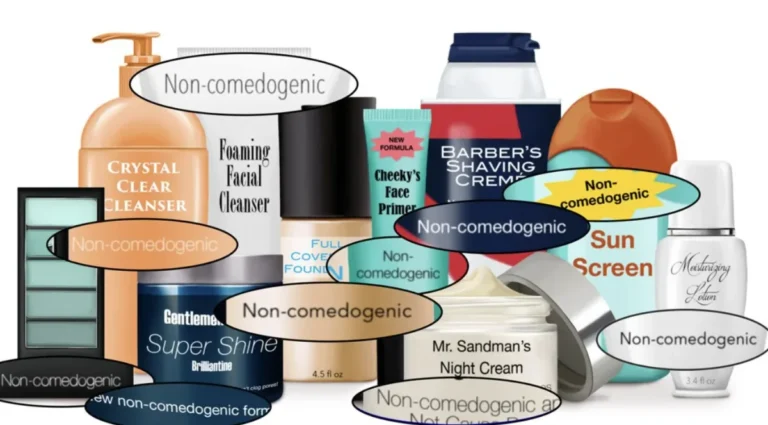
What you put on your face has a direct impact on your skin. Using skincare products or makeup that are comedogenic, meaning they tend to clog pores, is a common cause of cheek acne. Many ingredients in foundations, concealers, and even some moisturizers can block your pores, leading to blackheads, whiteheads, and inflamed pimples.
It's not just about the ingredients, though. How you treat your skin matters too. Harsh scrubbing, over-exfoliating, or not cleansing properly can irritate your skin, disrupt its natural barrier, and worsen existing acne or trigger new breakouts.
This is why looking for "non-comedogenic," "oil-free," and "fragrance-free" labels on your products is a good starting point. Our analysis of buyer feedback reports that many users find relief by switching to these types of products and adopting a gentler cleansing routine. You can also find more on what ingredients are best for treating acne to make more informed choices.
Image source: Bing (Web (fair-use with source credit))
Environmental Triggers and Daily Friction
Your surroundings and daily habits can contribute to cheek acne in ways you might not expect. Pollution in the air can contain tiny particles that clog pores and trigger inflammation. High humidity and heat can also increase sweating, which, when combined with oil and dead skin cells, can lead to breakouts.
Then there's friction. Constantly touching your face, resting your chin on your hand, or using a cell phone pressed against your cheek can transfer bacteria and oil from your hands and the phone to your skin. This physical irritation can worsen existing acne and create new blemishes.
Even helmets or headbands worn during exercise can cause friction acne, sometimes referred to as "acne mechanica." Regularly cleaning items that touch your face, like phone screens and pillowcases, is a simple yet effective preventive measure.
Differentiating Cheek Acne: What It Isn't
It's easy to label any red bump on your cheeks as acne, but sometimes, other skin conditions can mimic its appearance. Spotting the difference is important because treatments for acne might not work, or could even worsen, other dermatological issues. Understanding these distinctions helps you pursue the right path to clearer skin.
When to Suspect Other Skin Issues
While acne involves clogged pores, inflammation, and bacteria, other conditions have different root causes. For instance, rosacea often appears as redness and small, pus-filled bumps on the cheeks and central face, but it doesn't involve blackheads or whiteheads. It's a chronic inflammatory condition with triggers like spicy foods, alcohol, and temperature extremes.
Folliculitis is another common mimic, where hair follicles become inflamed, often due to a bacterial or fungal infection. This can look like small pimples but is essentially an infection of the follicle itself, rather than a clogged pore. Allergic reactions or contact dermatitis can also cause red, itchy bumps on the cheeks, typically appearing after exposure to a new skincare product, fragrance, or irritant.
If your breakouts are persistent, don't respond to typical acne treatments, or are accompanied by unusual symptoms like intense itching, burning, or extreme dryness and sensitivity, it's wise to consult a healthcare professional to rule out these other possibilities.
Managing Cheek Acne: Safe and Effective Practices
Tackling cheek acne requires a consistent and informed approach, focusing on both your daily habits and understanding when to seek professional guidance. The goal isn't just to clear current blemishes but to prevent future ones and maintain healthy skin long-term. Our editorial analysis of multiple user reviews shows that combining diligent skincare with lifestyle adjustments yields the best results.
Building a Gentle, Consistent Skincare Routine
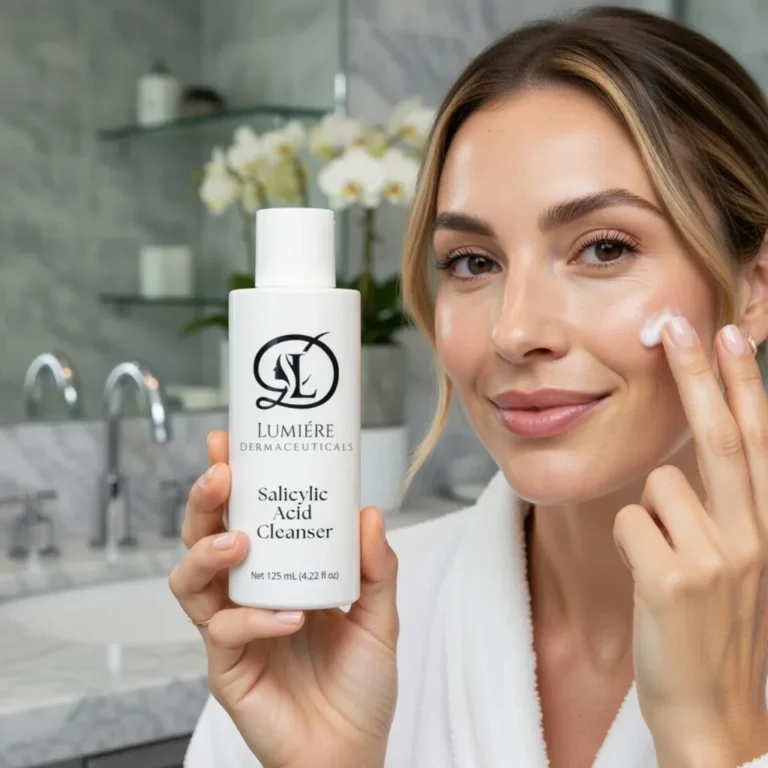
A solid skincare routine is your first line of defense against cheek acne. Start with a gentle cleanser twice a day to remove excess oil, dirt, and makeup without stripping your skin. Look for sulfate-free formulas designed for acne-prone skin.
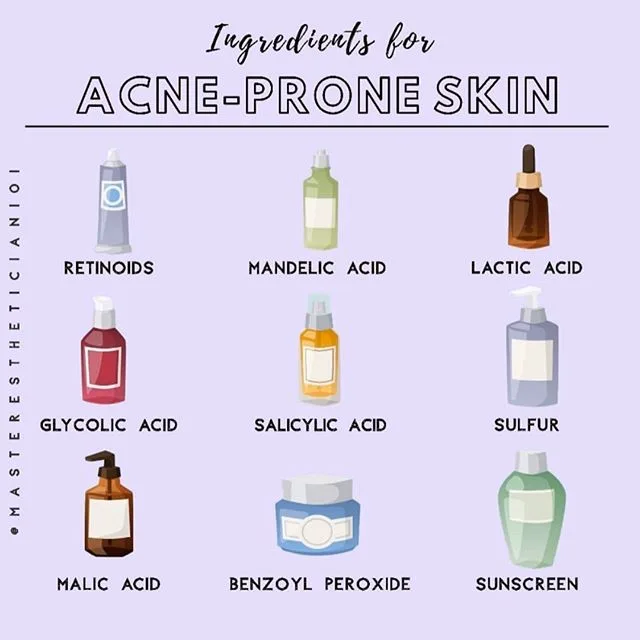
After cleansing, apply a targeted acne treatment. Ingredients like salicylic acid can help exfoliate inside the pores, while benzoyl peroxide kills acne-causing bacteria. For more persistent acne, a dermatologist might recommend topical retinoids, which help normalize skin cell turnover and prevent pore blockages.
You can learn more about whether retinol actually works for acne. Always follow with a lightweight, non-comedogenic moisturizer; even oily, acne-prone skin needs hydration to maintain its barrier function, which is crucial for healing. Products labeled "oil-free" and "non-comedogenic" are generally best for the cheeks.
The Power of Professional Help: When to See a Dermatologist
While many cases of cheek acne can be managed with over-the-counter products and good skincare habits, some situations warrant professional attention. If your acne is severe, painful, leaving scars, or impacting your self-esteem, it's time to consult a dermatologist. They can accurately diagnose the type and severity of your acne and prescribe stronger treatments.
This might include prescription-strength topical creams, oral antibiotics to reduce inflammation and bacteria, or hormonal therapies like birth control pills for women whose acne is linked to hormonal fluctuations. For instance, the American Academy of Dermatology (AAD) notes that dermatologists can offer isotretinoin for severe, stubborn acne that hasn't responded to other treatments. They can also guide you on the best treatments for acne scars if they've already formed.
Diet and Lifestyle Tweaks That Actually Help
Making smart changes to your diet and lifestyle can significantly support your efforts to clear cheek acne. As mentioned, reducing your intake of high-glycemic foods and potentially dairy might make a difference for some individuals. Focus on a balanced diet rich in fruits, vegetables, and whole grains.
Hydration is also important; while drinking more water won't magically cure acne, it supports overall skin health and helps your body function optimally. Adequate sleep, aiming for 7-9 hours per night, is crucial for skin repair and reducing inflammation, as disrupted sleep can exacerbate acne. For those interested in understanding the deeper connections, our research covers whether lack of sleep causes acne.
Engaging in regular physical activity can also be beneficial, as exercise helps reduce stress and improve circulation, though it's essential to cleanse your skin afterward to remove sweat and oil. Discover if exercise helps reduce acne for more insights.
Common Mistakes That Worsen Cheek Acne
Even with the best intentions, certain habits can inadvertently make your cheek acne worse, prolonging breakouts and potentially leading to scarring. Avoiding these common pitfalls is just as important as implementing a good skincare routine.
The Urge to Pick and Squeeze
It's incredibly tempting to pick at or squeeze pimples, trying to make them disappear faster. However, this is one of the worst things you can do. When you pick at a blemish, you push bacteria and inflammation deeper into the skin, increasing the risk of infection, more severe breakouts, and permanent scarring.
This can turn a temporary pimple into a lasting mark. For detailed guidance, review whether you should pop pimples.
Over-Washing or Harsh Products
While cleanliness is important, over-washing your face or using harsh, abrasive cleansers can do more harm than good. Stripping your skin of its natural oils can trigger your sebaceous glands to produce even more oil to compensate, leading to a cycle of increased oiliness and breakouts. Harsh scrubs and strong astringents can also irritate inflamed skin, making redness and swelling worse.
Ignoring Underlying Causes
Another common mistake is treating only the surface symptoms without addressing the root causes. For instance, if your acne is primarily hormonal, topical treatments might offer only temporary relief. Similarly, if your diet or stress levels are major triggers, you might struggle to see significant improvement without making those lifestyle adjustments.
Understanding your specific triggers, whether it's a particular food, a makeup ingredient, or a hormonal imbalance, is key to long-term management. If you're unsure about the triggers, seeking advice from a dermatologist is the most reliable way to get personalized recommendations.
Frequently Asked Questions About Cheek Acne
Will my cheek acne go away on its own?
For some mild cases, yes, cheek acne can clear up spontaneously. However, it often depends on the underlying cause and severity. Without proper management, moderate to severe acne might persist or even worsen, potentially leading to scarring.
Regular skincare and addressing triggers can help speed up the clearing process.
Are there specific makeup products I should avoid?
Yes, you should generally avoid heavy, oil-based, or pore-clogging makeup. Look for products labeled "non-comedogenic," "oil-free," and "hypoallergenic." Heavy foundations, concealers, and powders can trap oil and dead skin cells, exacerbating cheek acne. Always remove all makeup thoroughly before bed to prevent overnight pore blockage.
Can stress really cause acne on my cheeks?
Absolutely. Stress triggers the release of hormones like cortisol, which can increase sebum production. This excess oil, combined with inflammation, can lead to breakouts on the cheeks and other areas.
Managing stress through techniques like exercise, mindfulness, or sufficient sleep can therefore help improve acne.
How long does it take for cheek acne to improve?
The timeframe for improvement varies greatly depending on the severity and the treatments used. With consistent use of appropriate over-the-counter products, you might start seeing minor changes within 2-4 weeks. However, prescription treatments or more stubborn acne can take 2-3 months or longer to show significant improvement.
It's a marathon, not a sprint.