Can Massage Lower Blood Pressure: Benefits And Safety Tips
Massage may briefly lower blood pressure by easing stress, relaxing muscles, and calming the nervous system.
Can massage lower blood pressure? The answer is promising but not simple. Massage may support lower readings for some people, yet it cannot replace prescribed medicine, healthy food, exercise, or medical care. This guide explains what the research suggests, which massage types may help, how to use massage safely, and when high blood pressure needs urgent attention.
Can massage lower blood pressure?
Yes, massage may lower blood pressure for a short time in some people. It may work by reducing stress, slowing the heart rate, relaxing tight muscles, and supporting the body’s “rest and digest” response.
Blood pressure is the force of blood pushing against artery walls. It is shown with two numbers:
• Systolic pressure is the top number. It measures pressure when the heart beats.
• Diastolic pressure is the bottom number. It measures pressure when the heart rests between beats.
Stress can raise both numbers. When you feel tense, your body releases hormones such as adrenaline. Your heart may beat faster, and your blood vessels may tighten. Massage can help reverse part of this response.
However, the effect is often modest and temporary. Massage is best viewed as a supportive habit, not a stand-alone treatment for hypertension.
Research on massage and blood pressure has found mixed results. Some small studies show lower readings after massage, while others find little or no lasting change. Differences in massage style, session length, patient health, and study design make the results hard to compare.
How massage may affect blood pressure
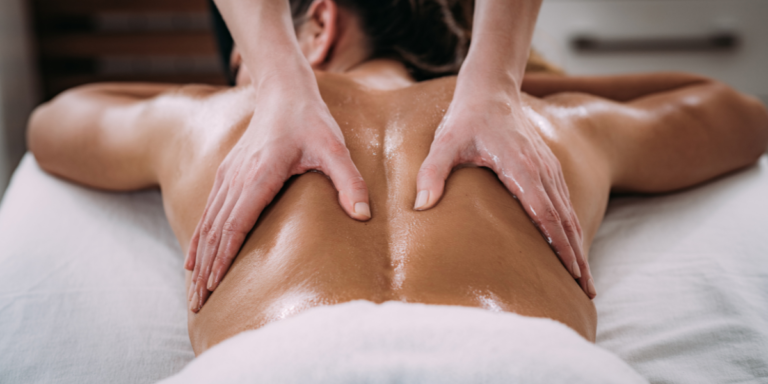
Massage does more than work on sore muscles. It may influence several systems linked with blood pressure control.
Stress relief
Stress is one of the most common reasons blood pressure rises for a short period. A quiet massage may reduce mental tension and help the body move out of “fight or flight” mode.
Slow breathing during a massage may add to this effect. When breathing becomes calm and steady, the heart may slow and the body may release less stress hormone.
Muscle relaxation
Tight muscles can add to discomfort and poor sleep. Pain and lack of sleep may both raise blood pressure. By easing muscle tension, massage may help create better conditions for rest.
This does not mean massage directly clears blocked arteries or cures hypertension. It may simply reduce some factors that push blood pressure higher.
Improved relaxation response
Massage may increase parasympathetic activity. This is the part of the nervous system that helps the body rest, digest food, and recover.
Think of it as taking your foot off the gas pedal. Your heart may not need to work as hard, and your blood vessels may relax slightly.
Better sleep
Some people sleep better after massage. Good sleep supports healthy blood pressure, blood sugar, mood, and weight control.
Still, one good night of sleep will not correct long-term hypertension. The benefit comes from consistent habits over time.
Source: drgraeme.com
What does the research say?
Studies suggest that massage may lower blood pressure in certain settings, especially when stress or pain is involved. Some research has found a small drop in systolic and diastolic pressure after several massage sessions.
The strongest pattern is not a dramatic medical effect. Instead, massage appears to offer short-term relaxation that may support overall cardiovascular health.
Several limits matter:
• Many studies include small groups.
• Massage methods vary widely.
• Some studies measure blood pressure only once after treatment.
• Participants may know they are receiving massage, which can influence results.
• Long-term evidence is not as strong as it is for exercise, weight loss, reduced sodium intake, and blood pressure medicine.
Because of these limits, experts do not recommend massage as a replacement for standard hypertension treatment. If your doctor prescribed medicine, keep taking it as directed unless your doctor changes the plan.
A useful approach is to combine massage with proven care. For example, you might use massage for stress relief while also walking most days, eating more vegetables, checking your blood pressure, and attending medical visits.
Which types of massage may help?
Can massage lower blood pressure with every technique? Not necessarily. The best choice depends on your comfort, health, and reason for seeking massage.
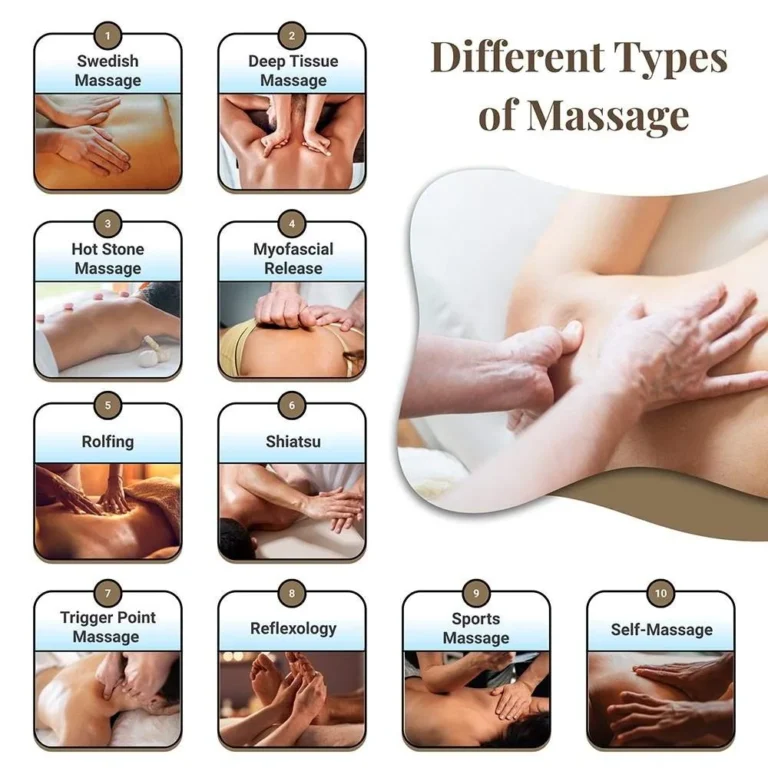
Swedish massage
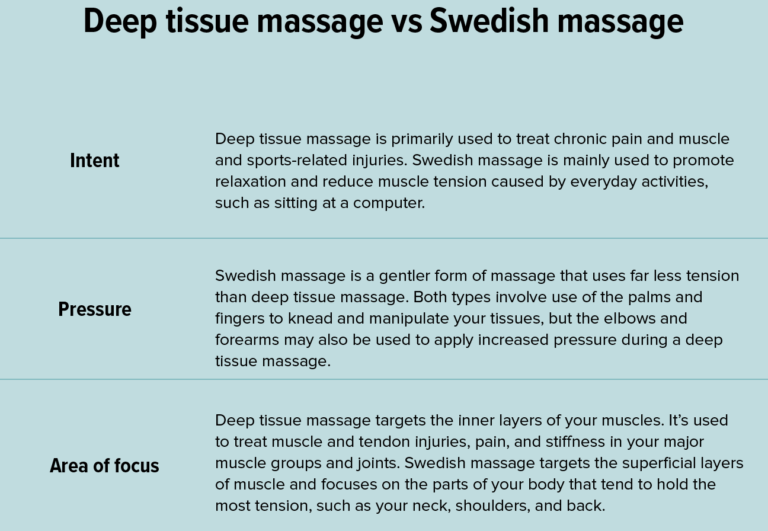
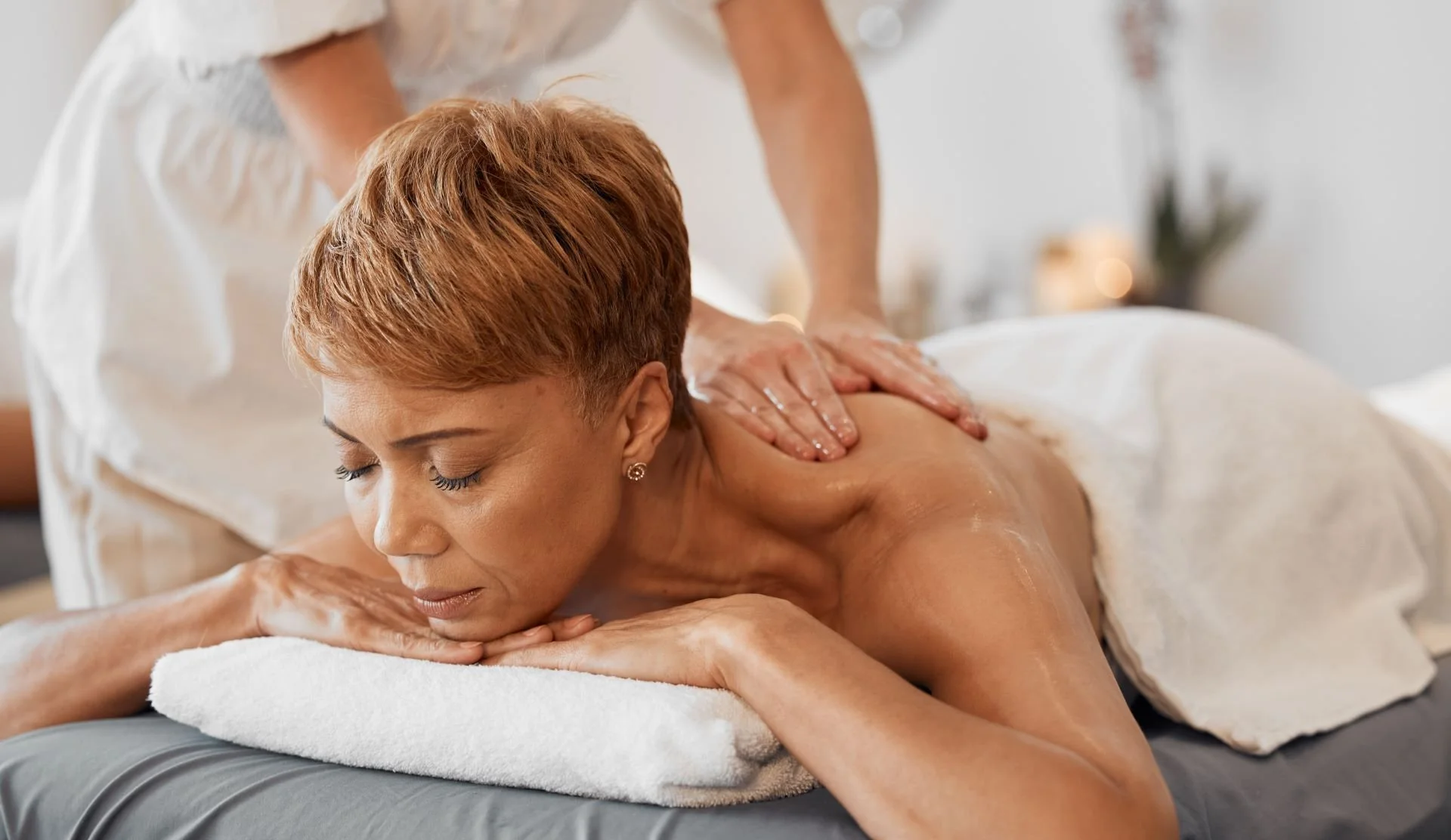
Swedish massage uses long, gentle strokes and light to moderate pressure. It is often a good starting point for people who want relaxation.
This type may be helpful when stress, mild muscle tension, or poor sleep is part of the problem. Tell the therapist if the pressure feels too strong.
Chair massage
Chair massage is usually short and focuses on the neck, shoulders, back, and arms. It can be useful during a work break or before a stressful event.
The effect may be brief because sessions are short. Even so, a calm 10-minute break may help you breathe more slowly and release muscle tension.
Gentle therapeutic massage
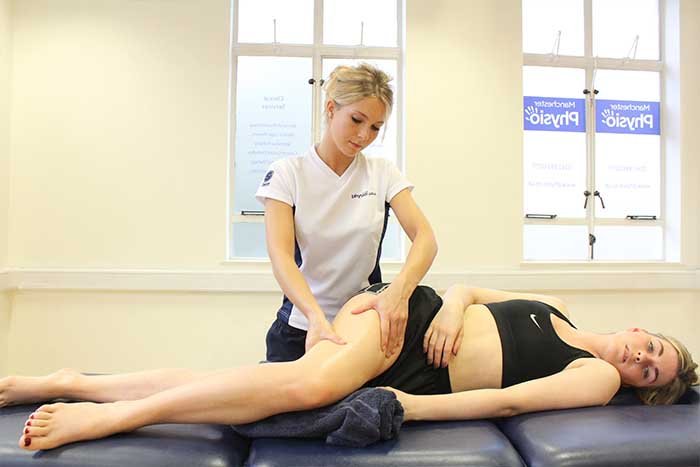
A trained therapist may use gentle techniques for pain, stiffness, or limited movement. Less pain can make it easier to sleep and stay active.
Deep tissue massage is not automatically better. Very firm pressure may cause pain, bruising, or stress, especially in people who take blood thinners.
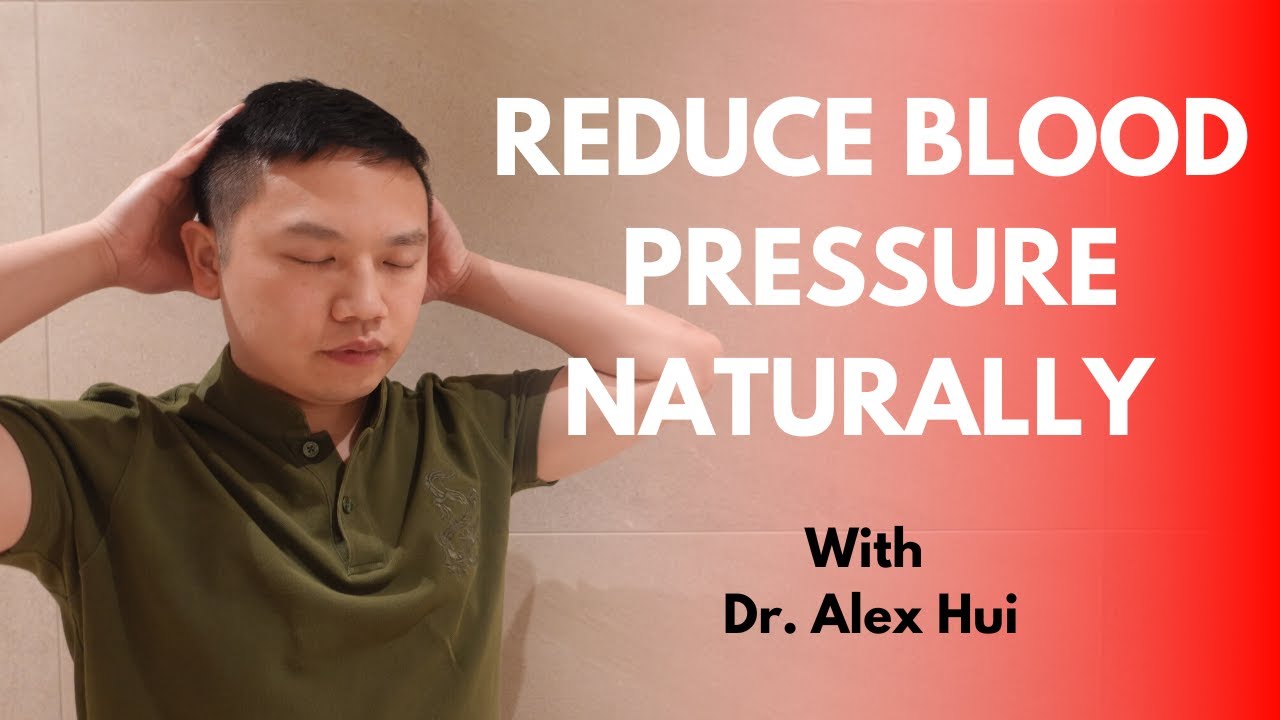
Foot or hand massage
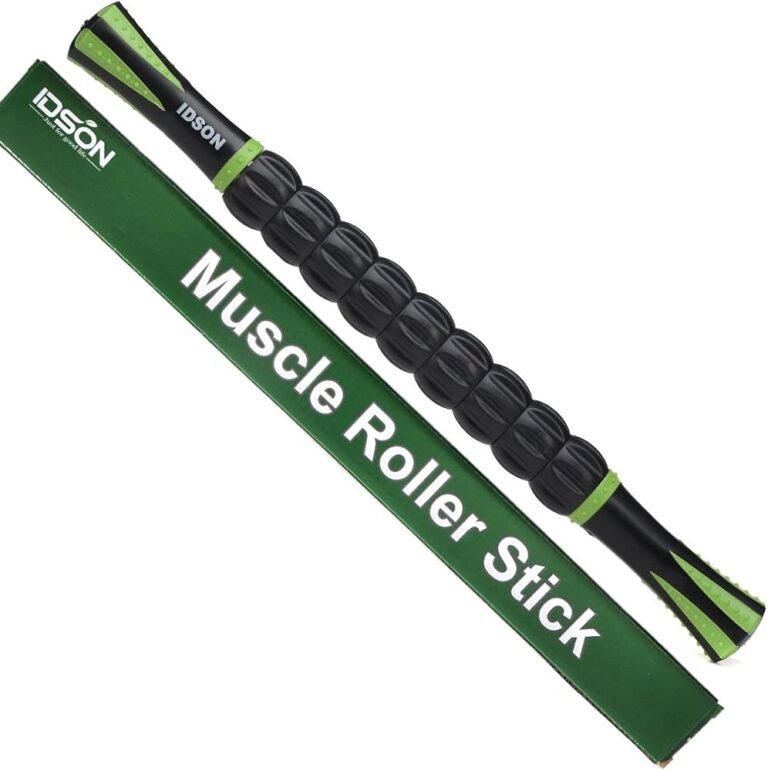
Foot and hand massage may help some people relax. It is also easier to use at home with a partner or a massage tool.
Avoid pressing hard over swollen, bruised, numb, or injured areas. Stop if you feel sharp pain, dizziness, nausea, or unusual weakness.
Source: youtube.com
How to use massage safely for blood pressure
If you want to try massage, use it as a calm and measured experiment. Do not expect one session to fix a high reading.
Follow these steps:
- Check your blood pressure when you are calm. Sit quietly for five minutes first.
- Book a licensed massage therapist when possible. Share your medical history and current medicines.
- Choose gentle or moderate pressure. Tell the therapist to reduce pressure if you feel pain.
- Drink water as usual, but do not force large amounts before or after massage.
- Rest for several minutes after the session.
- Recheck your blood pressure later, not immediately if you feel relaxed or sleepy.
- Record the date, time, reading, symptoms, and massage type.
Use the same arm and a validated home monitor when checking your readings. Avoid caffeine, exercise, smoking, and heated baths for about 30 minutes before measuring.
A single reading can mislead you. Blood pressure changes throughout the day. Look for a pattern across several days rather than focusing on one number.
One practical lesson is easy to miss: do not check your pressure again and again because you feel worried. Repeated checking can increase anxiety and make the reading higher. Follow a simple schedule recommended by your health professional.
Who should avoid massage or ask a doctor first?
Massage is not safe for everyone. Speak with a health professional before booking a session if you have:
• Uncontrolled or very high blood pressure
• A recent heart attack, stroke, or major surgery
• A blood clot or a history of deep vein thrombosis
• Severe heart failure
• A bleeding disorder
• Use of blood-thinning medicine
• Varicose veins with pain or swelling
• A fever or active infection
• Open wounds, burns, or serious skin problems
• Severe osteoporosis
• Numbness caused by diabetes or nerve disease
Pregnant people should choose a therapist trained in prenatal massage. Certain positions and pressure points may not be appropriate during pregnancy.
Tell the therapist about pacemakers, cancer treatment, recent injuries, joint replacements, and allergies to oils or lotions. A qualified therapist can adjust the session or advise you to seek medical clearance.
Stop the massage and seek help if you develop chest pain, severe shortness of breath, fainting, sudden weakness, confusion, or a severe headache.
Source: drgraeme.com
Can massage replace blood pressure medicine?
No. Massage cannot replace blood pressure medicine unless your prescribing clinician tells you to stop or change treatment.
Hypertension often causes no symptoms. You may feel fine while high pressure slowly harms the heart, brain, kidneys, and eyes. Massage can make you feel calmer, but feeling relaxed does not prove that your blood pressure is controlled.
If you want to reduce medication, discuss it with your doctor. Stopping some medicines suddenly can cause a dangerous rise in blood pressure or other problems.
Massage may fit well beside standard care. Helpful habits include:
• Taking prescribed medicine on schedule
• Eating less sodium and more potassium-rich foods when medically appropriate
• Walking or doing other approved exercise
• Limiting alcohol
• Avoiding tobacco
• Sleeping regularly
• Managing stress
• Checking blood pressure at home
A simple example is a weekly massage combined with regular walking and a lower-sodium eating plan. The massage may help you relax, while the other habits address stronger long-term causes of high blood pressure.
How much can massage lower blood pressure?
There is no fixed number. Some people may see a small drop after a session, while others may see no change.
The response may depend on your starting blood pressure, stress level, pain, sleep, massage style, and other health conditions. A person whose reading rises mainly during stress may notice more benefit than someone with severe, long-standing hypertension.
Massage should not be used to chase a certain number. Instead, use it to support relaxation and healthy routines.
If your home readings remain at or above 130/80, discuss them with a health professional. A reading of 180/120 or higher needs careful attention. Wait five minutes and check again. If it remains that high, contact a medical professional promptly, and call emergency services if you also have chest pain, trouble breathing, weakness, vision changes, confusion, or difficulty speaking.
Can self-massage help?
Self-massage may help reduce tension, especially in the neck, shoulders, hands, or feet. It may also encourage slower breathing and a short mental break.
Try this gentle routine:
- Sit in a supported chair.
- Breathe in through your nose for four seconds.
- Breathe out slowly for six seconds.
- Rub your shoulders or hands with light pressure for five minutes.
- Stop if you feel pain, numbness, dizziness, or a racing heartbeat.
Do not press on the front or side of your neck. Avoid forceful work over arteries, swollen areas, bruises, and painful joints.
Self-massage is a relaxation tool. It is not a way to treat a dangerously high blood pressure reading.
Source: spatheory.com
Frequently Asked Questions: Can massage lower blood pressure?
Can massage lower blood pressure immediately?
Massage may cause a small, short-term drop in blood pressure by reducing stress and muscle tension. The effect varies, and it should not be relied on during a medical emergency.
Is massage safe for people with hypertension?
Many people with controlled hypertension can enjoy gentle massage. Ask your doctor first if your blood pressure is uncontrolled or if you have heart disease, a blood clot, a bleeding disorder, or another serious condition.
Should I check my blood pressure before and after massage?
You may check it before and later after massage to observe a pattern. Rest quietly before measuring, use a validated monitor, and avoid treating one reading as proof that massage has or has not worked.
Can deep tissue massage lower blood pressure better than gentle massage?
There is no strong proof that deep tissue massage works better for blood pressure. Gentle massage may be safer for many people, while deep pressure can cause pain, bruising, or stress.
Can massage cure high blood pressure?
No. Massage may support relaxation, sleep, and stress control, but it does not cure hypertension. Continue prescribed treatment and follow a complete heart-health plan.
How often should I get a massage for blood pressure?
There is no established schedule for treating blood pressure with massage. If you enjoy it, a regular session may support stress management, but your plan should also include proven lifestyle care and medical follow-up.
Conclusion
Can massage lower blood pressure? It may help some people achieve a modest, short-term reduction by easing stress, relaxing muscles, and supporting better sleep. The results are not guaranteed, and massage is not a replacement for medication or medical care.
Choose gentle pressure, work with a qualified therapist, track your readings over time, and ask a health professional about safety concerns. Use massage as one calming part of a broader heart-health plan, then explore trusted blood pressure resources or share your experience with your care team.