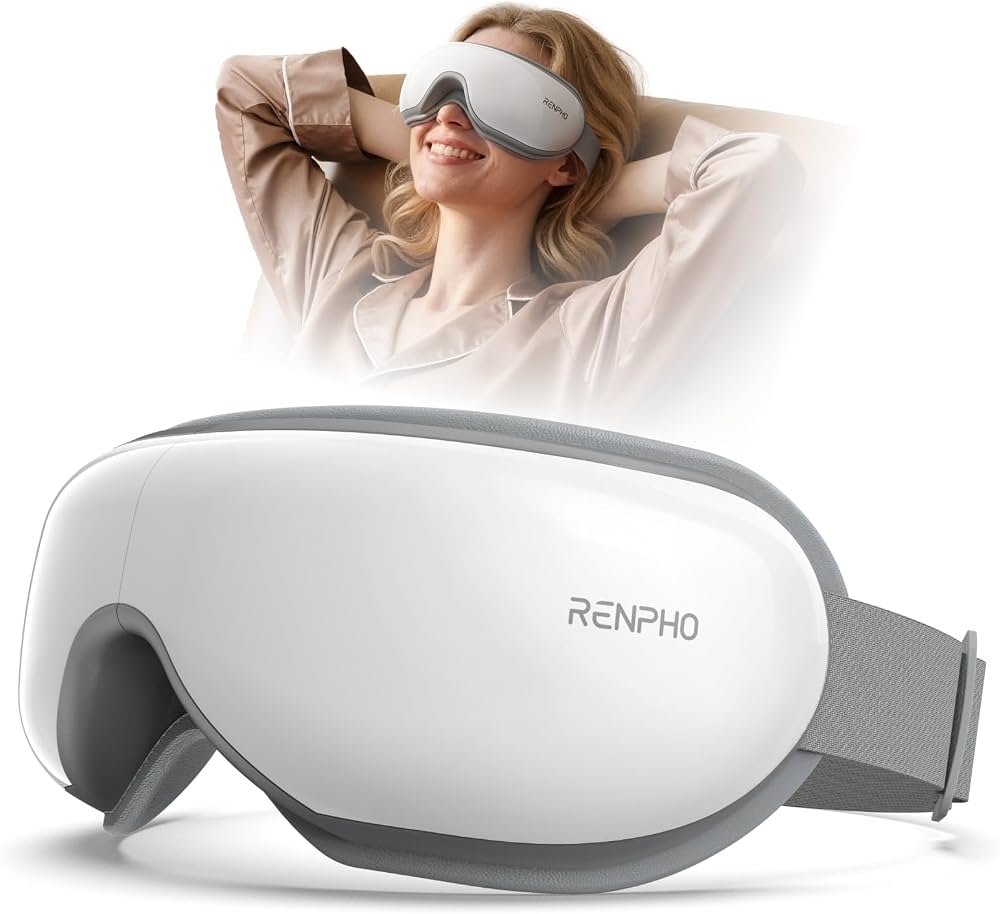
How To Use An Eye Massager: Step-By-Step Relaxation Guide
Use an eye massager on clean, closed eyes with gentle pressure for about 5 to 10 minutes.
Learning how to use an eye massager can make a short break feel like a calm reset after screen time, travel, or a long day. The key is to match the device settings to your comfort, follow the manual, and treat it as a relaxation tool—not a cure for an eye disease.
What Is an Eye Massager?
An eye massager is a wearable device that rests around the eyes and temples. Depending on the model, it may use air compression, gentle vibration, heat, sound, or a mix of these features.
People often use eye massagers to relax tired facial muscles, reduce the feeling of eye strain, and create a soothing bedtime routine. However, an eye massager cannot correct poor vision, remove the cause of chronic dry eye, or replace medical care.
When learning how to use an eye massager, think of it as a warm, gentle pause for your face. It should feel relaxing. It should never feel painful, sharp, too hot, or tight.

How to Use an Eye Massager Safely
Before you begin, read the user manual. Controls, heat levels, massage patterns, and session times can vary by brand. A safe routine is simple, but small details matter.
Follow these steps:
- Wash and dry your face. Remove makeup, creams, and oils from the eye area.
- Remove contact lenses before using the device.
- Charge the eye massager or connect it as directed.
- Sit or lie down in a safe, comfortable place.
- Place the device over your closed eyes without pressing it into your face.
- Adjust the strap so it feels secure but not tight.
- Start with the lowest heat, pressure, and vibration settings.
- Use the device for 5 to 10 minutes during your first few sessions.
- Stop at once if you feel pain, dizziness, nausea, blurred vision, or unusual pressure.
- Clean the parts that touch your skin after use.
The best way to use an eye massager is to remain still and breathe slowly. Do not walk, drive, cook, or use stairs while wearing it. Some models block your vision and may play sound, so awareness of your surroundings can be limited.

How to Prepare Before Using an Eye Massager
Good preparation improves comfort and helps you avoid common mistakes. Choose a quiet place where you can sit with your head supported. A sofa, bed, or reclining chair often works well.
If you have sensitive skin, check the fabric and padding before placing the device on your face. Look for rough seams, dust, or trapped hair. A dirty mask can irritate the skin and may spread bacteria around the eyelids.
Before you use an eye massager, also check for signs that you should wait:
• Red, swollen, or infected eyelids
• Eye discharge or crusting
• New eye pain
• A recent eye procedure or facial surgery
• A new rash near the eyes
• A severe headache with vision changes
People with glaucoma, retinal disease, uncontrolled eye pressure, recent eye surgery, or other eye conditions should ask an eye-care professional before using a heated or compressive device. People with light sensitivity, migraines, or implanted electronic devices should also review the product details and seek medical advice when needed.

How to Use an Eye Massager Step by Step
Step 1: Clean the device
Wipe the eye cushions with the cleaner recommended by the manufacturer. Do not soak an electronic device unless the manual says it is waterproof.
Allow the surface to dry fully. This simple habit protects your skin and keeps the device more pleasant to use.
Step 2: Find the correct fit
Place the center of the eye openings over your closed eyes. The device should rest on the area around the eyes, not push directly on the eyeballs.
Adjust the strap until the mask stays in place. A common mistake is making the strap too tight because it feels more secure. In practice, extra pressure can cause discomfort and leave marks on the skin.
Step 3: Select a gentle setting
Start with massage only, or choose the lowest level of heat and air pressure. Use one feature at a time if you are unsure how your body will respond.
When you learn how to use an eye massager, gentle settings are usually the best starting point. Stronger settings are not automatically better.
Step 4: Relax your face
Close your eyes and let your forehead, jaw, and shoulders soften. Try breathing in through your nose for four seconds and out for four seconds.
Do not force your eyes shut. Let the device rest naturally while the massage cycle runs.
Step 5: End the session slowly
Turn off the device before removing it. Open your eyes gradually, especially if you used heat or sound.
Give your eyes a moment to adjust to normal light. If your vision remains blurry or you feel eye pain, stop using the device and contact a health professional.

How to Use Heat, Air Compression, and Vibration
Different eye massager features create different sensations. Understanding each one can help you choose a safe setting.
Heat
Warmth may feel soothing, especially after reading or working at a screen. Use the lowest comfortable heat level first. The skin around the eyes is thin and sensitive, so it can burn more easily than skin on the arm.
Never add a heated eye massager over a topical product unless the manual allows it. Do not sleep with a heated device unless it is specifically designed and approved for that use.
Air compression
Air compression gently inflates cushions around the temples, brow, or eye area. It should feel like light pressure, not squeezing.
If air compression causes a headache, eye pain, ear discomfort, or a feeling of pressure inside the eyes, turn it off. People with certain eye conditions should ask an eye-care professional before using this feature.
Vibration
Vibration can provide a light tapping sensation. It should not make your vision shake or cause facial pain.
If you have a migraine condition, sound or vibration may trigger symptoms. Use a short session or avoid these features if they make you feel worse.
Sound
Some eye massagers include music or nature sounds. Keep the volume low enough to protect your hearing and remain aware of nearby sounds.

How Long Should You Use an Eye Massager?
Most sessions last between 5 and 15 minutes. Follow the timer and instructions for your specific product. Longer use does not guarantee better results.
For a first session, try 5 minutes. If your eyes and skin feel normal afterward, you may slowly increase the time within the manufacturer’s limit.
A practical routine may look like this:
• Use an eye massager for 5 to 10 minutes after a long work session.
• Use it once in the evening as part of a wind-down routine.
• Leave several hours between sessions if your skin feels tender.
• Stop if you develop pain, redness, swelling, or lasting blurred vision.
An eye massager can support relaxation, but it should not replace the basics of eye comfort. Take screen breaks, blink often, adjust glare, and maintain a suitable viewing distance.

Benefits and Limitations of Eye Massagers
A gentle eye massager may help you feel more relaxed. Heat and light massage can also make the area around the eyes feel less tense after close work. Some people enjoy using one before sleep because the routine encourages them to pause and reduce screen use.
Possible benefits include:
• A relaxing break from screens
• Temporary comfort for tired facial muscles
• A soothing bedtime habit
• Gentle warmth around the brow and temples
• A calm setting for slow breathing
Research on eye massagers themselves is still limited. Evidence for heat and eyelid care is stronger in specific clinical settings, such as warm compresses recommended for some forms of meibomian gland dysfunction. A consumer eye massager should not be treated as equal to a clinical treatment.
An eye massager also cannot diagnose or treat glaucoma, cataracts, infection, retinal problems, severe dry eye, or vision loss. If symptoms continue, the cause may need an eye exam rather than another massage session.

Common Mistakes to Avoid
Even a simple device can cause problems when used the wrong way. These mistakes are easy to prevent.
• Using the device over contact lenses
Contact lenses can become uncomfortable under heat or pressure. Remove them first.
• Choosing the strongest setting at once
High pressure or heat may cause pain, redness, or a headache. Start low and increase only if the manual permits it.
• Wearing the mask too tightly
A tight strap can press on the nose, temples, and skin. Secure does not mean tight.
• Using it on irritated skin
Wait until swelling, rash, infection, or broken skin has healed.
• Falling asleep with the device
A timed cycle may be safe for its stated duration, but sleeping in the device can extend heat or pressure beyond the intended use.
• Sharing the device without cleaning it
Eye-area devices touch sensitive skin. Clean the mask between users.
• Expecting instant medical results
Relaxation is a reasonable goal. Sudden vision changes or ongoing pain need professional assessment.
In hands-on product testing, one lesson appears again and again: comfort gives better feedback than intensity. If you are focused on tolerating the session, the setting is probably too strong.

How to Use an Eye Massager With Screen Breaks
An eye massager works best as part of a wider eye-care routine. It cannot undo every effect of long screen use, but it can remind you to pause.
Try the 20-20-20 habit. Every 20 minutes, look at something about 20 feet away for at least 20 seconds. Blink fully several times, and adjust your screen so it is not too bright or too close.
You can pair a short eye massager session with these habits:
- Finish a block of screen work.
- Look into the distance and blink slowly.
- Drink water if you are thirsty.
- Use the eye massager for 5 to 10 minutes.
- Return to work with lower glare and better posture.
If screen-related discomfort occurs often, consider dry air, poor lighting, uncorrected vision, or an unsuitable prescription. An eye-care professional can help find the cause.
Choosing the Right Eye Massager
The best eye massager is not always the one with the most features. Choose a model that feels easy to clean, simple to control, and comfortable around your face.
Look for:
• Adjustable pressure and heat
• A clear automatic shutoff timer
• Soft, removable, washable padding
• A strap that does not pull your hair
• A quiet motor
• A design that fits your face without pressing on the eyes
• Clear safety instructions
• A return policy from a reliable seller
People who experience migraines may prefer a model without vibration or sound. People with sensitive skin may prefer breathable, washable materials. If you wear glasses, check whether the device can fit comfortably after your glasses are removed.
Before buying, read the safety section rather than relying only on marketing claims. Words such as “detox,” “cure,” or “improve vision” can overstate what a consumer device can do.
When to Stop Using an Eye Massager
Stop using the device if you notice pain, strong pressure, burning, swelling, a rash, nausea, dizziness, or vision changes. Mild warmth can be normal, but heat should never feel sharp or uncomfortable.
Seek prompt medical care for sudden vision loss, severe eye pain, a curtain-like shadow, new flashes or many floaters, or an eye injury. These symptoms are not normal effects of an eye massager.
For milder but ongoing symptoms, arrange an eye exam. Do not keep increasing the massage time in the hope that the symptoms will disappear.
Frequently Asked Questions About How to Use an Eye Massager
Can I use an eye massager every day?
Many people can use an eye massager daily for a short session if the device manual allows it and the skin feels normal. Stop or reduce use if you develop tenderness, redness, pressure, or discomfort.
Should I use an eye massager before or after bed?
You can use an eye massager before bed if warmth, gentle pressure, or quiet sound helps you relax. Avoid using it while sleeping unless the product is specifically designed for overnight use.
Can I use an eye massager with contact lenses?
No. Remove contact lenses before using an eye massager, especially when the device uses heat or air compression. Put the lenses back in only after the session, if your eyes feel comfortable.
Does an eye massager reduce eye strain?
It may provide temporary comfort by helping you relax, but it does not fix the cause of eye strain. Screen breaks, blinking, good lighting, proper vision correction, and an eye exam may be more important for lasting relief.
Can children use an eye massager?
Check the age guidance on the product first. Children should use an eye massager only with close adult supervision and approval from a health professional when they have an eye condition.
Can I use an eye massager if I have glaucoma or had eye surgery?
Ask your ophthalmologist before using one. Heat, pressure, or vibration may not be suitable during recovery or with certain eye conditions.
How do I clean an eye massager?
Follow the manual and use a soft cloth or approved cleaner on the parts that touch your face. Keep liquid away from charging ports and internal electronics unless the device is rated as waterproof.
Conclusion
How to use an eye massager safely comes down to four habits: clean the device, remove contact lenses, begin with gentle settings, and stop when something feels wrong. Short sessions may support relaxation, but an eye massager is not a treatment for ongoing pain, infection, or vision changes.
Make it part of a wider routine that includes screen breaks, good lighting, regular blinking, and professional eye care when needed. Try one calm, five-minute session today, then share your experience or explore more evidence-based eye-care resources.