Is Salicylic Acid Or Benzoyl Peroxide Better For Acne: Why
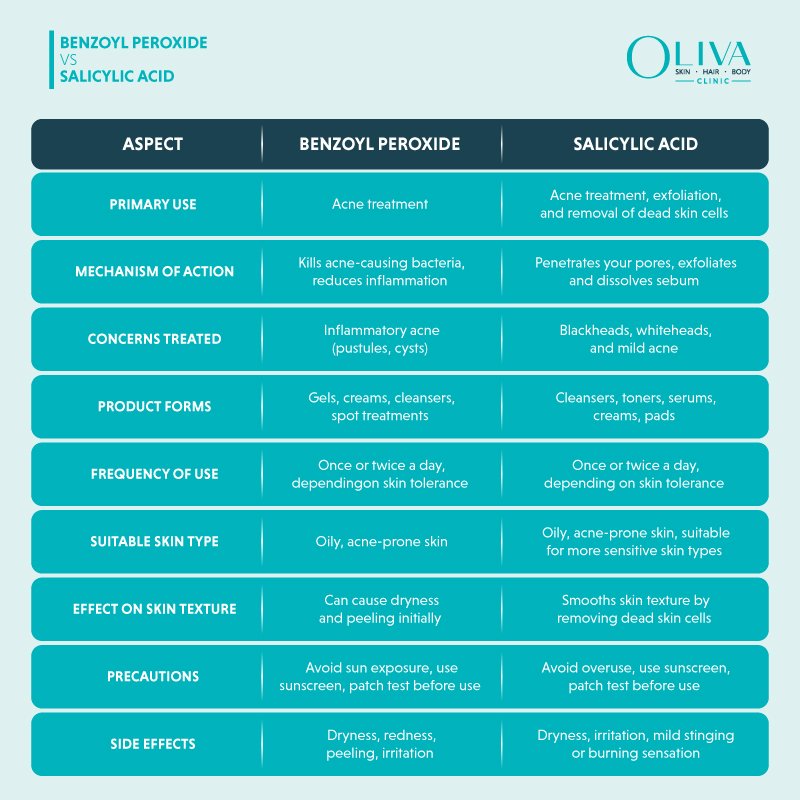
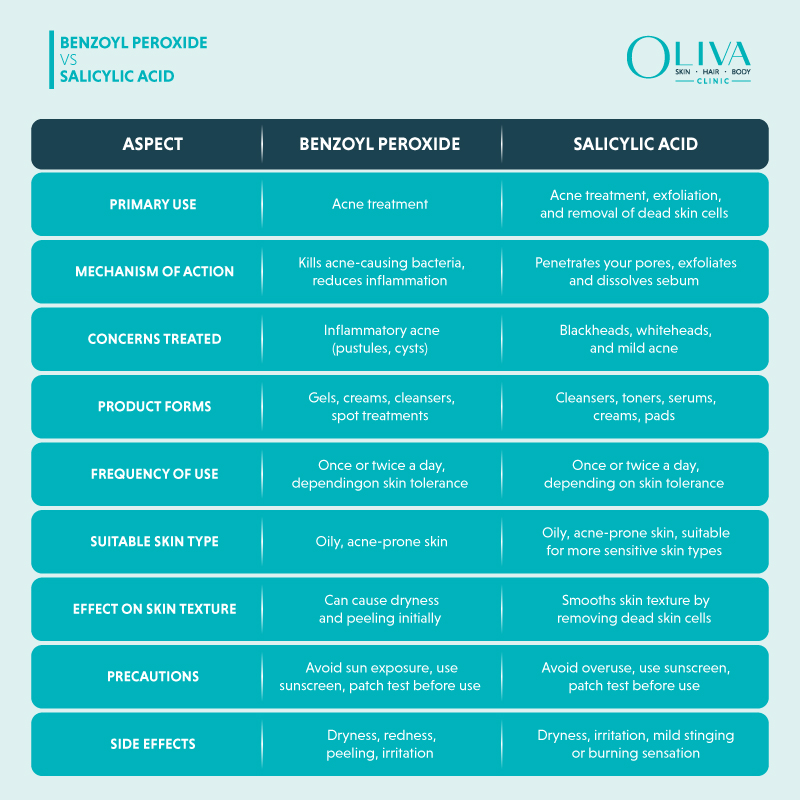
Benzoyl peroxide often works best for inflamed acne, while salicylic acid suits clogged pores.
So, is salicylic acid or benzoyl peroxide better for acne? The answer depends on your acne type, skin sensitivity, and treatment goals. Both ingredients are backed by dermatology research, but they work in different ways. This guide explains their benefits, limits, side effects, and the safest way to choose between them.
Salicylic Acid vs. Benzoyl Peroxide: The Short Answer
Salicylic acid is usually better for blackheads, whiteheads, oily skin, and clogged pores. It loosens dead skin inside pores and helps prevent new blockages.
Benzoyl peroxide is often better for red, swollen pimples. It reduces acne-causing bacteria and helps calm inflammatory breakouts.
If you have both clogged pores and inflamed pimples, you may benefit from using both. However, using them together too quickly can cause dryness, peeling, and irritation.
When asking, “Is salicylic acid or benzoyl peroxide better for acne?” think of the ingredients as different tools:
• Salicylic acid helps clear the pore.
• Benzoyl peroxide fights bacteria and reduces inflammation.
• Salicylic acid is often gentler for long-term use.
• Benzoyl peroxide may work faster on painful, red pimples.

How Salicylic Acid Works for Acne
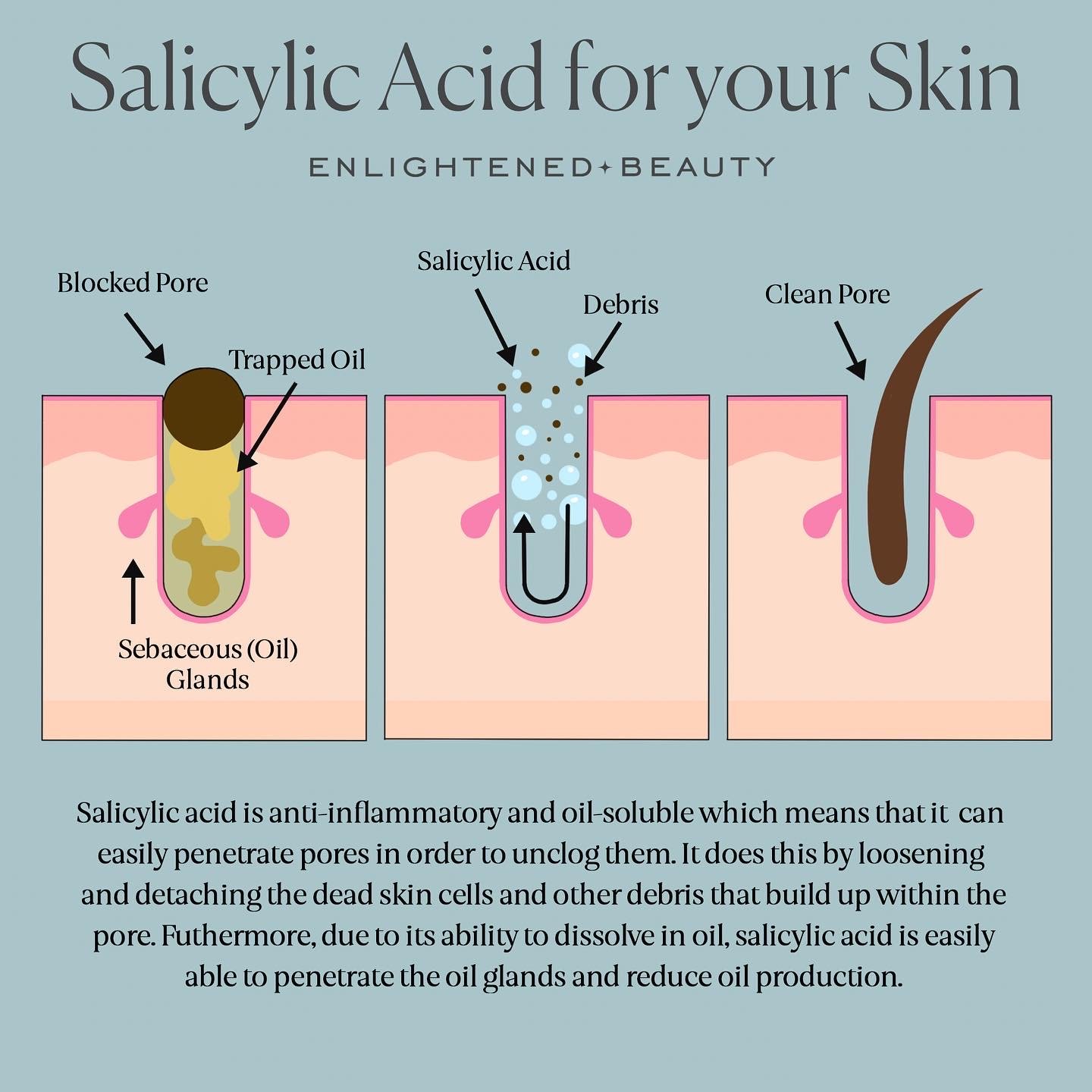
Salicylic acid is a beta hydroxy acid, also called BHA. It is oil-soluble, so it can move through sebum and reach inside the pore. This makes it useful for acne linked to excess oil and dead skin cells.
Inside the pore, salicylic acid helps loosen the “glue” that holds dead cells together. This action can reduce clogged pores, blackheads, and whiteheads. It may also help smooth rough skin texture.
Salicylic acid does not directly kill acne-causing bacteria as strongly as benzoyl peroxide. Its main role is exfoliation and pore care.
Best acne types for salicylic acid
Salicylic acid may be a good choice for:
• Blackheads
• Whiteheads
• Small bumps on the forehead
• Oily skin
• Enlarged-looking pores
• Mild acne caused by clogged pores
A cleanser with 0.5% to 2% salicylic acid is a common starting point. Leave-on products can work more deeply, but they may also cause more dryness.
Benefits and limits of salicylic acid
Salicylic acid can make skin feel smoother within a few weeks. It is also found in cleansers, gels, pads, and spot treatments.
Still, it has limits. It may not be strong enough by itself for moderate or severe inflammatory acne. Overuse can also damage the skin barrier and make redness worse.
How Benzoyl Peroxide Works for Acne
Benzoyl peroxide is an antibacterial acne treatment. It releases oxygen inside the pore, creating an environment where acne-causing bacteria struggle to survive.
This ingredient also helps remove excess oil and dead skin. Most importantly, it targets Cutibacterium acnes, a bacterium linked with inflammatory acne.
Benzoyl peroxide is available in strengths from 2.5% to 10%. Higher strength does not always mean better results. A 2.5% product can work well and may cause less irritation than stronger formulas.
Best acne types for benzoyl peroxide
Benzoyl peroxide may help with:
• Red pimples
• Pus-filled pimples
• Tender acne bumps
• Mild to moderate inflammatory acne
• Acne on the chest, shoulders, and back
It is often used as a wash for body acne or as a gel for facial breakouts. Some dermatology treatment plans combine benzoyl peroxide with a topical antibiotic to reduce antibiotic resistance.
Benefits and limits of benzoyl peroxide
Benzoyl peroxide can produce visible improvement in inflamed acne within several weeks. It may also help stop bacteria from becoming resistant to topical antibiotics.
The main drawbacks are dryness, redness, burning, and peeling. It can also bleach towels, pillowcases, clothing, and hair. Test it on a small area first, especially if your skin is sensitive.

Is Salicylic Acid or Benzoyl Peroxide Better for Acne Scars?
Neither ingredient is a direct treatment for established acne scars. However, both may help prevent new acne, which lowers the risk of future marks.
Salicylic acid may improve rough texture and mild dark marks by increasing surface cell turnover. Benzoyl peroxide may help prevent the inflamed pimples that often leave post-acne discoloration.
It is important to tell the difference between acne scars and dark spots:
• Dark spots are flat areas of color and may fade over time.
• Acne scars change the skin’s texture and may look indented or raised.
Daily broad-spectrum sunscreen is important for dark marks. Sun exposure can make post-acne discoloration last longer.

Which Ingredient Is Better for Sensitive Skin?
Salicylic acid is often the better first choice for sensitive skin, but this is not true for everyone. A low-strength cleanser used a few times per week may be easier to tolerate than a strong leave-on product.
Benzoyl peroxide can be irritating, especially when applied every day from the start. If you choose it, begin with 2.5% and use a thin layer on dry skin.
A simple routine can reduce irritation:
-
Wash with a gentle, fragrance-free cleanser.
-
Apply one acne treatment, not several new products at once.
-
Use a non-comedogenic moisturizer.
-
Apply sunscreen every morning.
-
Increase use slowly if your skin stays calm.
A common mistake is treating acne like a stain that needs scrubbing. Acne-prone skin usually responds better to steady care than harsh products.

Can You Use Salicylic Acid and Benzoyl Peroxide Together?
Yes, some people can use salicylic acid and benzoyl peroxide together. But combining them may cause too much dryness, especially during the first few weeks.
Consider using them at different times. For example, use a salicylic acid cleanser in the morning and benzoyl peroxide as a spot treatment at night. Another option is to use each ingredient on alternate days.
Do not start both products on the same day if your skin is reactive. Add one product first and give it about two to three weeks before deciding whether to add the other.
Stop or reduce use if you develop severe burning, swelling, blistering, or a rash. Those symptoms may signal irritation or an allergic reaction.
How to Choose the Right Acne Treatment
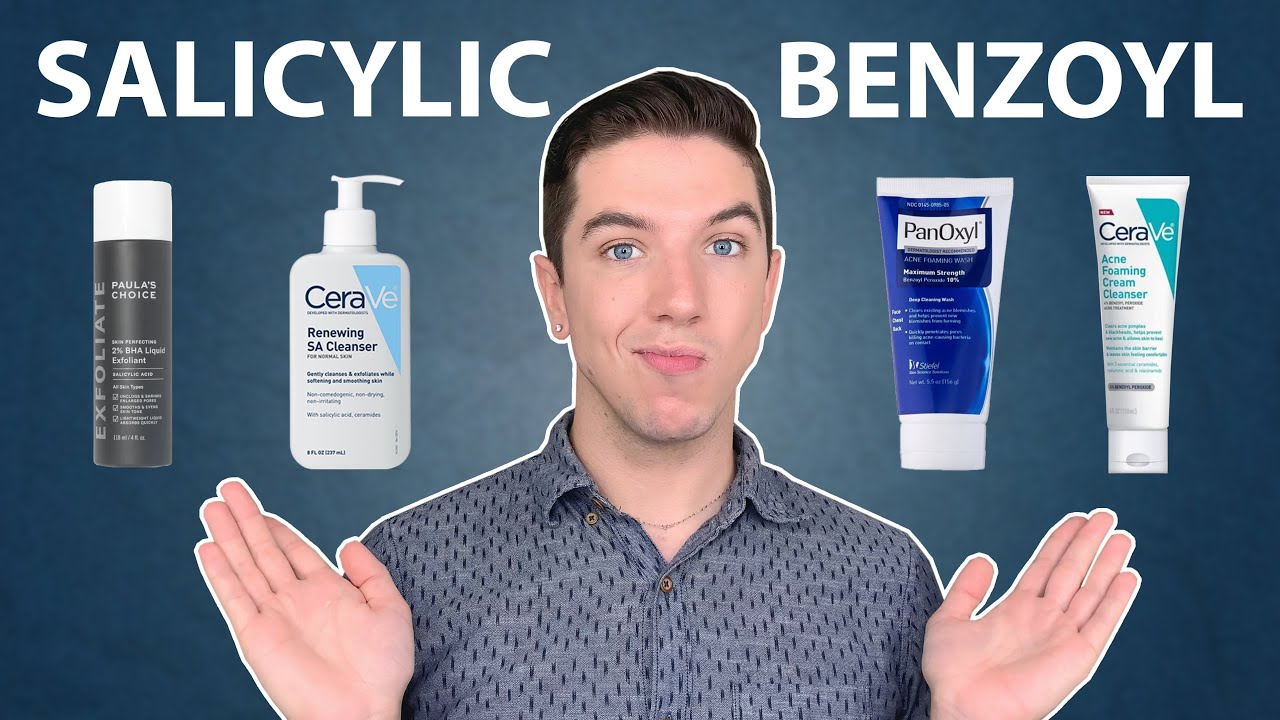
The best answer to “Is salicylic acid or benzoyl peroxide better for acne?” depends on what your breakouts look like.
Choose salicylic acid when:
• Your main concern is blackheads or whiteheads.
• Your skin is oily but easily irritated.
• You have small clogged bumps.
• You want a gentle exfoliating treatment.
• You are also managing rough skin texture.
Choose benzoyl peroxide when:
• Your acne is red, swollen, or painful.
• You often get pus-filled pimples.
• Breakouts appear on your chest or back.
• You need an ingredient that targets acne bacteria.
• You are using a topical antibiotic under medical guidance.
Consider both when:
• You have clogged pores and inflamed pimples.
• One ingredient helps only part of your acne.
• Your skin can tolerate a carefully planned routine.
If your acne is deep, painful, widespread, or leaving scars, over-the-counter products may not be enough. A dermatologist can discuss prescription retinoids, hormonal treatment, oral antibiotics, or isotretinoin when appropriate.
:max_bytes(150000):strip_icc()/is-there-a-cheaper-alternative-to-proactiv-15650-cbf01f11113349548d008bb32e004c2c-2da9b377771c470bbf01ec395ff8a38a.png)
How to Use Salicylic Acid Safely
Start with a low-strength product. A salicylic acid cleanser may be easier to control than a leave-on serum because it is rinsed away.
Use it two or three times each week at first. If your skin stays comfortable, you can slowly increase use.
Helpful tips include:
• Do not apply it to cracked or sunburned skin.
• Avoid using several exfoliating acids at once.
• Moisturize after cleansing.
• Do not scrub your face with rough brushes or grainy scrubs.
• Wear sunscreen each morning.
If your skin feels tight, shiny, sore, or unusually sensitive, reduce use. These signs often mean your skin barrier needs time to recover.
How to Use Benzoyl Peroxide Safely
Apply a thin layer to acne-prone skin rather than covering each pimple with a thick coat. More product does not usually mean faster results.
A wash can be used for body acne. Let it sit for about one minute before rinsing, unless the label says otherwise. For facial acne, a 2.5% gel may be enough.
Remember these safety tips:
• Start every other day if you have sensitive skin.
• Apply it to fully dry skin to reduce stinging.
• Use a plain moisturizer.
• Wash your hands after applying it.
• Protect colored towels and clothing.
• Avoid applying it near the eyes, lips, and nostrils.
Benzoyl peroxide may cause temporary dryness during the first few weeks. If irritation continues or becomes painful, stop using it and speak with a health professional.

Common Mistakes That Make Acne Worse
Even a good acne ingredient can fail when it is used too aggressively. Many people switch products too often because they expect clear skin in a few days.
Acne treatments usually need consistent use for several weeks. Stopping and starting can make it hard to know what helps.
Avoid these common mistakes:
• Using salicylic acid, benzoyl peroxide, retinoids, and scrubs all at once.
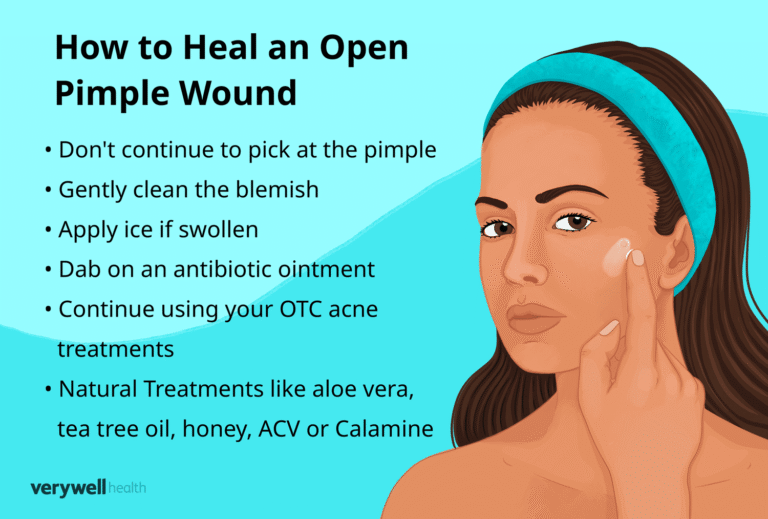
• Picking or squeezing pimples.
• Washing the face many times a day.
• Skipping moisturizer because the skin feels oily.
• Applying thick layers of treatment.
• Ignoring acne on the chest, back, or shoulders.
• Using products that clog pores or contain heavy fragrance.
In practical skin-care routines, patience is often the missing ingredient. Think of acne care like watering a plant. Small, regular steps work better than flooding the soil once a week.
When to See a Dermatologist
See a dermatologist if your acne is painful, deep, widespread, or leaving scars. You should also seek professional advice if over-the-counter treatment has not helped after about eight to twelve weeks.
Medical care may be especially important if acne affects your mood, confidence, sleep, or daily life. Acne is a medical condition, not a personal failure.
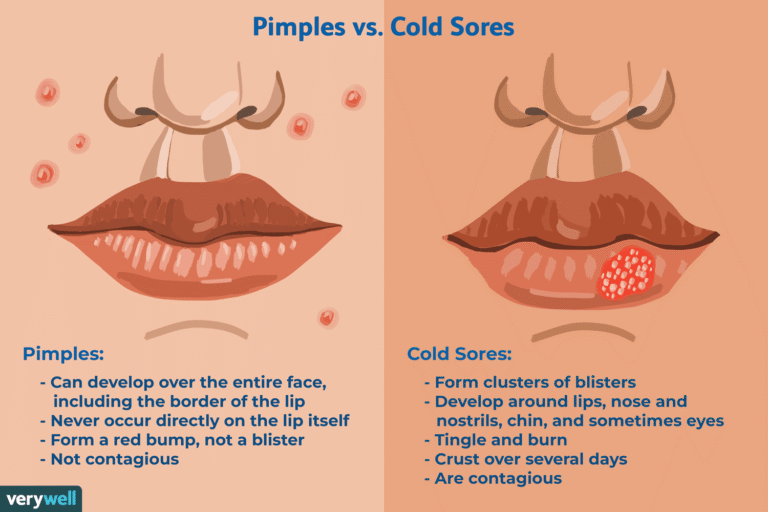
A dermatologist can check whether your bumps are truly acne. Conditions such as rosacea, folliculitis, perioral dermatitis, and keratosis pilaris can look similar but need different treatment.
Pregnant or breastfeeding people should ask a health professional before starting new acne products. Some acne medicines are not safe during pregnancy, even when they are sold without a prescription.
Frequently Asked Questions
Is salicylic acid or benzoyl peroxide better for acne?
Salicylic acid is often better for blackheads, whiteheads, and clogged pores. Benzoyl peroxide is usually better for red, swollen, or pus-filled pimples.
Can salicylic acid clear acne completely?
Salicylic acid can help prevent clogged pores and reduce mild acne. It may not control moderate or severe inflammatory acne on its own.
How long does benzoyl peroxide take to work?
Many people see early improvement in four to six weeks, but fuller results may take up to three months. Use it consistently and stop if you develop severe irritation.
Can I use salicylic acid and benzoyl peroxide on the same day?
You can, but using both at once may increase dryness and irritation. Try separate times or alternate days, and introduce only one new product at a time.
Does benzoyl peroxide make acne worse before it gets better?
Benzoyl peroxide can cause dryness, peeling, or redness at first. A true worsening of painful acne is not something to ignore, so reduce use and seek medical advice if symptoms are severe.
Is salicylic acid safe for sensitive skin?
It can be, especially in a low-strength cleanser used a few times per week. Stop or reduce use if you notice burning, swelling, or ongoing redness.
Which ingredient is better for body acne?
Benzoyl peroxide wash is often useful for inflamed acne on the chest and back. Salicylic acid may help when body bumps are mainly caused by clogged pores.
Conclusion
So, is salicylic acid or benzoyl peroxide better for acne? Salicylic acid is usually the better match for clogged pores, blackheads, and whiteheads. Benzoyl peroxide often has the advantage for red, inflamed pimples and body acne.
Start with one product, use it consistently, and give your skin time to respond. Keep the rest of your routine gentle, moisturize daily, and wear sunscreen. If acne is painful, persistent, or leaving scars, consult a dermatologist instead of relying on trial and error.


One Comment