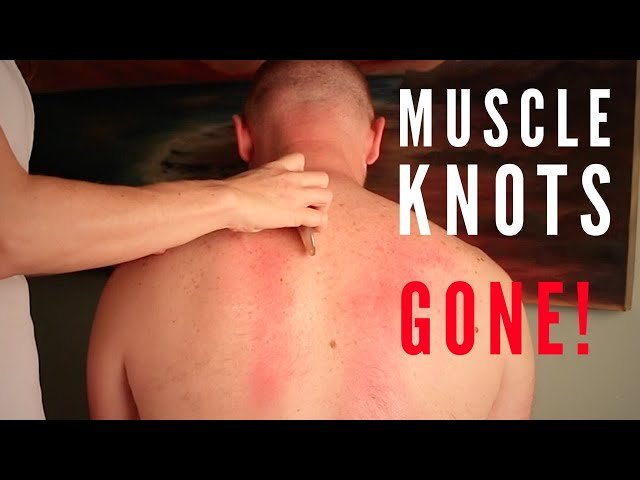
Does Massage Break Up Muscle Knots?: What Works
Massage can ease muscle knots by lowering tension, improving movement, and calming sensitive muscle tissue.
If you have a sore, tight spot in your neck, back, or shoulders, you may wonder, “Does massage break up muscle knots?” The honest answer is more nuanced than a simple yes or no. Massage can reduce pain and stiffness, but it does not literally crush or melt a knot. This guide explains what muscle knots are, how massage works, what results to expect, and when you should seek medical care.
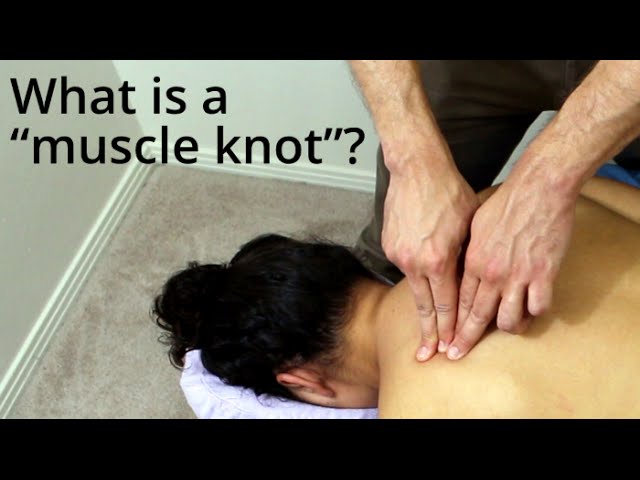
Does massage break up muscle knots?
Massage can help release a muscle knot, but “break up” is not a medical term. A knot is not a ball of waste or a clump that a therapist pushes out of your body.
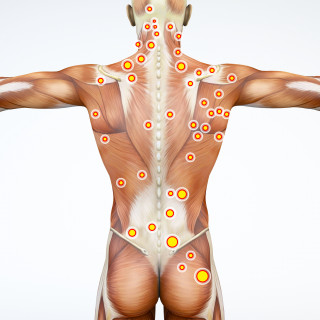
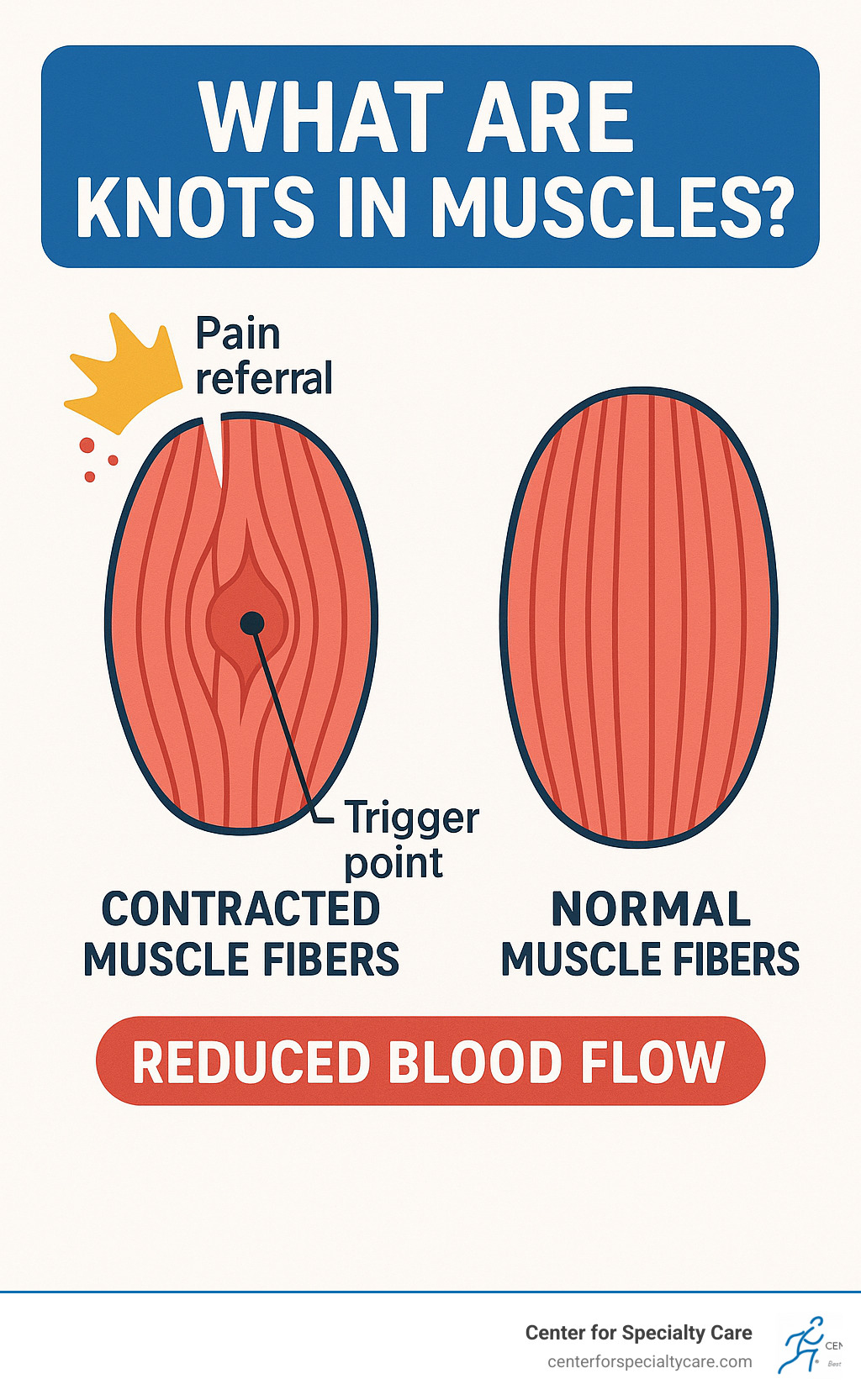
A muscle knot usually refers to a tender, tight area within muscle or connective tissue. Health professionals may call this a myofascial trigger point. It can feel like a small lump, a hard band, or a deep ache that spreads to nearby areas.
When asking, “Does massage break up muscle knots?” think of massage as a way to reduce muscle tension and pain signals. Pressure, stretching, and movement may help the area relax. They may also improve comfort and range of motion.
However, the research on trigger points is complex. Some experts debate how consistently these points can be identified by touch. Pain may also come from joint irritation, nerve sensitivity, tendon problems, stress, or an injury rather than a simple muscle knot.
Source: drgraeme.com
What causes muscle knots?
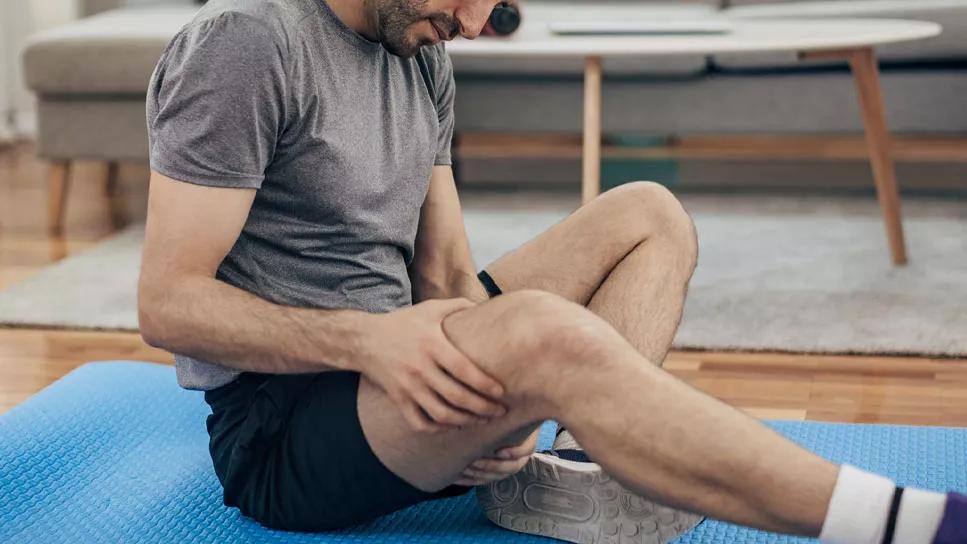
Muscle knots often develop when a muscle stays active for too long. Small areas of muscle may tighten and become less comfortable when they do not get enough rest or movement.
Common causes include:
• Sitting at a desk for many hours
• Looking down at a phone for long periods
• Repeating the same motion at work or during exercise
• Lifting weights with poor form
• Sleeping in an awkward position
• Sudden changes in training
• Stress and shallow breathing
• Dehydration or poor sleep, which may increase muscle sensitivity
For example, a person who works at a laptop may keep the shoulders raised without noticing. By the end of the day, the upper trapezius muscles can feel hard, sore, and tired.
Stress can play a role, too. When you feel tense, you may clench your jaw, lift your shoulders, or tighten your back muscles. Over time, this pattern can make normal movement feel painful.
Source: clevelandclinic.org
How does massage help muscle knots?
Massage may help in several ways. It does not need to physically force a knot apart to be useful.
It may lower muscle tension
Slow, steady pressure can encourage a muscle to relax. A therapist may use broad strokes, kneading, or gentle compression to reduce the feeling of tightness.
The pressure should feel strong but manageable. If you tense your body, hold your breath, or feel sharp pain, the pressure is likely too much.
It may change pain signals
Massage stimulates the skin, muscles, and nervous system. These signals may compete with pain signals and make the area feel less sensitive for a time.
This effect may explain why some people feel relief soon after a session. The relief may be temporary, especially if the original cause remains.
It may improve movement
A tight muscle can make nearby joints feel stiff. Massage may help you move more freely by reducing discomfort and guarding.
Better movement can then support recovery. Gentle exercise after massage often helps the results last longer than massage alone.
It may reduce stress
Relaxation is not just a comfort benefit. Stress can increase muscle tension and make pain feel worse. Massage may help calm the nervous system, which can make it easier to rest and move normally.
So, does massage break up muscle knots through one single action? Probably not. Its effects are more likely linked to changes in pain sensitivity, muscle tone, relaxation, and movement.

Source: youtube.com
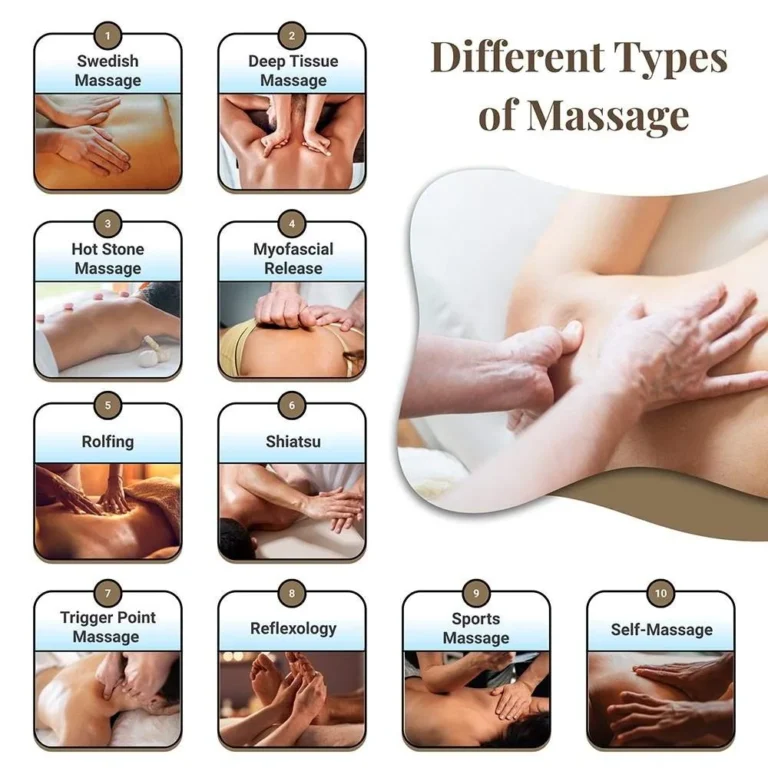
What techniques do massage therapists use?
A trained massage therapist may use several methods based on your symptoms, health history, and comfort level.
Swedish massage
Swedish massage uses long strokes, gentle kneading, and light to moderate pressure. It can support relaxation and general muscle comfort.
This style may be a good choice when your whole body feels tense. It is often less intense than focused trigger point work.
Trigger point massage
Trigger point massage uses direct pressure on a tender area. The therapist may hold the spot for a short time and then release it.
The goal is not to force the tissue open. The goal is to reduce sensitivity and help the muscle return to a more relaxed state.
Myofascial release
Myofascial techniques use slow pressure and stretching around muscles and connective tissue. The therapist may work near, rather than directly on, the painful area.
This can be helpful when direct pressure feels too intense. Pain in one spot may also come from tension in a nearby muscle.
Sports massage
Sports massage combines massage, movement, and stretching. It may help people who train often or repeat the same physical tasks.
It should not be used to push through a fresh injury. A swollen, bruised, or sharply painful area needs assessment first.
Deep tissue massage
Deep tissue massage uses firm pressure on deeper layers of muscle. More pressure does not always mean better results.
A very painful session can make the body tighten more. Effective massage should match your needs, not a fixed idea of how much discomfort you can tolerate.
Source: centerforspecialtycare.com
What does a muscle knot feel like?
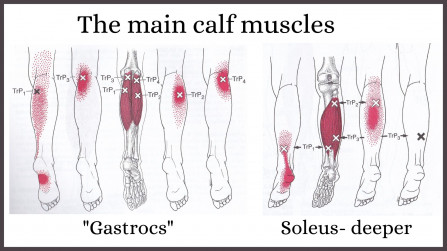
A muscle knot may feel like a firm band or tender spot inside a muscle. Pressing it can cause local pain or pain that travels to another area.
You may notice:
• A dull ache
• Tightness during movement
• Reduced flexibility
• Pain when pressing the area
• A feeling of weakness or fatigue
• Pain that spreads into the neck, shoulder, arm, hip, or back
Not every painful lump is a muscle knot. A cyst, swollen joint, nerve problem, tendon injury, or other condition can feel similar.
Pay attention to the pattern. Pain with numbness, tingling, loss of strength, fever, major swelling, or unexplained weight loss needs medical attention rather than routine massage.

Source: youtube.com
Does massage break up muscle knots permanently?
Massage may provide short-term relief, but it may not prevent the knot from returning. Long-term results depend on the cause of the muscle tension.
If your pain comes from poor desk posture, massage may help today. But the tension may return if you continue working with your shoulders raised and your screen too low.
For lasting improvement, combine massage with simple changes such as:
• Taking movement breaks every 30 to 60 minutes
• Adjusting your chair and screen height
• Building strength in weak muscles
• Stretching gently after warming up
• Improving sleep habits
• Managing training load
• Practicing slow breathing during stressful moments
• Using safe lifting and exercise form
This is why the answer to “Does massage break up muscle knots?” should include the word “temporary” in many cases. Massage can calm the problem, but daily habits often determine whether it stays calm.
Source: drgraeme.com
How to massage a muscle knot safely at home
Self-massage can help mild muscle tightness. Use a tennis ball, massage ball, foam roller, or your hands.
Follow these steps:
- Warm the area with a shower, heating pad, or gentle movement for five to 10 minutes.
- Find a tender spot that feels like muscle soreness, not sharp or electric pain.
- Apply light pressure for 20 to 30 seconds.
- Breathe slowly and keep the rest of your body relaxed.
- Move the ball slightly if the pain feels too strong.
- Stop if you feel numbness, tingling, weakness, bruising, or sharp pain.
- Finish with easy movement rather than aggressive stretching.
Do not roll directly over the front of your neck, spine, joints, open wounds, or swollen areas. Avoid pressing hard over varicose veins or areas with reduced sensation.
One common mistake is treating soreness as proof that the massage worked. Pain is not a quality score. A good session should leave the area calmer, not more irritated.

Source: youtube.com
How long does massage relief last?
Relief may last a few hours, several days, or longer. The time depends on the cause of the pain, the type of massage, your activity level, sleep, stress, and overall health.
Some people notice improvement after one session. Others need several sessions combined with exercise or physical therapy. A chronic problem may require a broader plan.
Keep a simple record of your symptoms. Note your pain level, movement, sleep, exercise, and how long relief lasts after massage. This can help you and your health professional spot useful patterns.
If every massage gives only brief relief and the same pain keeps returning, do not simply increase the pressure. Repeated pain may signal a movement problem, injury, nerve issue, or another condition that needs evaluation.

Source: brisbanephysiotherapy.com
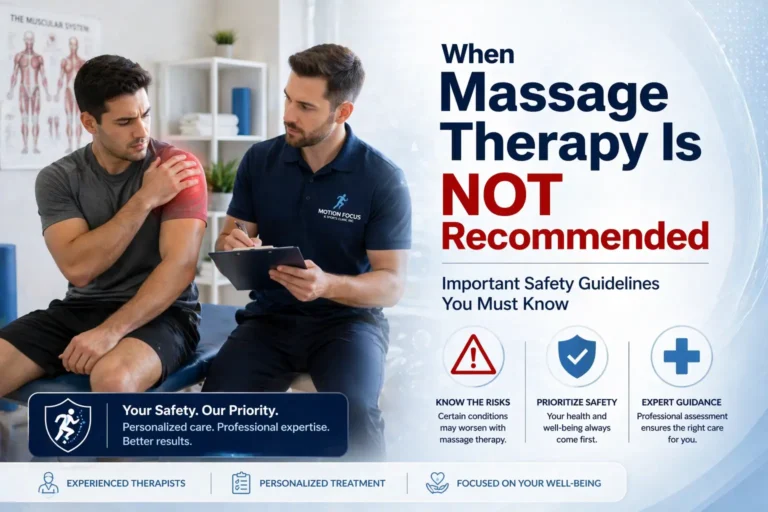
When should you avoid massage?
Massage is not right for every painful area or every person. Speak with a health professional before massage if you have a medical condition that affects healing, blood flow, sensation, or bleeding.
Use extra caution if you have:
• A recent fracture or major injury
• Severe swelling or unexplained redness
• A skin infection or open wound
• A blood clot or suspected blood clot
• Uncontrolled high blood pressure
• Advanced osteoporosis
• A bleeding disorder
• Recent surgery
• Active cancer treatment
• Numbness or loss of strength
People who take blood-thinning medicine may bruise more easily. Pregnant people should choose a therapist trained in prenatal massage and follow advice from their prenatal care provider.
Seek urgent care for sudden weakness, loss of bladder or bowel control, severe chest pain, trouble breathing, or new numbness that spreads quickly.
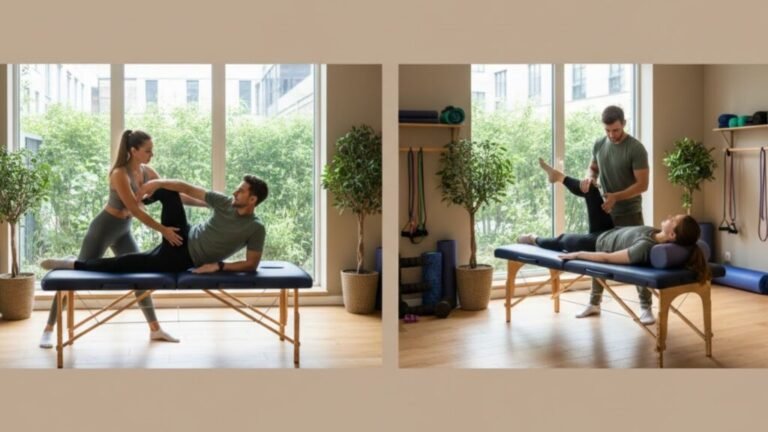
Massage versus physical therapy for muscle knots
Massage focuses mainly on comfort, relaxation, and soft tissue work. Physical therapy often includes movement assessment, strength training, mobility work, and education.
Massage may be useful when tight muscles make movement uncomfortable. Physical therapy may be more useful when the pain keeps returning or affects how you walk, lift, work, or exercise.
These services can work together. For example, massage may make it easier to move, while a physical therapist helps you correct the movement pattern that keeps causing stress.
Research on massage for pain often shows modest, short-term benefits. That does not make massage unhelpful. It means massage works best as one part of care rather than a complete cure.
A practical plan for recurring muscle knots
If a muscle knot returns often, try this simple plan for two weeks:
- Identify the trigger. Look at your posture, workout, sleep position, work setup, and stress.
- Move often. Take short walking or stretching breaks during long periods of sitting.
- Use gentle massage. Choose light to moderate pressure and stop before the area feels bruised.
- Add strength work. Build the muscles that support your posture and daily activities.
- Improve recovery. Prioritize sleep, regular meals, fluids, and rest days.
- Track changes. Record what helps and what makes symptoms worse.
- Get an assessment if symptoms persist. A licensed clinician can check for causes that massage cannot address.
In my view, the most useful lesson is to treat massage as a tool, not a magic eraser. It can open a window of comfort. Your movement habits and recovery routine help keep that window open.
Frequently Asked Questions About Does Massage Break Up Muscle Knots?
Does massage break up muscle knots immediately?
Massage may reduce pain and tightness during or soon after a session. It may not remove the underlying cause, so the knot can return if the muscle remains overloaded.
Does massage break up muscle knots better than stretching?
Massage and stretching help in different ways. Massage may reduce sensitivity, while gentle stretching can improve comfortable range of motion; using both may work better than forcing either one.
Can a massage gun break up muscle knots?
A massage gun may reduce muscle soreness and improve short-term comfort. Use the lowest helpful setting, avoid bones and joints, and stop if you feel sharp pain, numbness, or tingling.
Should a muscle knot hurt during massage?
Mild, tolerable pressure can be normal, but sharp, burning, electric, or intense pain is not a good sign. Tell the therapist to reduce pressure or stop.
How often should you get massage for muscle knots?
There is no schedule that fits everyone. Occasional massage may help mild tension, but recurring pain should also be addressed with movement, strength work, and a professional assessment.
Can dehydration cause muscle knots?
Dehydration may increase cramps or muscle discomfort, but it is not the only cause of muscle knots. Drink fluids regularly, but do not assume water alone will solve ongoing pain.
When should you see a doctor for a muscle knot?
See a health professional if pain lasts more than a few weeks, keeps returning, worsens, or comes with numbness, weakness, fever, swelling, or unexplained weight loss. These signs may point to a problem beyond ordinary muscle tension.
Conclusion
So, does massage break up muscle knots? Massage does not literally dissolve a knot, but it can lower muscle tension, reduce pain sensitivity, improve movement, and support relaxation. Its benefits may be temporary unless you also address posture, training, stress, sleep, and other causes.
Use gentle pressure, avoid painful techniques, and seek professional advice for persistent or unusual symptoms. Try a safe massage and movement routine, track your results, and explore additional evidence-based resources to make the best choice for your body.