How To Use An Eye Massager For Migraines: Safe Relief Tips
An eye massager may ease migraine symptoms through gentle pressure, warmth, and relaxation, but it cannot treat every attack.
Learning how to use an eye massager for migraines can help you build a calm, safe routine when pain, light sensitivity, or eye strain begins. The key is to use low pressure, short sessions, and realistic expectations while watching for warning signs that need medical care.
What Is an Eye Massager?
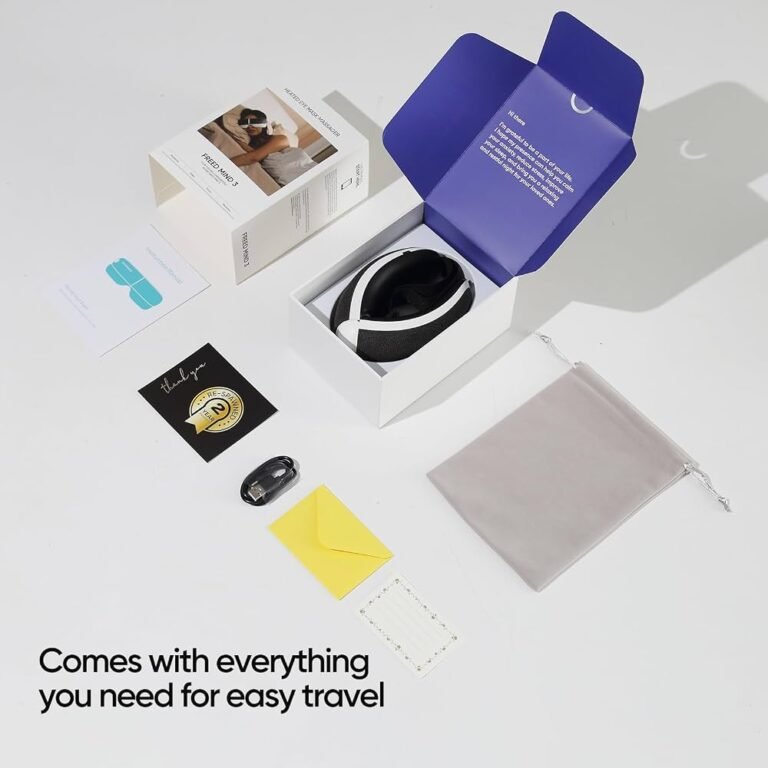
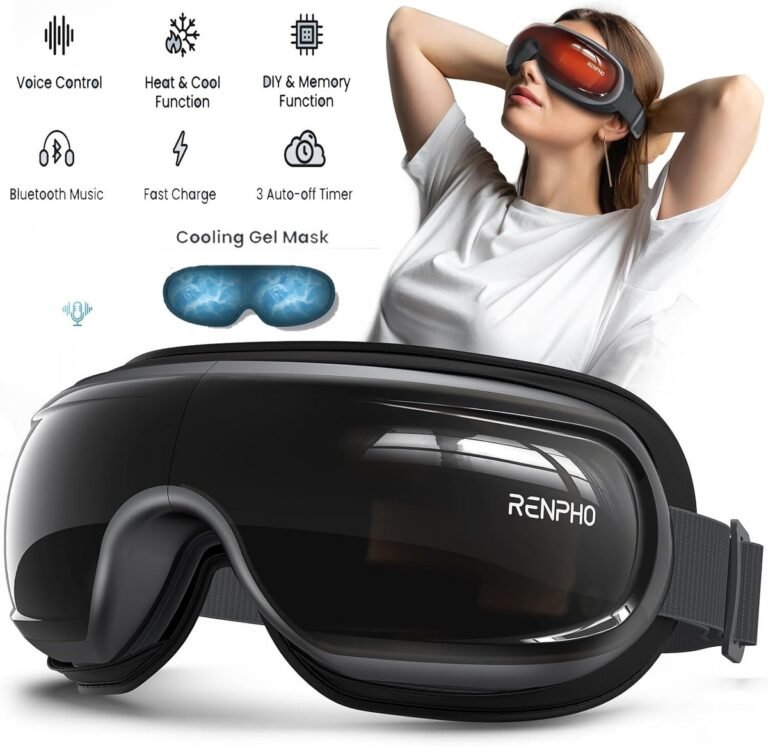
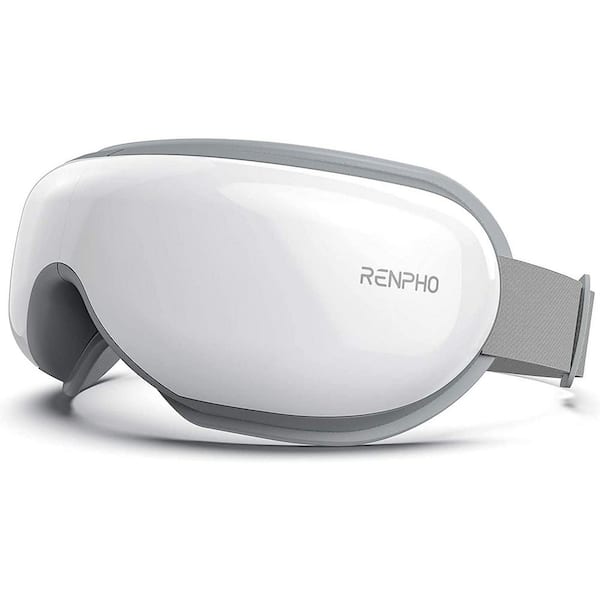
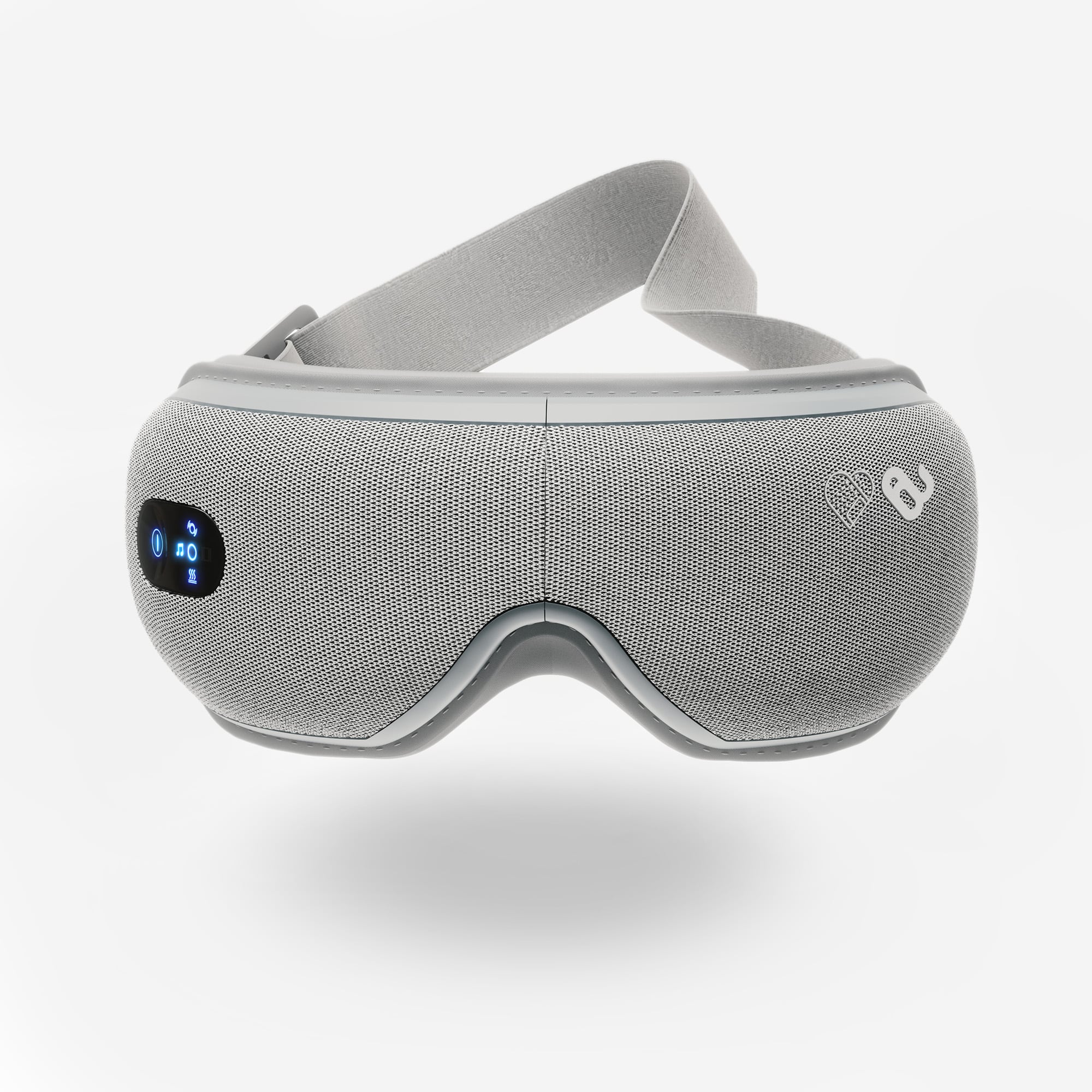
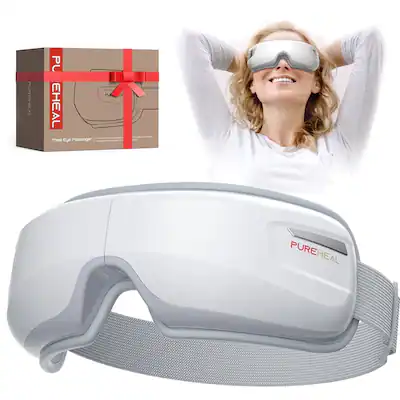
An eye massager is a small device made to rest around the eyes and upper face. Depending on the model, it may use gentle air pressure, vibration, heat, music, or a combination of these features.
When learning how to use an eye massager for migraines, it helps to know what the device can and cannot do. It may relax tight muscles around the brow, temples, and forehead. It may also reduce the stress that can make head pain feel worse.
However, an eye massager is not a cure for migraine. Research on massage and migraine care suggests that relaxation and muscle work may help some people, but evidence for consumer eye massagers remains limited. Results can vary based on the migraine type, trigger, timing, and device settings.
Can an Eye Massager Help With Migraines?
An eye massager may help with some symptoms linked to migraine, especially tension around the eyes and forehead. Warmth can feel soothing, while gentle pressure may help the face and scalp relax.
It may be most useful when your migraine is connected with:
• Eye strain from screens
• Tight forehead or temple muscles
• Stress or poor sleep
• Mild tension-type headache symptoms
• A need for rest in a dark, quiet space
Still, migraine is a neurological condition. It can include throbbing pain, nausea, vomiting, light sensitivity, sound sensitivity, and visual symptoms. An eye massager may support comfort, but it should not replace a treatment plan from a health professional.
A useful way to think about it is this: an eye massager may turn down some background tension, like lowering the volume on a noisy room. It may not switch off the migraine itself.

How to Use an Eye Massager for Migraines
Using an eye massager for migraines safely requires a gentle approach. Do not press hard or use the strongest setting simply because the pain is severe. Strong pressure may make discomfort, nausea, or dizziness worse.
1. Check the device first
Read the user guide before the first use. Look for instructions about heat, pressure, charging, cleaning, and session length.
Check that:
• The device is clean and dry
• The battery is charged
• The eye cushions are not damaged
• The heat setting is comfortable
• The device does not block your breathing
• You can remove it quickly if symptoms worsen
Never use a damaged device near your eyes.
2. Choose a calm setting
Move to a dim, quiet room. Turn off bright screens and reduce noise if possible. Sit or lie down in a safe position, but avoid falling asleep while using a heated or powered device.
If light is a migraine trigger, choose an eye massager with full coverage or use it in a dark room. If sound makes your symptoms worse, turn off built-in music or vibration.
3. Start with the lowest setting
Begin with no heat or the lowest heat level. Use the lightest pressure setting. Try the device for about 5 minutes during your first session.
If you feel calm and your symptoms do not increase, you may continue for another 5 to 10 minutes. Most people should keep a session between 10 and 15 minutes unless a health professional or the device guide says otherwise.
4. Place it gently
Position the eye massager so the cushions sit around, rather than directly on, the eyeballs. The device should feel secure but not tight.
Your nose, cheeks, and forehead should not feel pinched. Do not adjust the strap so tightly that it leaves deep marks or causes pressure behind the eyes.
5. Breathe slowly
Use slow, easy breaths during the session. Try breathing in through your nose for four seconds and out for six seconds.
This does not cure migraine, but it may help calm your nervous system. Relax your jaw, lower your shoulders, and let your forehead soften.
6. Stop if symptoms increase
Remove the device at once if you notice:
• More pain or pressure
• Blurred or double vision
• New dizziness
• Nausea that becomes worse
• Eye pain
• Numbness or weakness
• Confusion
• A feeling of panic or shortness of breath
When exploring how to use an eye massager for migraines, the most important rule is simple: comfort comes before completing the session.

Which Settings Should You Use?
The best setting depends on your symptoms and the type of device. There is no single setting that works for every migraine.
Heat
Gentle warmth may relax facial muscles and feel comforting. Yet heat can worsen symptoms for some people, especially if warmth is a personal migraine trigger.
Start with low heat for 5 minutes. Stop if your face feels hot, flushed, swollen, or more painful.
Air pressure
Air compression can feel like a soft massage around the brow and temples. Use the lowest pressure first.
Avoid high pressure if you have eye pain, recent eye surgery, glaucoma, retinal problems, or a condition that makes pressure around the eyes unsafe. Ask an eye doctor before using compression if you are unsure.
Vibration
Light vibration may help some people relax. Others find it irritating during a migraine.
Turn vibration off if it increases throbbing, nausea, sound sensitivity, or dizziness.
Music
Many eye massagers include music or nature sounds. These may help with relaxation, but sound can be a migraine trigger.
Use the device without audio if you are sensitive to noise.
Session length
Short sessions are usually a better starting point than long sessions. Try 5 to 10 minutes, then wait and notice how you feel.
Using an eye massager for migraines for too long may increase heat, pressure, or sensory overload. More time does not always mean more relief.
The Best Time to Use an Eye Massager
Some people prefer using an eye massager at the first sign of eye strain or facial tension. Others find it more useful during the recovery stage after the strongest migraine symptoms fade.
Consider trying it:
• After reducing screen brightness
• During a quiet break at work
• Before sleep, if heat does not trigger symptoms
• After drinking water and eating a light meal
• During the postdrome stage, when fatigue and tension remain
Do not delay prescribed migraine medicine while testing a device. If your clinician has given you an early treatment plan, follow that plan first.
A simple routine may look like this:
- Move to a quiet, dark room.
- Drink water if you may be dehydrated.
- Take prescribed medicine as directed.
- Set the eye massager to low pressure and low or no heat.
- Use it for 5 to 10 minutes.
- Stop and rest if symptoms get worse.
- Record what happened in a migraine diary.
A diary can show whether the device helps, has no effect, or makes attacks worse.

Eye Massager Safety Tips
Safety matters because the eye area is delicate. Even a soft device can cause discomfort when it is too tight, too hot, or used at the wrong time.
Use these precautions:
• Clean the eye cushions after use according to the manufacturer’s instructions.
• Do not share the device without cleaning it well.
• Keep the device away from water unless it is labeled water-resistant.
• Do not use it while driving or walking.
• Avoid using it over contact lenses unless the instructions clearly allow it.
• Remove glasses before use unless the device is designed for them.
• Do not place extra objects under the mask to increase pressure.
• Keep heat low, especially if you have reduced skin sensation.
• Stop if the device causes eye redness, swelling, or lasting marks.
People who should ask a health professional before using an eye massager include those with glaucoma, retinal disease, recent eye surgery, facial nerve problems, severe dry eye, uncontrolled high blood pressure, or a history of seizures triggered by sensory stimulation.
Pregnant people should also ask their clinician if they have concerns about migraine symptoms or heat-based devices. The device may not be the main issue, but new or severe headaches during pregnancy need medical advice.

When Not to Use an Eye Massager for Migraines
Avoid using an eye massager during a headache with unusual or dangerous symptoms. A device should never delay urgent care.
Seek emergency help for a sudden, severe headache that reaches maximum intensity within seconds or minutes. Also seek help for a headache with weakness, facial drooping, trouble speaking, fainting, confusion, a stiff neck, fever, or a new loss of vision.
Get prompt medical advice if:
• Your headache follows a head injury
• Your migraine pattern changes suddenly
• You have new symptoms after age 50
• One eye becomes painful and red
• You have repeated vomiting or cannot keep fluids down
• Your headache lasts much longer than usual
• You need pain medicine more often than recommended
• The device causes lasting eye pain or visual changes
These signs may point to a condition that an eye massager cannot safely address.

Common Mistakes to Avoid
Many people use an eye massager with good intentions but choose too much pressure or heat. Migraine can make the nervous system more sensitive, so extra stimulation may backfire.
Avoid these common mistakes:
Using maximum pressure
Strong compression is not proof that the device is working. It may increase pain around the brow or make the eyes feel pressured.
Using high heat
Heat can be relaxing for muscle tension, but it can also worsen a heat-sensitive migraine. Start low and skip heat if warmth feels unpleasant.
Wearing it too long
Long sessions may cause skin irritation, sweating, pressure marks, or sensory overload. Keep early sessions short.
Using it over contact lenses
Pressure can irritate the eyes and move lenses out of place. Remove lenses unless the manufacturer gives clear guidance.
Treating every headache as migraine
Not every headache is a migraine. Repeated or changing headaches deserve a proper diagnosis.
Ignoring personal triggers
If vibration, music, warmth, or pressure has triggered symptoms before, do not force yourself to use those features. Personal response matters more than marketing claims.
One practical lesson worth remembering is that comfort-based tools should feel calming, not intense. If you finish a session feeling worse, the right response is to stop, not to increase the setting.
Other Ways to Support Migraine Relief
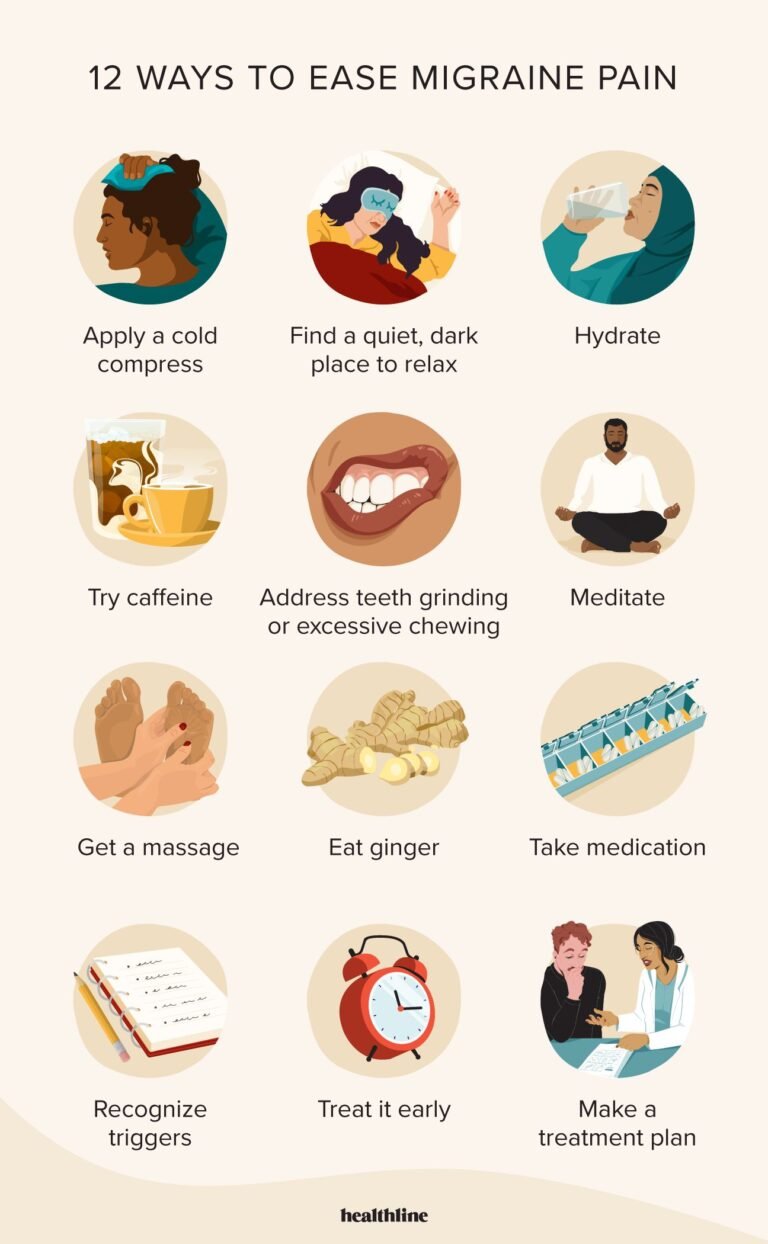
An eye massager works best as one part of a broader plan. It may pair well with simple habits that reduce common triggers.
Try:
• Resting in a dark, quiet room
• Drinking water
• Eating regular meals
• Using a cool cloth on the forehead or neck
• Limiting strong smells and bright light
• Taking screen breaks
• Keeping a steady sleep schedule
• Using prescribed medicine as directed
• Practicing slow breathing or progressive muscle relaxation
The American Migraine Foundation and other clinical groups commonly recommend tracking triggers, symptoms, medicine use, and menstrual or sleep patterns. This record can help a clinician identify patterns and improve treatment.
Do not overuse over-the-counter pain medicine. Frequent use can contribute to medication-overuse headache. A doctor or pharmacist can explain safer limits based on the medicine you use.
How to Choose an Eye Massager for Migraines
If you plan to buy one, focus on control and comfort rather than the number of features. A device with many settings is not automatically better.
Look for:
• Adjustable pressure
• Adjustable or optional heat
• A vibration-off setting
• A comfortable, washable cushion
• A simple power button
• A short automatic shutoff
• A design that does not press on the eyeballs
• Clear safety instructions
• A return policy
Avoid products that promise to cure migraine, remove all pain, or replace medical care. Those claims are not supported by strong evidence.
It can also help to test the device when you do not have a migraine. This lets you learn how it feels without making decisions during severe pain. If it causes discomfort during a calm period, it may not be a good choice during an attack.
How to Track Whether It Helps
A migraine diary can turn guesswork into useful information. Record the date, time, symptoms, device settings, and how you felt afterward.
Include:
• Pain level before and after use
• Heat, pressure, and vibration settings
• Session length
• Nausea or light sensitivity
• Medicine taken
• Sleep, food, fluids, and screen time
• Any side effects
Try the same low setting on several separate occasions. One session cannot show whether the device works for you.
If you notice a clear pattern of relief without side effects, you may keep it as a comfort tool. If symptoms often worsen, stop using it and discuss other options with a health professional.
Frequently Asked Questions About How to Use an Eye Massager for Migraines
Can an eye massager stop a migraine?
An eye massager may reduce facial tension or help you relax, but it cannot reliably stop a migraine. Use it as a comfort measure alongside your prescribed treatment plan.
How long should I use an eye massager for migraines?
Start with 5 to 10 minutes on the lowest setting. Stop sooner if you feel more pain, pressure, nausea, dizziness, or visual changes.
Is heat safe during a migraine?
Low heat is comfortable for some people, but warmth can worsen symptoms for others. Start with no heat or the lowest setting, and stop if your headache becomes stronger.
Can I use an eye massager over contact lenses?
It is usually safer to remove contact lenses first unless the manufacturer specifically says the device is suitable for use with them. Pressure and heat may irritate the eyes or affect lens position.
Can an eye massager help with eye strain headaches?
It may help relax muscles after long screen use, especially when paired with dim lighting and regular screen breaks. However, repeated headaches should be assessed to confirm the cause.
Should I use an eye massager if I have glaucoma?
Ask your eye doctor before using one. Air pressure, heat, or pressure around the eyes may not be suitable for certain eye conditions.
What should I do if an eye massager makes my migraine worse?
Remove it immediately and rest in a quiet, dark room. Seek medical care for severe, unusual, sudden, or vision-related symptoms.
Conclusion
Learning how to use an eye massager for migraines starts with gentle settings, short sessions, and careful attention to your symptoms. Low pressure, little or no heat, a quiet room, and slow breathing may make the device more comfortable for some people.
An eye massager is a support tool, not a migraine cure. Avoid it when you have eye conditions or unusual warning signs, and keep following advice from your doctor. Try a simple 5-minute session on a non-migraine day, track your response, and make an informed choice based on what your body tells you.