How Should I Apply Body Lotion?
Applying body lotion sounds like a no-brainer, right? Just squeeze and rub. But what if there's a better way to get that smooth, hydrated skin you're after?
It turns out how you apply it can make a real difference.
We're diving into the simple, smart ways to make your moisturizer work harder for you, ensuring it absorbs properly and leaves your skin feeling fantastic, not just coated. Our research confirms that proper application techniques, especially after bathing, can boost hydration efficacy. For example, manufacturer specifications for many lotions suggest application within three minutes of showering for optimal moisture retention.
Quick Answer
Apply body lotion to slightly damp skin, ideally within three minutes after showering. Warm the lotion in your hands first. Use gentle, upward strokes on arms and legs.
Focus on dry areas like elbows and knees. Allow lotion to absorb for a few minutes before dressing to prevent transfer.
When's the Best Time to Apply Lotion?
The timing of your lotion application is surprisingly crucial for how well it works. Think of your skin like a sponge; it absorbs best when it's ready.
- Immediately Post-Shower: This is prime time. Our research indicates that applying moisturizer within three minutes of bathing can significantly enhance hydration. Your skin’s pores are open and receptive, allowing the lotion’s ingredients to penetrate more effectively. Pat your skin gently with a towel, leaving it slightly damp, not bone dry.
- Before Bed: For many, a nighttime application is a good way to lock in moisture overnight. This is especially helpful if you live in a dry climate or experience dryness that worsens with air conditioning or heating.
- As Needed: Don't wait for discomfort. If you notice your skin feels tight, looks flaky, or feels rough to the touch, it’s a signal to moisturize. This proactive approach prevents dryness from becoming a more significant issue.
How to Actually Apply Body Lotion for Best Results
Getting this right means your skin actually drinks up the goodness, rather than just sitting on top. It’s a simple process that few people do perfectly.

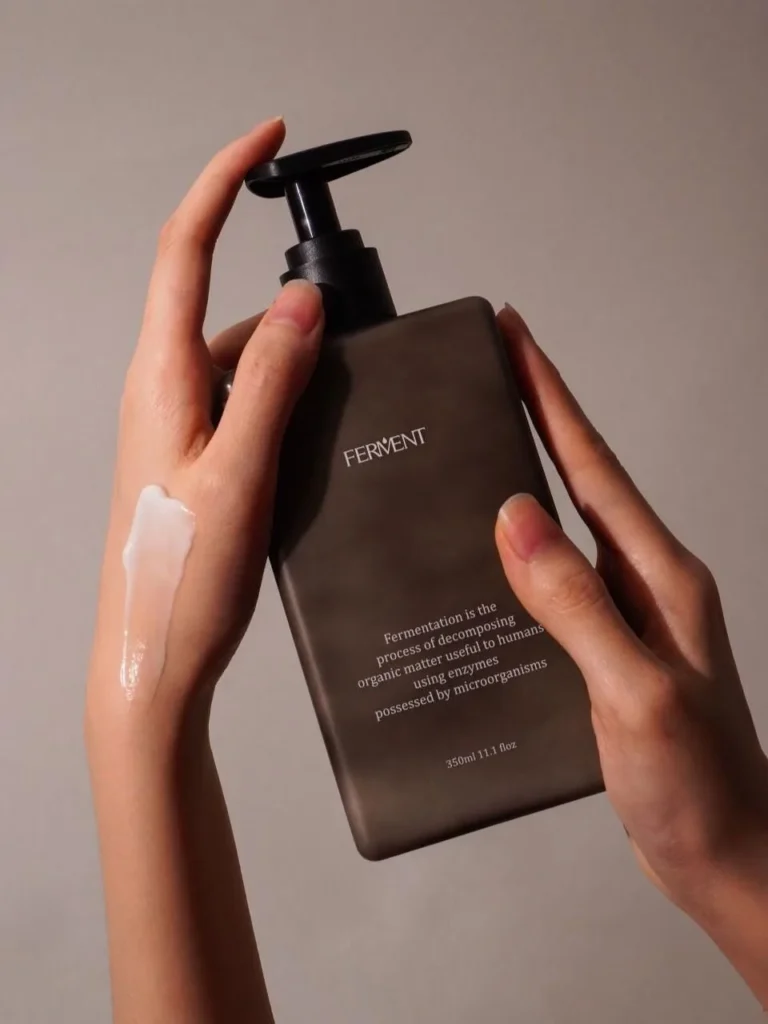
Image source: Web (Bing) / kevinashleyphotography.com (Web image (fair-use with source credit))
Warming the Lotion
This is a small step that makes a big difference. Cold lotion applied directly to the skin can be a bit of a shock and doesn’t spread as smoothly.
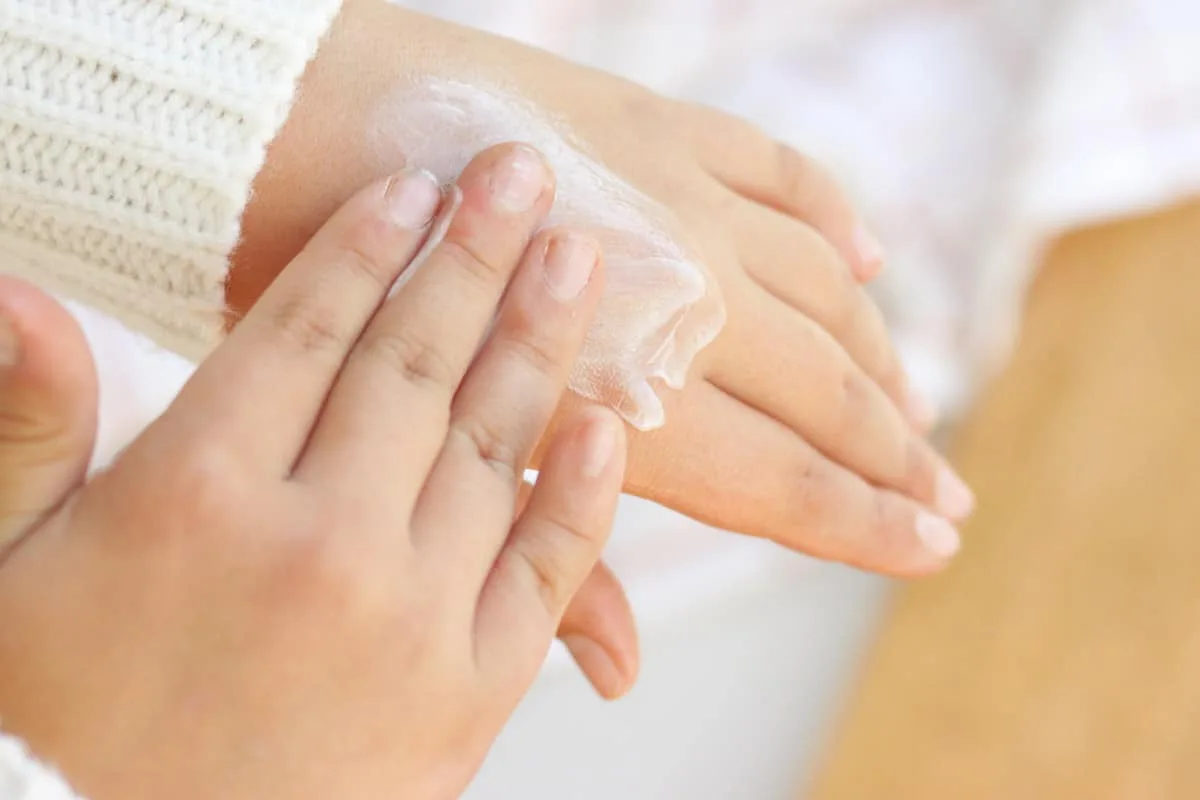
Image source: Bing (Web (fair-use with source credit))
- Squeeze a generous amount of lotion into your palm.
- Rub your hands together vigorously for about 10-15 seconds. You’ll feel the lotion warm up.
- This makes it easier to spread evenly and can feel more pleasant on your skin.
Application Technique
How you move your hands matters for both absorption and feel.
- Upward Strokes: For your arms and legs, use long, sweeping strokes that move upwards towards your heart. This technique is thought to help with circulation and feels more soothing.
- Gentle Pressure: Don't press too hard. You're not trying to scrub it in, just distribute it evenly. Let the lotion’s ingredients do the work.
- Full Coverage: Ensure you cover all areas you want to moisturize. Don't just focus on the most visible parts.
Focusing on Dry Areas
Some parts of your body naturally need more attention. Elbows, knees, and heels often get drier because they have fewer oil glands and are subject to more friction.
- Apply Extra: On these specific areas, consider applying a slightly thicker layer of lotion.
- Gentle Massage: You can gently massage the lotion into these spots for a bit longer to help it absorb.
- Consider a Targeted Product: For extremely dry or cracked heels, you might want to look into specialized foot creams that often contain higher concentrations of moisturizing agents.
Choosing the Right Lotion: A Skin Type Guide
What works wonders for one person might not be ideal for another. Understanding your skin type helps you pick the right moisturizer and apply it effectively.
For Oily or Combination Skin
If your skin tends to get shiny, especially in your T-zone, you’ll want lightweight options. Heavy creams can feel suffocating and might even lead to breakouts.
- What to look for: Gels, lotions, or serums with ingredients like hyaluronic acid, glycerin, or niacinamide. These hydrate without leaving a greasy residue.
- How to apply: Apply after cleansing. If showering, pat your skin almost dry, leaving just a hint of moisture. You can use less product overall.
- When to use: Daily, especially after washing your face or body.
For Dry or Sensitive Skin
Dry and sensitive skin needs extra care and richer formulations. The goal here is to replenish lost moisture and support the skin barrier.
- What to look for: Thicker creams or lotions containing ceramides, shea butter, colloidal oatmeal, or petrolatum. These ingredients help repair and protect the skin's natural barrier. Always opt for fragrance-free if your skin is easily irritated. Aggregate reviews indicate that products with fewer ingredients are often better tolerated by sensitive skin.
- How to apply: Apply immediately after showering while your skin is still damp. This traps that moisture effectively. You might need to reapply midday if your skin still feels dry.
- When to use: After every shower and as needed throughout the day.
For Normal Skin
If your skin doesn’t lean too oily or too dry, you have more flexibility. You can focus on texture and scent preferences.
- What to look for: A wide range of lotions, creams, or even body milks can work well. Consider what feels best for your comfort.
- How to apply: Apply after showering to lock in moisture. You can also apply it anytime your skin feels like it needs a boost.
- When to use: Daily, as part of your regular how can i protect my skin every day? routine.
Common Body Lotion Mistakes to Avoid
Even with the best intentions, a few common missteps can sabotage your lotion's effectiveness. Knowing these pitfalls helps you get the most out of your moisturizer.
- Applying to Soaking Wet Skin: While damp skin is good, skin that's dripping wet can dilute the lotion. This means the moisturizer doesn't concentrate as effectively, and you might end up using more product than necessary. Pat yourself dry first, leaving just a bit of moisture.
- Skipping Application After Shaving: Shaving can strip your skin of its natural moisture. Applying lotion afterward helps to rehydrate and soothe the skin, reducing irritation. Make sure the lotion is gentle and doesn't contain harsh exfoliants or alcohol if you've just shaved.
- Not Letting It Absorb: If you rush to get dressed immediately after applying lotion, you’ll likely transfer a significant amount of product to your clothes. This means less lotion on your skin and potentially stained fabrics. Take a few minutes to let it sink in.
- Using Expired Products: Just like other beauty products, lotions can expire. According to research on cosmetic shelf life, using expired moisturizers can lead to decreased efficacy or even skin irritation if bacteria have begun to grow. Check the product's PAO (Period After Opening) symbol, usually a small open jar with a number followed by "M" (e.g., 12M for 12 months). Can expired beauty products cause problems? https://bestacnetreat.com/can-expired-beauty-products-cause-problems/
Expert Tips for Smarter Lotioning
Beyond the basic application, a few expert-level insights can elevate your moisturizing routine. These are the small tweaks that make a big difference.
- Layer for Intensity: If you have very dry patches, consider layering. Apply a thinner, hydrating lotion first, let it absorb, then follow up with a richer cream on the targeted areas. This multi-step approach can provide deeper, longer-lasting hydration. This is a great strategy to how can i make my skin look healthier?.
- Consider the Climate: You wouldn't use the same heavy moisturizer in a humid tropical climate as you would in a dry, arid desert. Adjust your lotion’s thickness and formulation based on your environment. Lighter lotions are often sufficient in humid conditions, while thicker, occlusive products are essential in dry, cold weather.
- Don't Forget Your Neck and Chest: These areas are often exposed and can show signs of aging or dryness just like your face. Apply your body lotion upwards on your neck and décolletage to keep these areas hydrated and supple. This is part of a good what beauty habits should i develop? strategy.
- Exfoliate Regularly (But Gently): Before moisturizing, gently exfoliating your skin can help remove dead skin cells. This allows your lotion to penetrate more effectively. However, avoid harsh scrubbing right before or after applying lotion, especially on sensitive skin.
When to Seek Professional Advice
While most body lotion application is straightforward, there are times when it’s wise to consult a professional. If you’re experiencing persistent skin issues, professional guidance is key.
- Severe Dryness or Scaling: If your skin is excessively dry, cracked, or scaly, and regular moisturizing isn't helping, you might have a condition like eczema, psoriasis, or xerosis. A dermatologist can diagnose the issue and recommend prescription-strength treatments.
- Persistent Irritation or Rash: If a new lotion causes redness, itching, hives, or a rash, stop using it immediately. While it might be a simple sensitivity, it could also be an allergic reaction. A doctor can help identify the cause and suggest safe alternatives.
- Sudden Changes in Skin: Any unexplained changes in your skin’s texture, color, or appearance warrant professional attention. Dermatologists can rule out underlying health issues that might be manifesting on your skin. This is important for overall how can i keep my skin looking fresh? and health.
Frequently Asked Questions
How long should I wait after showering before applying lotion?
You should apply lotion within three minutes of showering. This timeframe allows your skin to retain maximum moisture before it evaporates. Patting your skin to leave it slightly damp is key.
Is it better to use lotion or cream?
Creams are typically thicker and more emollient, making them ideal for very dry or sensitive skin. Lotions are lighter and absorb more quickly, often better suited for oily or normal skin types, or for use in humid climates.
Can I apply lotion to sunburned skin?
Yes, but use gentle, soothing formulas. Avoid lotions with alcohol or fragrances that can further irritate sunburned skin. Aloe vera or calendula-based products are often recommended.
What are the key ingredients to look for in a good body lotion?
Look for humectants like hyaluronic acid or glycerin to attract moisture. Emollients such as ceramides or shea butter help soften the skin, while occlusives like petrolatum can seal in hydration.
Should I use different lotions for my body and face?
Generally, yes. Facial skin is often more delicate and prone to issues like acne. Body lotions can be too heavy or contain ingredients that might clog pores on the face.
Always use products specifically formulated for the face.