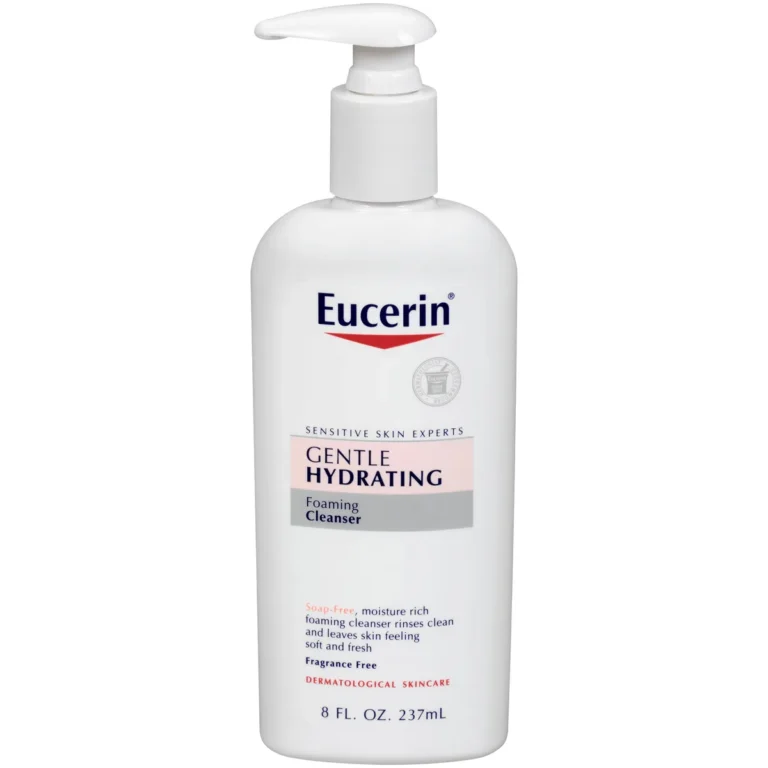
How Can I Keep My Skin Looking Fresh?
It's a common question: "How can I keep my skin looking fresh?" We all want that healthy, vibrant glow, but navigating the endless advice can feel overwhelming. The truth is, achieving and maintaining fresh-looking skin is a consistent effort that balances external care with internal well-being.
It's about building smart habits and understanding what your skin truly needs. For instance, our research shows that consistent use of sunscreen with an SPF of 30 or higher can significantly reduce visible signs of aging as documented by the American Academy of Dermatology. Let's break down how you can achieve that revitalized complexion.
Quick Answer
To keep your skin looking fresh, cleanse daily, moisturize consistently, and always wear sunscreen. Prioritize hydration from within and ensure adequate sleep. Manage stress, as it directly impacts skin health.
Understanding your specific skin type will guide product choices for the best results.
Your Personal Roadmap to Fresher Skin
Achieving that sought-after fresh complexion isn't about a single miracle product; it's more like a tailored plan. We've put together a step-by-step approach that considers your unique skin and lifestyle, helping you build routines that actually work. Think of this as your personal guide to unlocking brighter, healthier-looking skin.
Understanding What Makes Skin Look Fresh (And What Doesn't)
At its core, fresh-looking skin is healthy skin. This means it's well-hydrated, protected from damage, and functioning optimally. When skin is healthy, it reflects light better, appearing more luminous and smooth.
Key factors that contribute to this "freshness" include:
- Hydration: Both internal (drinking water) and external (moisturizers) hydration plump the skin, minimizing the appearance of fine lines and giving it a supple feel.
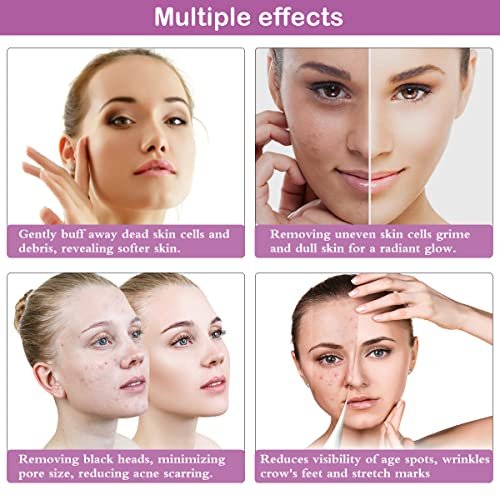
- Cell Turnover: Skin cells naturally renew themselves. Supporting this process through gentle exfoliation helps shed dull, dead cells, revealing brighter skin beneath.
- Protection: Shielding your skin from environmental aggressors like UV radiation and pollution is crucial. Damage from these elements leads to dullness, uneven tone, and premature aging.
- Balanced Oil Production: Neither too much nor too little oil is ideal. The right balance keeps skin comfortable, protected, and smooth.
- Internal Health: What you eat, how much you sleep, and your stress levels all manifest on your skin.
Conversely, things that sap skin's freshness include dehydration, over-exfoliation that strips the skin barrier, lack of sun protection, poor diet, and chronic stress.
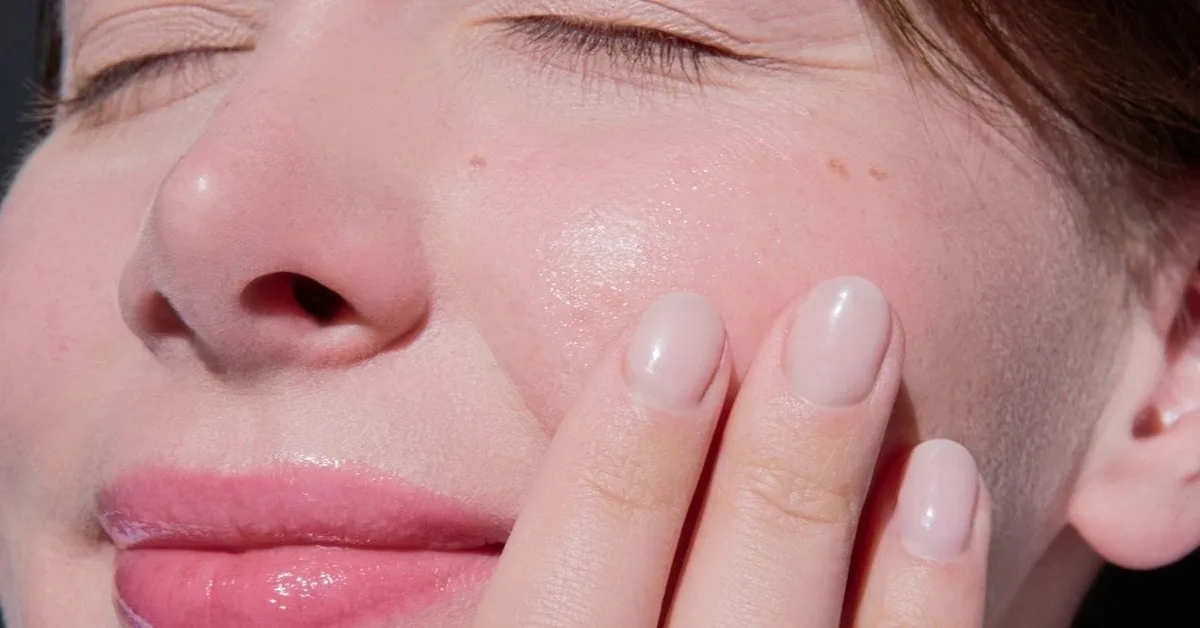
Image source: Bing (Web (fair-use with source credit))
Your Skin Type: The First Big Decision Point
Knowing your skin type is the absolute bedrock for building any effective skincare routine. Trying to use products formulated for oily skin when you have dry skin, or vice versa, can cause more problems than it solves. It's like trying to fix a car with the wrong tools.
Here's a quick rundown to help you identify yours:
- Oily Skin: Your skin often looks shiny, especially in the T-zone (forehead, nose, chin). Pores might be visibly enlarged, and you may be prone to breakouts.
- Dry Skin: Your skin can feel tight, flaky, or rough. It might look dull and be more susceptible to irritation.
- Combination Skin: This is common. You might have an oily T-zone but normal to dry cheeks. It requires a balanced approach.
- Sensitive Skin: Your skin reacts easily to new products, weather changes, or ingredients. Redness, itching, or stinging are common signs.
Once you've identified your primary skin type, you can start making smarter choices about cleansers, moisturizers, and treatments. For example, if you struggle with breakouts, non-comedogenic formulas are key.
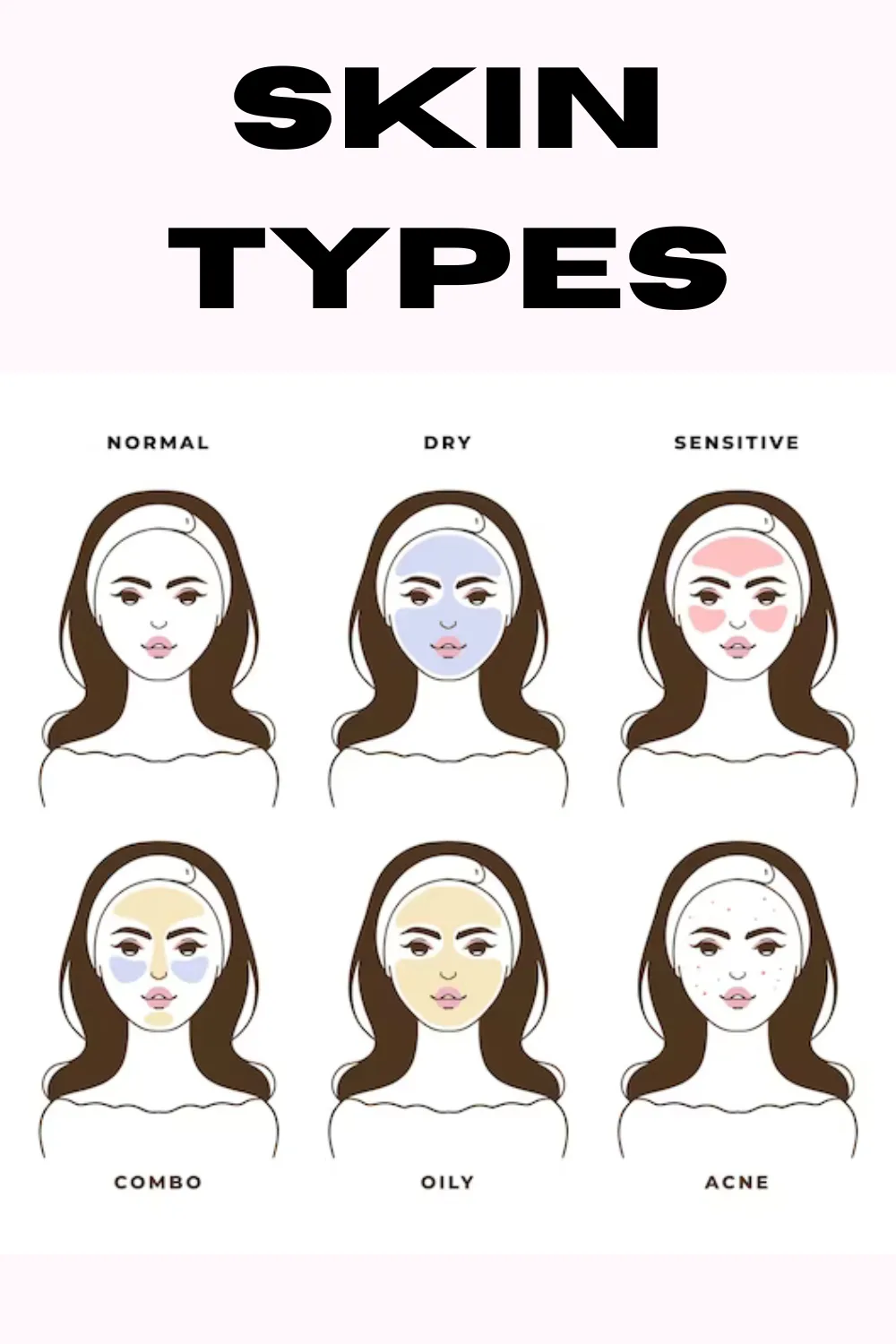
Image source: Bing (Web (fair-use with source credit))
Oily Skin Strategies
If your skin tends to get shiny and breakout-prone, the goal is to manage excess oil without stripping your skin entirely. Over-stripping can actually cause your skin to produce more oil to compensate.
- Cleanser: Opt for a gentle foaming or gel cleanser. Look for ingredients like salicylic acid (a BHA) to help clear pores, but use it mindfully.
- Moisturizer: Don't skip this! Choose lightweight, oil-free, and non-comedogenic moisturizers. Gel-based formulas are often excellent.
- Exfoliation: Regular but not excessive exfoliation is important. Chemical exfoliants like salicylic acid (BHA) or glycolic acid (AHA) can be very effective for oily, acne-prone skin.
Dry Skin Strategies
For those with dry skin, the focus is on hydration and reinforcing the skin barrier. You want to cleanse gently and seal in moisture.
- Cleanser: Use a creamy, hydrating, or oil-based cleanser. Avoid anything that leaves your skin feeling tight or squeaky clean.
- Moisturizer: Richer creams with ingredients like ceramides, hyaluronic acid, and shea butter are your best friends. Apply to damp skin to lock in extra hydration.
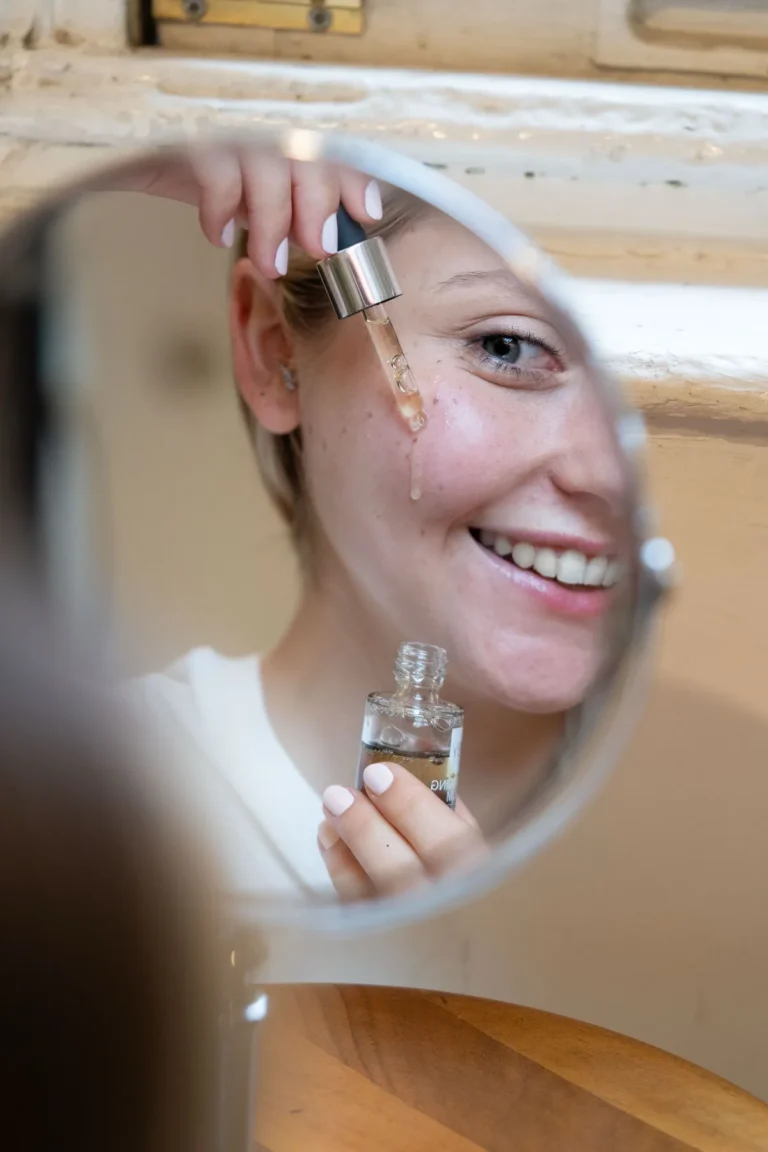
- Hydration Boosters: Consider a hydrating serum with hyaluronic acid before your moisturizer.
Combination Skin Strategies
Managing combination skin means treating different areas differently. You might need a gel cleanser for your T-zone and a richer moisturizer for drier patches.
- Cleanser: A gentle, balanced cleanser works well. You could also consider a double cleanse in the evening, using an oil cleanser first, then a water-based one.
- Moisturizer: You might use a lightweight moisturizer all over, or a lighter one on the T-zone and a slightly richer one on the cheeks.
- Targeted Treatments: If you have breakouts in one area and dryness in another, you can apply specific treatments where needed.
Sensitive Skin Strategies
Sensitive skin requires a gentle, minimalist approach. The key is to avoid triggers and focus on soothing, barrier-repairing ingredients.
- Cleanser: Always choose a fragrance-free, hypoallergenic, and very mild cleanser. Look for terms like "for sensitive skin."
- Moisturizer: Simple, fragrance-free moisturizers with soothing ingredients like centella asiatica or oatmeal are good. Avoid a long list of active ingredients.
- Patch Test: Always patch-test new products on a small area of skin, like behind your ear or on your inner arm, for a few days before applying to your face.
Building Your Daily Freshness Routine: The Essentials
A consistent daily routine is the backbone of fresh-looking skin. It's not about complexity, but about regularity and using the right steps in the right order. This routine involves two main phases: preparing your skin for the day ahead and helping it repair overnight.
Think of it like maintaining a garden. You water, feed, and protect it regularly to keep it healthy and vibrant, rather than just doing a massive overhaul once in a while.
Morning Ritual: Prep for the Day
The morning routine is all about refreshing your skin, protecting it from environmental stressors, and creating a smooth canvas if you wear makeup.
- Cleanse: A gentle cleanse removes any sweat or oil accumulated overnight. For many, especially those with dry or sensitive skin, a splash of cool water is sufficient. If you have oily skin, a mild foaming cleanser can help.
- Tone (Optional): A hydrating toner can add an extra layer of moisture and help balance your skin's pH.
- Treat (Optional): If you use antioxidant serums, like one with Vitamin C, the morning is a great time. These help protect against free radical damage throughout the day.
- Moisturize: Even oily skin needs hydration. Choose a lightweight, oil-free moisturizer that suits your skin type.
- Sunscreen: This is non-negotiable. Apply a broad-spectrum sunscreen with at least SPF 30. This single step is the most powerful tool against premature aging and dullness caused by UV damage.
Evening Reset: Repair While You Sleep
The evening routine is crucial for removing the day's grime and allowing your skin to repair and regenerate overnight.
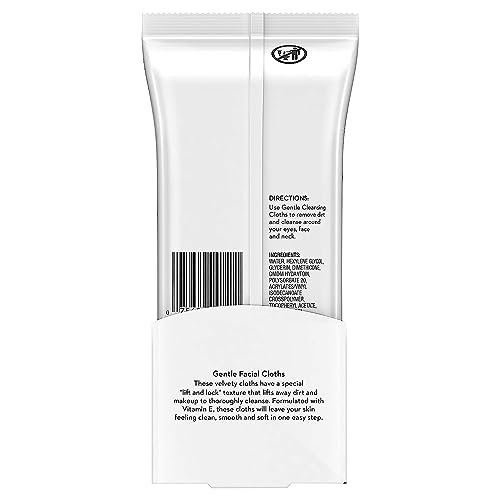
- Double Cleanse (Recommended): Start with an oil-based cleanser or micellar water to break down makeup, sunscreen, and sebum. Follow with a water-based cleanser to wash away any remaining impurities. This ensures a truly clean canvas. A good facial cleansing cloth can help remove the first cleanse effectively.
- Tone (Optional): Similar to the morning, a toner can prep the skin for subsequent steps.
- Treatment Serums: This is often when you'd use targeted treatments like retinoids or exfoliating acids (if not using them on a separate night). Let these absorb for a few minutes.
- Eye Cream: The delicate skin around your eyes can benefit from a dedicated eye cream to address concerns like dryness or fine lines.
- Moisturize: Apply your regular moisturizer or a slightly richer one if your skin feels particularly dry. This helps seal in all the goodness from your previous steps.
The Power of Protection: Sunscreen & Environmental Shields
This is arguably the most critical step for maintaining fresh, youthful skin long-term. UV radiation from the sun is a primary driver of premature aging, causing wrinkles, dark spots, and a loss of elasticity. Environmental factors like pollution also play a significant role in dulling your complexion and potentially damaging your skin barrier.
Consistent use of broad-spectrum sunscreen, with an SPF of 30 or higher, is your first line of defense. Manufacturers often specify SPF ratings, and it’s essential to ensure your chosen product protects against both UVA (aging rays) and UVB (burning rays).
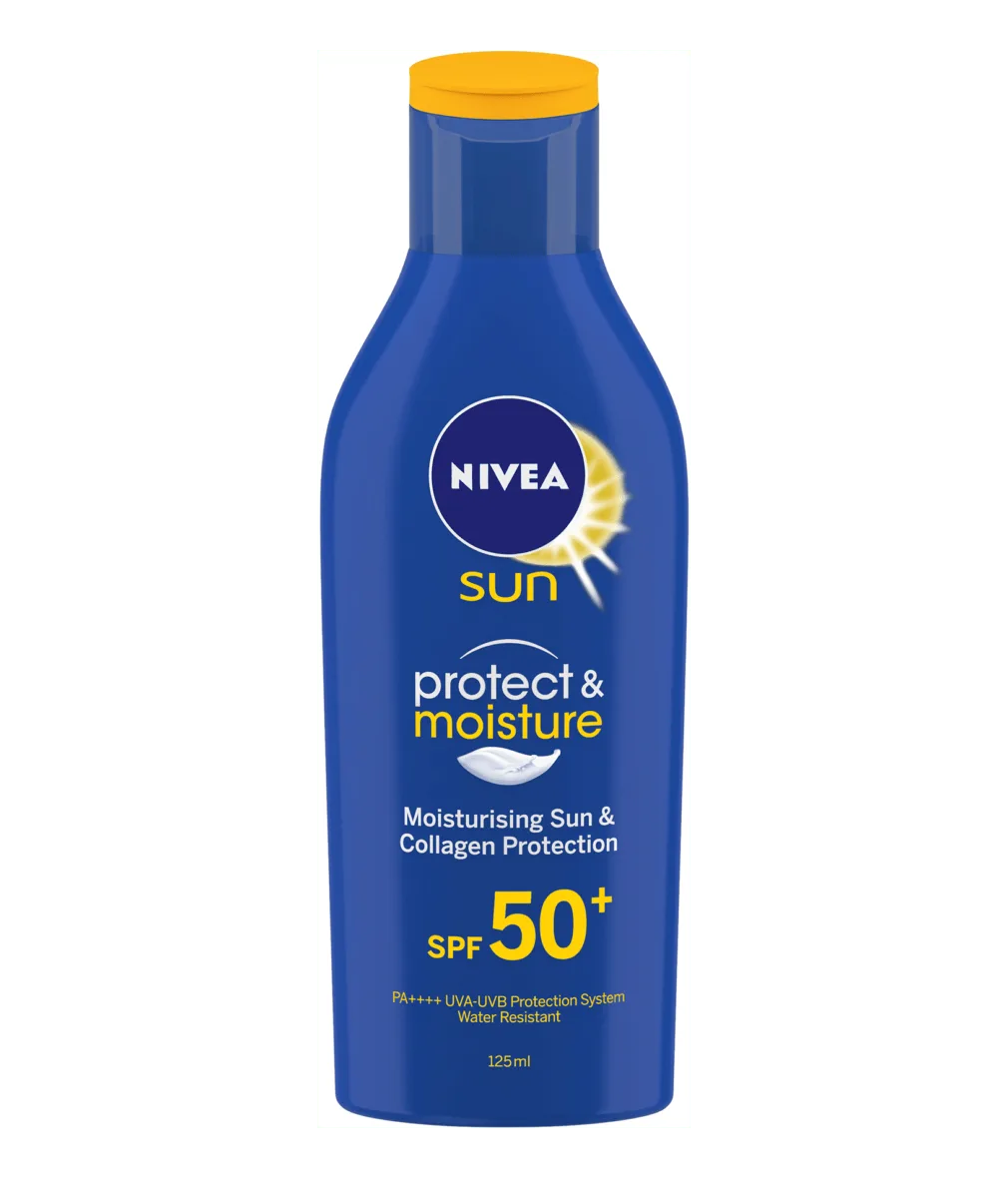
Image source: Bing (Web (fair-use with source credit))
Here’s why it matters and how to get it right:
- Daily, Year-Round Use: Sunscreen isn't just for sunny beach days. UV rays penetrate clouds and windows, so applying it daily, even indoors, is crucial.
- Broad-Spectrum: Ensure your sunscreen label says "broad-spectrum" to confirm it protects against both UVA and UVB rays.
- SPF 30 Minimum: According to dermatological guidelines, SPF 30 blocks about 97% of UVB rays. Higher SPFs block slightly more, but no sunscreen blocks 100%.
- Reapplication: For prolonged sun exposure, reapply sunscreen every two hours, or more often if swimming or sweating.
- Beyond Sunscreen: Consider hats, sunglasses, and protective clothing for extra defense. Antioxidant serums, applied in the morning before sunscreen, can offer an additional layer of protection against environmental damage. For instance, a well-formulated Vitamin C serum can help neutralize free radicals generated by pollution.
Beyond the Basics: Targeted Boosters and Treatments
Once you have your core routine of cleansing, moisturizing, and sun protection down, you can introduce targeted treatments to address specific concerns or give your skin an extra boost. These are where you can really fine-tune your approach for that vibrant, fresh look.
Think of these as specialized tools for specific jobs within your skincare strategy. They can help with everything from dullness and uneven tone to fine lines and rough texture.
Serums, Masks, and Special Care
- Serums: These are potent, concentrated formulas designed to deliver active ingredients deep into the skin.
- Hydrating Serums: Packed with ingredients like hyaluronic acid, they draw moisture to the skin's surface, plumping it up.
- Antioxidant Serums: Often containing Vitamin C, Vitamin E, or ferulic acid, they fight free radical damage and brighten the complexion.
- Targeted Serums: You can find serums formulated for concerns like dark spots (niacinamide, alpha arbutin), fine lines (retinoids, peptides), or redness (centella asiatica).
If you're looking to improve overall skin tone and texture, exploring options for best facial toning device can complement topical treatments.
- Face Masks: These offer a more intensive treatment for a short period.
- Hydrating Masks: Great for dry or dull skin, often containing ingredients like glycerin, hyaluronic acid, or natural extracts.
- Exfoliating Masks: Contain AHAs or BHAs to slough off dead skin cells. Use these sparingly to avoid overdoing it.
- Clay Masks: Excellent for oily or congested skin, they help absorb excess oil and impurities.
When and How to Exfoliate
Exfoliation is key to sloughing off dead skin cells that can make your complexion look dull and tired. However, it’s a step where you can easily go too far, damaging your skin barrier and causing irritation.
There are two main types:
- Physical Exfoliation: This involves using a scrub with small particles (like sugar or jojoba beads) or a tool like a soft brush. Be very gentle to avoid micro-tears.
- Chemical Exfoliation: This uses acids like Alpha Hydroxy Acids (AHAs), such as glycolic acid and lactic acid, or Beta Hydroxy Acids (BHAs), like salicylic acid. AHAs work more on the skin's surface to improve tone and texture, while BHAs can penetrate pores to clear congestion.
How to Exfoliate Safely:
- Start Slow: If you're new to exfoliation, begin with once a week.
- Listen to Your Skin: If you experience redness, stinging, or increased sensitivity, reduce frequency or stop.
- Don't Overlap Actives: Avoid using strong chemical exfoliants on the same night you use retinoids, unless your skin is very accustomed to them.
- Moisturize Afterward: Always follow exfoliation with a good moisturizer to replenish hydration.
- SPF is Crucial: Chemical exfoliants can make your skin more sensitive to the sun, so diligent sunscreen use is even more important.
For those looking for a more intensive treatment, explore options for best microcurrent device for face which can complement exfoliation by improving skin tone and firmness.
Diet, Sleep, and Stress: Your Internal Skincare
What you do outside your bathroom impacts your skin just as much as any product. Think of your body as a whole system; what happens internally will eventually show up on your skin. That "fresh" look often starts from the inside out.
- Diet: A balanced diet rich in fruits, vegetables, and healthy fats provides essential vitamins and antioxidants. These combat inflammation and support skin repair. Processed foods and excessive sugar, on the other hand, can contribute to dullness and breakouts. Staying hydrated by drinking plenty of water throughout the day is also fundamental for skin plumpness.
- Sleep: While you sleep, your skin goes into repair mode. Cell regeneration is at its peak, and your body releases growth hormones that help with skin renewal. Consistently getting 7-9 hours of quality sleep per night is vital for a refreshed appearance. Chronic sleep deprivation can lead to dullness, dark circles, and increased puffiness.
- Stress Management: High stress levels trigger the release of cortisol, a hormone that can break down collagen and elastin, leading to fine lines and loss of skin firmness. Chronic stress can also exacerbate inflammatory skin conditions. Finding healthy ways to manage stress, like mindfulness, exercise, or hobbies, directly benefits your skin's vitality.
Common Stumbles That Sap Skin Freshness
Even with the best intentions, we can fall into common traps that undo our efforts and leave skin looking less than fresh. Recognizing these mistakes is the first step to avoiding them and getting back on track.
- Over-exfoliation: Using harsh scrubs too often or applying too many exfoliating products can strip your skin's natural oils and damage its protective barrier. This leads to redness, irritation, and increased sensitivity. Instead of fresh, your skin might look raw and inflamed.
- Ignoring Sunscreen: This is a big one that was mentioned earlier but bears repeating. Not wearing SPF daily is like undoing all your other skincare efforts. UV damage is cumulative and leads to premature aging, dark spots, and a dull, uneven complexion. Always aim for at least SPF 30.
- Using the Wrong Products: Applying products not suited to your skin type can cause imbalances. Oily skin might become oilier or more congested, while dry skin could become even tighter and more irritated. This can lead to breakouts, redness, and a generally unhealthy appearance. For example, harsh alcohol-based toners can be very detrimental to dry or sensitive skin types.
- Inconsistency: Skipping your routine here and there might seem harmless, but consistency is key for seeing results. Your skin thrives on a regular, predictable regimen. Sporadic efforts yield sporadic results.
When to Call in the Pros
While a good at-home routine can do wonders, there are times when professional guidance is essential for achieving and maintaining truly fresh-looking skin. Don't hesitate to seek expert advice, especially if you're dealing with persistent issues or have specific cosmetic goals.
- Persistent Skin Concerns: If you're struggling with persistent acne, rosacea, eczema, or unexplained rashes, a dermatologist can provide an accurate diagnosis and a prescription-strength treatment plan. Over-the-counter products may not be enough.
- Significant Aging Concerns: For concerns like deep wrinkles, severe sun damage, or significant loss of firmness, a dermatologist or qualified aesthetician can recommend advanced treatments. This might include prescription retinoids, chemical peels, or laser treatments.
- Product Reactions or Allergies: If you've had a severe reaction to a skincare product, a professional can help identify the trigger and recommend safe alternatives.
- Personalized Routine Building: A dermatologist can analyze your skin type and concerns in detail to create a hyper-personalized routine that goes beyond general advice. They can also advise on effective pairings of products. For instance, understanding how to properly combine treatments like those offered by best beauty gift set with your existing routine is something a professional can clarify.
Frequently Asked Questions (FAQs)
How long does it take to see results from a new skincare routine?
You might notice subtle improvements in hydration or texture within a few days to a couple of weeks. However, for more significant changes like evening skin tone or reducing fine lines, it typically takes 4-12 weeks of consistent use. Skin cell turnover takes time, so patience is key.
Can I use exfoliating products every day?
Generally, no. Daily exfoliation can strip the skin barrier and lead to irritation. Most people benefit from exfoliating 1-3 times per week, depending on the product's strength and your skin type.
Sensitive skin may only tolerate exfoliation once a week or less.
Does makeup prevent skin from looking fresh?
Not necessarily. High-quality makeup, when applied over a properly prepped and moisturized face, can enhance your complexion. The key is to choose non-comedogenic formulas and, most importantly, to thoroughly cleanse your skin every night to remove all traces of makeup before bed.
Is it okay to skip my routine sometimes?
Occasional skipping won't undo significant progress, but consistency is what drives long-term results. If you're traveling or have a busy day, try to at least cleanse and moisturize. Long-term inconsistency will prevent your skin from reaching its freshest potential.