How Can I Protect My Skin Every Day?

Image source: Web (Bing) / pickpik.com (Web image (fair-use with source credit))
How Can I Protect My Skin Every Day?
Protecting your skin from daily damage is simpler than you might think, focusing on consistent habits rather than complicated routines. Making smart choices each day can significantly impact your skin's health and appearance over time.
What you do daily matters. For instance, manufacturer specifications for many broad-spectrum sunscreens confirm they offer protection against both UVA and UVB rays, which is critical for preventing long-term damage. Let’s dive into building your effective daily skin protection strategy.
Quick Answer
To protect your skin every day, cleanse gently, moisturize, and apply broad-spectrum SPF 30+ sunscreen daily. Protect your eyes with sunglasses and lips with SPF balm. Reapply sunscreen if you're outdoors for extended periods.
Consistent habits are key for long-term skin health.
Your Essential Morning Skin Protection Routine
Your day begins with setting the stage for your skin’s defense. This routine is all about preparing your skin to face the world, not about complicated steps. It’s foundational to keeping your skin healthy and resilient.
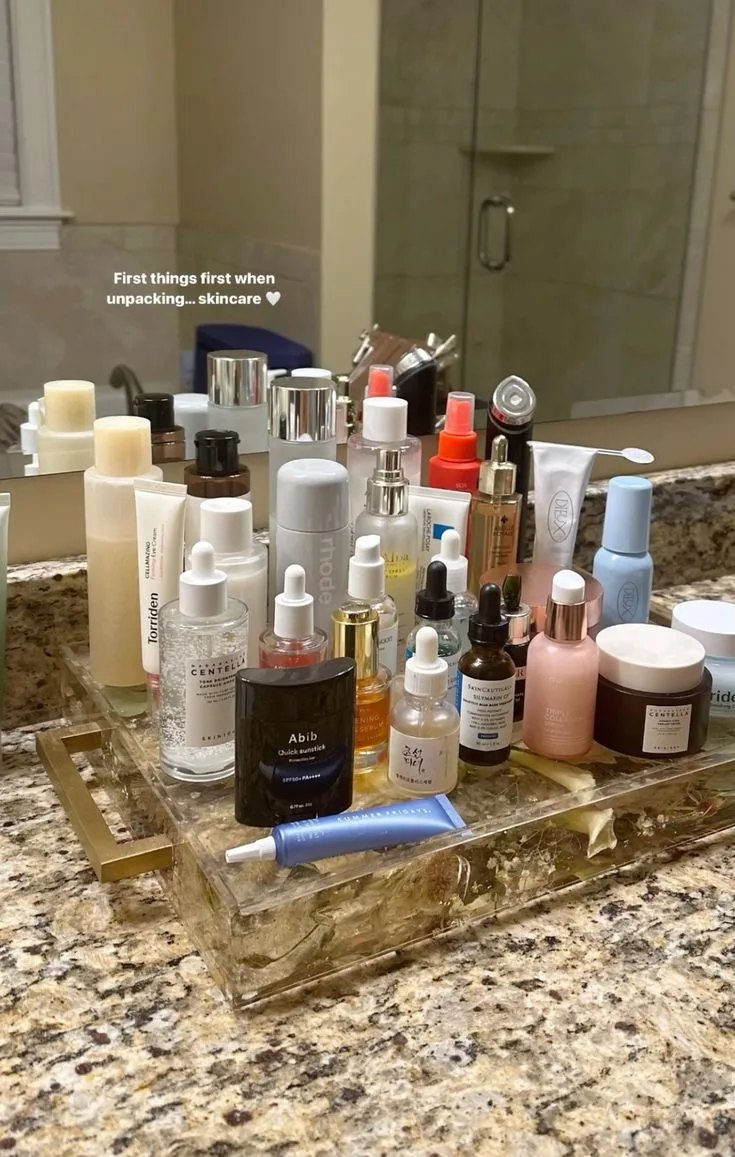
Image source: Bing (Web (fair-use with source credit))
Gentle Cleansing: The First Step
Your skin sheds dead cells and produces oil overnight. A gentle cleanse in the morning removes this without stripping essential moisture. This ensures your skin is clean and ready to absorb subsequent products effectively.
- Lukewarm Water Rinse: For many, a simple rinse with lukewarm water is enough to refresh the skin and remove any overnight residue.
- Mild Cleanser: If you tend to have oily skin or feel a need for a deeper clean, opt for a mild, pH-balanced cleanser. Look for formulas that avoid harsh sulfates or alcohol.
Hydration: Building Your Skin's Defense
After cleansing, your skin needs a hydration boost to maintain its natural moisture barrier. This barrier is crucial for protecting your skin from environmental irritants. Properly hydrated skin looks plumper and feels more comfortable.
- Choose Your Formula:
- Oily/Acne-Prone: A lightweight, oil-free gel or lotion is best. These hydrate without feeling heavy or clogging pores.
- Dry/Normal: A creamier moisturizer will provide richer hydration. Look for ingredients like hyaluronic acid or ceramides.
- Sensitive: Opt for fragrance-free and hypoallergenic formulas.
Sunscreen Application: Your Daily Shield
This step is non-negotiable. Applying sunscreen every single day, regardless of the weather or whether you’re indoors, is the single most impactful action for protecting your skin from aging and damage. UVA and UVB rays are present year-round, even on cloudy days.
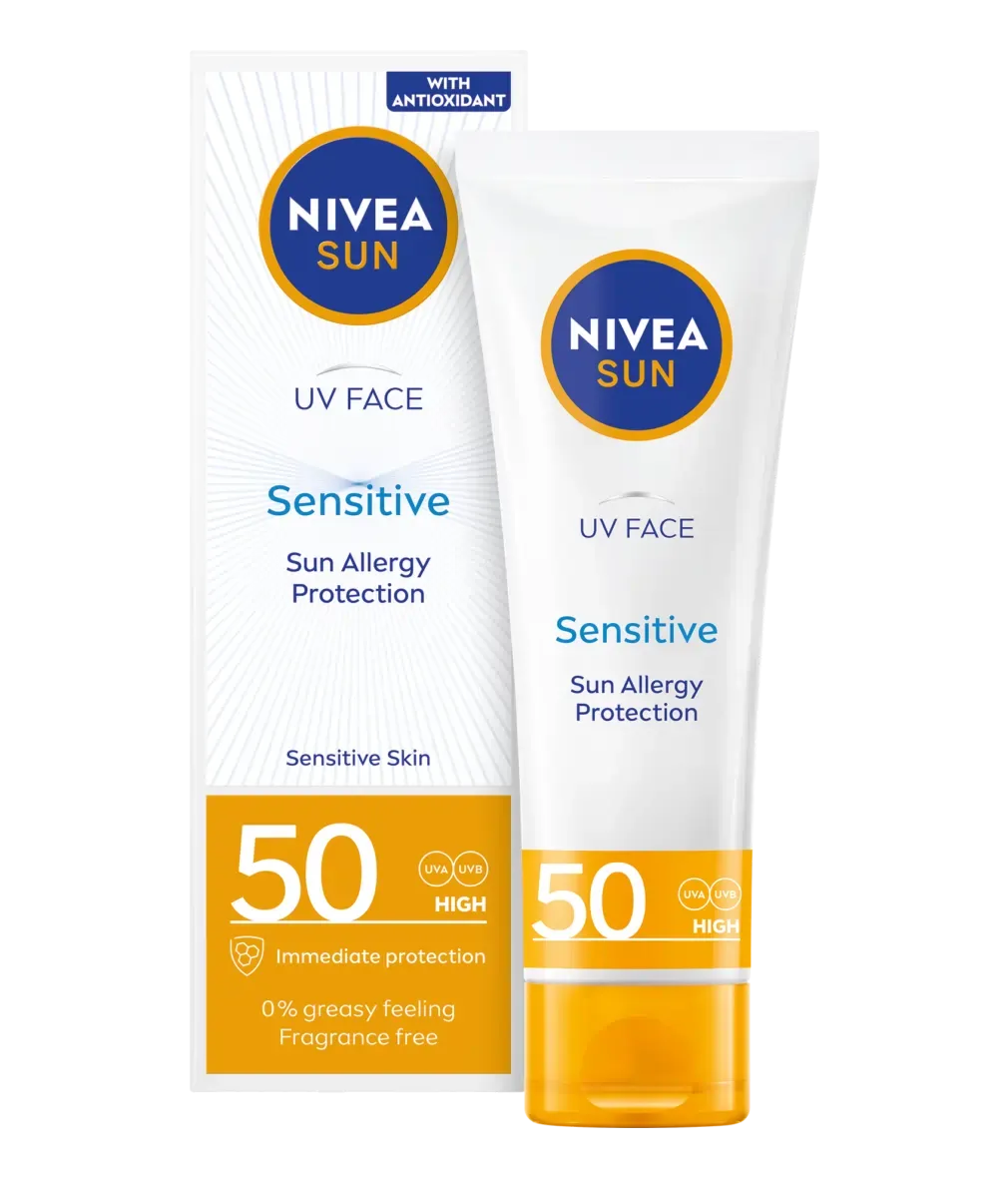
Image source: Web (Bing) / nivea.co.za (Web image (fair-use with source credit))
- What to Look For:
- SPF 30 or Higher: This blocks about 97% of UVB rays. Higher SPFs block slightly more, but application is more critical than the difference between SPF 30 and 50.
- Broad-Spectrum: This label confirms protection against both aging UVA rays and burning UVB rays.
- How Much to Use: Most adults don't apply enough sunscreen. For your face alone, aim for about a nickel-sized amount. For your entire exposed body, it's roughly one ounce, or about a shot glass full. Even if you're indoors, UVA rays can penetrate window glass, so this step is vital. You can find detailed guidance on proper application amounts and frequencies on the U.S. Food and Drug Administration (FDA) website.
Evening Skincare: Repair and Replenish
Your evening routine is about undoing the day's wear and tear and preparing your skin for overnight renewal. This is the time to remove impurities and provide your skin with the ingredients it needs to repair itself.
Thorough Cleansing: Washing Away the Day
Throughout the day, your skin accumulates dirt, oil, pollution particles, and makeup. A thorough evening cleanse is essential to remove all of these. This prevents clogged pores and allows your skin to breathe.
- Makeup Removal: If you wear makeup, start with a dedicated makeup remover or an oil-based cleanser. This breaks down stubborn pigments and oils effectively.
- Gentle Follow-Up: Follow with your regular gentle cleanser to remove any remaining residue. This double-cleansing method ensures a truly clean canvas. For those who don't wear makeup, a single, effective cleanse is usually sufficient.
Targeted Hydration & Treatment
After cleansing, your skin is primed to absorb beneficial ingredients. This is the ideal time to use treatments and moisturizers that support skin repair and hydration overnight.
- Serums: If you use serums (like those containing antioxidants or retinoids), apply them after cleansing. They deliver concentrated active ingredients.
- Moisturizer: Apply your usual moisturizer. For nighttime, you might opt for a slightly richer formula than your daytime one, especially if your skin tends to be dry. This helps lock in moisture and supports your skin’s natural overnight repair processes.
Key Protective Ingredients and What They Do
Understanding the active components in your skincare products helps you make informed choices for daily protection. It’s not just about the product name; it’s about what’s inside and how it benefits your skin.
Understanding SPF and Broad-Spectrum
SPF stands for Sun Protection Factor, and it primarily measures how well a sunscreen protects against UVB rays, the main cause of sunburn. As of 2026, the FDA mandates that sunscreens labeled "broad-spectrum" must offer protection against both UVA and UVB rays. UVA rays penetrate deeper into the skin and are associated with premature aging and skin cancer.
- SPF Numbers:
- SPF 15: Blocks about 93% of UVB rays.
- SPF 30: Blocks about 97% of UVB rays.
- SPF 50: Blocks about 98% of UVB rays.
- Broad-Spectrum: Essential for comprehensive protection.
The Power of Antioxidants for Skin
Antioxidants are compounds that neutralize free radicals. Free radicals are unstable molecules produced by factors like UV radiation, pollution, and cellular metabolism, which can damage skin cells and contribute to aging. Incorporating antioxidants into your daily routine can help defend your skin.
- Common Antioxidants:
- Vitamin C: A well-known antioxidant that can also help brighten skin tone and boost collagen production. It’s often found in serums.
- Vitamin E: Works synergistically with Vitamin C to protect against oxidative stress.
- Green Tea Extract: Contains polyphenols with potent antioxidant and anti-inflammatory properties.
Tailoring Your Protection: Skin Type and Lifestyle
Your skin is unique, and so are your daily activities. A personalized approach ensures that your protection methods are not only effective but also comfortable and practical for you. What works for one person might need slight adjustments for another.
Choosing the Right Products for Your Skin
The products you choose should complement your skin’s natural tendencies. Using the wrong type of product can sometimes exacerbate issues, so understanding your skin type is key.
- Oily or Acne-Prone Skin:
- Cleansers: Look for lightweight, foaming, or gel-based cleansers.
- Moisturizers: Opt for oil-free, non-comedogenic lotions or gels.
- Sunscreen: Choose sheer, mattifying formulas.
- Dry Skin:
- Cleansers: Creamy, hydrating, or oil-based cleansers are ideal.
- Moisturizers: Rich creams with ceramides, hyaluronic acid, or fatty acids are beneficial.
- Sunscreen: Cream-based sunscreens can offer extra hydration.
- Sensitive Skin:
- Cleansers & Moisturizers: Seek out fragrance-free, hypoallergenic formulas with minimal ingredients. Mineral sunscreens (containing zinc oxide and titanium dioxide) are often well-tolerated.
- Sunscreen: Mineral formulas are typically recommended.
- Combination Skin:
- You might need to use different products on different areas of your face, or find a balanced formula that works for both oily and dry zones.
Adapting Protection for Your Day
Your daily activities and environment play a significant role in how much protection you need. A sedentary office job requires a different approach than a day spent outdoors.
- Extended Outdoor Exposure: If you plan to be outside for several hours (e.g., hiking, beach day, sports), diligent sunscreen reapplication is paramount. Consider protective clothing, hats, and seeking shade.
- Indoor Work Near Windows: Even through glass, UVA rays can cause damage over time. Your daily sunscreen is still essential. For these situations, a lightweight broad-spectrum SPF 30 is usually sufficient.
- Commuting: If your commute involves significant sun exposure (e.g., driving or walking), ensure your face, neck, and hands are protected. You can find excellent tools for skincare routines, like those listed in our guide to best skincare headbands, that help keep hair away during application.
Common Skin Protection Slip-Ups to Avoid
Even with the best intentions, a few common mistakes can undermine your daily skin protection efforts. Recognizing these pitfalls is the first step to correcting them.
Sunscreen Mistakes You Might Be Making
Sunscreen is your most powerful daily ally, but using it incorrectly can reduce its effectiveness significantly.
- Not Using Enough: Most people apply only a fraction of the recommended amount, leading to inadequate protection.
- Forgetting Reapplication: Sunscreen breaks down over time, especially when exposed to sweat and water. Reapplication every two hours when outdoors is critical.
- Skipping Areas: Don't forget your ears, the back of your neck, your hands, and the tops of your feet, especially if they'll be exposed.
- Relying Solely on Makeup SPF: While makeup with SPF can add a small layer of defense, it's rarely applied in sufficient quantity or reapplied often enough to provide adequate protection on its own. Don't rely on it as your primary defense.
Other Daily Habits That Hurt Your Skin
Beyond sunscreen, other daily habits can impact your skin's health and resilience.
- Harsh Cleansing: Using abrasive scrubs or cleansers with high alcohol content can strip your skin’s natural oils, leading to dryness, irritation, and a compromised skin barrier.
- Touching Your Face Frequently: Your hands carry bacteria and dirt, which can transfer to your face and lead to breakouts or irritation.
- Ignoring Your Lips and Eyes: The skin on your lips and around your eyes is thinner and more delicate, making it particularly vulnerable to sun damage and aging. Always use a lip balm with SPF, and wear sunglasses to protect your eyes and the surrounding skin.
When to Seek Expert Advice
While building a daily skin protection routine is straightforward, sometimes you might encounter issues that require a professional's eye. If you experience persistent skin problems, notice unusual moles or changes in your skin, or have specific concerns about your skin's health, consulting a dermatologist is always a good idea. They can offer personalized advice and diagnose any underlying conditions.
Frequently Asked Questions About Daily Skin Protection
Do I really need sunscreen every single day?
Yes, you absolutely do. UVA rays, which cause aging and contribute to skin cancer, penetrate clouds and glass. So, even on a cloudy day or when you're indoors near a window, your skin is exposed.
What's the difference between chemical and mineral sunscreens?
Mineral sunscreens use zinc oxide and titanium dioxide to create a physical barrier that blocks UV rays. Chemical sunscreens absorb UV rays and convert them into heat, which is then released from the skin. Both are effective if formulated correctly and used properly.
Can I protect my skin without using a separate sunscreen?
Some moisturizers and makeup products contain SPF, but they are rarely applied in the quantity needed to provide the full protection stated on the label. For reliable, robust protection, a dedicated broad-spectrum sunscreen is recommended.
How often should I reapply sunscreen if I'm mostly indoors?
If you're primarily indoors and not directly exposed to sunlight through windows for prolonged periods, reapplying sunscreen is often not necessary. However, if you sit near a window for several hours, a midday reapplication might be beneficial.
Is SPF 30 enough, or should I always go higher?
SPF 30 blocks about 97% of UVB rays, while SPF 50 blocks about 98%. The difference is small, and proper application is far more critical than the exact SPF number. SPF 30 is generally considered adequate for daily use by dermatologists.




2 Comments