How Often Should I Use Body Scrub?
Image source: Bing (Web (fair-use with source credit))
How Often Should You Actually Be Using Body Scrub?
So, you're wondering about how often you should be using body scrub to get that silky-smooth skin. It’s a great question because there’s no single answer that fits everyone perfectly. Your skin is unique, and what works wonders for one person might be too much for another.
In our research, we found that factors like your skin type, the scrub's ingredients, and your specific goals play a huge role. For instance, manufacturer specifications often suggest a patch test for new exfoliants, and industry standards for sensitive skin products typically recommend a lower frequency of use. We’ll break down exactly what you need to consider.
Quick Answer
You should use body scrub 1, 3 times per week. The exact frequency depends on your skin type, the scrub's ingredients, and your personal goals for exfoliation. Oily skin can often handle more frequent scrubbing, while dry or sensitive skin requires much less.
Always listen to your skin's reaction.
First Things First: What's Your Skin Type Saying?
Your skin's natural tendencies are the biggest clue to how often you should reach for that body scrub. Overdoing it can strip your skin of its natural oils, leading to irritation and dryness, while not exfoliating enough means dead skin cells can build up, making your skin look dull and feel rough. Understanding your skin type helps you find that sweet spot.
Oily Skin
If you find your skin gets a bit shiny or feels greasy a few hours after washing, you likely have oily skin. This skin type can often tolerate exfoliation more frequently, perhaps 2, 3 times a week. Regular scrubbing can help to clear out pores and prevent the buildup of oil and dead skin cells, which can otherwise lead to breakouts.

Image source: Bing (Web (fair-use with source credit))
- Benefit: Helps manage oiliness and prevent acne.
- Consideration: Even oily skin can become irritated, so don't go overboard.
Normal Skin
Normal skin is generally balanced, not too oily, not too dry, and not overly sensitive. For those with normal skin, a frequency of 1, 2 times per week is usually ideal. This is enough to maintain smooth, healthy-looking skin without causing any imbalance or irritation.
It's a good starting point for most people.
Dry or Sensitive Skin
If your skin often feels tight, flaky, or gets red and irritated easily, you’re likely dealing with dry or sensitive skin. This type of skin needs a much gentler approach to exfoliation. You'll want to start with once a week, or even once every other week.
Pay close attention to how your skin feels after use. If any redness or tightness occurs, reduce the frequency further. Sometimes, a very gentle physical exfoliator or a washcloth is sufficient for daily cleansing.
For advice on keeping skin consistently healthy, you might find details on how can I protect my skin every day? useful.
What's In That Scrub Matters Too!
The ingredients in your body scrub are just as important as your skin type when deciding how often to use it. Some exfoliants are more abrasive or potent than others, meaning they require a more cautious approach. It’s not just about the 'scrubby bits'; the base formula matters too.
Physical Scrubs (Sugar, Salt, Grains)
These scrubs rely on tiny particles to manually slough away dead skin cells. The size and shape of these particles determine their intensity.
- Finer Particles: Think finely ground sugar or small seed extracts. These tend to be gentler and might allow for more frequent use, perhaps 2, 3 times a week if your skin tolerates it well.
- Coarser Particles: Larger salt crystals or rougher grains can be more aggressive. You’ll want to use these more sparingly, typically 1, 2 times a week, and always with a light touch. Aggressive scrubbing can cause micro-tears in the skin.
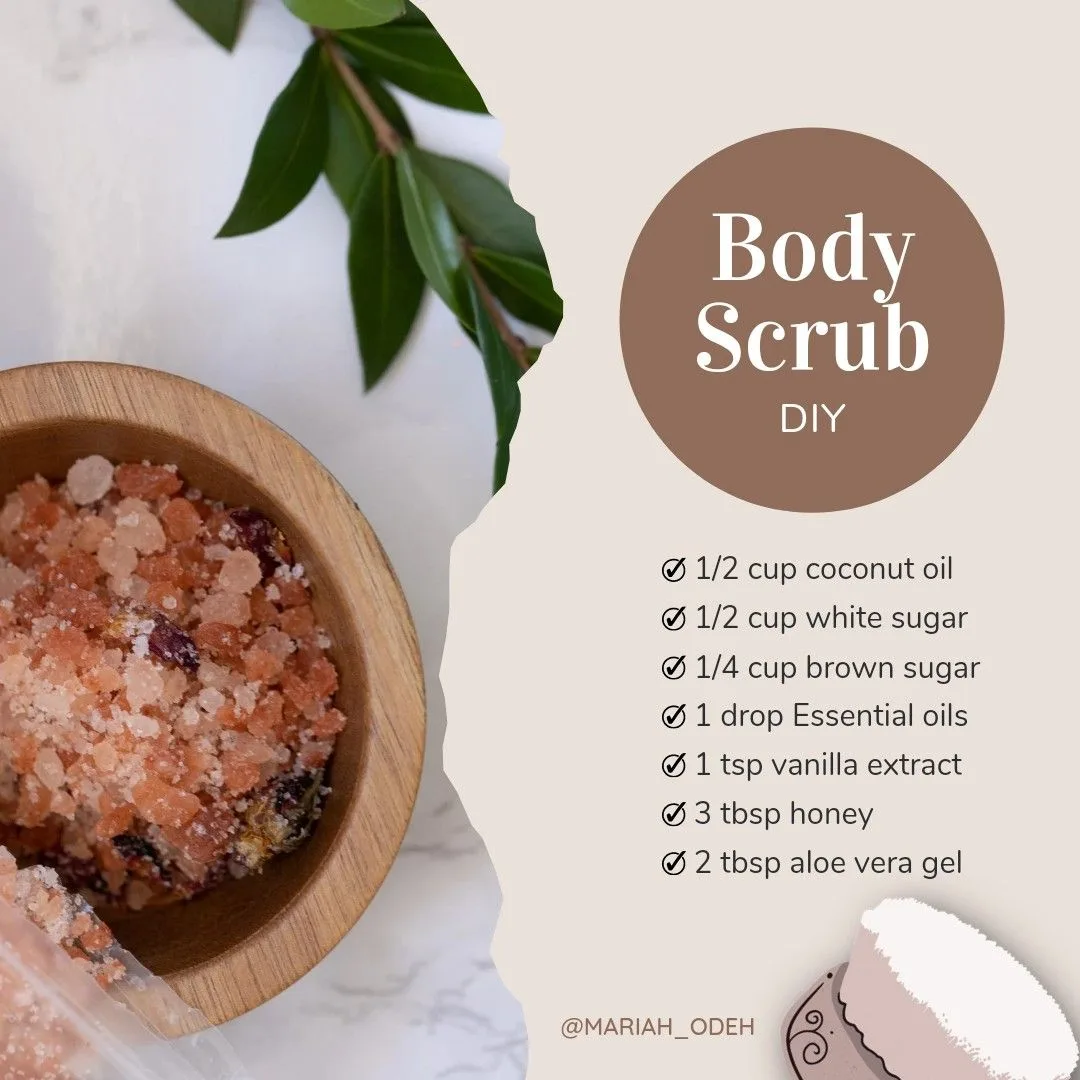
Image source: Bing (Web (fair-use with source credit))
When using physical scrubs, remember that the pressure you apply is key. Let the scrub particles do the work instead of grinding them into your skin.
Chemical Exfoliants (AHAs, BHAs)
These scrubs, or often body washes and lotions, use acids to dissolve the bonds holding dead skin cells together.
- AHAs (Alpha Hydroxy Acids): Like glycolic acid and lactic acid, are water-soluble and great for surface exfoliation, improving skin texture and brightness.
- BHAs (Beta Hydroxy Acids): Like salicylic acid, are oil-soluble and can penetrate pores, making them excellent for managing acne and oily skin.
While effective, chemical exfoliants can also cause irritation if overused. If your daily body wash contains mild AHAs or BHAs, you might be able to use a separate scrub 2, 3 times a week, but be sure to monitor for any signs of over-exfoliation. For stronger chemical treatments, you'd typically use them instead of a physical scrub.
Your Goals: What Are You Trying to Achieve?
The reason you're reaching for the body scrub can also influence how often you should use it. Are you aiming for general smoothness, tackling specific rough spots, or trying to prevent pesky ingrown hairs? Your intended outcome helps tailor the frequency.
General Smoothness & Glow
If your main goal is simply to keep your skin feeling soft and looking radiant on a day-to-day basis, a moderate approach is best. Using a body scrub 1, 2 times per week is usually sufficient for most people. This frequency helps maintain a consistent turnover of skin cells, revealing fresher skin without overwhelming your natural barrier.
Tackling Rough Patches
For areas prone to dryness and roughness, like elbows, knees, and heels, you might want to exfoliate a bit more intensely. You could use a slightly more vigorous scrub on these specific spots 2, 3 times a week. However, it's crucial to be gentle and mindful of the surrounding skin, giving other areas of your body a break.
It's about targeted care rather than all-over aggressive treatment.
Preventing Ingrown Hairs
Exfoliation is a fantastic tool for preventing ingrown hairs, especially after shaving or waxing. The general recommendation is to exfoliate a day or two before hair removal and then again a couple of days after to help new hairs grow out properly. You might do this 2, 3 times a week during the growth phase.
Once your skin has settled and you're not actively dealing with ingrowns, you can reduce frequency back to your usual maintenance level. For help with related skincare goals, check out how can i make my skin look healthier?.
Listen to Your Skin: The Ultimate Guide
Ultimately, your skin is the best indicator of whether your body scrub routine is working or if you need to make adjustments. It sends out signals, and learning to read them is key to healthy, happy skin. Forget strict schedules; tune into what your body is telling you each time you step out of the shower.
Signs You're Doing It Right
If your skin feels smooth, looks bright, and doesn't have any lingering redness or tightness after you’ve finished your shower routine, you’re likely on the right track. Your skin should feel clean and soft, not stripped or uncomfortable. This means your frequency and the intensity of your scrub are probably well-balanced for your skin type.
Signs You're Doing Too Much
You might be over-exfoliating if your skin feels:
- Tight and dry: Even if you moisturize, the tightness persists.
- Red or inflamed: Especially in areas where you scrubbed.
- Itchy or sensitive: To products you normally use without issue.
- Rough or flaky: Paradoxically, over-exfoliation can sometimes lead to increased dryness and flaking as your skin barrier is compromised.
If you notice any of these signs, it's time to back off. Reduce your scrubbing to once a week, or even skip it entirely for a week or two until your skin feels calm and recovered. You can then reintroduce it at a lower frequency.
When to Pump the Brakes (Or Hit Pause)
There are certain conditions where using a body scrub is simply not a good idea, and could even cause harm. Think of these as red flags that tell you to put the scrub down and let your skin heal. Following these guidelines is crucial for maintaining skin health and preventing further damage.
Times to Skip the Scrub
- Sunburn: If your skin is red, painful, and peeling from sun exposure, scrubbing will only worsen the damage and slow healing.
- Active Irritation: This includes rashes, eczema flares, or any other inflammatory skin condition. Scrubbing can aggravate these issues.
- Open Wounds or Cuts: Applying a scrub to broken skin can introduce bacteria, cause pain, and prevent proper healing.
- Active Acne Breakouts: While exfoliation can help prevent acne, scrubbing directly over active, inflamed pimples can spread bacteria and worsen the inflammation, potentially leading to scarring.
In these situations, focus on gentle cleansing and soothing the skin. Always prioritize healing and comfort over exfoliation. If you're unsure whether your skin is up to the task, it's always best to err on the side of caution.
You can learn more about developing a solid skincare routine at how can i make my beauty routine more effective?.
So, To Sum It Up…
Finding the right frequency for your body scrub is all about listening to your skin and understanding its needs. There's no universal rule, but by considering your skin type, the ingredients in your scrub, and your desired results, you can create a personalized routine. It's better to be a little too gentle than to overdo it and cause irritation.
Start Slow, Observe, Adjust
For anyone new to body scrubbing or unsure where to begin, start with a conservative approach. Aim to use your scrub once a week. This allows your skin time to adjust and for you to observe its reaction without overwhelming it.
- Observe Your Skin: After each use, and for the next day or two, pay close attention to how your skin feels and looks. Does it feel smooth and calm, or tight and red?
- Adjust Accordingly: If your skin feels perfectly fine and you want to step it up, you can gradually increase to twice a week. If you notice any irritation, immediately scale back to less frequent use or switch to a gentler product.
- Consistency Over Intensity: Regularly using a gentle scrub is far more beneficial for long-term skin health than using a harsh scrub infrequently. The goal is steady improvement, not drastic, potentially damaging changes. You can explore other ways to build a great routine at how can i build a simple beauty routine?.
FAQs About Body Scrub Frequency
How long does it take to see results from body scrubbing?
Results can vary, but many people notice an immediate improvement in skin smoothness after just one use. For enhanced brightness and texture, consistent use over a few weeks, following the appropriate frequency for your skin type, typically yields the best visible changes.
Can I use body scrub every day?
No, daily use of body scrub is generally not recommended for most people. This can lead to over-exfoliation, stripping the skin of its natural oils and causing irritation, redness, and dryness. A frequency of 1, 3 times per week is usually sufficient.
What's the difference between body scrub and body polish?
While often used interchangeably, a body polish typically uses finer particles or chemical exfoliants for a gentler exfoliation compared to a coarser body scrub. A body polish might be suitable for more frequent use than a rougher scrub.
Should I use body scrub before or after shaving?
It’s generally recommended to use a body scrub a day or two before shaving to help lift hairs and prevent ingrowns. You can also use it a day or two after shaving to help keep skin smooth as it heals, but avoid immediate post-shave scrubbing if your skin feels sensitive. For more on daily skincare practices, consider what beauty products do I need every day?.
Can body scrub help with keratosis pilaris?
Yes, regular exfoliation with a body scrub can help manage keratosis pilaris (often called "chicken skin"). By removing the buildup of keratin that causes the small bumps, consistent scrubbing can improve the texture and appearance of the skin in affected areas. Ensure you use a gentle scrub and don't overdo it.