What Is the Best Body Scrub?
Choosing the "best" body scrub can feel like a quest with no clear finish line, especially when you see countless options on shelves. What works wonders for one person's skin might be just okay, or even irritating, for another. That's why understanding your own skin and what you want to achieve is the real secret to finding your perfect exfoliation match.
Our research shows that effective body exfoliation relies on matching the right ingredients and texture to your unique skin type and concerns. As of 2026, formulations range from gentle sugar buffs to potent acid treatments, each designed to reveal smoother, brighter skin. Let's break down how to make the right choice for you.

Quick Answer
The best body scrub depends entirely on your skin type and goals. For dry or sensitive skin, a fine sugar scrub with moisturizing oils is ideal. Oily or acne-prone skin benefits most from chemical exfoliants like salicylic acid.
For general polishing, sugar and coffee scrubs offer good results. Always use on damp skin and follow with moisturizer.
Understanding Body Scrubs: How They Work
A body scrub is essentially a skincare product designed to exfoliate your skin. Exfoliation is the process of removing dead skin cells from the surface of your skin. These dead cells can accumulate, leading to dullness, rough texture, and even clogged pores.
When you use a scrub, you're physically or chemically sloughing off this top layer, revealing fresher, more vibrant skin underneath. This process can also help improve circulation and prepare your skin for better absorption of moisturizers and other treatments.
Physical vs. Chemical Exfoliation
The two main ways a body scrub works are through physical or chemical means. Understanding this distinction is key to picking the right one for your needs.
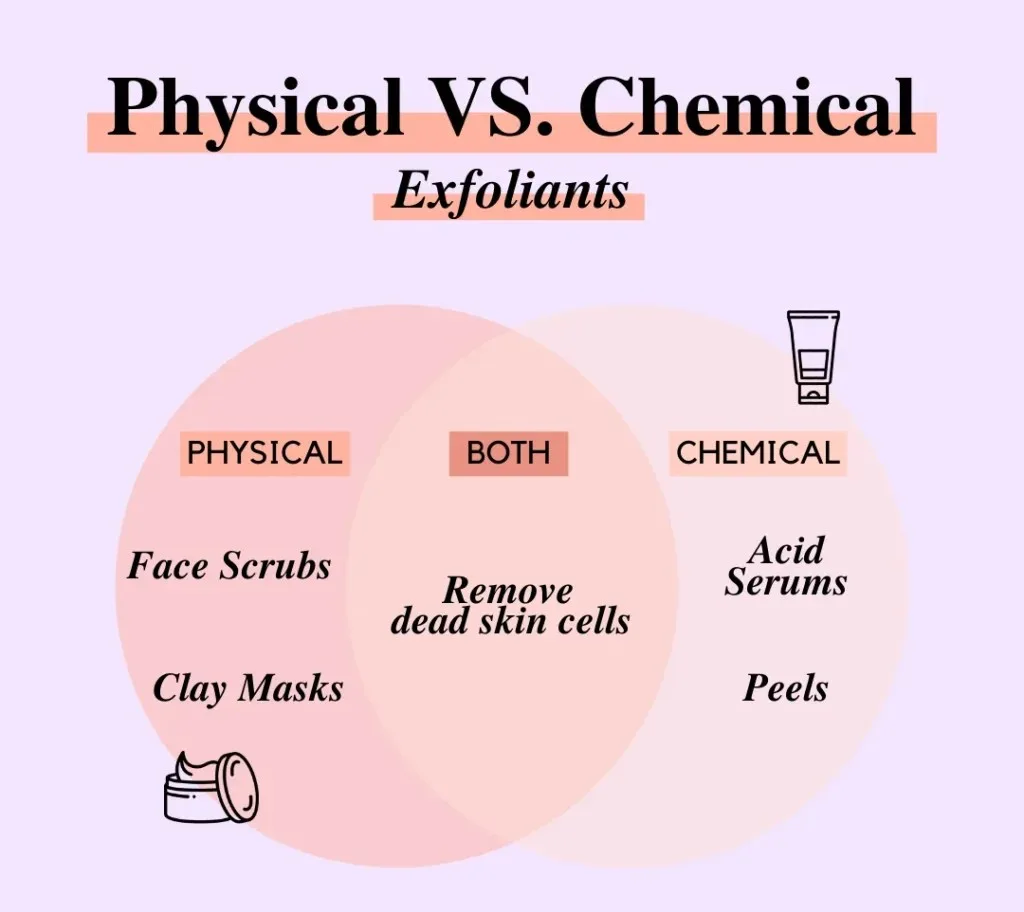
- Physical Exfoliants: These use tiny particles to manually buff away dead skin cells. The effectiveness and feel depend heavily on the size, shape, and material of these particles.
- Chemical Exfoliants: These use acids to dissolve the bonds that hold dead skin cells together. They work on a molecular level, allowing dead cells to shed more easily without vigorous scrubbing.
Key Ingredients to Look For
The effectiveness and gentleness of a body scrub are largely determined by its ingredients.
- Physical Exfoliants: Common examples include sugar (granulated or fine), salt (sea salt, Epsom salt), coffee grounds, and finely ground nut shells. Sugar is generally considered gentler than salt due to its smoother particle shape.
- Chemical Exfoliants: These typically involve Alpha Hydroxy Acids (AHAs) like glycolic acid and lactic acid, or Beta Hydroxy Acids (BHAs) like salicylic acid. AHAs are water-soluble and work on the skin's surface, while BHAs are oil-soluble and can penetrate pores.
- Moisturizing Agents: Ingredients like shea butter, coconut oil, jojoba oil, and almond oil are crucial, especially in physical scrubs, to prevent dryness and leave skin feeling soft.
- Soothing Additives: For sensitive skin, look for components like aloe vera, oatmeal, or chamomile extract to calm the skin.
Choosing Your Ideal Body Scrub
Figuring out which body scrub is "best" for you involves looking at a few key factors. It’s not just about the brand or how it smells; it’s about what your skin needs and what you want to achieve with your skincare routine. Making an informed choice means considering your skin type, your specific concerns, and the kind of experience you're looking for.
Know Your Skin Type: Finding the Right Fit
Your skin type is the most critical factor in selecting an effective and comfortable body scrub. What works for one person might be too harsh or not potent enough for another. Understanding your skin’s baseline needs helps you avoid irritation and maximize benefits.
- Normal Skin: If your skin doesn't tend to be overly oily or dry and rarely experiences breakouts, you have a lot of flexibility. Most types of scrubs, from gentle sugar-based ones to mild chemical exfoliants, will likely be suitable.
- Dry Skin: For skin that feels tight or flaky, look for scrubs rich in moisturizing ingredients. Ingredients like shea butter, coconut oil, and jojoba oil help replenish lost moisture while exfoliating. Sugar scrubs are often preferred over salt scrubs as they can be less drying.
- Oily/Acne-Prone Skin: If your skin tends to get greasy or break out, salicylic acid (a BHA) is a star ingredient. It can penetrate oil to help clear pores. Gentle physical scrubs can also be effective, but avoid anything too abrasive that might irritate existing blemishes.
- Sensitive Skin: This requires a delicate approach. Opt for very fine exfoliants, such as superfine sugar, or chemical exfoliants with lower concentrations of milder acids like lactic acid. Always patch-test any new product to ensure it doesn't cause redness or irritation.
Match Your Scrub to Your Goal
Beyond your skin type, think about what you're trying to achieve with your body scrub. Are you aiming for a general refresh, or addressing a specific concern like dullness or rough patches? Different scrubs excel at different tasks, so aligning your goal with the scrub's formulation is key.
- For smoother, brighter skin: A scrub with fine sugar or a mild AHA like glycolic acid can help lift away dull cells and reveal radiance.
- For tackling rough patches (e.g., elbows, knees): A slightly coarser physical scrub or a stronger chemical exfoliant might be more effective.
- To prepare skin for shaving: Gentle physical exfoliation a day or two prior can help prevent ingrown hairs by clearing the follicle.
- For ingrown hair prevention: Products containing salicylic acid can be particularly helpful as they can penetrate the pore and dislodge blockages.
Texture and Feel: What Do You Prefer?
The sensory experience of using a body scrub matters. Do you enjoy a vigorous scrub that feels like it's really working, or do you prefer a more delicate polishing sensation? The texture and consistency of the scrub play a huge role in this.
Some scrubs are packed with oils and feel quite rich and emollient, leaving a film of moisture. Others might lather more like a soap, offering a squeaky-clean rinse. Consider whether you want a scrub that feels intensely moisturizing or one that rinses off cleanly.
How to Use Body Scrubs Effectively
Using a body scrub correctly ensures you get the most benefit without causing irritation or damage. It's not just about applying it and rinsing; a few simple steps can elevate your exfoliation game.
Gentle Application Tips
The way you apply the scrub can significantly impact its effectiveness and how your skin reacts. Always start with these fundamental techniques for a safe and beneficial exfoliation experience.
- Dampen your skin first: Always use a body scrub on wet, not dry, skin. This helps the particles glide more easily and prevents them from feeling too abrasive. A warm shower is ideal for this.
- Use a small amount: You don't need a lot of product. A teaspoon to a tablespoon for a whole limb is often sufficient, depending on the scrub's concentration.
- Apply with gentle pressure: Massage the scrub onto your skin in circular motions. Let the exfoliating particles do the work; excessive force can cause micro-tears in the skin.
- Focus on areas that need it most: Pay attention to rough patches like elbows, knees, and heels, but be extra gentle on more sensitive areas.
Frequency and Best Practices
How often you should exfoliate depends on your skin type, the type of scrub you're using, and your skin's tolerance. Over-exfoliating can strip your skin of its natural oils and compromise its protective barrier, leading to redness, irritation, and increased sensitivity.
- Start slow: If you’re new to body scrubs or have sensitive skin, begin by using a scrub once a week.
- Gradually increase: If your skin tolerates it well, you can increase to twice a week. Most people find this sufficient.
- Listen to your skin: If you notice any redness, stinging, or increased dryness, reduce the frequency or take a break.
- Follow with moisturizer: This is a non-negotiable step. After rinsing off the scrub, pat your skin dry gently and immediately apply a rich body lotion or oil to lock in moisture and soothe the freshly exfoliated skin. This step is crucial for maintaining hydration and ensuring the skin barrier remains healthy.
Common Scrubbing Mistakes to Avoid
Many people make common errors when using body scrubs, which can lead to less-than-ideal results or even skin irritation. Recognizing these mistakes is the first step to correcting them.
- Scrubbing too hard: Applying excessive pressure can cause micro-tears in the skin, leading to redness, sensitivity, and inflammation. Remember, you're buffing, not scrubbing a surface.
- Using on dry skin: Applying a physical scrub to dry skin makes it much more abrasive and can lead to scratching and irritation. Always ensure your skin is damp before applying any scrub.
- Exfoliating too often: Overdoing it can strip your skin of its natural oils and protective barrier. This can result in dryness, redness, and breakouts. Stick to 1-2 times a week for most skin types.
- Skipping moisturizer: Exfoliation can temporarily disrupt the skin's moisture barrier. Not following up with a good moisturizer leaves your skin vulnerable and can lead to increased dryness and irritation. This is a critical step for post-exfoliation care.
- Using on broken or irritated skin: Never apply a body scrub to cuts, sunburns, active rashes, or any inflamed areas. This will cause significant pain and worsen the condition.
- Using harsh ingredients on sensitive skin: Choosing a scrub with very coarse particles or strong acids without testing can be a recipe for disaster if your skin is delicate. Always opt for gentler formulations or patch-test first.
Comparing Popular Body Scrub Types
When you're trying to decide what type of body scrub is best for you, understanding the differences between the most common varieties is key. Each type offers a unique experience and set of benefits, making them suitable for different skin types and concerns.
Sugar Scrubs: Gentle and Hydrating
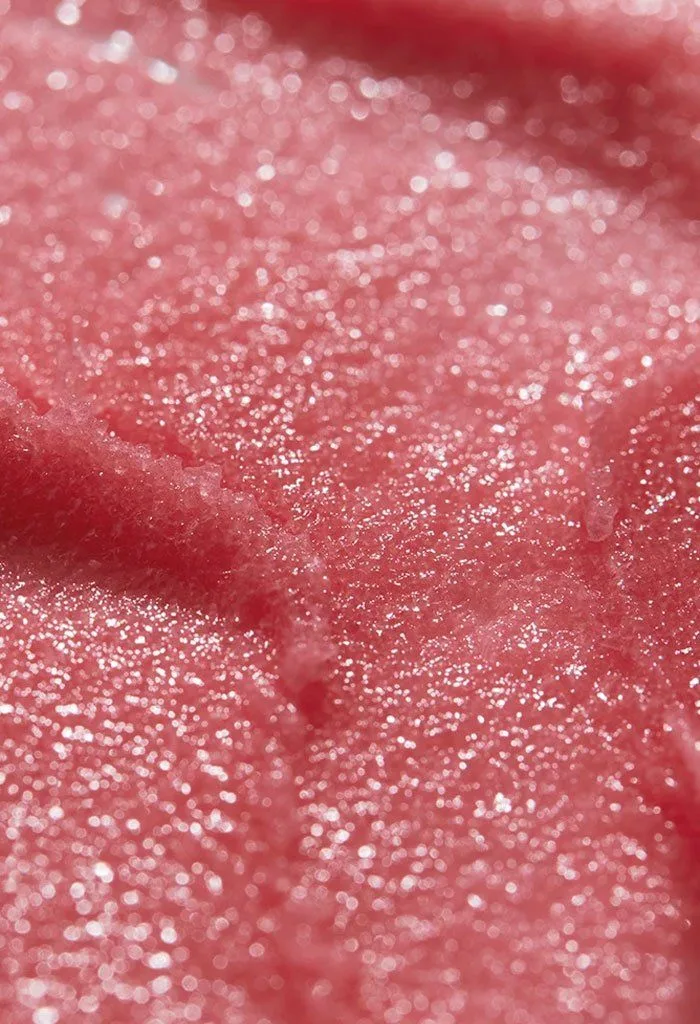
Sugar scrubs are a popular choice because sugar crystals are naturally smoother and rounder than salt crystals, making them a gentler physical exfoliant. This is suitable for a wider range of skin types, including those who are new to exfoliation or have slightly more sensitive skin. Sugar also contains natural humectants, meaning it draws moisture from the air to your skin, which can help with hydration.
- Key Characteristics: Granulated sugar, often mixed with nourishing oils like coconut, jojoba, or almond oil, and sometimes essential oils for fragrance.
- Best For: Most skin types, especially dry, normal, and mildly sensitive skin. Good for general skin polishing and a hydrating experience.
- Pros: Gentle exfoliation, natural humectant properties, widely available, many moisturizing options.
- Cons: Can be less effective for very rough skin compared to coarser scrubs.
Salt Scrubs: Powerful and Invigorating
Salt scrubs, often made with sea salt or Epsom salt, provide a more robust physical exfoliation. The salt crystals are typically coarser and more angular than sugar, making them excellent for tackling rough patches and revealing smoother skin. Salt itself can have detoxifying properties and is often mixed with oils and minerals.
However, due to their coarseness, they might be too abrasive for very sensitive or broken skin.
- Key Characteristics: Coarse salt crystals, often mixed with heavier oils and sometimes infused with mineral salts.
- Best For: Normal to oily skin, and areas with thicker skin like feet and elbows. Good for deep exfoliation and invigorating the skin.
- Pros: Effective for rough skin, can feel intensely cleansing, may offer mineral benefits.
- Cons: Can be too harsh for sensitive or dry skin, may sting if you have small cuts or nicks.
Coffee Scrubs: Energizing and Natural
Coffee grounds themselves are a fantastic natural exfoliant. They provide a good amount of grit to effectively slough away dead skin cells, leaving skin feeling smooth and invigorated. Beyond exfoliation, coffee contains antioxidants and caffeine, which can potentially help improve skin texture and circulation temporarily.
Many DIY coffee scrubs involve mixing used coffee grounds with oils like coconut or olive oil for added moisture.
- Key Characteristics: Primarily uses used or fresh coffee grounds as the exfoliating agent, often combined with oils.
- Best For: Those looking for a natural, invigorating scrub. Can be good for most skin types if formulated with moisturizing oils.
- Pros: Natural ingredients, potential antioxidant benefits from coffee, effective exfoliation, pleasant aroma.
- Cons: Can be messy to use and clean up, finer grounds might be more suitable for sensitive skin.
Who Needs What? Scrub Recommendations by Skin Type & Goal
Deciding on the right body scrub comes down to matching its properties to your specific skin needs and what you want to achieve. There isn't a one-size-fits-all answer, but by considering your skin type and any particular concerns, you can make a much more informed choice.
- For Dry Skin: Look for sugar scrubs rich in moisturizing ingredients like shea butter or jojoba oil. These provide gentle exfoliation without stripping essential moisture.
- For Oily/Acne-Prone Skin: Salicylic acid (BHA) is your best bet here. A body wash or treatment with this ingredient can penetrate pores to clear blockages. Gentle physical scrubs can supplement this, but avoid anything too harsh that might worsen breakouts.
- For Sensitive Skin: Opt for fine sugar scrubs or chemical exfoliants with lactic acid. Avoid coarse salt or aggressive physical exfoliants. Always patch-test any new product to ensure it doesn't cause irritation. Ingredients like colloidal oatmeal can provide a soothing effect.
- For Dull Skin: Glycolic acid (AHA) or a finely ground salt scrub can help slough off dead skin cells, revealing brighter, more radiant skin.
- For Rough Patches (Elbows, Knees, Heels): A slightly coarser sugar scrub or a salt scrub can be effective. For very stubborn rough patches, a chemical exfoliant with a higher concentration of glycolic acid might be considered, but use with caution.
How to Use Body Scrubs Effectively
Using a body scrub correctly ensures you get the most benefit without causing irritation or damage. It's not just about applying it and rinsing; a few simple steps can elevate your exfoliation game.
Gentle Application Tips
The way you apply the scrub can significantly impact its effectiveness and how your skin reacts. Always start with these fundamental techniques for a safe and beneficial exfoliation experience.
- Dampen your skin first: Always use a body scrub on wet, not dry, skin. This helps the particles glide more easily and prevents them from feeling too abrasive. A warm shower is ideal for this.
- Use a small amount: You don't need a lot of product. A teaspoon to a tablespoon for a whole limb is often sufficient, depending on the scrub's concentration.
- Apply with gentle pressure: Massage the scrub onto your skin in circular motions. Let the exfoliating particles do the work; excessive force can cause micro-tears in the skin.
- Focus on areas that need it most: Pay attention to rough patches like elbows, knees, and heels, but be extra gentle on more sensitive areas.
Frequency and Best Practices
How often you should exfoliate depends on your skin type, the type of scrub you're using, and your skin's tolerance. Over-exfoliating can strip your skin of its natural oils and compromise its protective barrier, leading to redness, irritation, and increased sensitivity.
- Start slow: If you’re new to body scrubs or have sensitive skin, begin by using a scrub once a week.
- Gradually increase: If your skin tolerates it well, you can increase to twice a week. Most people find this sufficient.
- Listen to your skin: If you notice any redness, stinging, or increased dryness, reduce the frequency or take a break.
- Follow with moisturizer: This is a non-negotiable step. After rinsing off the scrub, pat your skin dry gently and immediately apply a rich body lotion or oil to lock in moisture and soothe the freshly exfoliated skin.
Common Scrubbing Mistakes to Avoid
Many people make common errors when using body scrubs, which can lead to less-than-ideal results or even skin irritation. Recognizing these mistakes is the first step to correcting them.
- Scrubbing too hard: Applying excessive pressure can cause micro-tears in the skin, leading to redness, sensitivity, and inflammation. Remember, you're buffing, not scrubbing a surface.
- Using on dry skin: Applying a physical scrub to dry skin makes it much more abrasive and can lead to scratching and irritation. Always ensure your skin is damp before applying any scrub.
- Exfoliating too often: Overdoing it can strip your skin of its natural oils and protective barrier. This can result in dryness, redness, and breakouts. Stick to 1-2 times a week for most skin types.
- Skipping moisturizer: Exfoliation can temporarily disrupt the skin's moisture barrier. Not following up with a good moisturizer leaves your skin vulnerable and can lead to increased dryness and irritation. This is a critical step for post-exfoliation care.
- Using on broken or irritated skin: Never apply a body scrub to cuts, sunburns, active rashes, or any inflamed areas. This will cause significant pain and worsen the condition.
- Using harsh ingredients on sensitive skin: Choosing a scrub with very coarse particles or strong acids without testing can be a recipe for disaster if your skin is delicate. Always opt for gentler formulations or patch-test first.
Frequently Asked Questions About Body Scrubs
How often should I use a body scrub?
For most people, using a body scrub once or twice a week is sufficient. Over-exfoliating can lead to irritation and compromise your skin's natural barrier. Listen to your skin; if it feels sensitive or dry, reduce the frequency.
Can I use a face scrub on my body?
Generally, no. Facial skin is more delicate than body skin, so face scrubs are often formulated with finer particles or gentler acids. Conversely, body scrubs can be too harsh for the face. It's best to use products designed for the specific area.
Should I use a scrub before or after shaving?
Using a gentle scrub a day or two before shaving can help lift hairs and prevent ingrown hairs. Avoid scrubbing immediately before or after shaving, as this can cause significant irritation on freshly shaved skin.
Are all body scrubs good for sensitive skin?
No, not all body scrubs are suitable for sensitive skin. You'll need to choose products specifically formulated for sensitive skin, typically those with very fine exfoliants or mild chemical ingredients like lactic acid, and always patch-test first.
How do I store my body scrub?
Most body scrubs should be stored in a cool, dry place away from direct sunlight and moisture. If your scrub contains water-based ingredients without strong preservatives, it's best kept in the shower, but ensure the lid is sealed tightly to prevent water contamination. Check manufacturer guidelines for best storage practices.