How Often Should I Change Gel Nail Polish?
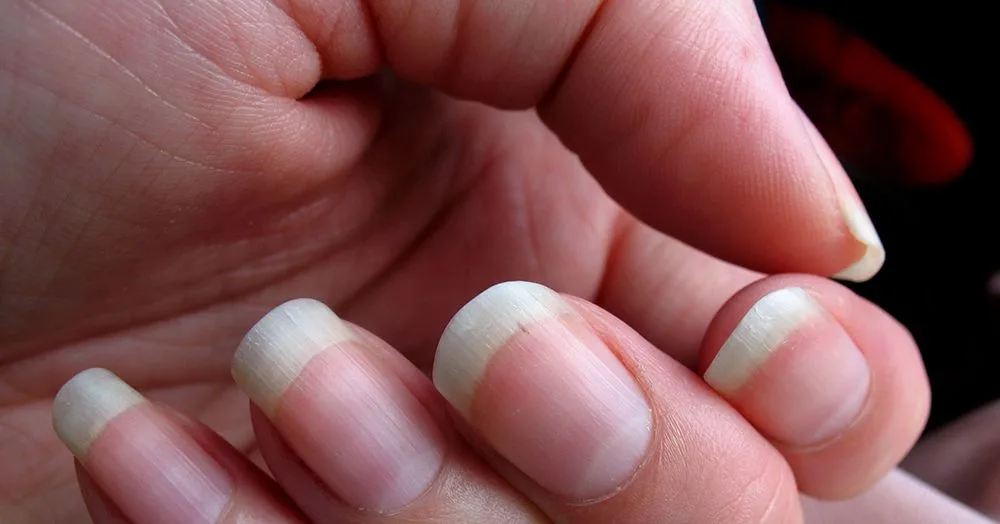
Image source: Bing (Web (fair-use with source credit))
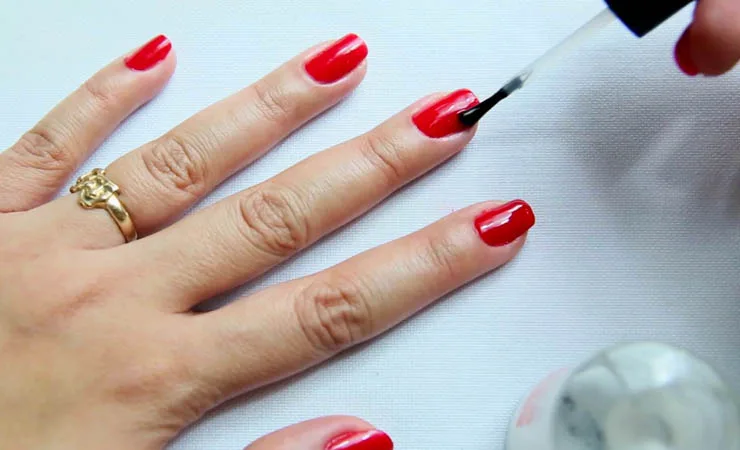
The shine of a gel manicure is hard to beat, but how often should you actually change gel nail polish? It's a question many of us ponder when our nails start showing signs of wear or we just crave a fresh color. Unlike traditional polish that chips easily, gel is designed for longevity, which can make knowing its expiration date a bit tricky.
This guide breaks down the key factors and visual cues that tell you when it's time for a gel polish change. We’ll look at lifestyle impacts, potential problems, and what experts recommend to keep your nails looking great and staying healthy.
Quick Answer
You should generally change gel nail polish every 2 to 3 weeks. Pay close attention to signs of lifting or chipping. Active lifestyles may require changes sooner, around 1.5 to 2 weeks.
Always avoid peeling or picking off old gel.
When Your Gel Nails Are Telling You It's Time
Your gel polish will give you visual clues when it's nearing the end of its lifespan or if something isn't quite right. It's not just about aesthetics; these signs can also indicate potential issues for your natural nail underneath. Paying attention to these details can save you from more significant problems down the line.
Signs of Lifting, Chipping, or Wear
The most obvious indicators that your gel manicure needs a refresh are physical signs of damage to the polish itself. This can range from minor imperfections to more significant problems that require immediate attention.
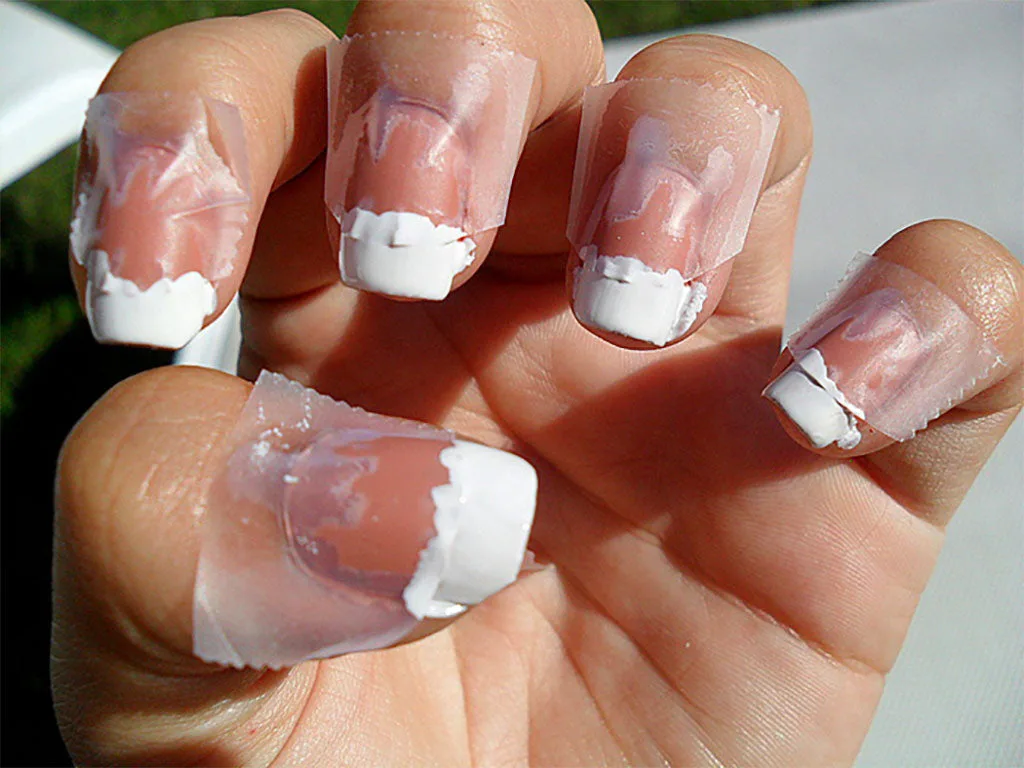
- Lifting: This is when the gel polish starts to separate from the natural nail, often seen around the cuticle or along the free edge. It creates a small gap where moisture and debris can collect.
- Chipping: Small pieces of the polish breaking away from the nail's surface. This can happen due to impact or stress on the nail.
- Cracking: Similar to chipping, but the polish develops a split or fissure rather than breaking off a piece.
- Surface Wear: The polish might start to look dull, scratched, or worn down, especially on the tips or areas of high contact.
Natural Nail Growth Visibility
As your natural nails grow, you’ll inevitably see more of your own nail emerging from the cuticle. While this doesn't mean the gel polish itself has failed, it can affect the overall look of the manicure. For many, a prominent regrowth line is a visual cue that it’s time for a new application.
The length of your nail growth cycle, which can vary between individuals, will directly impact how quickly this becomes noticeable.
Factors That Speed Up Gel Polish Changes
Several elements in your daily life and your natural nail characteristics can influence how long your gel polish stays looking its best. Understanding these factors helps you anticipate when you might need to schedule your next appointment.
Your Daily Grind: Lifestyle and Hand Use
The way you use your hands daily is a major determinant of gel polish longevity. If your work or hobbies involve a lot of manual labor, frequent contact with water, or exposure to chemicals, your gel polish will likely experience more wear and tear. This can lead to premature lifting or chipping.
- Frequent hand washing: Constant exposure to water can weaken the bond between the gel and the nail.
- Household chores: Cleaning products, scrubbing, and prolonged moisture can degrade the gel.
- Physical activities: Sports, gardening, or any activity involving impact or friction can damage the polish.
- Typing or frequent key usage: Repetitive impact on the nail tips can cause wear.
Nail Health and Growth Rate
Your natural nail’s condition and how quickly it grows play a significant role in how long gel polish remains appealing. Some people naturally have stronger, more resilient nails, while others have thinner, more flexible nails that might be more prone to flexing. This flexing can stress the gel, leading to lifting.
- Nail Flexibility: Thinner or more flexible nails can bend more easily, which can stress the gel overlay and potentially cause it to detach.
- Growth Speed: If your nails grow quickly, you’ll notice the natural nail line at the cuticle sooner, prompting a desire for a change even if the polish is otherwise intact. The average nail growth rate is about 3.5 millimeters per month.
- Nail Strength: Stronger nails are less likely to bend excessively, providing a more stable base for gel polish.
The Golden Rules: What NOT to Do with Gel Polish
When it comes to removing or maintaining gel polish, there are a few critical "don'ts" that are paramount for protecting your natural nails. Ignoring these can lead to damage that takes a long time to recover from.
Why You Should Never Peel or Pick
Peeling or picking at gel nail polish is one of the most common, yet detrimental, habits. Gel polish adheres strongly to the nail plate. When you forcefully remove it by picking or peeling, you are not just removing the polish; you are likely stripping away layers of your natural nail along with it.
This leaves your nails thin, weak, and vulnerable to breakage and further damage. Our research indicates this practice can lead to significant nail plate trauma.
Dangers of Forcing Gel Removal
If gel polish is stubbornly attached and doesn't come off easily with proper soaking, avoid the temptation to force it. Aggressively scraping or prying the gel off can cause physical trauma to your nail bed. Manufacturer specifications for proper gel removal consistently emphasize gentle methods, usually involving soaking in acetone.
If the soak isn't working, it's better to seek professional help rather than risk damaging your natural nails.
When to Book Your Next Gel Manicure
Deciding when to get your gel polish redone involves balancing visual appeal with nail health. There isn't a single, strict timeline, but rather a set of guidelines that help you make the best decision for your nails.
The 2-3 Week Guideline
For most individuals, aiming to change gel nail polish every 2 to 3 weeks is a practical and safe timeframe. This duration allows the gel to maintain its integrity and aesthetic appeal without becoming overly worn or causing stress to the natural nail due to excessive growth. This general recommendation is based on average wear patterns and typical nail growth rates, as confirmed by industry standards.
Adjusting for Active Lifestyles
If you have a very active lifestyle, engage in regular manual labor, or frequently expose your hands to water or chemicals, you might find that your gel polish doesn't last the full 2 to 3 weeks. In such cases, it's wise to consider a refresh closer to the 1.5 to 2-week mark. This proactive approach can prevent premature lifting and chipping, ultimately protecting your natural nails from potential damage.
Expert Tips for Gel Polish Longevity
Professional nail technicians often share insights that can help extend the life and appearance of your gel manicure between appointments. These tips focus on proper care and avoiding actions that compromise the polish or your nails.
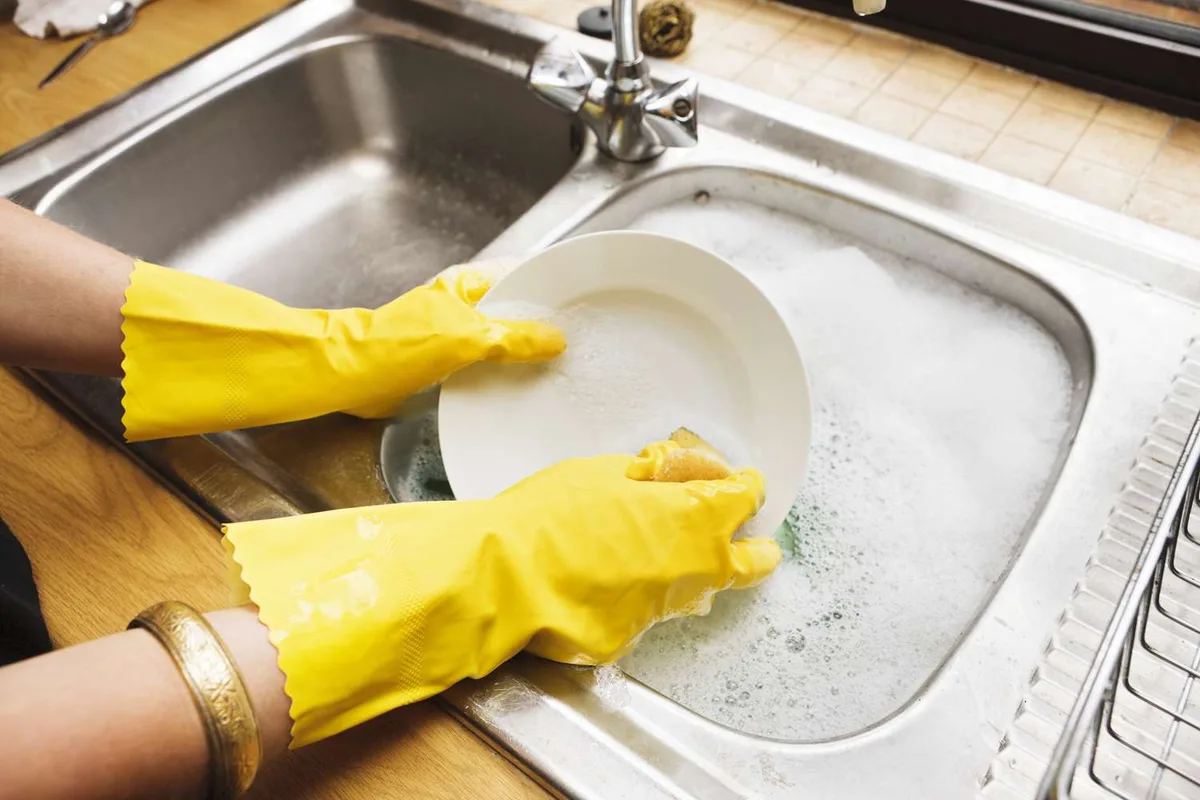
- Wear gloves: When doing household chores, especially those involving water or cleaning chemicals, wear rubber gloves to protect your manicure. This simple step creates a barrier that significantly reduces wear and tear.
- Moisturize regularly: Keeping your cuticles and surrounding skin hydrated with a good quality cuticle oil or hand cream can help maintain the flexibility of both your natural nail and the gel polish. Dryness can make both brittle.
- Avoid using nails as tools: Refrain from using your gel-polished nails to scrape, pry, or open anything. They are for aesthetic purposes, not for manual labor.
- Be mindful of products: Some harsh chemicals or abrasive scrubs can degrade gel polish over time. Be aware of the products you use on your hands and nails.
- Professional removal is best: When it's time for a change, always opt for professional removal or a meticulously followed at-home soak-off process. Avoid any form of forceful scraping or peeling. This aligns with recommendations found on professional beauty resource sites and manufacturer guidelines for optimal nail health.
Frequently Asked Questions About Gel Polish Changes
How long does gel polish typically last before needing a change?
Generally, gel polish can last between 2 to 3 weeks. This timeframe is an average, and individual results can vary based on lifestyle and nail care habits.
Can I keep gel polish on for longer than 3 weeks?
While some might be able to wear gel polish for longer, it’s not typically recommended. Excessive natural nail growth can lead to lifting, and the polish itself may start to degrade, potentially causing damage.
What happens if I don't change my gel polish when it starts to lift?
If gel polish lifts, it creates a gap where moisture and bacteria can enter, which can lead to nail infections. It also increases the risk of snagging and tearing the polish, potentially damaging your natural nail underneath.
Does the type of gel polish affect how often I need to change it?
The formulation and brand of gel polish can have some impact, but the most significant factors remain your lifestyle and nail care. Higher-quality products may offer slightly better durability, but proper application and removal are key.
Should I change gel polish if it's still intact but I want a new color?
Yes, if you want a new color and the old gel is still in good condition, it should still be removed properly. Applying new gel over old gel can lead to improper adhesion and potential lifting issues.