How Often Should Beauty Tools Be Replaced?
You love your beauty tools. They're part of your daily ritual, helping you look and feel your best. But just like anything you use regularly, they don't last forever.
Knowing how often should beauty tools be replaced is key to maintaining hygiene, effectiveness, and even preventing skin issues.
It's not just about them looking worn out; unseen bacteria can thrive on neglected tools. For instance, professional beauty organizations often recommend specific cleaning frequencies, with some items, like silicone-based facial cleansing brushes, needing replacement every 6 to 12 months to ensure optimal performance and hygiene.
Quick Answer
Most beauty tools need replacing every 6 months to 2 years, depending on the item's type, material, and how often you use it. Makeup brushes typically last 6-12 months with proper cleaning, while skincare devices might range from 1-3 years. Hair removal tools with blades require regular replacement, often as soon as you notice dullness, typically every 2-3 months.
How Often to Replace Makeup Brushes: Bristle by Bristle
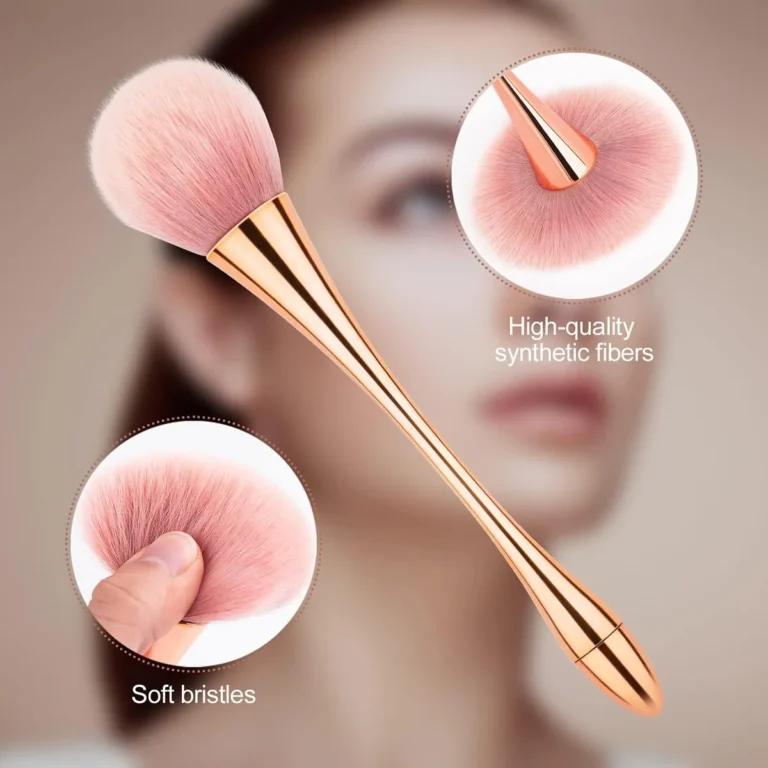
Your makeup brushes are workhorses, blending foundation, sweeping blush, and defining your eyes. Over time, though, the bristles can splay, shed, or become permanently stained, impacting product application and hygiene. Our research indicates that most makeup brushes, even with regular cleaning, should be considered for replacement within a 6 to 12-month window, depending on the bristle type and frequency of use.
Signs Your Brushes Are Past Their Prime
- Bristle Splaying: If the brush head fans out unevenly and won't return to its original shape, even after washing, it's lost its structural integrity. This means uneven product pickup and application.
- Shedding Bristles: Finding stray hairs on your face or in your makeup product is a clear sign of wear and tear. This can happen when the glue holding the bristles together weakens or the ferrule (the metal part) loosens.
- Stains and Discoloration: While some staining from pigmented products is normal, persistent discoloration that won't wash out indicates that product has been deeply embedded into synthetic or natural fibers, harboring bacteria.
- Bristle Texture Changes: If bristles feel scratchy, rough, or lose their softness, they're likely damaged. This can irritate your skin and make blending difficult.
- Loose Ferrule or Handle: If the metal part connecting the bristles to the handle wiggles, or the handle itself feels loose, the brush is structurally unsound and a hygiene risk.
How Often to Deep Clean vs. Replace
- Daily/Weekly Cleaning: For makeup brushes used with liquid or cream products (like foundation or concealer), a quick cleanse after each use with a gentle soap or brush cleaner is recommended. For powder products, a thorough wash once a week is usually sufficient. This keeps them hygienic and performing well.
- Deep Cleaning: Aim for a deep clean with a specialized brush cleaner every 1-2 weeks for frequently used brushes. This removes embedded product and bacteria.
- When to Replace: Even with diligent cleaning, the materials will degrade. If you notice any of the signs above, it’s time to invest in new brushes. High-quality brushes might last closer to the 12-month mark, while more affordable options might need replacing sooner, around the 6-month mark. For professional use, replacement intervals are often shorter to maintain the highest standards.
Skincare Device Lifespans: What the Manual Doesn't Always Tell You
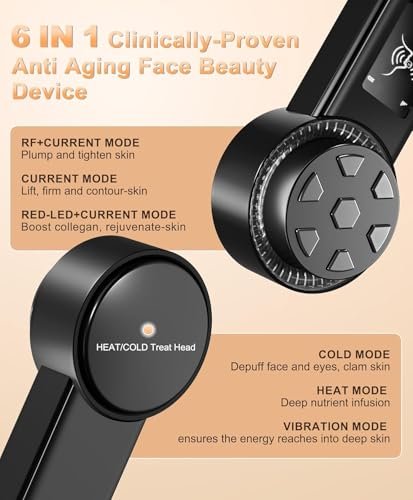
Skincare devices, from ultrasonic cleansers to microcurrent machines, promise enhanced results. But like any electronic or silicone-based tool, they have a lifespan. Manufacturer specifications often provide general guidelines, but real-world usage, cleaning habits, and the materials used all play a significant role in how long these devices remain effective and safe.
Our research suggests most devices, when cared for properly, should see you through 1 to 3 years of consistent use.
Silicone Cleansing Tools: Wash, Wear, and When to Wave Goodbye
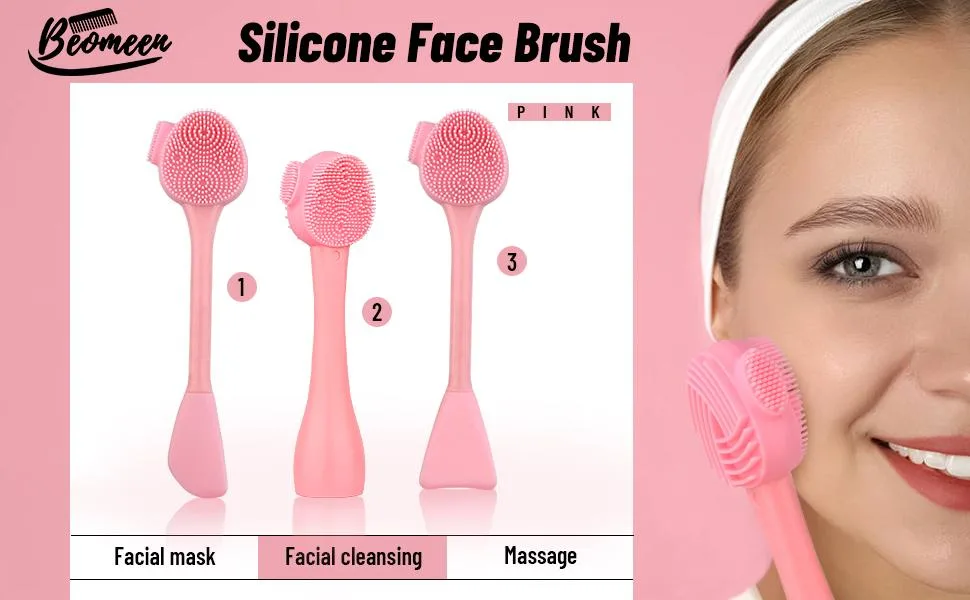
Silicone facial cleansing brushes are popular for their gentle yet effective exfoliation. However, the silicone itself can degrade over time, and improper cleaning can lead to bacterial growth within the nooks and crannies.
- Lifespan: Generally, a good quality silicone cleansing brush should last between 6 to 12 months with daily use. Some higher-end models might push this to 18 months.
- Signs of Wear:
- Surface Changes: The silicone might become sticky, develop tiny tears, or lose its smooth texture.
- Persistent Odors: Even after thorough washing, if the device retains a sour or mildewy smell, it's a strong indicator of trapped bacteria that can't be fully removed.
- Reduced Vibration/Pulsation: If the device's motor power seems to diminish, it could be a sign of internal wear.
- Discoloration: While some darkening from products can occur, excessive or patchy discoloration might suggest material degradation.
- Replacement Frequency: It’s wise to consider replacing your silicone cleansing tool every 6 to 12 months, especially if you notice any of the above signs. This ensures you're not reintroducing bacteria to your skin, which can lead to breakouts. For those who use it less frequently, you might extend this slightly, but hygiene remains paramount.
Facial Rollers and Gua Sha: Durability vs. Discoloration
Tools like facial rollers (often made of jade, rose quartz, or amethyst) and gua sha stones are generally quite durable. They don't have electronic components to fail. Their lifespan is primarily dictated by physical damage and material integrity.
- Lifespan: These tools can last for many years, potentially a lifetime, if cared for properly. They are not typically considered disposable items in the same way as brushes.
- Signs of Wear:
- Cracks or Chips: Dropping these tools can cause them to chip or crack. These imperfections can harbor bacteria and make the tool unsafe to use on the skin, as sharp edges could cause nicks.
- Discoloration: Natural stones can sometimes absorb oils or products, leading to discoloration. While not always a hygiene issue, it can affect the aesthetic.
- Loose Roller Head: If you have a facial roller with a metal or plastic frame holding the stone, check that the stone is securely fitted. A wobbly roller can eventually fall out.
- When to Replace: You generally don't "replace" these tools unless they become physically damaged (cracked, chipped). Regular cleaning with soap and water, followed by a wipe with rubbing alcohol (ensure it's fully dry before use), will keep them hygienic.
Hair Styling Tool Longevity: Heat, Blades, and Wear
Hair styling tools are subjected to high heat, constant movement, and sometimes, sharp blades. This intense use means they have a definite lifespan. Understanding when these tools are no longer performing optimally or safely is crucial for both your hair's health and your personal safety.
Curling Irons & Straighteners: When Coatings Fade
These tools rely on specific surfaces to create smooth, effective styles without damaging hair. The materials and coatings are key to their function.
- Lifespan: High-quality curling irons and flat irons, with ceramic, tourmaline, or titanium plates/barrels, can last anywhere from 3 to 5 years, sometimes longer, with diligent care. Cheaper models may only last 1 to 2 years.
- Signs of Wear:
- Uneven Heating: If the plates or barrel no longer heat up uniformly across their surface, styling will be inconsistent, and you might end up over-processing sections of your hair.
- Damaged Coatings: Look for chipping, peeling, or scratching on the plates or barrel. These damaged areas can snag hair, leading to breakage and frizz. Ceramic coatings, in particular, can wear down over time.
- Stuck Hair: If hair starts sticking to the plates or barrel, the non-stick or heat-conductive surface is compromised.
- Fraying Cord: A frayed power cord is a significant safety hazard, indicating the tool needs immediate replacement.
- Maintenance for Longevity: Always allow the tool to cool completely before storing. Wipe down the plates or barrel after each use with a slightly damp cloth (or a specialized cleaner if recommended by the manufacturer) to remove product buildup. Avoid using aerosol sprays directly before or during use, as they can leave a sticky residue.
Hair Clippers & Trimmers: The Sharpness Factor
The effectiveness of clippers and trimmers hinges on sharp, well-aligned blades. Dull blades tug at hair, cause irritation, and can lead to an uneven cut.
- Lifespan: The blades themselves are often the limiting factor. For home use, high-quality trimmer blades might last 6 months to 1 year with regular cleaning and oiling. Professional-grade clippers, used daily, might require blade replacement every 2 to 4 months, or even more frequently. The motor and housing can last much longer, often 5 years or more.
- Signs of Dullness:
- Tugging or Pulling: If the blades snag or pull at your hair instead of cutting cleanly, they're likely dull.
- Increased Effort Needed: You might find yourself having to go over the same area multiple times to achieve a clean cut.
- Uneven Cuts: Even with careful technique, dull blades produce an inconsistent result.
- Heat Build-up: Dull blades create more friction, causing the clipper head to get unusually hot.
- When to Replace: Blades are typically replaceable components. If the clipper or trimmer body is still in good condition, you can often buy new blade sets. For electric shavers, consider replacing the entire head assembly every 12 to 18 months, as recommended by most manufacturers, to maintain optimal performance and hygiene. If the motor seems weak or the tool feels flimsy, it might be time for a whole new unit.
Nail Care Tools: Hygiene and Sharpness Matter Most
Your manicure and pedicure tools are small but mighty, and their condition directly impacts the health and appearance of your nails. Unlike makeup brushes, which can harbor bacteria, nail tools pose risks of nicks, cuts, and infections if they are dull, damaged, or unhygienic.
Files and Buffers: The Disposable Dilemma
Nail files and buffers are generally considered consumable items. Their abrasive surfaces wear down with use, and their porous nature makes them difficult to fully sanitize.
- Lifespan:
- Emery Boards/Disposable Files: These are typically used until they’ve visibly worn down or are no longer effective at shaping the nail. This could be anywhere from a few weeks to a couple of months, depending on how often you file your nails and the coarseness of the file.
- Glass/Crystal Files: These are more durable and can last for years if cared for properly. They are also easier to sanitize.
- Buffers: Similar to files, their abrasive surfaces wear down. A standard buffer might last a few months.
- When to Replace: If a file or buffer feels less effective, is physically damaged (e.g., peeling layers on a buffer, edge chipped on a file), or if you're sharing tools and can't properly disinfect them, it's time for a new one. Given their low cost, replacing disposable files and buffers regularly is a simple way to ensure good nail health.
Metal Implements: Rust, Dents, and Damage
Tools like nail clippers, cuticle nippers, and cuticle pushers are usually made of stainless steel and can last a very long time if maintained well. However, damage or neglect can render them unsafe.
- Lifespan: High-quality stainless steel nail tools can last for many years, even a lifetime, if properly maintained.
- Signs of Wear:
- Dull Blades: If nail clippers aren't cutting cleanly, or if cuticle nippers are pinching rather than snipping, the blades are dull. This can lead to ragged nail edges or painful micro-tears on the skin. Re-sharpening might be an option for professional tools, but for most home use, replacement is more practical.
- Rust Spots: Even stainless steel can develop rust if left wet or exposed to harsh chemicals. Rust is unhygienic and can transfer to your nails or skin.
- Bent or Warped Metal: If implements become bent or warped, their alignment is compromised, affecting their precision and safety.
- Loose Joints: For nippers or pliers, a loose joint means they won't close properly, making them ineffective and potentially dangerous.
- Hygiene: Metal tools must be thoroughly cleaned with soap and water after each use, and ideally, sanitized with rubbing alcohol or a sterilizing solution. If you share tools, professional sterilization is essential. If any tool shows signs of damage or rust, it should be replaced immediately to prevent infection.
The Hygiene Hub: Bacterial Buildup and Replacement
Think about it: your beauty tools touch your skin, hair, and nails daily. They can pick up dead skin cells, oils, makeup residue, and bacteria. If not cleaned properly and replaced when worn out, these tools can become breeding grounds for germs, leading to breakouts, infections, and general skin issues.
Our analysis of hygiene standards suggests that many common beauty tools harbor significant bacterial loads if not regularly maintained.
- The Risk: A study published in the Journal of Applied Microbiology found that makeup brushes, for example, can carry more bacteria than a toilet seat. This isn't to scare you, but to highlight why tool hygiene is non-negotiable. Introducing these bacteria back onto your face or scalp can lead to acne, folliculitis, or even more serious skin infections.
- Beyond Cleaning: While regular cleaning is crucial, it's not always enough to keep tools perfectly hygienic. Over time, materials can degrade, becoming porous or losing their ability to be effectively sterilized. Bristles fray, silicone develops micro-tears, and metal blades dull. These changes not only reduce the tool's effectiveness but also create hiding spots for microbes.
- Replacement as Hygiene: Therefore, replacing worn-out tools is a vital part of maintaining a clean beauty routine. It's about proactively preventing problems before they start. As of 2026, there's a growing emphasis in the beauty industry on sustainable practices, which includes mindful replacement, choosing durable items and replacing them only when truly necessary, but recognizing that necessity for hygiene reasons. This balance is key to both effective beauty practices and overall wellness.
Making Your Beauty Tools Last (or Knowing When They Can't)
You've invested in your beauty tools, and you want them to perform well for as long as possible. The good news is that with a little attention to care and maintenance, you can often extend their useful life. However, there's a fine line between making a tool last and clinging to something that's no longer serving you well, or worse, is actively causing harm.
Extending Lifespan:
- Cleanliness is Key: This bears repeating. For makeup brushes, wash them thoroughly with a gentle cleanser every week or two, depending on use and product type. For electronic devices, wipe them down after each use and perform deeper cleans as recommended by the manufacturer. Metal implements should be washed and dried immediately after use, then sanitized.
- Proper Drying: After washing, always allow tools to air dry completely. For brushes, dry them pointing downwards to prevent water from seeping into the ferrule and loosening the glue. Never store damp tools.
- Correct Storage: Keep tools in a clean, dry place. Makeup brushes are best stored upright in a holder or laid flat to prevent bristle damage. Electronic devices should be stored in their original cases or protective pouches to prevent dust and damage. Avoid storing metal implements loosely with other tools where they can scratch or get bent.
- Gentle Use: Avoid excessive force when applying makeup or styling hair. For skincare devices, follow the recommended pressure and duration.
Knowing When It's Time to Let Go:
Despite your best efforts, some tools will simply wear out. It’s important to recognize the signs.
- Performance Decline: If a tool isn't performing its primary function effectively anymore, whether it's a brush that won't blend, a blade that tugs, or a device that heats unevenly, it’s likely time for a replacement.
- Structural Damage: Cracks, deep scratches, loose parts, or significant shedding are all indicators that the tool is compromised.
- Hygiene Concerns: If a tool consistently retains odors, discolors stubbornly, or shows signs of rust or degradation that cannot be cleaned, it’s a health risk.
- Safety Hazards: A frayed cord on an electronic tool or a chipped metal edge on a nail implement is a serious safety concern that demands immediate replacement.
Ultimately, balancing extending the life of your tools with ensuring their hygiene and effectiveness is about mindful observation. Check your tools regularly, follow care instructions, and don't hesitate to replace them when their performance or condition signals that their time is up. This proactive approach ensures your beauty routine remains safe and effective.
For guidance on developing good routines, consider resources on how to build a simple beauty routine or what beauty habits you should develop.
Your Beauty Tool Replacement Decision Guide
Deciding when to replace a beauty tool often comes down to a few key factors. Think of this as a quick checklist to help you make the right call.
1. What type of tool is it?
- Consumables (Files, Buffers, Disposable Blades): Replace when visibly worn, dull, or no longer effective. For disposable items, replace after a set number of uses or a few months.
- Brushes & Sponges: Replace when bristles splay, shed excessively, are permanently stained, or the handle/ferrule is loose. Generally 6-12 months with good care.
- Electronic Devices (Facial Cleansers, Hair Tools): Replace when performance degrades (uneven heat, weak vibrations), coatings are damaged, or safety hazards appear (frayed cords). Lifespans vary from 1-5 years.
- Metal Implements (Clippers, Nippers): Replace if blades are dull, they rust, or parts become bent/loose. High-quality stainless steel can last years if cleaned and sanitized properly.
- Stone/Crystal Tools (Rollers, Gua Sha): Replace only if chipped, cracked, or severely damaged. Hygiene is maintained through regular cleaning.
2. How often do you use it?
- Daily Use: Tools used every day will wear out faster. Plan for more frequent replacement, especially for makeup brushes and hair styling tools.
- Occasional Use: Tools used only a few times a month might last longer, but still check for signs of degradation and maintain hygiene.
3. What condition is it in?
- Visible Damage: Splayed bristles, chips, cracks, rust, frayed cords.
- Performance Issues: Dullness, uneven heating, weak vibrations, tugging, or poor application.
- Hygiene Problems: Persistent odors, deep stains that won't wash out, signs of mold or mildew.
When in doubt, err on the side of caution. Replacing a tool is often less costly than dealing with a skin infection or poor results. Investing in quality tools that are designed to last, and following proper care routines, will help you get the most value from your beauty arsenal. For guidance on developing good routines, consider resources on how to build a simple beauty routine or what beauty habits you should develop.
Frequently Asked Questions
How long do makeup brushes typically last?
Most makeup brushes, with proper daily or weekly cleaning and care, should be considered for replacement every 6 to 12 months. Synthetic brushes might last a bit longer than natural hair brushes, but both will eventually show signs of wear like shedding or splaying.
When should I replace my electric toothbrush head?
Electric toothbrush heads usually need replacing every 3 months. This is a standard recommendation from dental professionals and manufacturers to ensure effective plaque removal and prevent bacterial buildup.
Can I sterilize my beauty tools at home?
Yes, you can sterilize some metal beauty tools at home using rubbing alcohol (isopropyl alcohol) after washing them with soap and water. For other tools, like brushes, thorough washing and air drying is the best approach. Always check manufacturer instructions.
What are the signs that a hair clipper blade needs replacing?
Signs include the blade tugging or pulling hair instead of cutting cleanly, uneven cutting results, or excessive heat build-up during use. Dull blades create friction, which can cause discomfort and damage your hair.
How often should silicone skincare cleansing devices be replaced?
Silicone cleansing devices generally need replacement every 6 to 12 months. While durable, the silicone can degrade, become sticky, or harbor bacteria that are difficult to fully remove, even with washing.