What Beauty Products Do I Need Every Day?
Figuring out what beauty products you truly need every day can feel overwhelming with so many options out there. Most people want a straightforward routine that works for them without being overly complicated or expensive. The goal is simple: effective skincare that addresses your unique needs and fits into your life.
Our research indicates that a well-chosen daily regimen doesn't require a cabinet full of products. Instead, it focuses on essential steps and ingredients backed by dermatological understanding. The American Academy of Dermatology (AAD) emphasizes that consistency with a few key items often yields better results than a vast, haphazard collection.
Quick Answer
The absolute must-haves are a gentle cleanser, a good moisturizer, and a broad-spectrum sunscreen with at least SPF 30. These three products address the fundamental needs of keeping skin clean, hydrated, and protected from daily environmental damage. A cleanser removes impurities, moisturizer hydrates and protects your skin barrier, and sunscreen shields against sun damage.
Your Skin: The Starting Point for Your Daily Routine
Before you even think about products, you've got to understand the skin you're working with. Knowing your skin's specific characteristics helps you pick the right ingredients and formulas that will actually help, not hinder.
Understanding Your Skin Type
Your skin type is your baseline, it tells you how your skin generally behaves. It's usually categorized by how much oil (sebum) your skin produces. This is a fundamental factor because different types require different product textures and formulations.
- Oily Skin: Often looks shiny, especially in the T-zone (forehead, nose, chin). Pores can appear enlarged, and it's prone to blackheads and breakouts. Oily skin types usually benefit from lightweight, non-comedogenic (won't clog pores) products.
- Dry Skin: Can feel tight, especially after washing. It may appear flaky, rough, or dull. Dry skin needs richer, more emollient (moisturizing) products to lock in hydration and support the skin barrier.
- Combination Skin: This is common, with oily areas (usually the T-zone) and drier or normal areas on the cheeks. You might need different products for different parts of your face or find products that balance both needs.
- Normal Skin: Neither too oily nor too dry. It's generally well-balanced, with minimal visible pores and few imperfections. This type has more flexibility with product choices but still benefits from core care.
- Sensitive Skin: Reacts easily to products, environmental factors, or even stress. This can manifest as redness, itching, burning, or stinging. Sensitive skin requires gentle, fragrance-free, and minimal-ingredient formulations.
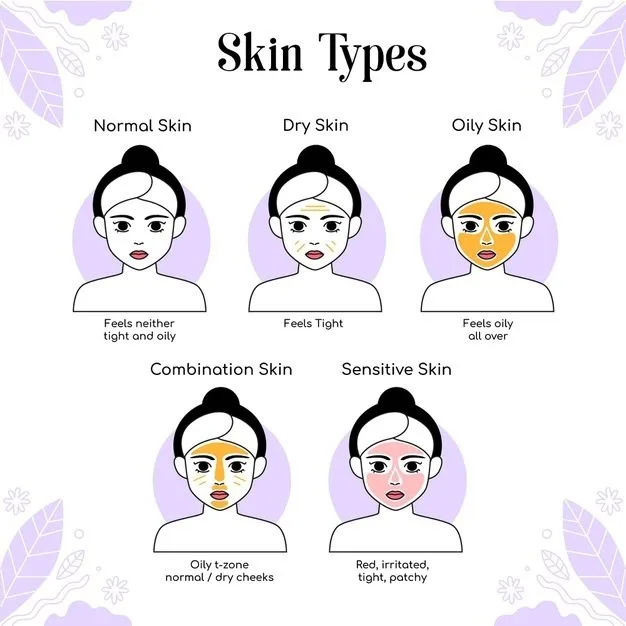
Image source: Web (Bing) / in.pinterest.com (Web image (fair-use with source credit))
Identifying Your Skin Concerns
Beyond your skin type, you likely have specific "concerns" you want to address. These are issues that appear over time or are persistent, like acne, fine lines, or uneven tone. Your concerns will guide your choice of active ingredients.
- Acne/Breakouts: This involves pimples, blackheads, whiteheads, or cystic blemishes. Ingredients like salicylic acid, benzoyl peroxide, or retinoids are often recommended.
- Aging: Fine lines, wrinkles, loss of firmness, and age spots fall into this category. Retinoids, vitamin C, peptides, and antioxidants are key players here.
- Hyperpigmentation: Dark spots, sun spots, or post-inflammatory marks left by acne. Vitamin C, niacinamide, alpha hydroxy acids (AHAs), and retinoids can help fade these.
- Redness/Rosacea: Persistent redness, flushing, or visible blood vessels. Ingredients like niacinamide, centella asiatica, and azelaic acid can help soothe and calm.
- Dullness: Skin that lacks radiance and looks tired. Exfoliants (AHAs/BHAs) and brightening agents like vitamin C can revive its glow.
When you understand both your skin type and your primary concerns, you can start building a routine that’s tailored specifically for you. This personalized approach is much more effective than following generic advice.
The Daily Skincare Essentials: What They Are and Why
These are the non-negotiable steps for almost everyone, regardless of skin type or concern. They form the foundation of healthy skin, ensuring it's clean, hydrated, and protected. We're talking about three core products that form the backbone of almost any effective daily routine.
Cleanser: The Foundation of Clean
A good cleanser removes dirt, oil, makeup, and pollutants that accumulate on your skin throughout the day and night. Using the wrong type can strip your skin of its natural oils or leave residue behind. The goal is to cleanse effectively without compromising your skin's delicate barrier.
- What it does: Lifts away impurities without excessive stripping.
- Who needs it: Everyone, twice a day.
- Key considerations:
- Foaming cleansers: Good for oily or acne-prone skin. They create a lather to lift oil and debris.
- Cream or lotion cleansers: Ideal for dry or sensitive skin. They are more emollient and hydrating.
- Gel cleansers: A good middle ground, often suitable for normal to combination skin.
- Oil cleansers (first step in a double cleanse): Excellent for removing makeup and sunscreen.
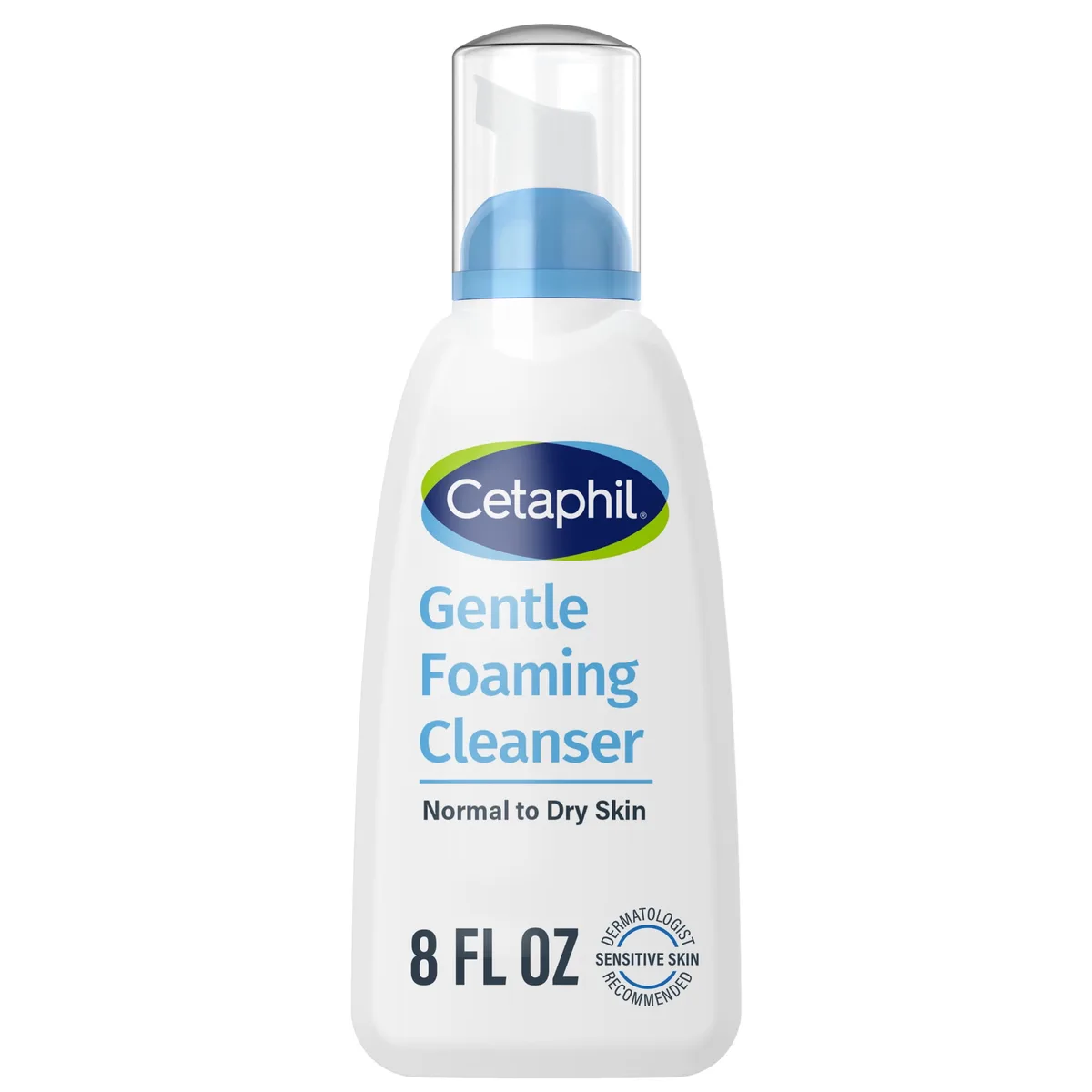
Image source: Bing (Web (fair-use with source credit))
When looking at labels, a cleanser should ideally be pH-balanced, meaning it’s closer to your skin's natural pH (around 4.5-5.5). This helps maintain your skin's protective barrier. Avoid cleansers with harsh sulfates like Sodium Lauryl Sulfate (SLS) if your skin is sensitive, as they can be too drying.
Moisturizer: Hydration and Barrier Support
Moisturizer is crucial for replenishing and locking in hydration, keeping your skin soft, supple, and protected. It’s not just about dryness; even oily skin needs moisture, otherwise, it might overproduce oil to compensate. A moisturizer helps maintain your skin's natural barrier function, which is vital for overall skin health.
- What it does: Hydrates the skin and strengthens its protective barrier.
- Who needs it: Everyone, at least once a day, ideally twice.
- Key considerations:
- Lotions: Lighter, water-based formulas, good for normal to oily skin or warmer climates.
- Creams: Thicker, richer, and more emollient, best for dry or mature skin or in colder weather.
- Gels: Very lightweight and often water-based, ideal for oily or acne-prone skin as they absorb quickly without feeling heavy.
- Ointments: The thickest option, forming a protective seal. Best for extremely dry or compromised skin, typically used overnight.
Look for moisturizers containing ingredients like hyaluronic acid, ceramides, glycerin, and fatty acids. These work to attract and retain moisture, and repair the skin barrier. The texture you choose should align with your skin type.
Sunscreen: Your Non-Negotiable Protector
This is arguably the most important step in any skincare routine, not just for preventing sunburn but for long-term skin health and anti-aging. Sunscreen protects against harmful ultraviolet (UV) radiation from the sun, which causes premature aging, dark spots, and significantly increases the risk of skin cancer.
- What it does: Protects skin from damaging UV rays.
- Who needs it: Everyone, every single day, rain or shine.
- Key considerations:
- SPF (Sun Protection Factor): Look for at least SPF 30 for daily use. SPF 30 blocks about 97% of UVB rays, while SPF 50 blocks about 98%.
- Broad Spectrum: This label means the sunscreen protects against both UVA (aging rays) and UVB (burning rays). It's critical for comprehensive protection.
- Chemical vs. Mineral: Chemical sunscreens absorb UV rays, while mineral sunscreens (containing zinc oxide or titanium dioxide) physically block them. Mineral sunscreens are often preferred for sensitive skin.
As of 2026, the FDA recommends a minimum of SPF 30 and broad-spectrum protection for adequate daily defense against UV damage. Applying sunscreen liberally to all exposed skin is key. Don't forget your neck, ears, and the backs of your hands.
Beyond the Basics: Boosting Your Routine (When You Need It)
Once you have your core three, cleanser, moisturizer, and sunscreen, you might consider adding extra steps to target specific concerns. These aren't always mandatory for everyone, but they can significantly enhance your skin's health and appearance if you have particular goals. Think of these as the advanced upgrades for your skincare.
Serums: Targeted Treatments for Specific Goals
Serums are concentrated treatments packed with active ingredients designed to address specific skin issues. Because they have a high concentration of beneficial compounds and a small molecular size, they can penetrate deeper into the skin. You typically apply a serum after cleansing and toning, but before your moisturizer.
- What they do: Deliver potent active ingredients to target concerns like aging, dark spots, or dehydration.
- Who might need them: Anyone with specific skin concerns they want to actively treat.
- Examples of key ingredients and their purpose:
- Hyaluronic Acid: For intense hydration; plumps skin and reduces the appearance of fine lines caused by dehydration.
- Vitamin C: A powerful antioxidant that brightens skin, fades dark spots, and boosts collagen production. Use in the morning to protect against environmental damage.
- Niacinamide (Vitamin B3): Helps with redness, pores, oil control, and strengthening the skin barrier.
- Retinoids (like Retinol): Highly effective for anti-aging, acne, and improving skin texture by promoting cell turnover. Best used at night.
- Peptides: Signal skin cells to perform specific functions, like building collagen, helping with firmness and wrinkles.
Choosing a serum depends entirely on your identified skin concerns. If you're dealing with dullness and dark spots, a Vitamin C serum in the morning and a retinol serum at night might be a good combination. For those focused on hydration and barrier repair, a hyaluronic acid or niacinamide serum is often recommended.
Toners: Balancing and Prepping the Skin
Toners have evolved a lot from the harsh, alcohol-laden astringents of the past. Today's toners are designed to hydrate, balance the skin's pH, and prep it to better absorb subsequent products. They can also offer additional benefits depending on their ingredients.
- What they do: Rebalance skin's pH, hydrate, and help other products absorb better.
- Who might need them: Most skin types can benefit, especially if using stronger treatments.
- Types of toners:
- Hydrating Toners: Contain humectants like glycerin or hyaluronic acid to add moisture.
- Exfoliating Toners: Contain AHAs (like glycolic acid) or BHAs (like salicylic acid) to gently remove dead skin cells. Use these cautiously, especially if you're new to them, and typically not daily at first.
- Soothing Toners: Contain ingredients like aloe vera, chamomile, or green tea to calm irritation.
If your cleanser is effective but leaves your skin feeling slightly tight, a hydrating toner can immediately restore comfort. They can also help ensure your serums and treatments are working optimally by creating a receptive canvas on the skin.
Eye Creams: Addressing Delicate Areas
The skin around your eyes is much thinner and more delicate than the skin on the rest of your face. This makes it more prone to showing signs of aging, like fine lines, wrinkles, and puffiness, as well as dark circles. Eye creams are specifically formulated with a gentler concentration of ingredients to address these concerns without causing irritation.
- What they do: Target concerns like fine lines, wrinkles, puffiness, and dark circles in the eye area.
- Who might need them: Anyone noticing or concerned about specific issues around their eyes.
- Key ingredients often found: Peptides, retinol (in low concentrations), hyaluronic acid, caffeine (for puffiness), vitamin K (for dark circles), and gentle emollients.
While you can sometimes use your regular facial moisturizer around your eyes, specialized eye creams are formulated to be effective yet mild for this sensitive zone. If you experience irritation from your regular face products, an eye cream is definitely worth considering for that area.
Putting It All Together: Your Personalized Daily Flow
Now that we've broken down the essential products, let's talk about how to use them in a routine. The order matters because it allows each product to work effectively. Think of it like layering clothes, you put on the base layers first.
Building Your Morning Routine
The morning routine is primarily about preparing your skin for the day ahead, protecting it from environmental stressors, and applying any makeup. It’s usually simpler and quicker than the evening routine.
- Cleanse: Start with a gentle cleanser to remove any oil or sweat that accumulated overnight.
- Tone (Optional): If you use a toner, apply it now to balance and prep your skin.
- Serum (Optional): Apply a serum with beneficial antioxidants, like Vitamin C, to protect against free radical damage from pollution and UV rays.
- Eye Cream (Optional): Gently pat on your eye cream if you use one.
- Moisturize: Apply your regular facial moisturizer to keep your skin hydrated.
- Sunscreen: This is the final, crucial step. Apply a broad-spectrum SPF 30 or higher to all exposed skin.
For those prioritizing a minimal routine, you might skip the toner and serum, going directly from cleansing to moisturizing with an SPF.
Crafting Your Evening Routine
The evening routine is dedicated to cleansing away the day's buildup and treating your skin to support repair and regeneration overnight. This is when you can often use more potent active ingredients.
- Cleanse: Thoroughly cleanse your face to remove makeup, sunscreen, and any grime from the day. If you wear heavy makeup or sunscreen, consider a double cleanse: first with an oil cleanser or micellar water, followed by your regular facial cleanser.
- Tone (Optional): Apply your toner to rehydrate and balance the skin.
- Serum/Treatment: This is the prime time for potent actives like retinoids or exfoliating acids. Apply your treatment serum to target specific concerns like aging or acne.
- Eye Cream (Optional): Gently apply your eye cream.
- Moisturize: Apply a nourishing moisturizer to help seal in treatments and keep skin hydrated overnight.
The order ensures that lighter, more active-focused products are applied first, allowing them to penetrate effectively before being sealed in by a heavier moisturizer. If you use multiple active serums, research the best order; often, they aren't mixed or used on the same night.
Common Skincare Mistakes to Sidestep
Even with the best intentions, some common missteps can hinder your progress or even cause irritation. Being aware of these can save you a lot of frustration and money.
- Over-cleansing: Washing your face too often or with harsh products strips your skin's natural oils, leading to dryness, irritation, or even increased oil production.
- Skipping Sunscreen: This is a big one. UV damage is responsible for much of premature aging and is a major risk factor for skin cancer.
- Not Patch Testing: Introducing too many new products at once without testing them can lead to widespread reactions. Always test a new product on a small, inconspicuous area first.
- Using the Wrong Products for Your Skin Type: Heavy creams on oily skin can cause breakouts, while harsh actives on dry, sensitive skin can lead to redness and peeling.
- Exfoliating Too Much: Over-exfoliation can damage your skin barrier, making it red, sensitive, and prone to breakouts. Follow product instructions and listen to your skin.
- Forgetting to Clean Your Tools: Dirty makeup brushes, sponges, or even pillowcases can transfer bacteria to your skin, contributing to breakouts. For example, a dirty best beauty blender cleaner can be a breeding ground for bacteria.
Paying attention to these details ensures your routine supports, rather than harms, your skin's health. Consistent, gentle care is key.
Do You Really Need Every Product? Weighing the Options
The idea of a multi-step routine sounds appealing, promising a luxurious ritual. But for many, the question isn't "how many products?" but "which ones actually make a difference?" You don't need a shelf overflowing with potions to achieve healthy skin.
The "Skinimalism" Approach
"Skinimalism" is all about simplifying your routine to the essentials. It emphasizes using fewer products that are effective and multi-tasking, rather than piling on layers. This approach is often kinder to your skin, your wallet, and the environment.
- Focus on Core Needs: Prioritize cleansing, moisturizing, and sun protection.
- Choose Multi-Taskers: Look for products that combine benefits, like a moisturizer with SPF or a serum that addresses both hydration and brightening.
- Ingredient-Focused: Instead of buying multiple products for different issues, find one or two potent ingredients that tackle your main concerns. For instance, niacinamide is fantastic for multiple issues like redness and pores. You can find it in many effective treatments.
- Listen to Your Skin: If your skin feels good and looks healthy with a simple routine, you likely don't need more.
This philosophy means being selective and understanding what your skin truly needs, rather than what trends suggest. It's about intentionality rather than accumulation.
When to Add or Skip a Step
Deciding whether to add a new product or skip a step in your current routine comes down to observation and your specific goals. If your skin is happy, hydrated, and protected, you might not need to add anything. However, if you're noticing persistent issues, it might be time to introduce a targeted treatment.
Consider Adding If:
- You have a specific concern not addressed by your current routine (e.g., new fine lines, persistent dryness).
- You’ve identified a potent active ingredient known to help with that concern.
- You're willing to introduce one new product at a time and patch-test thoroughly. For example, if you're looking for enhanced makeup application, you might consider a best makeup mixing palette to blend custom shades.
Consider Skipping or Simplifying If:
- Your skin is currently sensitive, irritated, or breaking out. Sometimes, less is more.
- You're overwhelmed by too many steps and find yourself skipping them. A simpler routine is easier to stick to.
- Your current basic routine (cleanse, moisturize, SPF) is delivering great results.
Always remember that consistency with a few key products is far more effective than sporadically using a dozen. If you find yourself rushing in the morning, maybe a best skincare headband to keep hair out of the way makes the process smoother, but it doesn't replace the core steps.
Expert Advice for Everyday Beauty
Getting the right advice is key to building an effective routine. Our research draws from dermatological principles and observed trends in skincare efficacy. The core message from experts is clear: understand your skin's fundamental needs before anything else.
Focus on the pillars of skincare: cleansing to remove impurities, moisturizing to maintain hydration and barrier function, and protection from the sun. The U.S. Food and Drug Administration (FDA) provides clear guidelines on sunscreen efficacy, emphasizing the need for broad-spectrum protection with an SPF of 30 or higher for daily use to prevent sun damage and reduce skin cancer risk.
When choosing products, look beyond marketing claims. Research ingredients and their proven benefits for your specific skin type and concerns. For instance, if you're looking for something to gently buff away dead skin cells without harsh scrubbing, an exfoliating toner with AHAs might be beneficial, but introduce it slowly to avoid irritation.
Don't underestimate the power of consistency. Sticking to a simple, well-chosen routine daily will yield more significant results than frequently switching products or skipping steps. If your skin feels dry, a richer moisturizer might be needed; if it’s oily, opt for lighter, gel-based formulas.
Frequently Asked Questions About Daily Skincare
What are the absolute must-have beauty products for daily use?
The absolute must-haves are a gentle cleanser, a good moisturizer, and a broad-spectrum sunscreen with at least SPF 30. These three products address the fundamental needs of keeping skin clean, hydrated, and protected from daily environmental damage.
Can I just use one product for my whole routine?
While a single product might offer some benefits, it's unlikely to fully address all your skin's needs. A cleanser removes impurities, a moisturizer hydrates and protects the skin barrier, and sunscreen guards against UV damage. These functions are distinct and generally require separate products for optimal results.
How do I know which moisturizer is best for my skin?
Choose a moisturizer based on your skin type. Oily or acne-prone skin often does best with lightweight gel or lotion formulas that are non-comedogenic. Dry or sensitive skin benefits from richer creams containing ceramides, hyaluronic acid, or glycerin to boost hydration and support the skin barrier.
Is it okay to skip sunscreen on cloudy days?
No, it's not. Ultraviolet (UV) rays, particularly UVA rays that contribute to aging and skin damage, can penetrate clouds and windows. Daily use of broad-spectrum sunscreen with SPF 30 or higher is essential, regardless of the weather.
How long does it take to see results from a new skincare routine?
Consistency is key, and results vary. You might notice improvements in hydration and texture within a few weeks. However, addressing concerns like hyperpigmentation or wrinkles can take several months, as skin cell turnover is a slow process.