How Do I Choose a Body Moisturizer?
So, you're trying to figure out how to choose a body moisturizer that actually works for your skin? It's a common puzzle, because the shelves are packed with options, and what feels amazing to one person might just sit there doing nothing for another. Getting it right means more comfortable, healthier-looking skin.
Our research shows that as of 2026, understanding your specific skin type and the role of key ingredients is paramount for effective body moisturization. This guide will break down the science and help you make the best choice, moving you from confusion to confidence about your skincare.
Quick Answer
Choose a body moisturizer by identifying your skin type (dry, oily, normal, sensitive) and desired benefits. Look for humectants like glycerin for hydration, emollients like ceramides for smoothing, and occlusives like petrolatum for sealing moisture. Lotions are lighter, creams are richer, and ointments are heaviest.
Fragrance-free options are best for sensitive skin.
What's Your Skin Trying to Tell You?
Before we even look at bottles, we need to understand what your skin actually needs. Think of this as a quick diagnostic. What you're feeling on your skin day-to-day tells a story, and understanding that story is the first, most crucial step in finding the right body moisturizer.
It's not about guessing; it's about observing and knowing what to look for.
Understanding Your Skin Type: Dry, Oily, Normal, Sensitive?
Your skin type is the foundation of your moisturizer choice. If your skin feels tight or flaky, especially after showering, you likely have dry skin. Those who notice a shiny complexion or breakouts, particularly on the chest and back, tend to have oily or acne-prone skin.
Normal skin generally feels balanced, without major issues. Sensitive skin, on the other hand, reacts easily to products with redness, itching, or irritation. Knowing this basic profile helps narrow down your options considerably.
Common Skin Concerns: Beyond Just Dryness
Beyond broad skin types, individual concerns can also guide your choice. If you're battling redness or inflammation, you'll want products with soothing ingredients. For skin that feels rough and bumpy, look for exfoliants or ingredients that smooth texture.
If your skin barrier feels compromised, meaning it’s easily irritated or doesn't hold moisture well, you’ll need products specifically designed to support and repair that barrier. These targeted needs mean you’ll be looking for different ingredient profiles and product formulations. For instance, if you’re concerned about keeping your skin looking fresh, how can I keep my skin looking fresh? might be a key consideration.
Moisturizer Ingredients: What's Really Working?
The magic, or lack thereof, in any moisturizer lies in its ingredients. They’re not just filler; they’re the active components doing the heavy lifting to hydrate, protect, and improve your skin. Understanding what these ingredients do allows you to move beyond marketing claims and choose products based on proven science.
This knowledge is key to making effective skincare choices.
Humectants, Emollients, and Occlusives: The Hydration Trio
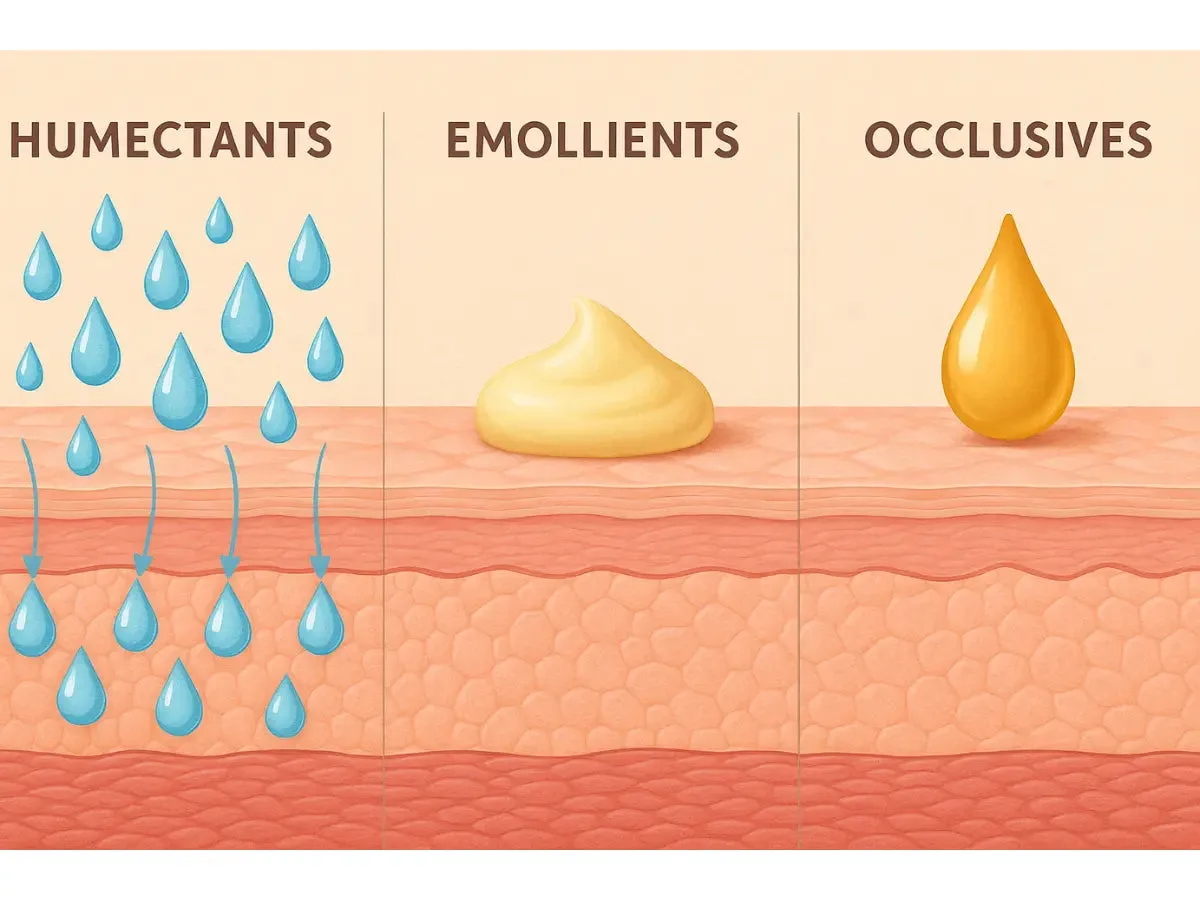
These three categories of ingredients are the backbone of effective moisturization. Humectants, like glycerin and hyaluronic acid, attract water from the environment and deeper skin layers, drawing it into the skin's surface to hydrate it. Emollients, such as ceramides and fatty acids, fill in the gaps between skin cells, smoothing rough patches and making skin feel soft.
Occlusives, like petrolatum or mineral oil, form a physical barrier on the skin, preventing moisture loss. A good moisturizer often combines these elements to provide comprehensive hydration and protection.
Key Ingredients to Look For (And Avoid)
For dry skin, prioritize emollients and occlusives. Look for ingredients like shea butter, ceramides, and petrolatum, which create a rich, protective layer. If you have oily or acne-prone skin, focus on lightweight humectants like hyaluronic acid and niacinamide, and avoid heavy occlusives and pore-clogging oils.
Sensitive skin needs gentle formulations; seek out soothing ingredients such as colloidal oatmeal or centella asiatica, and always opt for fragrance-free products. For beginners, understanding what beauty products are good for beginners? can simplify ingredient choices.
Texture Talk: Lotion, Cream, or Ointment?
The texture of a body moisturizer tells you a lot about its concentration and how it will feel on your skin. This is where you move from understanding ingredients to understanding the product form itself. Different textures serve different purposes and are better suited for various skin conditions and personal preferences, impacting everything from absorption time to the feeling of the skin post-application.
Decoding the Differences in Feel and Function
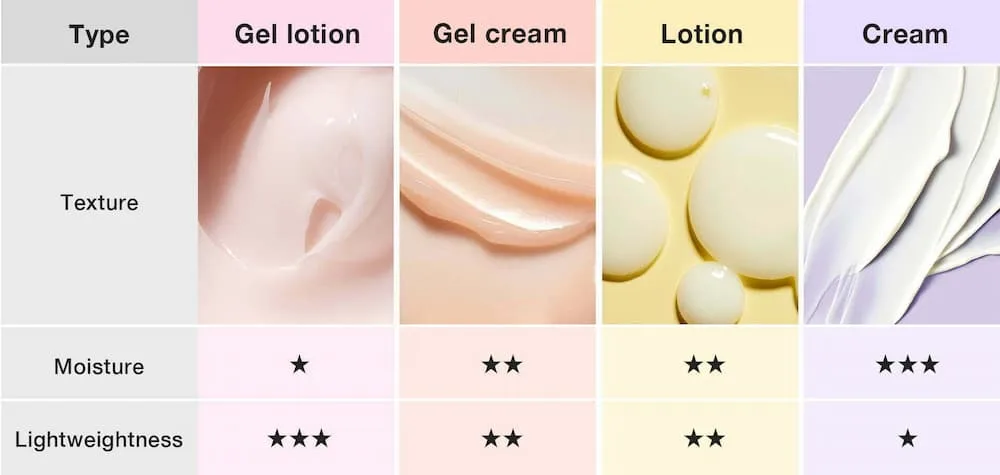
Lotions are typically the lightest, containing more water and less oil, making them easily absorbed and less greasy. They’re a great all-around choice for normal to slightly dry skin or for warmer climates. Creams are richer, with a higher oil content and more potent emollient and occlusive properties.
They provide more intense hydration and are often recommended for dry, sensitive, or mature skin, offering a comforting, thicker feel. Ointments are the heaviest, being primarily oil-based with minimal water. They create the most effective moisture barrier, ideal for extremely dry, cracked, or irritated areas, though they can feel quite heavy for general body application.
Matching Texture to Your Skin's Needs
If your skin tends towards oily, a lightweight lotion will likely be your best bet. It provides hydration without adding excess oil or feeling heavy. For normal skin, both lotions and lighter creams can work well, depending on the season and personal preference for feel.
If dryness is your main concern, a richer cream is usually more effective; it locks in moisture better and offers longer-lasting comfort. For very compromised skin, like patches of eczema or severe dryness on elbows and heels, an ointment provides unparalleled protection. Making the right texture choice ensures the product is not only effective but also comfortable enough for daily use.
Putting It All Together: Your Personalized Moisturizer Match
Now that we've explored the building blocks, your skin type, key ingredients, and product textures, it's time to bring it all together. This section helps you apply that knowledge directly to your situation, ensuring you pick a product that truly works for you. It’s about making the best choice based on the information you’ve gathered about your own skin.
Best Picks for Dry and Flaky Skin
If dryness and flakiness are your main complaints, you'll want to look for rich creams or even ointments. Prioritize products with a high concentration of emollients and occlusives. Ingredients like shea butter, ceramides, petrolatum, and heavy plant oils (like avocado or sunflower oil) are excellent.
Hyaluronic acid is also beneficial as a humectant to draw moisture in. These ingredients work together to not only hydrate the skin but also to smooth rough patches and prevent further moisture loss, keeping your skin comfortable and soft.
Ideal Choices for Oily and Acne-Prone Skin
For those with oily or acne-prone skin, the goal is hydration without added grease or pore-clogging ingredients. Lightweight, oil-free lotions are usually the best starting point. Look for formulas that are labeled "non-comedogenic," meaning they are less likely to block pores.
Humectants like hyaluronic acid and glycerin are great for providing moisture without heaviness. Ingredients like niacinamide can also be beneficial, as they help regulate oil production and reduce inflammation. Avoid heavy occlusives like petrolatum or mineral oil if breakouts are a concern.
This approach supports healthy skin without contributing to shine or blemishes.
What Works for Normal and Combination Skin
If you have normal skin, you have a bit more freedom to experiment. A good quality lotion or a lighter cream can work well for daily hydration. You might find that your needs change with the seasons, opting for a lighter lotion in the summer and a richer cream in the winter.
For combination skin, where some areas might be dry and others oily, you might even need different products for different parts of your body, or a balanced formula that addresses both. Considering how can I make my beauty routine more effective? can help you refine these choices.
Sensitive Skin Survival Guide: Fragrance-Free and Gentle
Sensitive skin requires a delicate touch. The absolute most important thing to look for is "fragrance-free" on the label, as fragrances are common irritants. Additionally, opt for products with minimal ingredient lists, free from dyes and harsh alcohols.
Soothing ingredients like colloidal oatmeal, allantoin, or centella asiatica can help calm the skin. Both lotions and creams can be suitable, but prioritize formulas specifically designed for sensitivity. Always patch-test any new product on a small area of skin before applying it all over to ensure no adverse reactions occur.
This cautious approach helps maintain skin comfort and prevents irritation.
Common Moisturizer Mistakes to Sidestep
One of the biggest mistakes people make is not applying moisturizer to damp skin. After showering or washing your hands, gently pat your skin until it’s about 80% dry, then immediately apply your moisturizer. This traps existing water on your skin, making the moisturizer much more effective.
Another common error is using products not suited for your body, like facial moisturizers, on larger areas. Body lotions are formulated to address different needs and skin thicknesses than those found on your face. Also, if you have a specific skin condition, like eczema, sticking to a dermatologist-recommended product is crucial.
For instance, you might ask what beauty products should I avoid? if you’re unsure about ingredients.
Frequently Asked Questions About Body Moisturizers
How long does setup take?
Setup for choosing and applying body moisturizer is minimal. The primary "setup" involves understanding your skin type and reading ingredient labels, which can take anywhere from 5 to 15 minutes. Application itself is quick, usually taking only a minute or two after showering.
Can I use a face moisturizer on my body?
While technically possible, it's generally not recommended. Face moisturizers are formulated for the thinner, more delicate skin of the face and often contain specific active ingredients that might be too potent or too mild for larger body areas. Body moisturizers are typically designed for thicker skin and broader coverage needs.
How often should I moisturize my body?
You should moisturize your body at least once a day, and ideally twice. Applying after showering while your skin is still damp is the most effective time to lock in moisture. If your skin is particularly dry or exposed to harsh conditions, you might need to moisturize more frequently throughout the day.
What does "fragrance-free" really mean for sensitive skin?
"Fragrance-free" means that no fragrance ingredients have been added to the product. This is different from "unscented," which can sometimes mean that a product has masking fragrances added to cover up chemical smells. For sensitive skin, truly fragrance-free is the safer bet to avoid potential irritation.
When should I worry about my dry skin?
You should worry about dry skin if it becomes severely itchy, cracked, bleeding, or shows signs of infection like redness, swelling, or pus. Persistent dryness that doesn't improve with over-the-counter moisturizers, or if it interferes with your daily life, warrants a visit to a dermatologist. This could indicate an underlying skin condition.
Do I need to reapply moisturizer after washing my hands?
Yes, it's a good idea to reapply moisturizer after washing your hands, especially if you use harsh soaps or hot water. Hand washing strips natural oils from the skin. Reapplying helps to replenish lost moisture and protect the delicate skin on your hands, preventing dryness and cracking.
This is a key habit for how can I build a simple beauty routine?.
Your Final Verdict: Picking the Right Body Moisturizer
Choosing the right body moisturizer boils down to a few key principles. First, honestly assess your skin type and any specific concerns you have. Next, familiarize yourself with the roles of humectants, emollients, and occlusives, and look for ingredients that align with your skin's needs.
Finally, consider the texture, lotion, cream, or ointment, and select one that feels comfortable and effective for you. Always opt for fragrance-free if you have sensitive skin, and remember that applying moisturizer to damp skin maximizes its benefits. By following these steps, you can move beyond overwhelming product choices and select a body moisturizer that truly nurtures your skin.