How Do I Test My Skin Type at Home?

Image source: Web (Bing) / pickpik.com (Web image (fair-use with source credit))
Ever feel like you're just guessing when it comes to your skincare? You're not alone. Many of us struggle to pin down our exact skin type, which makes choosing the right products feel like a shot in the dark.
Getting this right is the first step toward healthier, happier skin.
This guide breaks down a simple, effective method you can use right at home to identify your skin type. Based on research from dermatological practices, the key is observing your skin's natural behavior after cleansing, without any product interference. As of 2026, this method remains a trusted starting point for many.
Quick Answer
Test your skin type at home by washing your face and waiting 30 minutes. Observe shine, tightness, and irritation. Blotting papers can confirm oiliness.
This helps select suitable skincare products.
How Your Skin Acts After Cleansing: The Key Clues
Your skin is a living organ, and how it behaves after being cleansed is a pretty strong indicator of its natural tendencies. Think of it as your skin's honest reaction when it's not being influenced by your usual serums or moisturizers. We're looking for cues that tell us whether it’s thirsty, oily, or somewhere in between.
Observing Shine and Tightness
After you've washed your face and let it dry completely, take a close look in the mirror. Does your skin feel uncomfortably tight, almost like it's shrinking? Or perhaps you notice a distinct shine, especially across your forehead, nose, and chin.
These visual and tactile clues are your first hints.
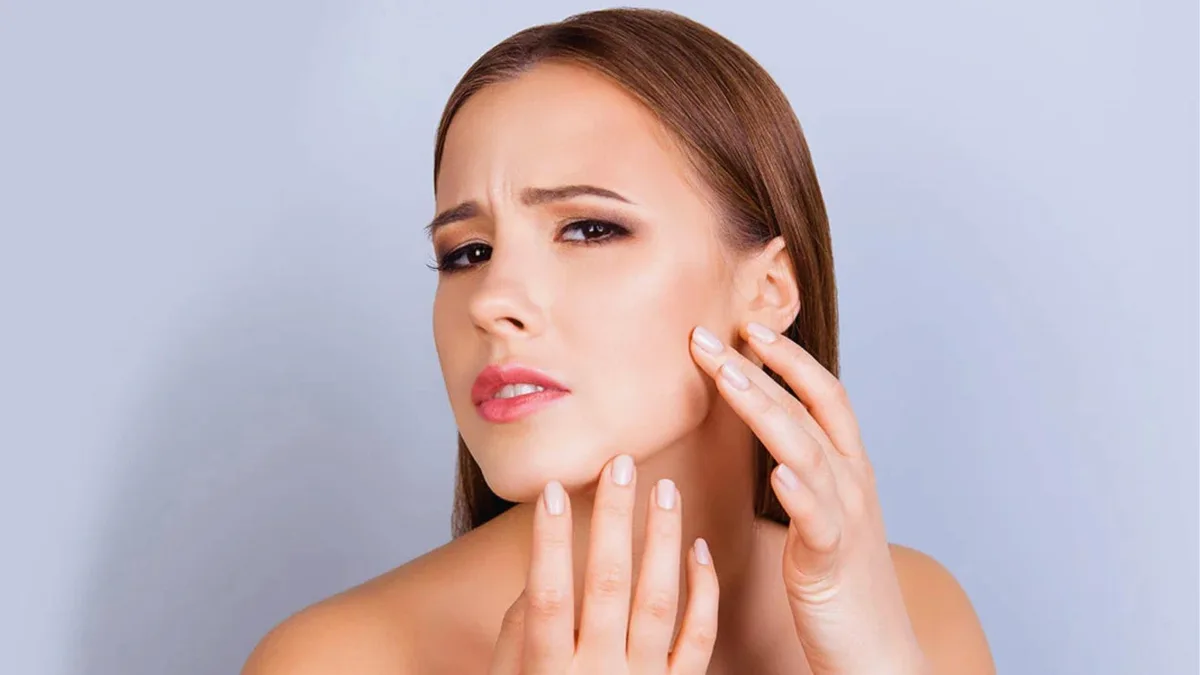
If your entire face feels stretched and looks dull, that's often a sign of dryness. A shiny T-zone (forehead, nose, chin) with normal or tight cheeks points toward combination skin. A uniformly shiny face usually means oily skin.
This simple visual check gives you a lot of information.
What Blotting Papers Tell You
For a more objective measure, especially if you suspect oiliness, blotting papers can be incredibly useful. These are specialized papers designed to absorb excess oil from the skin's surface. You can find them at most drugstores.
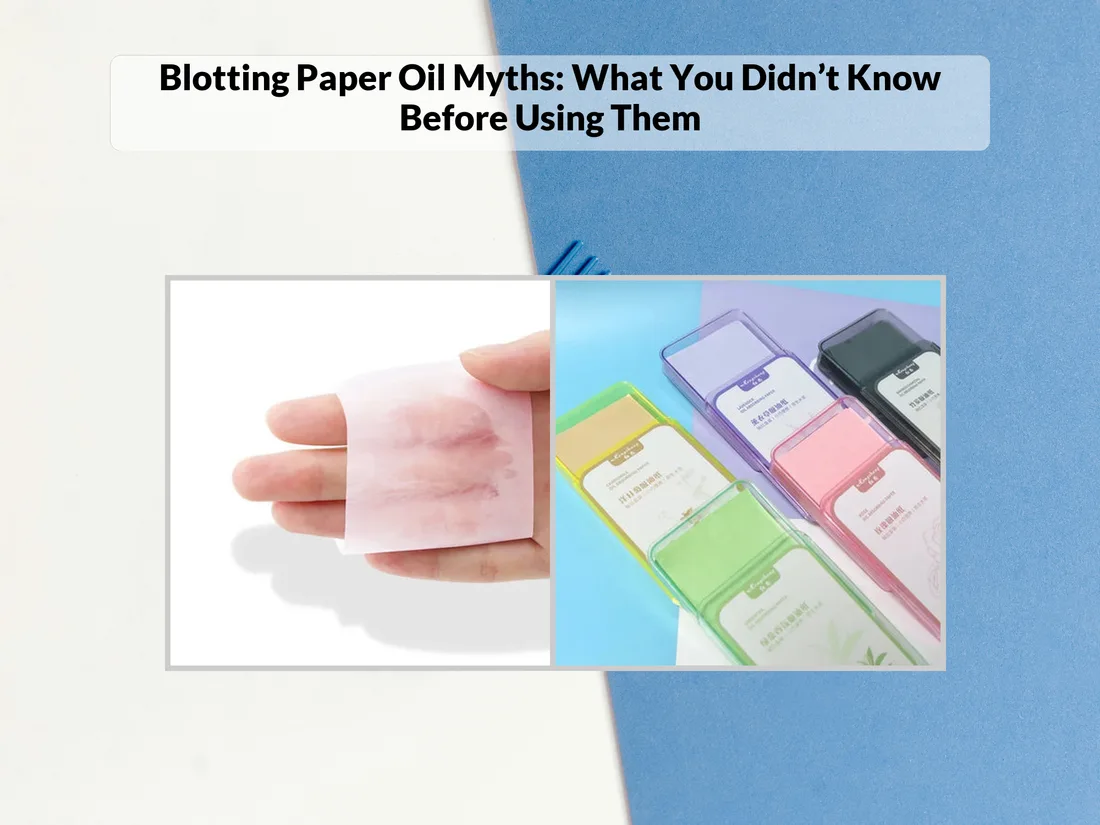
Gently press a blotting paper onto different areas of your face: your forehead, cheeks, and chin. Hold the used paper up to the light. If you see clear, shiny spots where the paper has picked up oil, it confirms oil production in those areas.
If the paper remains mostly dry, it suggests your skin is not producing excess oil there. This test helps differentiate between combination and truly oily skin types.
Navigating the Wash-and-Wait Steps
This method is straightforward and requires no special tools beyond what you likely already have in your bathroom. It’s all about patience and observation. We're going to simulate how your skin behaves in its most natural state, free from any product interventions.
Step 1: Gentle Cleansing
Start by washing your face using your regular gentle cleanser. The goal here is to remove any surface dirt, oil, and makeup without stripping your skin of its natural moisture. You want to cleanse, not scrub.
Ensure you use lukewarm water, as hot water can strip the skin, and excessively cold water might not effectively remove impurities. Take your time to lather the cleanser gently across your entire face and neck. After cleansing, rinse thoroughly to remove all traces of the product.
Step 2: Patting Dry
Once your face is clean, gently pat it dry with a clean, soft towel. Avoid rubbing vigorously, as this can irritate the skin and doesn't accurately represent its natural state. You want to remove excess water, but leave your skin slightly dewy.
The towel should be clean to prevent transferring any bacteria or residues onto your freshly washed skin. Dab softly until your skin is no longer dripping wet, but still feels comfortably moist. This preparation ensures that what you observe next is purely your skin's response.
Step 3: The Crucial Waiting Game (30 Minutes)
Now comes the most important part: patience. Resist the urge to apply any other products, no moisturizer, no serum, no toner, nothing at all. You need to let your skin return to its natural balance.
This waiting period, typically around 30 minutes, allows your skin to reveal its true oil production levels and hydration status. During this time, try to avoid touching your face, as this can influence how your skin feels and looks. You can read a book, do some light chores, or just relax.
Identifying Your Skin Type: The Decision Branches
After you've completed the wash-and-wait test, it's time to interpret what you've observed. Your skin's behavior during that 30-minute period provides the clues to determine its type. Think of this as following a simple flowchart based on your skin's reactions.
Dry Skin: Signs and Feelings
If your skin feels uncomfortably tight, especially in the cheeks and around the jawline, and you notice flaky patches or a rough texture, you likely have dry skin. This skin type lacks sufficient sebum, the natural oil your skin produces, which leads to reduced moisture retention.
You might also see a dull complexion. Dry skin can sometimes feel itchy or irritated, particularly in dry climates or during winter. It doesn't typically show visible pores or shine.
Oily Skin: Signs and Feelings
Oily skin is characterized by an overproduction of sebum. After the 30-minute wait, your entire face will likely look shiny, and you might even feel a greasy layer on your skin. Pores often appear larger, especially on the cheeks and T-zone.
This type of skin is more prone to acne, blackheads, and whiteheads because the excess oil can clog pores. Even when you cleanse, the oil production tends to rebound quickly.
Combination Skin: Signs and Feelings
Combination skin is exactly what it sounds like, a mix of different skin types. Most commonly, this means your T-zone (forehead, nose, and chin) is oily, showing shine and potentially larger pores, while your cheeks and jawline feel normal or even dry and tight.
This is a very common skin type. The challenge with combination skin is finding products that address both the oily and dry areas without exacerbating either one.
Normal Skin: Signs and Feelings
If your skin feels comfortable, neither too oily nor too dry, and looks balanced, you likely have normal skin. This means your skin has a good balance of oil and moisture. You won't typically see a lot of shine, nor will you feel significant tightness or dryness.
Pores are usually not very noticeable, and you're less prone to breakouts or flakiness. Normal skin is generally well-behaved and easy to manage, though it still benefits from consistent care.
Sensitive Skin: Added Considerations
Sensitive skin isn't strictly an oiliness or dryness category; rather, it's about how your skin reacts. If you experience redness, itching, burning, or stinging after cleansing, or when using certain products, you may have sensitive skin. This can occur alongside any of the other skin types.
It’s important to note that sensitive skin needs gentle handling regardless of whether it's oily, dry, or combination. Products with harsh ingredients can trigger reactions. Identifying sensitivity is a crucial layer of understanding your skin's overall needs.
Common Mistakes When Testing Your Skin Type
Even with a simple method like the wash-and-wait test, it's easy to slip up and get inaccurate results. These common errors can lead you to think you have one skin type when you actually have another, which then leads to using the wrong skincare products. Let's make sure you avoid these pitfalls.
Applying Products Too Soon
This is probably the most frequent mistake people make. After cleansing, there's an urge to immediately follow up with a toner, serum, or moisturizer. You might feel like your skin needs something right away.
However, applying products too soon interferes with the test.
Your skin needs that 30-minute window to show its natural oil production and hydration levels. If you add products during that time, you're altering the results, making it hard to tell if any shine or tightness you feel is from your skin's natural state or from the product you just applied.
Ignoring How Your Skin Feels
It's easy to just look in the mirror and assess shine, but don't forget to pay attention to how your skin feels. Tightness, stinging, or a general sense of discomfort are just as important as visual cues. These sensations are your skin communicating its needs.
For instance, if your skin looks a little shiny but also feels uncomfortably tight, it might lean more towards combination with dry patches rather than purely oily. Conversely, if it feels perfectly balanced but has a slight sheen, it’s probably normal skin with just a touch of oil.
Not Washing Thoroughly
Sometimes, people don't cleanse their face adequately. This can leave behind traces of makeup, sunscreen, or even the natural oils from earlier in the day, especially if you're just doing a quick rinse. This residue can skew the results of the test.
Make sure you're using enough cleanser and gently massaging it all over your face and neck. Proper cleansing is fundamental to allowing your skin to reveal its true, unadulterated state during the waiting period.
Why Knowing Your Skin Type Is a Game-Changer
Understanding your skin type isn't just a bit of trivia; it’s the cornerstone of an effective skincare routine. When you know what your skin genuinely needs, you can stop wasting time and money on products that aren't working for you. It’s about working with your skin, not against it.
For Skincare Routine Building
Once you've identified your skin type, whether it's dry, oily, combination, or normal, you can start tailoring your entire skincare routine. This means selecting the right cleanser, moisturizer, and any targeted treatments that will actually benefit your skin's specific concerns.
For example, if you have dry skin, you'll look for richer, more emollient moisturizers. If you have oily skin, you'll opt for lightweight, oil-free, or gel-based formulas. This targeted approach prevents common issues like breakouts, excessive dryness, or unwanted shine.
For Product Selection
This is where knowing your skin type truly shines. The market is flooded with products, and without knowing your skin type, it's easy to get overwhelmed or make poor choices. For instance, using a heavy cream on oily skin can lead to clogged pores and acne.
Conversely, a very lightweight, water-based moisturizer might not be enough for dry skin, leaving it feeling tight and looking flaky. Your skin type acts as a filter, helping you narrow down choices and select products that are most likely to improve your skin's health and appearance. It’s about making informed decisions that lead to visible results.
Frequently Asked Questions About Home Skin Tests
How long does the wash-and-wait test take?
The entire process, including cleansing, patting dry, and the waiting period, takes about 35-40 minutes. The crucial waiting time is 30 minutes.
Can I do this test if I have acne?
Yes, you can. If you have acne, pay close attention to whether your skin is oily or dry, as this will influence product choices. Sensitive skin, which often accompanies acne, requires extra gentle handling during the test.
What if my skin feels tight but looks a little shiny?
This usually indicates combination skin. Your cheeks and jawline might be drier and feel tight, while your T-zone (forehead, nose, chin) produces more oil and appears shiny.
How often should I test my skin type?
You don't need to test your skin type constantly. Once you identify it, you can stick to a routine tailored for it. However, skin type can change due to factors like weather, hormones, or age, so re-testing every few months or if you notice significant changes is a good idea.