Should I Moisturize Oily Skin?
Figuring out how to care for oily skin can feel like a guessing game. Many people with oily complexions worry that moisturizer will only make their skin greasier and lead to breakouts. However, research and dermatological consensus indicate that skipping this step can actually do more harm than good for your skin's overall health.
As of 2026, the consensus among skincare professionals is clear: even oily skin needs hydration. Manufacturer specifications for non-comedogenic products, meaning they're formulated not to clog pores, often highlight key ingredients like hyaluronic acid and glycerin. Understanding the right type of moisturizer is crucial for keeping your skin balanced and healthy, preventing it from overcompensating with even more oil production.
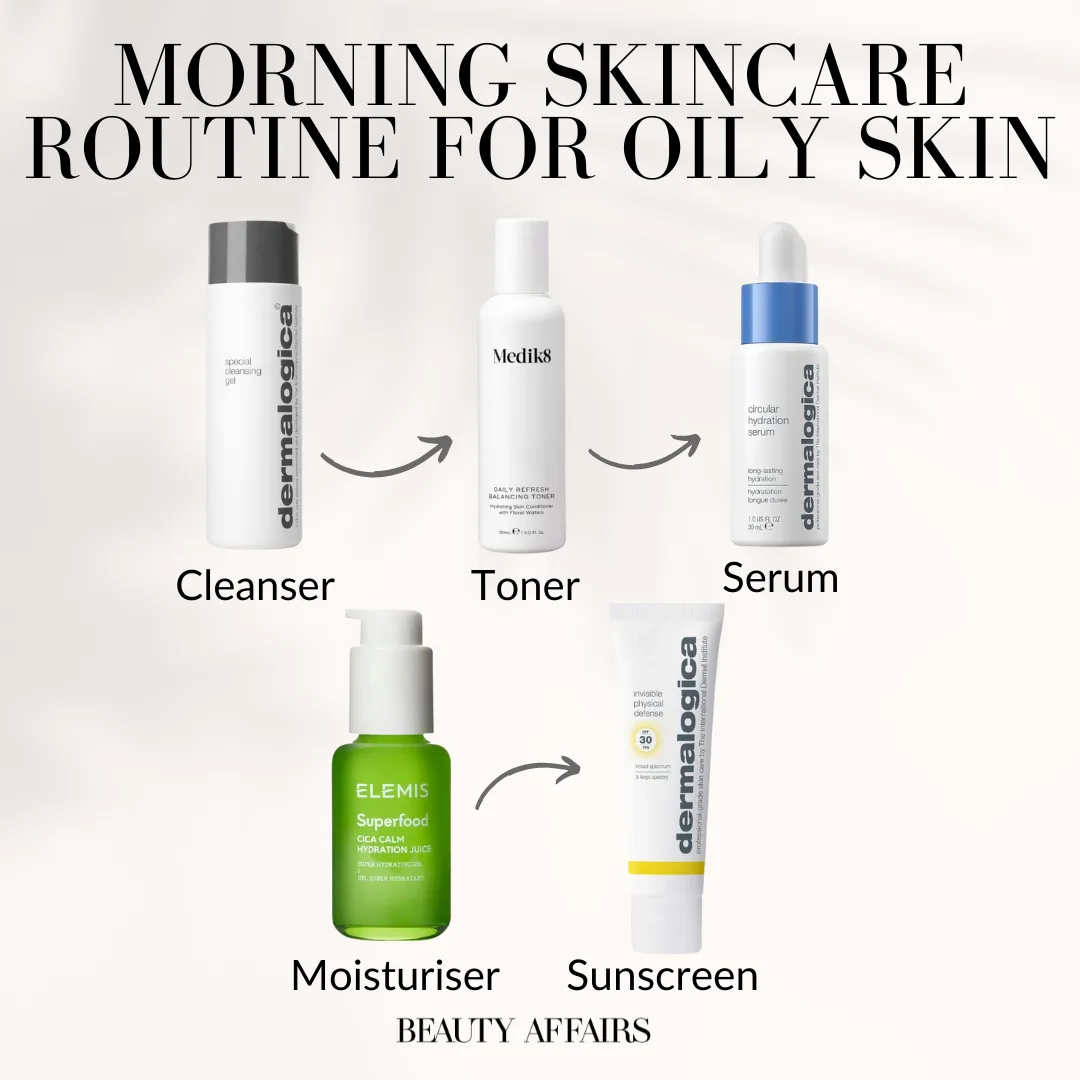
Image source: Bing (Web (fair-use with source credit))
Quick Answer
Yes, you should absolutely moisturize oily skin. Skipping moisturizer can cause your skin to become dehydrated, triggering it to produce even more oil to compensate, which often leads to shine and breakouts. The key is choosing lightweight, oil-free, and non-comedogenic formulas designed to hydrate without clogging pores.
Is Moisturizing Oily Skin Actually a Good Idea?
You might be thinking, "Why would my oily skin need more moisture?" It’s a super common question, and honestly, it makes sense on the surface. When your skin feels slick and shiny, adding another product seems counterintuitive. However, the truth is a bit more complex.
Your skin produces sebum, its natural oil, to keep itself protected and hydrated.
When you strip oily skin too much, perhaps through harsh cleansers, it panics. It thinks it's drying out and ramps up sebum production to compensate. This can lead to that frustrating cycle of greasiness and even more breakouts.
So, the goal isn't to eliminate oil entirely, but to balance it. Adding the right kind of moisture actually signals to your skin that it doesn't need to go into overdrive producing oil.
The Big Question: Why Moisturize Oily Skin?
The core reason you need to moisturize oily skin is to maintain a healthy skin barrier and prevent dehydration. Your skin’s natural sebum isn't just about making you look shiny; it’s a protective layer. When this barrier is compromised, or when the skin becomes dehydrated from over-cleansing or not using a moisturizer, it can lead to a cascade of problems.
One of the main issues is what we call "overcompensation." Your sebaceous glands, the tiny oil producers in your skin, sense a lack of hydration and crank up their sebum production. This can make already oily skin even greasier. Plus, dehydrated skin can appear dull and fine lines can become more noticeable, even on oily types.
It’s about striking a balance, not about creating a slick surface.
Understanding Your Oily Skin: More Than Just Shine
Oily skin isn't a one-size-fits-all situation. It's characterized by an overproduction of sebum, which can lead to a shiny appearance, enlarged pores, and a greater tendency toward blemishes. However, sometimes what appears to be simply oily skin is actually dehydrated oily skin.
This is a critical distinction because it affects how you should approach moisturizing.
Dehydrated oily skin means your skin lacks water, not necessarily oil. It can feel tight and uncomfortable even while looking greasy on the surface. This happens when the skin's natural moisture barrier is compromised, allowing water to escape.
Using harsh products can strip the skin, leading to this dehydration. Recognizing this difference is key to selecting the right products and routine.

Image source: Web (Bing) / pngtree.com (Web image (fair-use with source credit))
Common Oily Skin Woes
- Excess Shine: A persistent greasy sheen, especially on the forehead, nose, and chin (the T-zone).
- Enlarged Pores: Sebum can stretch pores, making them appear more prominent.
- Breakouts: Clogged pores from excess oil and dead skin cells can lead to blackheads, whiteheads, and acne.
- Makeup Meltdown: Foundation and other makeup may slide off or break down quickly due to oil.
Dehydrated vs. Oily: What's the Difference?
- Oily Skin: Feels consistently slick, pores are often visible, and you may experience frequent breakouts. The skin has plenty of water but too much oil.
- Dehydrated Oily Skin: Feels tight and uncomfortable despite a greasy surface. You might see fine lines, especially when you pinch the skin. The skin lacks water, prompting more oil production.
Choosing the Right Moisturizer for Oily Skin
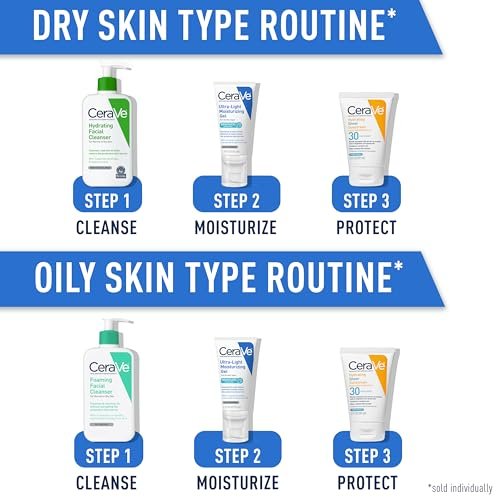
This is where we get down to the nitty-gritty. Not all moisturizers are created equal, and slathering on a heavy cream can definitely exacerbate oiliness. For oily skin, the mantra is "lightweight, oil-free, and non-comedogenic." These three attributes are your best friends when you're scanning product labels.
An oil-free formula means it won't add extra oils to your skin. Non-comedogenic ensures it’s specifically designed to avoid clogging your pores, which is crucial for preventing breakouts. Lightweight refers to the texture; think gels, lotions, or water-based formulas that absorb quickly without leaving a heavy residue.
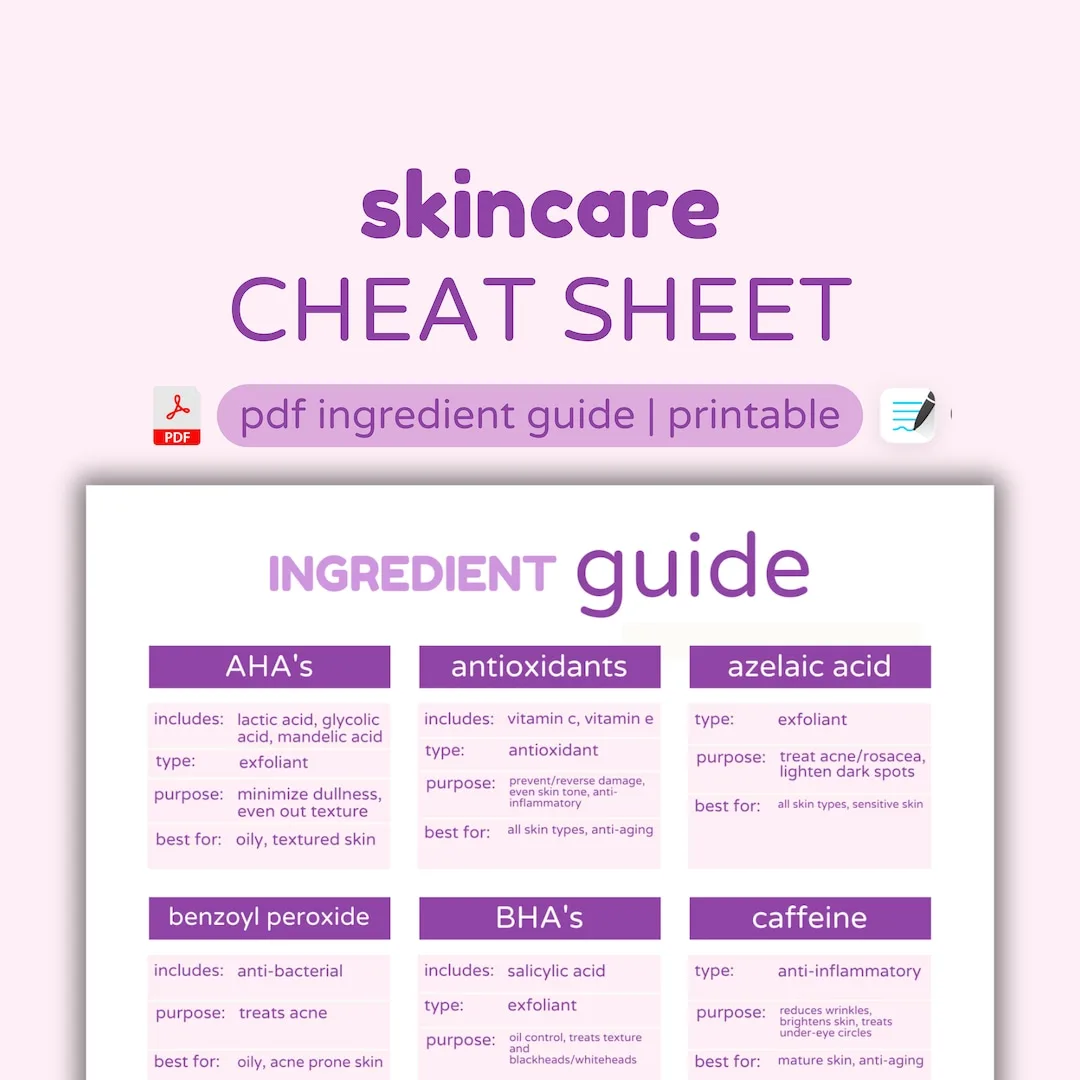
Image source: Bing (Web (fair-use with source credit))
What to Look For: Key Ingredients & Labels
- Non-Comedogenic: This is a must-have label. It means the product has been tested and proven not to clog pores.
- Oil-Free: Ensures no additional oils are contributing to greasiness.
- Water-Based Formulas: Often feel lighter and absorb more quickly than oil-based ones.
- Gels and Lotions: These textures are typically lighter and less likely to feel heavy on the skin.
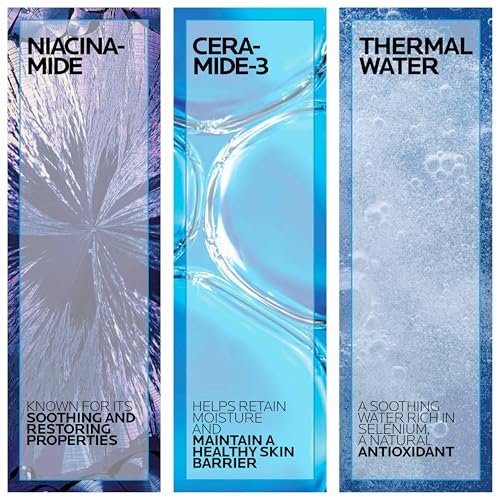
- Humectants: Ingredients like hyaluronic acid and glycerin attract water to the skin, providing hydration without adding oil.
- Niacinamide: This powerhouse ingredient can help regulate oil production and improve the skin barrier. Our research indicates many users report a visible reduction in shine within weeks of consistent use with products containing 5% niacinamide.
What to Avoid: Ingredients That Can Backfire
- Heavy Oils: Ingredients like mineral oil, petroleum jelly, or certain natural oils (e.g., coconut oil, cocoa butter) can be too occlusive and pore-clogging for oily skin.
- Comedogenic Ingredients: Always check for ingredients that are known to clog pores, even if the product isn't explicitly labeled as such.
- Alcohol (Denatured Alcohol): While it can give a matte finish initially, it can strip the skin, leading to dehydration and subsequent oil overproduction.
- Fragrances and Dyes: These can sometimes irritate oily and acne-prone skin, potentially worsening inflammation.
Common Mistakes When Moisturizing Oily Skin
Getting your moisturizer right for oily skin means sidestepping a few common traps. One big no-no is over-cleansing. Thinking that washing your face multiple times a day will reduce oil actually strips your skin, leading to dehydration and a rebound effect of increased oil production.
Another mistake is using products that are too heavy. If a moisturizer feels greasy, sticky, or sits on top of your skin, it's likely to clog pores and cause breakouts.
Another frequent error is ignoring your skin's needs in different conditions. For instance, even oily skin can become dehydrated in dry, cold weather or on airplanes. In these situations, a slightly more emollient, yet still non-comedogenic, moisturizer might be necessary.
Finally, remember that what works for one person with oily skin might not work for another. Don't be afraid to try different formulas until you find what truly balances your complexion.
Expert Tips for Mastering Oily Skin Hydration
Skincare experts often emphasize a few key principles for effectively moisturizing oily skin. Firstly, consistency is paramount. A daily routine of cleansing, treating, and moisturizing helps regulate sebum production over time.
Secondly, look for products with ingredients that actively help manage oil, such as niacinamide or salicylic acid, alongside hydrating agents like hyaluronic acid.
Many dermatologists recommend patting moisturizer into the skin rather than rubbing it. This gentle application helps the product absorb better and avoids unnecessary tugging on the skin. Another pro tip is to layer your products strategically, starting with the thinnest liquid (like a serum) and ending with the thinnest possible moisturizer.
For instance, if you’re looking for a good routine to improve skin texture, exploring options like a best skin spatula could be part of your overall plan.
Frequently Asked Questions About Moisturizing Oily Skin
Can I skip moisturizer if my skin is very oily?
No, skipping moisturizer can actually make your oily skin worse. When your skin is dehydrated, it produces more oil to compensate, leading to increased greasiness and potential breakouts.
What kind of moisturizer is best for oily, acne-prone skin?
Look for lightweight, oil-free, and non-comedogenic formulas. Gel-based or water-based lotions with ingredients like hyaluronic acid, glycerin, or niacinamide are excellent choices. Avoid heavy creams or those with pore-clogging oils.
How often should I moisturize oily skin?
You should moisturize oily skin at least twice a day, once in the morning and again at night, after cleansing. This helps maintain consistent hydration and signals your skin not to overproduce oil.
Will moisturizer make my oily skin look shinier?
The right moisturizer for oily skin should actually help mattify your complexion. Lightweight, oil-free formulas are designed to absorb quickly and leave a matte finish, rather than adding shine.
Can I use a facial oil on my oily skin?
While generally advised against, some specific facial oils with non-comedogenic properties (like rosehip or jojoba oil in moderation) might be suitable for certain types of oily or dehydrated oily skin. However, it's best to start with water-based moisturizers and introduce oils cautiously, perhaps after consulting a dermatologist or patch-testing. If you're exploring body care, options like a best body oil might offer targeted benefits for dry patches, but aren't typically the first choice for an oily face.