Why Does Sunscreen Make My Face Oily?
Ever slather on sunscreen, feeling great about protecting your skin, only to end up looking like a glazed donut by lunchtime? You're not alone. The common question, "Why does sunscreen make my face oily?" is one we hear all the time.
It’s a frustrating paradox: wanting sun safety without the greasy aftermath.
This happens because sunscreen formulas, while designed for protection, can sometimes introduce heavy ingredients that your skin doesn't need, especially if it's already prone to oiliness. As of 2026, many sunscreens are formulated with emollients or UV filters that can contribute to a slick feeling, a common complaint among users with oily or combination skin types. Let's break down exactly why this happens and what you can do about it.
Quick Answer
Sunscreen makes your face oily because its formulas often contain moisturizing ingredients your skin doesn't need. Ingredients like heavy emollients, certain chemical UV filters, and other base components can add an extra layer of oil. Your skin type also plays a role; if you're already oily, this added greasiness is more noticeable.
The Usual Suspects: What's Causing the Shine?
Let's dig into the specific components within sunscreen that can turn your face into an oil slick. It’s rarely just one thing, but a combination of factors that contribute to that greasy feeling.
- Heavy Emollients: These are ingredients that soften and smooth the skin. Think of things like shea butter, cocoa butter, and certain plant-based oils (like coconut oil or avocado oil). While fantastic for dry skin, they can feel heavy and greasy on oilier skin types.
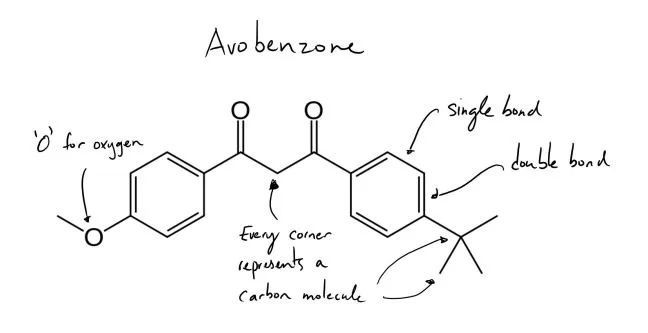
- Certain Chemical UV Filters: Some of the chemical ingredients that absorb UV rays can have a naturally oily feel or require an oily base to be formulated effectively. Examples include avobenzone or octinoxate, depending on the specific formulation.
- Silicone-Based Ingredients: Ingredients like dimethicone are often used to create a smooth, silky feel and can also help with a matte finish. However, in some formulations, they can still contribute to a feeling of greasiness if not balanced correctly.
- Humectants in Excess: Ingredients like glycerin or hyaluronic acid draw moisture to the skin. While good for hydration, if the formula is too concentrated or your skin doesn't need that much extra moisture, it can feel sticky or oily.
- "Inert" Ingredients: The preservatives, thickeners, and fragrances that make up the rest of the sunscreen can also add to the overall feel. Some alcohol-based ingredients might initially feel drying but can cause your skin to produce more oil later as it tries to compensate.
Navigating Sunscreen Formulas for Oily Skin
When you have oily skin, choosing the right sunscreen formula is key. It’s about finding that balance between effective sun protection and a comfortable, shine-free finish. This means looking beyond just the SPF number and paying attention to the product's overall formulation and intended purpose.
The goal is to find a sunscreen that provides broad-spectrum UV protection without adding unnecessary oils or heavy emollients that can clog pores or exacerbate shine. This often means seeking out specific types of sunscreens and looking for certain claims on the packaging.
Finding the Right Sunscreen Type (Mineral vs. Chemical)
The fundamental difference between mineral and chemical sunscreens lies in how they protect your skin from UV rays. Understanding this can help you choose a formula that's less likely to make your face oily.
Mineral Sunscreens: These use physical blockers like zinc oxide and titanium dioxide. They work by sitting on top of the skin and physically deflecting UV rays. Generally, mineral formulas can feel a bit thicker, but many modern formulations are designed to be lightweight and non-greasy. They are often a good choice for sensitive or acne-prone skin, as they are less likely to cause irritation.
Chemical Sunscreens: These use organic compounds (like avobenzone, octinoxate, oxybenzone) that absorb UV radiation and convert it into heat, which is then released from the skin. Chemical sunscreens often blend more seamlessly into the skin and can feel lighter. However, the specific filters used and the base formula can sometimes contribute to an oily sensation, depending on the product.
For oily skin, the choice often comes down to the specific product formulation within these categories. Some mineral sunscreens are specifically designed with mattifying agents to counteract their natural thickness, while some chemical sunscreens are formulated with lighter, non-oily bases.
Key Ingredients to Look For (and Avoid!)
When you're scanning ingredient lists, a few things can signal whether a sunscreen might make your face oily. Knowing these can help you make a more informed choice at the store.
Look For These Ingredients:
- "Oil-Free" and "Non-Comedogenic": These are your best friends. "Oil-free" means it doesn't contain added oils, and "non-comedogenic" means it's formulated not to clog your pores.
- Niacinamide: This form of Vitamin B3 is fantastic for oily skin. It can help regulate oil production, reduce inflammation, and improve skin texture over time.
- Silica, Clay, or Mattifying Powders: Ingredients like these are sometimes added to help absorb excess oil and provide a matte finish.
- Lightweight Humectants: Glycerin or hyaluronic acid in balanced amounts can hydrate without feeling heavy.
Try to Avoid These Ingredients (if you have oily skin):
- Heavy Plant Oils: Coconut oil, soybean oil, avocado oil, shea butter, cocoa butter, these are great moisturizers but can be too rich for oily facial skin.
- Mineral Oils and Petrolatum: While effective occlusives, they can feel heavy and contribute to greasiness for some.
- Certain Alcohols (like SD alcohol or denatured alcohol) in High Concentrations: While they can provide a quick-drying feel initially, they can sometimes strip the skin, causing it to overcompensate by producing more oil.
Your Skin's Role: Understanding Your Natural Oil Production
It's not just about the sunscreen; your skin's natural tendencies play a massive role in how sunscreen feels and looks on your face. If you already have oily or combination skin, adding a product that’s too rich is only going to amplify that.
- Oily Skin: Characterized by overactive sebaceous glands that produce excess sebum (oil). This often leads to a shiny complexion, enlarged pores, and a higher likelihood of breakouts like blackheads and pimples. If this sounds like you, you're already fighting an uphill battle against shine, and a heavy sunscreen can feel like adding fuel to the fire.
- Combination Skin: This is super common. You might have an oily T-zone (forehead, nose, chin) and normal or dry cheeks. In this case, a sunscreen that’s too moisturizing might make your T-zone incredibly shiny, while potentially being okay on your drier areas.
- Normal/Dry Skin: If you have normal or dry skin, you're less likely to experience significant oiliness from sunscreen. However, even you might find certain formulas too heavy if they're packed with particularly rich emollients.
Understanding your skin type is the first step. If you're unsure, you can often test your skin type at home by washing your face, waiting about an hour without applying any products, and then observing how your skin looks and feels. Is it shiny all over?
Only in the T-zone? Or does it feel tight and dry? Your answers will guide you to the right sunscreen.
Knowing your skin type is crucial, and resources on how can I tell what my skin type is? can offer a more in-depth guide.
The Application Game: How You Put It On Matters
Sometimes, the issue isn't just the sunscreen itself, but how you're applying it. Even a great formula can feel heavy or greasy if you're not using it correctly, especially on your face.
- Too Much Product: It’s tempting to slather on a thick layer, thinking more equals more protection. But for your face, especially if it's oily, this can be overkill. The general recommendation for face and neck is about a nickel-sized amount (around 1/4 teaspoon). Using significantly more than you need will just leave a heavy residue.
- Not Letting It Absorb: Applying makeup immediately after sunscreen can create a slippery barrier between the two layers. This can make your makeup slide around and also contribute to a feeling of greasiness. It’s best to let your sunscreen set for at least 5 to 10 minutes before moving on to foundation or other cosmetics. This allows the formula to properly adhere to your skin and any excess moisture to evaporate.
- Skipping Pre-Application Steps: If your skin is already oily or you're about to add sunscreen, starting with a clean, balanced base is important. Washing your face to remove excess oil and dirt before applying sunscreen is a good idea. Likewise, if you use a separate moisturizer, opt for an oil-free one. Trying to layer a heavy, oil-based moisturizer under your sunscreen is a recipe for a greasy face. Learning about how can I reduce excess facial oil? can help with pre-application prep.
Smarter Sunscreen Choices: Products for a Matte Finish
When you're on the hunt for a sunscreen that won't leave your face shining, looking for specific product claims and formulations is your best bet. The market has really stepped up, offering options designed to combat that greasy feeling for oily and combination skin types.
- "Matte Finish" Sunscreens: This is the most direct indicator. These products are specifically formulated with ingredients designed to absorb excess oil and reduce shine throughout the day. They often contain powders or mattifying agents.
- "Oil-Free" and "Non-Comedogenic" Labels: As mentioned, these are crucial. They signal that the product has been formulated to avoid ingredients that can contribute to oiliness or clog pores.
- Gel or Fluid Formulations: Sunscreens that come in gel or fluid textures are often lighter and less emollient than traditional cream formulas. They tend to absorb more quickly and feel less heavy on the skin. This is a great starting point if you find creams too rich.
- Tinted Sunscreens: Sometimes, tinted sunscreens offer a more matte finish because the pigments can help to absorb light and reduce the appearance of shine. They can also offer light coverage, blurring imperfections.
- Mineral Sunscreens with Mattifying Agents: While mineral sunscreens can sometimes feel thicker, many brands now incorporate mattifying ingredients like silica or clay into their zinc oxide and titanium dioxide formulas. This makes them an excellent choice for oily skin.
When reading product descriptions, look for keywords like "lightweight," "fast-absorbing," "shine control," or "for oily/acne-prone skin." These are all indicators that the product might be a good fit.
Keeping Shine at Bay: Application & Touch-Up Tricks
Even with the best sunscreen for oily skin, how you apply it and how you manage shine throughout the day makes a big difference. Think of it as part of your skincare routine, not just a one-and-done application. Small adjustments can prevent that midday greasiness from setting in.
The goal here is to ensure the sunscreen functions optimally and to manage any excess oil that naturally appears. This involves a few simple, but effective, strategies that work with your skin, not against it.
- Proper Skin Prep is Key: Always start with clean skin. If you have oily skin, consider a gentle cleanser to remove excess sebum before applying any product. For hydration, use an oil-free moisturizer first. This creates a balanced base so your sunscreen doesn't have to work overtime to be absorbed or to manage your skin's natural oils. Learning about how can I keep my skin hydrated? can help you build a good base routine.
- Allow Adequate Absorption Time: This is crucial. Don't immediately pile on makeup after applying sunscreen. Give your sunscreen at least 5 to 10 minutes to sink into your skin. This allows the formula to fully adhere and dry down, creating a better canvas and preventing that slick, makeup-sliding feeling.
- Use Blotting Papers Strategically: Keep oil-blotting papers in your bag for quick touch-ups. Gently press them onto shiny areas of your face. Unlike powder, they absorb oil without disturbing your sunscreen or makeup, making them perfect for mid-day refreshes.
- Consider a Mattifying Primer: If you wear makeup, applying a mattifying primer after your sunscreen has absorbed can provide an extra layer of shine control. Look for primers specifically designed for oily skin.
- Light Dusting of Translucent Powder: For areas prone to shine, a very light application of translucent setting powder over your sunscreen or makeup can help absorb excess oil and set your base. Use a fluffy brush for a sheer finish.
Frequently Asked Questions About Sunscreen & Oiliness
How often should I reapply sunscreen if my face gets oily?
You should reapply sunscreen every two hours, or more often if you're sweating or swimming, regardless of oiliness. If your sunscreen feels oily, blotting papers can help manage shine before reapplication, but don't skip reapplying the protective layer itself.
Can certain sunscreens actually help reduce oiliness?
Yes, some sunscreens are formulated with ingredients like niacinamide or mattifying powders that can help regulate oil production and absorb excess sebum. Look for labels that indicate "matte finish," "oil-free," or "for oily skin." These are designed to work with your skin's needs.
Does mineral sunscreen make my face less oily than chemical sunscreen?
Not necessarily. While mineral sunscreens (using zinc oxide and titanium dioxide) can sometimes feel less greasy, it entirely depends on the overall formula. Some mineral sunscreens are quite rich, while some chemical ones are formulated to be very lightweight and matte.
The key is the formulation, not just the UV filter type.
What's the difference between "oil-free" and "non-comedogenic" sunscreen?
"Oil-free" means the product doesn't contain any added oils. "Non-comedogenic" means it's formulated with ingredients unlikely to clog your pores, which is a common concern for those with oily or acne-prone skin. Both are important claims to look for.
Can I use facial oil and sunscreen together?
For oily skin, it's generally best to apply an oil-free moisturizer first, let it absorb, and then apply your sunscreen. If you want to use facial oil, it's typically recommended to apply it before moisturizer and sunscreen, or on its own in the evening. Some sources suggest that using a facial oil might not replace the need for a dedicated moisturizer if your skin still requires hydration.
You might want to explore can facial oil replace moisturizer? for more detail on this.