What Is the Best Skincare Routine for Combination Skin?
Navigating the world of skincare can feel like a puzzle, especially when your skin doesn't fit neatly into one category. If you've ever wondered "What is the best skincare routine for combination skin?", you're in the right place. It's all about understanding those unique zones on your face that demand different treatments.
Combination skin means you likely deal with oiliness in some areas, commonly the T-zone (forehead, nose, and chin), and dryness or normal skin on your cheeks. Our research indicates that effective routines focus on balancing these distinct needs, often requiring a multi-pronged approach. A well-structured plan can achieve results without causing irritation or over-processing.
Quick Answer
The best skincare routine for combination skin balances oil control and hydration. Use a gentle cleanser, targeted treatments for oily or dry areas, a lightweight moisturizer, and daily sunscreen. Specifics vary by individual concerns and product formulations, aiming for pH-balanced products around 5.5.
Is Your Skin Combo? Spotting the Signs and What It Means
Combination skin is pretty common, and it’s characterized by having different skin types on different parts of your face. The most tell-tale sign is an oily T-zone, meaning your forehead, nose, and chin tend to produce more sebum (your skin’s natural oil). This can lead to shine, enlarged pores, and even breakouts in these areas.
Meanwhile, your cheeks might feel normal, neither particularly oily nor dry, or they could lean towards dry, feeling tight, flaky, or even a bit sensitive. This difference creates a unique challenge: what works for your oily T-zone might be too drying for your cheeks, and vice versa. Understanding these differences is the first step to creating a routine that truly works for your whole face.
- Oily Zones: Forehead, nose, chin (T-zone). Look for shine, larger pores, potential blackheads or pimples.
- Dry/Normal Zones: Cheeks, jawline. May feel tight, look dull, or show flakiness.
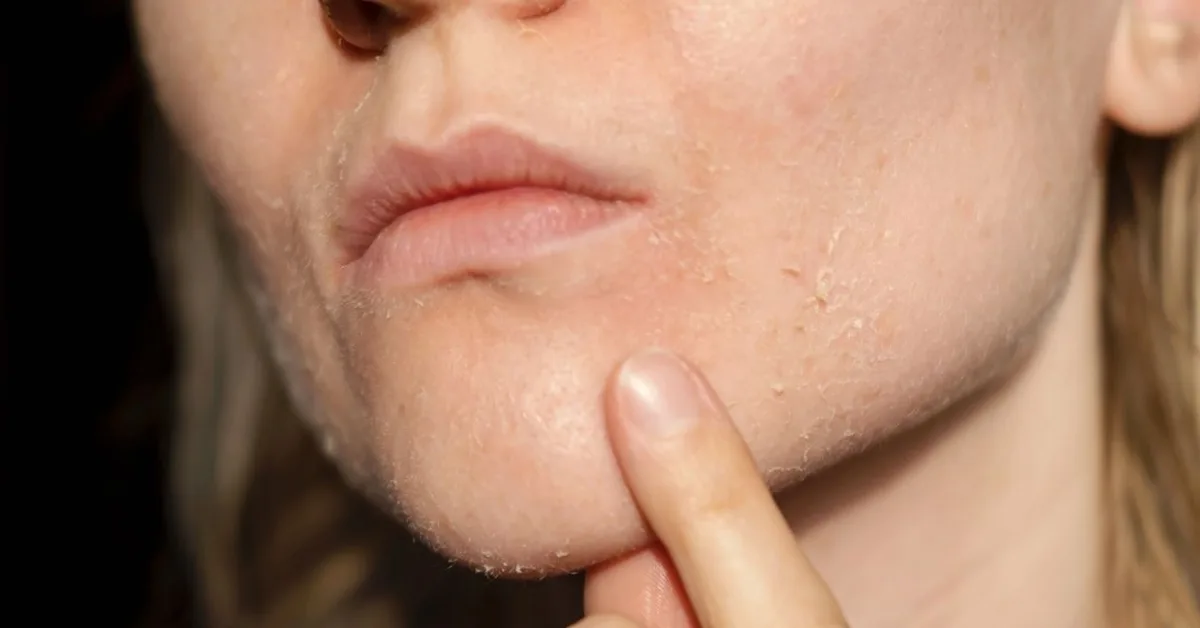
Image source: Bing (Web (fair-use with source credit))
The Foundation: Cleansing for Combo Skin Zones
Cleansing is the bedrock of any good skincare routine, and for combination skin, it's about being smart, not harsh. The goal is to remove impurities and excess oil without stripping your skin entirely, which can actually trigger more oil production or leave dry areas feeling parched. Think of it as a balancing act, treating each area with the consideration it needs.
For combination skin, a gentle, pH-balanced cleanser is usually your best bet. Manufacturer specifications for many effective cleansers often indicate a pH level around 5.5, which closely matches your skin’s natural acidity. This helps maintain your skin's protective barrier, which is crucial for keeping moisture in and irritants out.
Morning Cleanse: A Gentle Wake-Up Call
Your morning cleanse should be about refreshing your skin and prepping it for the day, not a deep-pore stripping session. Aggressive cleansing in the morning can remove essential oils your skin needs to stay balanced. For most people with combination skin, a simple water rinse might even suffice if your skin isn't feeling particularly oily.
However, if you wake up with a bit of T-zone shine, a gentle water-based cleanser is ideal. Look for formulations that are sulfate-free and don't leave your skin feeling tight. This light approach ensures you’re not over-treating the areas that already produce enough oil, while still preparing your skin for the rest of your morning routine.
Evening Cleanse: Double Duty for a Clear Canvas
The evening is when your cleansing game needs to be a bit more thorough, especially if you wear makeup or sunscreen. A double cleansing method can be incredibly effective for combination skin. This involves using an oil-based cleanser first to break down makeup, SPF, and excess sebum, followed by a water-based cleanser to remove any remaining impurities.
This two-step process ensures a truly clean canvas without over-drying. The oil cleanser effectively lifts oil-based debris, while the water-based cleanser tackles water-soluble impurities. It's a gentle yet powerful way to prepare your skin for nighttime treatments, ensuring your active ingredients can penetrate effectively.
Image source: Bing (Web (fair-use with source credit))
Toning and Treating: Targeting Combo Skin's Needs
After cleansing, toning and treating steps come into play, offering a chance to address your combination skin's specific concerns more directly. This is where you can really customize your routine, applying ingredients where they’re most needed. It’s about precision rather than a blanket approach.
Toners can rebalance your skin’s pH after cleansing, and modern formulations offer much more than just astringency. They can hydrate, soothe, or even gently exfoliate. Following up with serums allows you to deliver concentrated active ingredients to tackle issues like oiliness, dryness, dullness, or the early signs of aging.
The Power of Serums: What Your Skin Craves
Serums are where you pack a punch with active ingredients. For combination skin, you might need different serums or apply them strategically. For instance, a serum with hyaluronic acid can provide hydration to drier cheek areas without feeling heavy.
On the other hand, ingredients like niacinamide are fantastic for combination skin because they help regulate oil production in the T-zone while also strengthening the skin barrier. If you're dealing with post-acne marks, a vitamin C serum can brighten the complexion across your entire face. Many research findings suggest that consistent use of targeted serums can lead to visibly improved skin texture and tone.
Spot Treatments: Tackling Trouble Zones Effectively
When breakouts pop up, especially in the oilier T-zone, a good spot treatment can be a lifesaver. These are highly concentrated formulas designed to target individual pimples. Common ingredients include salicylic acid, benzoyl peroxide, or sulfur, all of which work to reduce inflammation and kill acne-causing bacteria.
The key with spot treatments is to use them only on the affected areas. Applying them too broadly, especially on drier parts of your face, can lead to redness, peeling, and irritation. This targeted approach ensures you're fighting blemishes without compromising the health of your other facial zones.
Hydration Harmony: Moisturizing Without the Mess
Finding the right moisturizer for combination skin can feel like a tightrope walk. You need something that hydrates your drier areas without making your oily zones greasy or clogging your pores. It’s about finding a balance that keeps your entire face comfortable and healthy, avoiding that feeling of tightness or excessive shine.
Many dermatological sources recommend looking for lightweight, non-comedogenic moisturizers as a starting point. These are designed not to block pores. For combination skin, you might even consider using two different moisturizers: a slightly richer one for your cheeks and a much lighter, gel-based formula for your T-zone, or a single product that adapts well to both.
Lightweight Layers for Oily Areas
When it comes to your T-zone, the goal is hydration without heaviness. Gel-based moisturizers or water-based lotions are excellent choices. These formulas typically contain humectants, like hyaluronic acid, which draw moisture into the skin, providing hydration without adding excess oil.
These lighter options absorb quickly and leave a matte finish, which is perfect for managing shine throughout the day. They provide the necessary moisture to keep the skin functioning well without contributing to greasiness or breakouts.
Nourishing Dry Patches Without Clogging Pores
For your drier cheek areas, you need a bit more emollience to lock in moisture and support the skin barrier. Look for moisturizers that contain ingredients like ceramides, fatty acids, or glycerin. Ceramides, in particular, are crucial components of the skin's natural barrier.
Even with drier patches, it’s still wise to opt for non-comedogenic formulas. This ensures you're providing the needed nourishment without inadvertently contributing to clogged pores or breakouts. If you have very dry cheeks, a cream-based moisturizer might be beneficial, but always patch-test to ensure it doesn’t cause issues elsewhere.

Image source: Web (Bing) / musescore.com (Web image (fair-use with source credit))
Weekly Boosts: Exfoliation and Masks for Balance
Exfoliation and masking are your secret weapons for tackling specific combination skin issues that daily routines might miss. These weekly treatments offer a deeper clean and targeted nourishment. They can help manage clogged pores, improve texture, and give your skin a brighter, more even tone.
When approaching these steps, remember to listen to your skin. Combination skin can react differently to exfoliating acids or potent mask ingredients. It's often best to start slow, perhaps once a week, and observe how your skin responds before increasing frequency or strength.
Exfoliation: Gentle Renewal for All Zones
Exfoliation helps slough off dead skin cells, which can build up and lead to dullness and clogged pores. For combination skin, chemical exfoliants like alpha-hydroxy acids (AHAs) or beta-hydroxy acids (BHAs) are often preferred over harsh physical scrubs. AHAs, such as glycolic acid, are great for surface texture and brightening, while BHAs, like salicylic acid, are oil-soluble and can penetrate pores to clear them out.
You can choose to exfoliate your entire face with a gentler AHA or BHA product, or if your T-zone is particularly prone to congestion, you could use a BHA-focused product there and a milder AHA on your cheeks. As of 2026, research consistently shows that consistent, gentle exfoliation improves skin radiance and reduces the appearance of pores. Always follow exfoliation with a good moisturizer and, critically, daily sunscreen to protect newly exposed skin.
Masks: Targeted Treatments for Specific Concerns
Face masks offer a fantastic opportunity for multi-masking, a technique perfect for combination skin. This means applying different masks to different areas of your face simultaneously, addressing varied needs. For example, a clay or charcoal mask can be applied to your oily T-zone to absorb excess oil and detoxify pores.
Simultaneously, you can apply a hydrating or soothing mask, perhaps containing ingredients like hyaluronic acid or aloe vera, to your drier cheek areas. This allows you to balance the treatment, delivering what each part of your face truly needs without over-treating or under-treating any specific zone.
Sun Protection: The Non-Negotiable Step for Every Skin Type
Sunscreen isn't just for beach days; it's a critical daily defense for all skin types, including combination skin. Exposure to ultraviolet (UV) radiation from the sun can lead to premature aging, dark spots, and an increased risk of skin cancer. Protecting your skin barrier is paramount, and sunscreen is your first line of defense.
For combination skin, finding a sunscreen that feels good and works with your skin's varying needs is key. Many modern sunscreens offer lightweight, non-greasy formulations that won't exacerbate oiliness in the T-zone. Look for broad-spectrum protection, which guards against both UVA and UVB rays, and an SPF of 30 or higher.
- UVA Rays: Contribute to aging (wrinkles, sun spots).
- UVB Rays: Cause sunburn.
When choosing a product, consider formulas labeled "oil-free" or "non-comedogenic" if you're concerned about clogged pores. Mineral sunscreens, containing zinc oxide and titanium dioxide, are often a good choice for sensitive skin types, as they tend to be less irritating. Applying sunscreen generously every morning, even on cloudy days, is a non-negotiable step for maintaining skin health and preventing long-term damage.
Common Combo Skin Slip-Ups and How to Dodge Them
Many people with combination skin fall into common traps that can actually worsen their skin's balance. One of the biggest mistakes is using overly harsh products to combat oiliness, such as strong astringent toners or stripping cleansers. While these might temporarily dry out oily areas, they can dehydrate the skin, leading to a rebound effect where your skin produces even more oil to compensate.
Another common error is applying the same product all over the face without considering the different needs of each zone. For instance, using a heavy, emollient moisturizer on your T-zone can lead to clogged pores and breakouts. Conversely, using only a very light gel on dry cheeks might not provide enough hydration, leaving them feeling tight and flaky.
Here’s a quick rundown of what to avoid:
- Over-stripping: Using harsh cleansers or astringents.
- One-size-fits-all: Applying the same product to all facial areas.
- Skipping moisturizer on oily areas: Even oily skin needs hydration.
- Forgetting SPF: Not protecting your skin daily from UV damage.
- Using comedogenic products on oily zones: These can clog pores.
FAQs: Your Combination Skin Questions Answered
Can I use different products on different parts of my face?
Yes, absolutely. This is often the most effective strategy for combination skin. You can use a lighter, oil-controlling product on your T-zone and a more hydrating product on your cheeks.
This targeted approach ensures each area gets the specific care it needs.
How often should I exfoliate combination skin?
For most people with combination skin, exfoliating 1-3 times per week is sufficient. Start with once a week and see how your skin reacts. If it tolerates it well, you might gradually increase to twice a week, or use a stronger exfoliant less often.
Pay attention to any signs of irritation.
What kind of moisturizer is best for oily T-zones?
Look for lightweight, gel-based, or water-based moisturizers. Ingredients like hyaluronic acid, glycerin, and niacinamide are excellent. Ensure the product is labeled "non-comedogenic" to avoid clogging pores.
These formulas provide hydration without feeling heavy or greasy.
Should I use separate morning and evening routines?
It's highly recommended. Your morning routine should focus on protection and prep, often including a gentle cleanse, hydrating serum, moisturizer, and SPF. Your evening routine should focus on cleansing thoroughly and treating concerns, potentially using stronger active ingredients or a slightly richer moisturizer for drier areas.