What Is the Best Moisturizer for Dry Skin?
If your skin feels perpetually tight, flaky, or uncomfortable, finding the right moisturizer is key to restoring comfort and health. What is the best moisturizer for dry skin isn't a one-size-fits-all answer, as it depends on your skin's specific needs and what you're looking for in a formulation. We've researched various types and ingredients to help you make a smart choice for your daily routine.
Understanding your skin's hydration needs means looking beyond just the surface. For instance, per the U.S. Food & Drug Administration (FDA) guidelines on cosmetic ingredient labeling, manufacturers must list key ingredients that help with hydration.
This article breaks down the essential components and types of moisturizers that can make a real difference for dry skin.
Quick Answer
The best moisturizer for dry skin typically contains a blend of humectants, emollients, and occlusives. Look for fragrance-free, hypoallergenic formulas with ingredients like ceramides, hyaluronic acid, glycerin, and petrolatum. The ideal choice will depend on your skin's specific sensitivity and how severe your dryness is.
Why Choosing the Right Moisturizer for Dry Skin Matters
Dry skin, medically known as xerosis, isn't just about feeling uncomfortable; it's a sign that your skin's natural barrier function is compromised. This barrier is crucial for keeping moisture in and irritants out. When it's weakened, skin can become more susceptible to environmental damage, inflammation, and even infections.
Finding a moisturizer that effectively replenishes hydration and supports this barrier is essential for maintaining healthy, comfortable skin.
Research indicates that using the right topical emollients can significantly improve skin barrier function and reduce symptoms of dryness like itching and flaking. This is why understanding the core ingredients is so vital for anyone dealing with dry skin.
Image source: Bing (Web (fair-use with source credit))
Understanding the Ingredients Your Dry Skin Craves
When you're looking for a moisturizer to combat dry skin, the ingredient list is your roadmap. Different components play distinct roles in hydrating and protecting your skin. It's about finding the right balance of these elements to suit your specific dryness concerns.
Humectants: The Water Magnets
Humectants are ingredients that draw water from the air and deeper layers of your skin to the surface. Think of them as tiny sponges that pull hydration where it's needed most. They are fundamental for plumping up the skin and giving it that dewy, hydrated look.
- Hyaluronic Acid: This powerhouse ingredient can hold up to 1,000 times its weight in water. It's naturally found in your skin but diminishes with age. Adding it topically helps to boost moisture levels significantly.
- Glycerin: A common and effective humectant, glycerin works by attracting water to the outer layer of the skin. It's generally well-tolerated and found in a wide range of skincare products.
- Urea: At lower concentrations, urea is a fantastic humectant. It also has mild exfoliating properties, which can help shed dry, flaky skin and allow other moisturizers to penetrate better.

Image source: Web (Bing) / iconlogovector.com (Web image (fair-use with source credit))
Emollients: Smoothing and Softening the Surface
Emollients are like the smooth operators of skincare. They fill in the gaps between skin cells, creating a smoother texture and softening rough patches. While they don't actively attract water like humectants, they do help to trap it and improve the skin's overall suppleness.
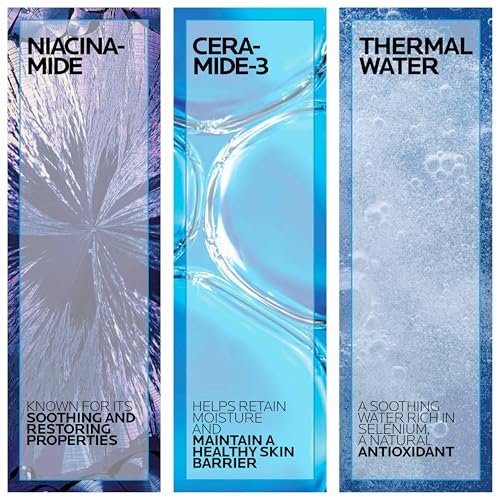
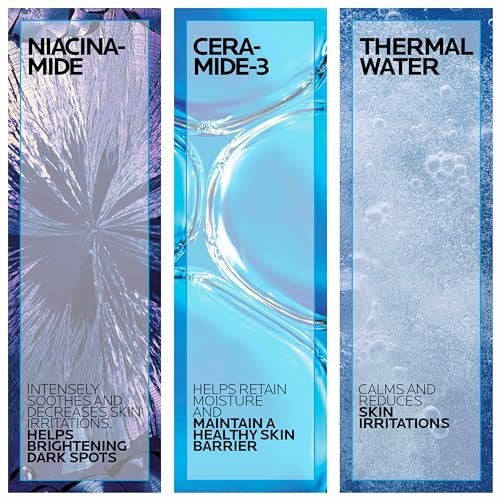
- Ceramides: These are lipid molecules that are naturally present in the skin's barrier. Replenishing ceramides helps to restore the barrier's integrity, preventing moisture loss and protecting against external aggressors. They are particularly beneficial for very dry and compromised skin.
- Fatty Acids: Think of these as the building blocks for healthy skin lipids. Ingredients like linoleic acid and oleic acid are crucial for maintaining a flexible and smooth skin surface.
- Shea Butter and Cocoa Butter: These plant-derived butters are rich in fatty acids and vitamins, offering both emollient and some occlusive properties. They provide a rich, soothing feel and help to improve skin texture.
- Squalane: This is a stable form of squalene, a lipid naturally produced by our skin. Squalane is lightweight, non-greasy, and excellent at softening and smoothing the skin without feeling heavy.
Occlusives: Sealing in the Moisture
Occlusives are the heavy-duty protectors. Their main job is to form a physical barrier on the skin's surface, preventing water from escaping. They are particularly important for very dry or compromised skin, as they lock in the hydration provided by humectants and emollients.
- Petrolatum (Vaseline): This is one of the most effective occlusives available, creating a robust barrier that significantly reduces transepidermal water loss (TEWL). It's often recommended for extremely dry, cracked skin.
- Dimethicone: A silicone-based ingredient, dimethicone forms a breathable film on the skin. It helps to smooth the skin and prevent moisture loss without feeling greasy.
- Mineral Oil: Similar to petrolatum, mineral oil is a non-irritating occlusive that forms a barrier to keep moisture in. It's been used in skincare for decades and is generally considered safe and effective.
- Lanolin: Derived from sheep's wool, lanolin is a highly effective emollient and occlusive. However, some individuals can be sensitive or allergic to it, so it's best used with caution if you have known sensitivities.
Beyond Ingredients: What Makes a Moisturizer "Best" for Dry Skin
Understanding the core ingredients is a fantastic start, but choosing the "best" moisturizer for dry skin also involves considering its texture, feel, and suitability for specific sensitivities or conditions. It's not just about what's in the jar; it's also about how it feels and performs on your skin.
Texture and Feel: Lightweight vs. Rich
The consistency of a moisturizer plays a huge role in how it feels on your skin and how well you'll tolerate using it consistently.
- Lightweight Formulas: These are typically lotions or gels. They absorb quickly and are great for those who dislike feeling heavy product on their skin, or for use in warmer climates. They offer hydration but might not be enough for very dry, compromised skin.
- Medium-Weight Formulas: Creams fall into this category. They offer a good balance of hydration and richness, providing more emollience and occlusion than lotions without feeling overly heavy. These are often a good go-to for moderate to severe dryness.
- Rich Formulas: These are often thicker creams or ointments. They provide the most intense hydration and barrier protection, ideal for very dry, flaky, or even cracked skin. They take longer to absorb and can feel heavier.
Skin Sensitivities: Fragrance, Hypoallergenic, and More
Many people with dry skin also experience sensitivity. Irritating ingredients can exacerbate dryness, redness, and inflammation, making the problem worse.
- Fragrance-Free: Fragrances, whether natural essential oils or synthetic perfumes, are common irritants. Opting for fragrance-free products is a top recommendation for sensitive and dry skin to minimize the risk of reactions.
- Hypoallergenic: This term means the product is formulated to minimize allergic reactions. While not a guarantee against all sensitivities, it's a good indicator that the brand has made an effort to avoid common allergens.
- Non-Comedogenic: If you experience dryness along with occasional breakouts, look for this label. It means the product is formulated not to clog pores, which can prevent acne formation.
Specific Dry Skin Needs: Eczema, Mature Skin, etc.
Different types of dry skin benefit from tailored approaches.
- Eczema-Prone Skin: Look for moisturizers specifically formulated for eczema or very sensitive skin. These often contain higher concentrations of ceramides and soothing agents, and are always fragrance-free. They are designed to strengthen the skin barrier and calm inflammation.
- Mature Skin: As we age, our skin produces less natural oil and its barrier function can weaken. Mature dry skin often benefits from rich creams with ingredients like ceramides, hyaluronic acid, and peptides to address both dryness and signs of aging.
- Winter Skin: Cold, dry air (both outdoors and from indoor heating) can wreak havoc. You might need to switch to a richer, more occlusive moisturizer during winter months to protect your skin from the elements.
Comparing Moisturizer Types: Lotion, Cream, and Ointment
The basic difference between lotions, creams, and ointments lies in their oil-to-water ratio and viscosity. This distinction directly impacts how they hydrate, their texture, and their suitability for different levels of dryness. Understanding these differences is key to picking the best type for your needs.
Lotions: The Lighter Option
Lotions are the thinnest of the three, containing a higher percentage of water (typically 70-80%) and less oil.
- Pros:
- Absorb quickly.
- Feel lightweight on the skin.
- Good for mild dryness or as a daily moisturizer in humid climates.
- Often less expensive due to simpler formulations.
- Cons:
- May not provide enough hydration for severe dryness.
- The high water content means they can evaporate faster.
- Less effective at forming a long-lasting protective barrier.
Creams: The Balanced Choice
Creams have a higher oil content than lotions, usually around 50% water and 50% oil. This makes them thicker and more emollient.
- Pros:
- Provide a good balance of hydration and moisturization.
- More effective at forming a skin barrier to prevent moisture loss.
- Suitable for moderate to severe dry skin.
- Often contain beneficial ingredients like ceramides and fatty acids.
- Cons:
- Can feel heavier on the skin than lotions.
- May take a bit longer to absorb.
- Some richer creams could potentially clog pores for acne-prone individuals.
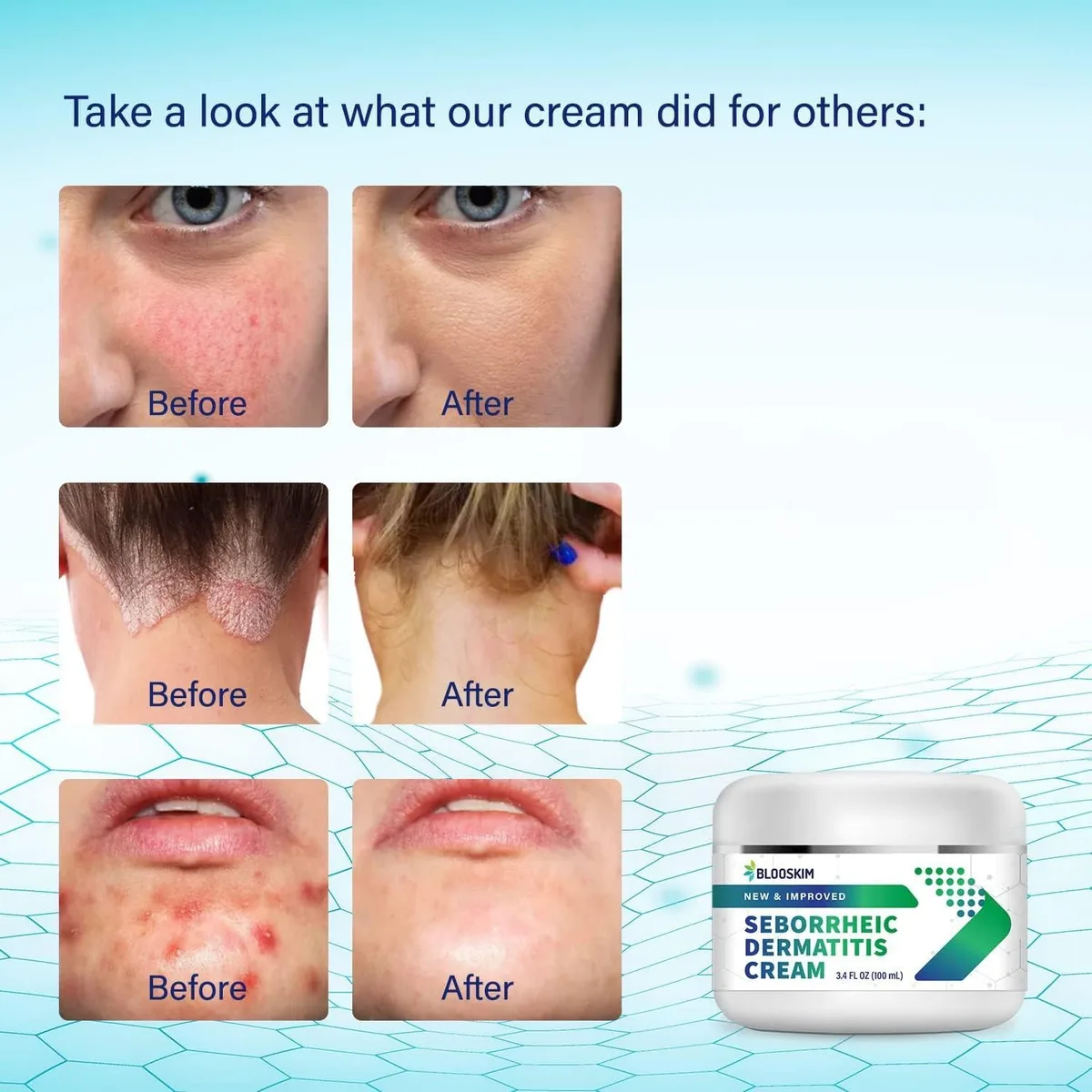
Image source: Bing (Web (fair-use with source credit))
Ointments: The Heavy Duty Hydrators
Ointments are primarily oil-based, with very little to no water content (typically 80-90% oil). This makes them the thickest and most occlusive option.
- Pros:
- Extremely effective at sealing in moisture and protecting the skin.
- Ideal for very dry, cracked, or severely chapped skin.
- Excellent for use as an overnight treatment.
- Can be very cost-effective as a little goes a long way.
- Cons:
- Feel very heavy and greasy on the skin.
- Can take a long time to absorb, if at all.
- May not be suitable for facial use or for those with oily or acne-prone skin.
- Can sometimes feel uncomfortable for all-day wear.
When to Choose Which Type:
- Lotions: Best for mild dryness, general hydration, or as a light daily moisturizer.
- Creams: A good all-rounder for moderate to severe dry skin, offering solid hydration and barrier support. Many find these ideal for daily use.
- Ointments: Reserved for extremely dry, rough, cracked skin, or as an intensive overnight treatment.
Who Needs What? Matching Moisturizer to Your Dry Skin Type
Understanding the different types of moisturizers and their key ingredients is one thing, but translating that knowledge into a personal choice is another. The "best" moisturizer really depends on your skin's specific condition and what you're hoping to achieve with your skincare routine. Here’s a breakdown to help you match a moisturizer to your unique dry skin needs.
For Daily Hydration and Mild Dryness
If your skin feels a bit tight after washing or occasionally gets flaky, but it's generally comfortable, you're likely dealing with mild dryness. You don't need an intensely heavy product.
- What to look for: Lightweight lotions or lighter creams with good humectants like glycerin and hyaluronic acid. You might also want some emollients like ceramides or squalane for smoothing.
- Key Ingredients: Glycerin, Hyaluronic Acid, Squalane, mild fatty acids.
- Texture: Gel-cream, lightweight lotion.
- When to use: Daily, especially after cleansing. Can be used on the face and body.
- Consider: Products labeled "hydrating," "daily moisture," or "lightweight."
For Intense Dryness and Barrier Repair
When your skin feels constantly tight, itchy, red, or even cracked, you're in the territory of severe dryness and likely a compromised skin barrier. Your goal here is deep hydration and robust barrier support.
- What to look for: Rich creams or even ointments that contain a good mix of humectants, emollients, and occlusives. Ceramides are particularly important for barrier repair. Petrolatum or dimethicone can be excellent for sealing moisture.
- Key Ingredients: Ceramides, Petrolatum, Dimethicone, Shea Butter, Urea (at higher concentrations), Fatty Acids, Hyaluronic Acid.
- Texture: Thick cream, balm, or ointment.
- When to use: Daily, especially after bathing or showering. Ointments might be best for specific very dry patches or overnight.
- Consider: Products labeled "intensive," "barrier repair," "for very dry skin," or "eczema relief." If you're concerned about breakouts, look for non-comedogenic options even in richer formulas. You can find more information on this by checking manufacturer specifications, as many will provide this data directly.
For Sensitive or Reactive Dry Skin
Dry skin often goes hand-in-hand with sensitivity, meaning your skin can react negatively to common skincare ingredients. The priority here is to soothe and hydrate without causing further irritation.
- What to look for: Fragrance-free, hypoallergenic formulas are essential. Ingredients known for their calming properties like colloidal oatmeal or niacinamide can be beneficial. A good balance of humectants and emollients is still key, but avoid anything with alcohol, artificial scents, or harsh preservatives.
- Key Ingredients: Ceramides, Glycerin, Hyaluronic Acid, Niacinamide, Colloidal Oatmeal, Squalane.
- Texture: Can range from light creams to richer formulas, depending on the severity of dryness, but always fragrance-free.
- When to use: Daily, as part of your regular routine. Always patch test new products if you have very reactive skin.
- Consider: Products explicitly stating "for sensitive skin," "fragrance-free," and "hypoallergenic." Brands that specialize in dermatological skincare often cater well to this need. You might also want to explore options like those available at https://bestacnetreat.com/best-body-lotion/ which often highlight gentleness.
Common Moisturizer Mistakes and How to Avoid Them
Even with the best intentions, it's easy to make small mistakes when moisturizing dry skin that can limit their effectiveness. Being aware of these common pitfalls can help you get the most out of your skincare routine and achieve truly comfortable, hydrated skin.
- Applying to dry skin: Moisturizer works best when applied to slightly damp skin. This helps to "trap" the water on your skin's surface, boosting hydration. After showering or washing your face, gently pat your skin with a towel, leaving it slightly moist, then apply your moisturizer.
- Using too little product: Don't be stingy! For dry skin, you often need a generous amount to effectively hydrate and protect the skin barrier. If your skin still feels tight or dry after applying, you probably need more.
- Not considering climate or season: Your skin's needs change. In dry winter air or after spending time in arid climates, you'll likely need a richer, more occlusive moisturizer than you would in the humid summer. Adjusting your routine seasonally is key.
- Forgetting about your body: Dryness isn't limited to your face. Your arms, legs, and hands can also become very dry. Using dedicated body lotions or creams is important, and for hands, a rich hand cream is a must, especially after frequent washing. Check out options at https://bestacnetreat.com/best-hand-cream/ for targeted care.
- Over-exfoliating: While exfoliation can help remove dry, flaky skin, doing it too often or too aggressively can strip your skin and damage the barrier, making dryness and irritation worse. Limit exfoliating treatments to 1-3 times per week, depending on your skin's tolerance.
Frequently Asked Questions About Dry Skin Moisturizers
How often should I apply moisturizer for dry skin?
For dry skin, it’s generally recommended to apply moisturizer at least twice a day: once in the morning and again before bed. You might also benefit from reapplying after washing your hands or face, or anytime your skin feels dry or tight throughout the day. Consistent application is key to maintaining skin hydration.
Can I use body lotion on my face if I have dry skin?
While it might be tempting, it’s usually best to use products specifically formulated for the face. Facial skin is often more delicate and prone to issues like clogged pores. Body lotions might contain heavier ingredients or fragrances that aren't ideal for facial skin.
Face-specific moisturizers are designed to address facial concerns more effectively.
What's the difference between a moisturizer and a serum for dry skin?
Serums are typically lighter in consistency and designed to deliver a concentrated dose of active ingredients, such as hyaluronic acid, to deeper layers of the skin. Moisturizers, on the other hand, are thicker and primarily work on the surface to hydrate, soften, and seal in moisture. Often, layering a serum under a moisturizer provides the best overall hydration for dry skin.
Are natural or organic moisturizers always better for dry skin?
Not necessarily. While many find natural ingredients soothing, some can be potent allergens for sensitive skin. It's more important to focus on the specific ingredients and their benefits for dry skin, regardless of whether they're natural or synthetic.
Fragrance-free and hypoallergenic are often more reliable indicators of gentleness than an "organic" label alone.
When should I see a dermatologist for dry skin?
You should consult a dermatologist if your dry skin is severe, persistently itchy, painful, or accompanied by redness and inflammation that doesn't improve with over-the-counter moisturizers. They can diagnose underlying conditions like eczema or psoriasis and recommend prescription-strength treatments or specialized skincare regimens.
Your Guide to Picking the Perfect Moisturizer
Choosing the right moisturizer for dry skin is a journey of understanding ingredients, textures, and your own skin's unique needs. By focusing on humectants, emollients, and occlusives, you can start to identify products that will truly benefit your skin. Remember to consider your skin's sensitivity, opt for fragrance-free and hypoallergenic formulas if irritation is a concern.
The type of moisturizer you select, lotion, cream, or ointment, should align with the severity of your dryness. Lotions offer light hydration, creams provide a balanced approach, and ointments deliver the most intensive moisture. Matching these types to your daily routine, specific skin concerns like eczema, or even seasonal changes will ensure you’re giving your skin the care it deserves.
Avoid common mistakes like applying to dry skin or over-exfoliating, and don't hesitate to seek professional advice if your dryness is persistent or severe.