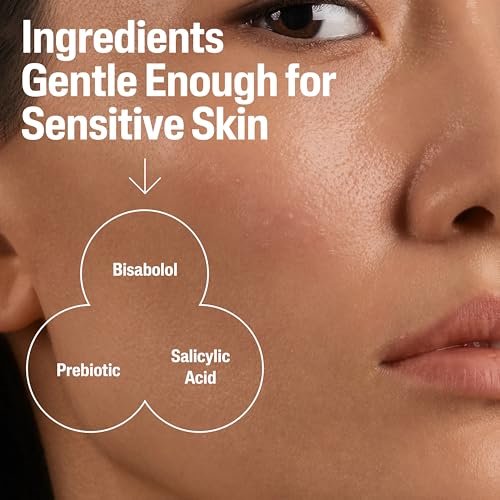
How Can I Reduce Excess Facial Oil?
So, you're wondering how can I reduce excess facial oil? It’s a question a lot of us ask, especially when that midday shine starts to feel like a spotlight. Excess oil, or sebum, is a natural part of skin function, but when it gets out of balance, it can lead to a host of cosmetic concerns.
Fortunately, managing it is often about finding the right gentle approach and targeted treatments. Aggregate reviews report that consistent, smart skincare routines can make a significant difference without over-drying your skin. Let’s break down what works.
Quick Answer
To reduce excess facial oil, cleanse gently twice daily and moisturize with an oil-free formula. Consider products with 1-2% salicylic acid to help unclog pores. Weekly clay masks can absorb excess sebum.
Blotting papers offer on-the-go control.
Understanding Your Oily Skin
Your skin produces oil (sebum) for a reason: it helps keep your skin moisturized and protected. But when your sebaceous glands go into overdrive, you end up with that familiar greasy feeling. This can be influenced by genetics, hormones, climate, and even stress.
The goal isn't to eliminate oil entirely, which would lead to dry, compromised skin, but to bring its production back into a healthy balance.

Why Does Oil Happen?
- Sebaceous Glands: These tiny glands are attached to hair follicles all over your body, but they're most concentrated on your face, chest, and back.
- Sebum Production: They produce sebum, a mix of fats, waxes, and cholesterol that lubricates your skin and hair.
- Overproduction: When these glands are too active, they release more sebum than your skin needs, leading to an oily appearance.
What Can Trigger More Oil?
Sometimes, harsh skincare can actually make oiliness worse. If you use products that strip your skin, it can think it's too dry and ramp up oil production to compensate. Manufacturer specifications for many over-the-counter cleansers highlight the importance of mild surfactants to avoid this rebound effect.
Your Gentle Skincare Foundation for Less Oil
Getting a handle on excess facial oil often starts with the basics. Think of this as your essential toolkit for managing shine without causing further issues. This approach focuses on cleansing and hydration that works with your skin, not against it.
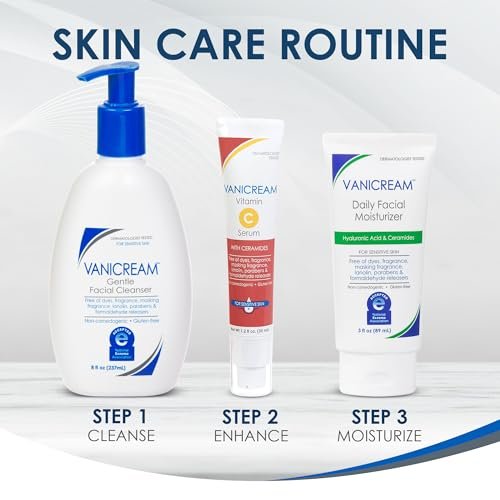
- Gentle Cleansing: Wash your face twice a day. Use a mild, foaming cleanser designed for oily or combination skin. Avoid harsh soaps or anything that leaves your skin feeling tight and squeaky clean, as this can trigger increased oil production. Look for ingredients like glycerin, which helps retain moisture.
- Oil-Free Moisturization: It might sound counterintuitive, but moisturizing is crucial for oily skin. Skipping this step can cause your skin to produce even more oil to compensate for the lack of hydration. Choose a lightweight, oil-free, and non-comedogenic moisturizer. A gel-based or lotion formula usually works best.
- Pat, Don't Rub: When washing your face or applying products, gently pat your skin dry. Aggressive rubbing can irritate your skin and potentially stimulate more oil production.
This foundational routine sets the stage for more targeted treatments. It ensures your skin is clean and balanced, making it more receptive to other helpful ingredients and methods.
When Gentle Isn't Enough: Exploring Targeted Ingredients
If you've established a solid gentle routine and still find yourself battling excess oil, it's time to bring in some powerhouse ingredients. These are specifically designed to address oiliness and related concerns like clogged pores and occasional breakouts.
Salicylic Acid: Your Pore-Penetrating Ally
Salicylic acid is a star player when it comes to tackling oily skin. It's a beta-hydroxy acid (BHA), and what makes it special is its ability to dissolve in oil. This means it can effectively penetrate deep into your pores to break down the mixture of oil and dead skin cells that can lead to breakouts and shine.
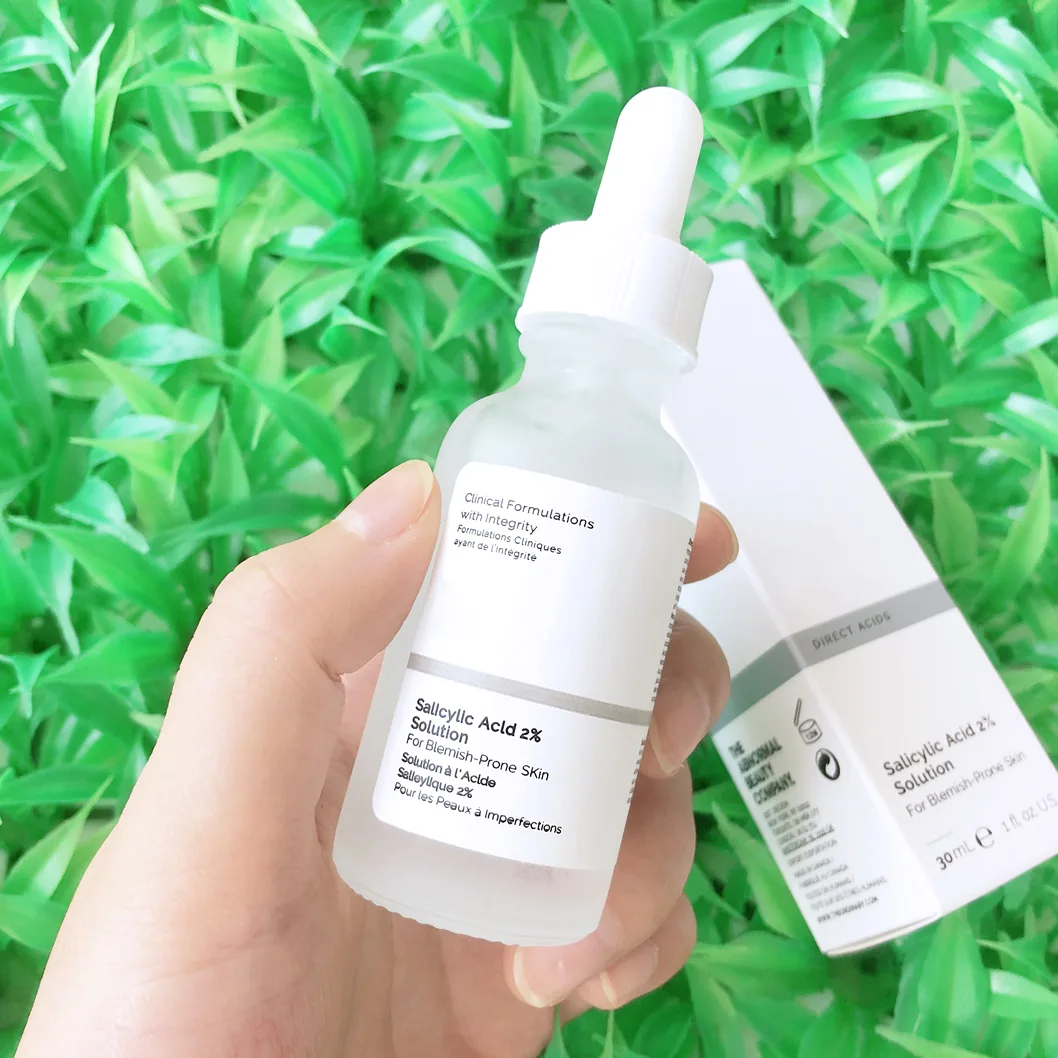
- How it Works: Salicylic acid exfoliates the skin from within the pore lining. This helps to clear congestion and reduce the appearance of blackheads and whiteheads. It also has mild anti-inflammatory properties.
- Product Types: You'll find it in cleansers, toners, spot treatments, and serums. For daily use, a cleanser or a gentle toner is often recommended.
- Starting Out: It’s wise to start using salicylic acid products just a few times a week. This allows your skin to adjust and helps prevent irritation. Look for products with a concentration of 1-2%. Overuse can lead to dryness.
Clay Masks: The Oil-Absorbing Powerhouse
Clay masks are like a spa treatment for oily skin. They work by drawing out excess oil and impurities from your pores, leaving your skin feeling clearer and less greasy. Different types of clay offer various benefits, but most are effective at absorbing sebum.
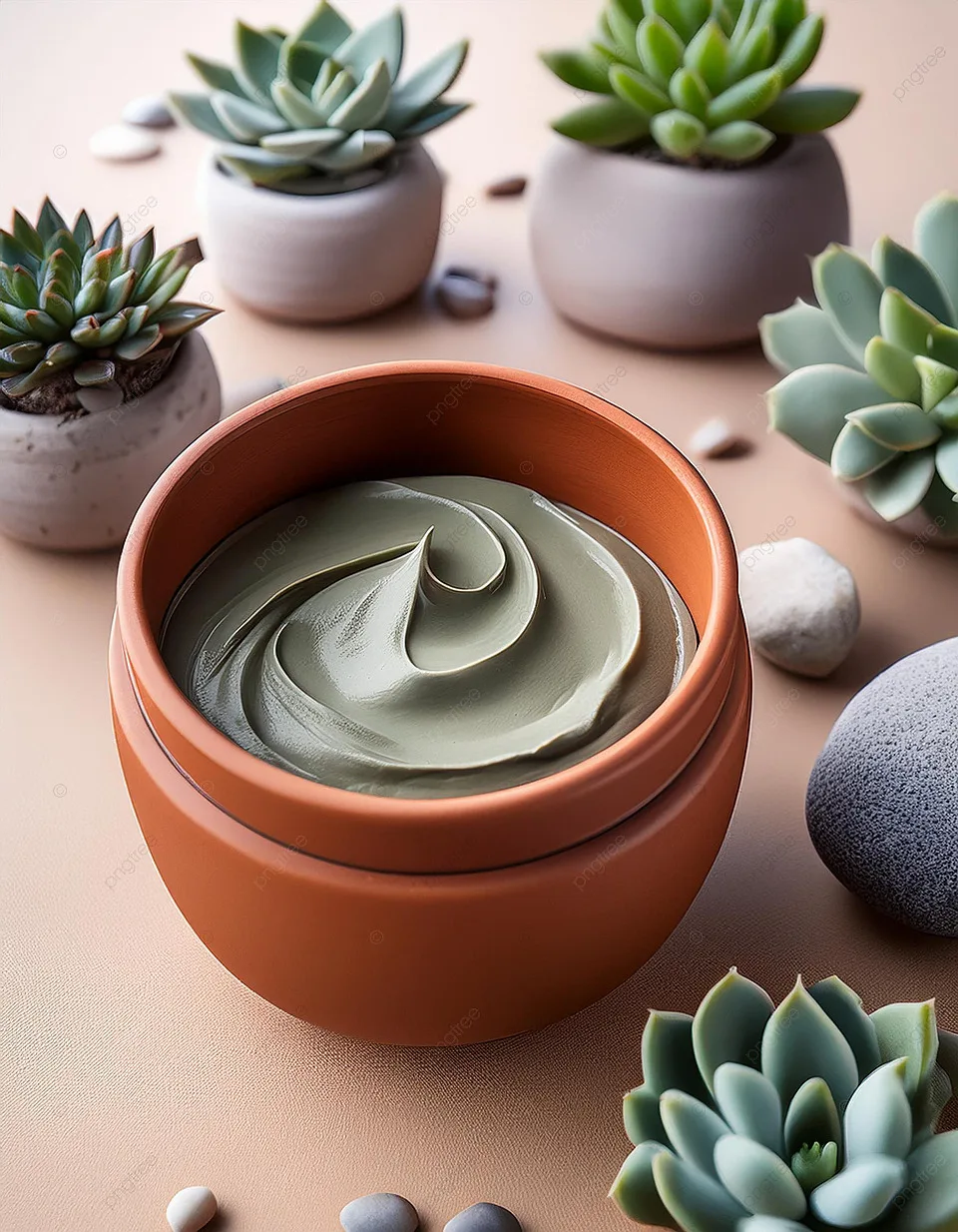
- Mechanism: When applied, the clay dries and absorbs the excess oil and toxins from the skin's surface and pores. As it dries, it can create a mild tightening sensation.
- Frequency: Using a clay mask once or twice a week is usually sufficient. Overdoing it can dry out your skin, prompting it to produce more oil.
- Types of Clay:
- Kaolin Clay: A milder option, good for sensitive or normal-to-oily skin.
- Bentonite Clay: Highly absorbent, excellent for very oily and acne-prone skin. It's known to swell when it absorbs water or oil.
- Application: Apply an even layer to clean skin, avoiding the eye and lip areas. Leave it on for the duration recommended by the manufacturer (typically 10-15 minutes) and rinse thoroughly with warm water.
Quick Fixes: Blotting Papers for Midday Shine
When you need a fast solution for that mid-afternoon oil slick, blotting papers are your best friend. These small, thin sheets are designed to absorb excess oil without disturbing your makeup or stripping your skin. They're incredibly portable and easy to use on the go.
- How They Work: You simply press a blotting paper gently onto the oily areas of your face, such as your forehead, nose, and chin. The paper will soak up the surface oil.
- When to Use Them: Keep a pack in your purse, desk, or gym bag. They're perfect for a quick refresh before a meeting, after a workout, or anytime you feel your skin getting shiny.
- Key Benefit: Unlike paper towels or tissues, blotting papers are specifically designed for this purpose, offering effective oil absorption without irritation or smudging makeup.
Common Mistakes That Can Backfire
It’s easy to fall into some traps when trying to manage oily skin. What might seem like a good idea can actually make things worse. Being aware of these common missteps can save you a lot of frustration and help you get better results.
- Over-Cleansing: Washing your face too often or using harsh cleansers can strip your skin of its natural oils. This triggers your sebaceous glands to produce even more oil to compensate. Stick to gentle cleansing twice a day.
- Skipping Moisturizer: This is a big one. Your skin needs hydration. If it doesn't get it from a moisturizer, it will try to create its own, leading to more oil. Always follow cleansing with an appropriate, oil-free moisturizer.
- Using Alcohol-Based Products: Many toners or astringents contain high levels of alcohol. While they might feel like they're drying up oil, they can be very harsh and lead to irritation and increased oil production in the long run.
- Not Patch Testing: Before applying a new product all over your face, especially one with active ingredients like salicylic acid, test it on a small, inconspicuous area (like behind your ear or on your jawline) for a few days. This helps you see how your skin will react and prevents widespread irritation.
When to Seek Expert Advice
While many people can effectively manage oily skin with over-the-counter products and a consistent routine, there are times when professional help is the best path forward. If you've tried various approaches without success, or if your oiliness is accompanied by persistent or severe acne, it's worth consulting a dermatologist. They can offer a more in-depth assessment of your skin, considering factors like hormonal balance and underlying skin conditions.
As of 2026, advancements in dermatology mean there are more targeted treatments available than ever before, ranging from prescription topicals to in-office procedures.
- Persistent Acne: If you have frequent or severe breakouts that don't respond to standard treatments, a dermatologist can diagnose the specific type of acne and prescribe effective solutions.
- Sudden Oiliness Changes: A drastic, sudden increase in oiliness can sometimes indicate hormonal shifts or other internal factors that a doctor can investigate.
- Irritation or Sensitivity: If your skin becomes highly sensitive, red, or irritated from your current routine, a professional can help you find products that are both effective and gentle for your specific skin type.
Your Next Steps: A Decision Guide for Oil Control
Now that we've covered the basics and explored some key ingredients, let's put it all together. The best approach often depends on your specific skin's needs and how it responds to different treatments. Think of this as a mini-workflow to help you decide what to try next.
- Step 1: Assess Your Current Routine. Are you already following a gentle cleansing and oil-free moisturizing routine? If not, start there for at least two weeks before adding anything else. This is your foundation.
- Step 2: Identify Your Main Concern. Beyond just oiliness, what else are you dealing with?
- Primarily shine and occasional breakouts? Consider incorporating salicylic acid.
- Dullness and need for deep pore cleansing? A clay mask might be your best bet.
- Need quick touch-ups throughout the day? Blotting papers are your go-to.
- Step 3: Introduce One New Element at a Time. Don't start using salicylic acid and a clay mask on the same day. Introduce one new product or treatment and use it consistently for a week or two to see how your skin reacts. This helps pinpoint what's working and what might be causing irritation.
- Step 4: Be Patient. Skincare results take time. It can take several weeks to notice significant changes, especially when managing oil production.
If you find your skin becomes irritated, red, or excessively dry, scale back on the new treatment or stop using it. You can always reintroduce it later at a lower frequency.
What If My Skin is Sensitive?
If you have generally sensitive skin, introducing new active ingredients needs extra care. Harsh treatments can easily cause redness, stinging, or flaking, which can paradoxically lead to more oil production as your skin tries to repair itself.
- Start Low and Slow: When trying products with salicylic acid, look for lower concentrations (around 0.5% to 1%) and use them only every other day, or even twice a week, to start. See how your skin feels for at least a week before increasing frequency.
- Choose Gentle Formulas: For clay masks, opt for gentler varieties like kaolin clay. Avoid masks with added fragrances or harsh drying agents. Rinse them off before they are completely dry and hardened on your skin.
- Listen to Your Skin: If a product causes discomfort, it's not the right fit for you, at least not in its current form. You might need to look for even milder alternatives or consult with a dermatologist who specializes in sensitive skin types.
Can I Use Both Salicylic Acid and Clay Masks?
Yes, you can often use both, but it’s crucial to do so strategically. For instance, you might use a salicylic acid cleanser daily and a clay mask once a week. Alternatively, if you use a salicylic acid toner, you might use your clay mask on a night you skip the toner.
The key is not to overdo it. Using too many exfoliating or oil-absorbing products in a short period can strip your skin.
What If My Skin is Both Oily and Dry?
This is more common than you might think, often called "combination skin" or dehydrated oily skin. Your skin might produce excess oil on the surface but feel tight or dry underneath, especially after washing. In this case, a gentle cleanser and a lightweight, hydrating moisturizer are key.
You might also benefit from a hydrating serum applied before your moisturizer to boost moisture levels without adding greasiness.
Frequently Asked Questions
How long does it take to see results from reducing facial oil?
Results can vary, but you might start noticing a difference in shine and feel within 1-2 weeks of a consistent, appropriate routine. More significant changes, especially in pore appearance or breakout frequency, can take 4-8 weeks.
Are natural remedies effective for oily skin?
Some natural ingredients like witch hazel or green tea extract can offer mild astringent or antioxidant benefits. However, their effectiveness for significant oil control is often less potent than targeted ingredients like salicylic acid. Always patch-test natural remedies.
Can diet affect facial oil production?
While the direct link between specific foods and oil production is still debated, a balanced diet rich in antioxidants and omega-3 fatty acids supports overall skin health. High-glycemic foods and excessive dairy are sometimes anecdotally linked to increased breakouts and oiliness for some individuals.
What kind of makeup is best for oily skin?
Look for oil-free, non-comedogenic makeup. Mineral-based foundations, mattifying primers, and translucent setting powders can help control shine throughout the day. Avoid heavy, creamy formulas that can clog pores and exacerbate oiliness.
Should I wash my face more than twice a day if I'm oily?
No, it's generally not recommended. Washing too frequently can strip your skin's natural moisture barrier, leading to increased oil production. Sticking to a gentle cleanse in the morning and before bed is usually sufficient.