Which Massage Is Best For Relaxation: Top Choices
Swedish massage is usually the best choice for relaxation because it uses gentle, flowing strokes to calm body and mind.
If you are asking, “Which massage is best for relaxation?” the answer depends on your comfort, pressure preference, stress level, and health needs. As a practical guide, Swedish massage is the best starting point for most people, while hot stone, aromatherapy, and gentle deep tissue massage may suit different goals. This guide explains how each option feels, what the research suggests, and how to choose a safe, calming session.
Which massage is best for relaxation? The short answer
For most people, Swedish massage is the best massage for relaxation. It uses long strokes, light to medium pressure, kneading, and slow movements to ease muscle tension and support a calm nervous system.
Swedish massage is also easy to adjust. You can ask for lighter pressure, a quiet room, soft music, or extra time on areas that hold stress, such as the neck, shoulders, and back.
The best massage for relaxation may also be:
• Hot stone massage for warmth and deep comfort
• Aromatherapy massage for a soothing scent and gentle touch
• Thai massage for light stretching and body movement
• Gentle deep tissue massage for long-term muscle tightness
• Chair massage for a short break during a busy day
Massage is not a cure for every form of stress or pain. Still, many people report feeling calmer, looser, and more rested after a well-matched session.

Why Swedish massage is often the best choice
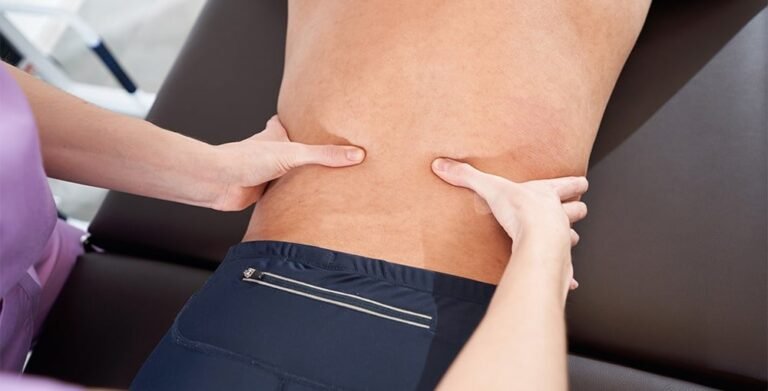
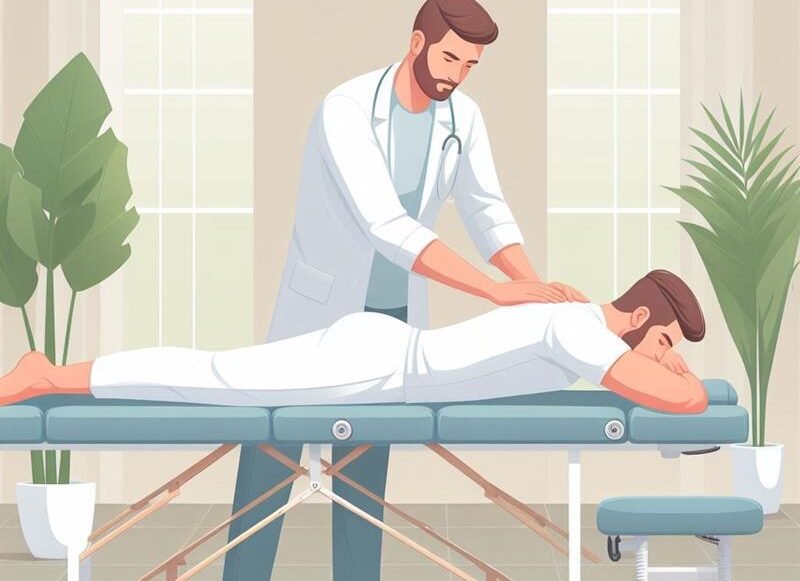
Swedish massage is designed to promote relaxation through steady, rhythmic touch. The therapist may use gliding strokes, circular pressure, gentle kneading, and light tapping. The pace is usually calm, and the pressure can be changed at any time.
This massage may help reduce the physical signs of stress. These signs can include tight shoulders, a clenched jaw, shallow breathing, and stiff hips. Research on massage suggests that it may help lower short-term stress and improve a person’s sense of well-being.
The reason Swedish massage works well for many people is simple: it does not feel like hard work. Some treatments ask your body to stretch, release, or tolerate strong pressure. Swedish massage lets you rest while the therapist works.
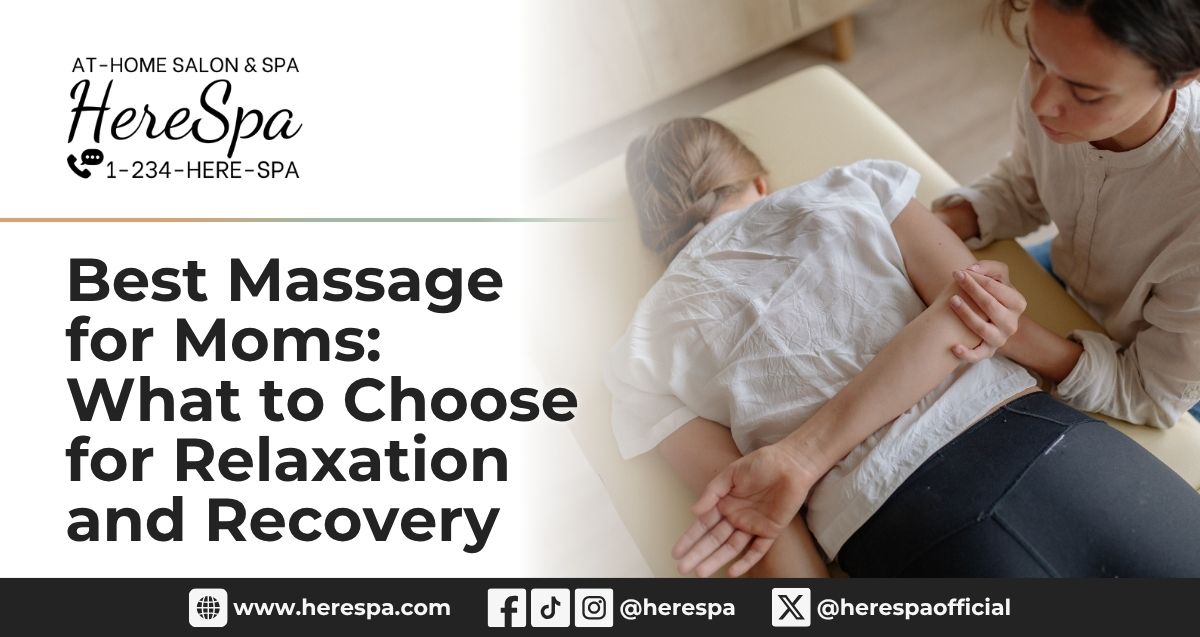
A common mistake is choosing deep pressure because it sounds more effective. In reality, pain is not proof of a better massage. If your body braces against the pressure, the session may feel less relaxing.
Source: herespa.com
How other relaxing massages compare
When people ask, “Which massage is best for relaxation?” they may be thinking about more than Swedish massage. Each style creates a different experience.
Hot stone massage
Hot stone massage uses smooth, heated stones on or near key muscle areas. The therapist may also hold a stone while using massage strokes.
The heat can feel comforting on the back, legs, or shoulders. It may help muscles feel softer, which allows the therapist to use less pressure. This makes hot stone massage a good choice for people who enjoy warmth and a slow pace.
Tell your therapist if the stones feel too hot. A safe therapist checks the temperature before placing stones on your skin. People with reduced heat sensitivity, certain nerve conditions, or some circulation problems may need to avoid this massage.
Aromatherapy massage
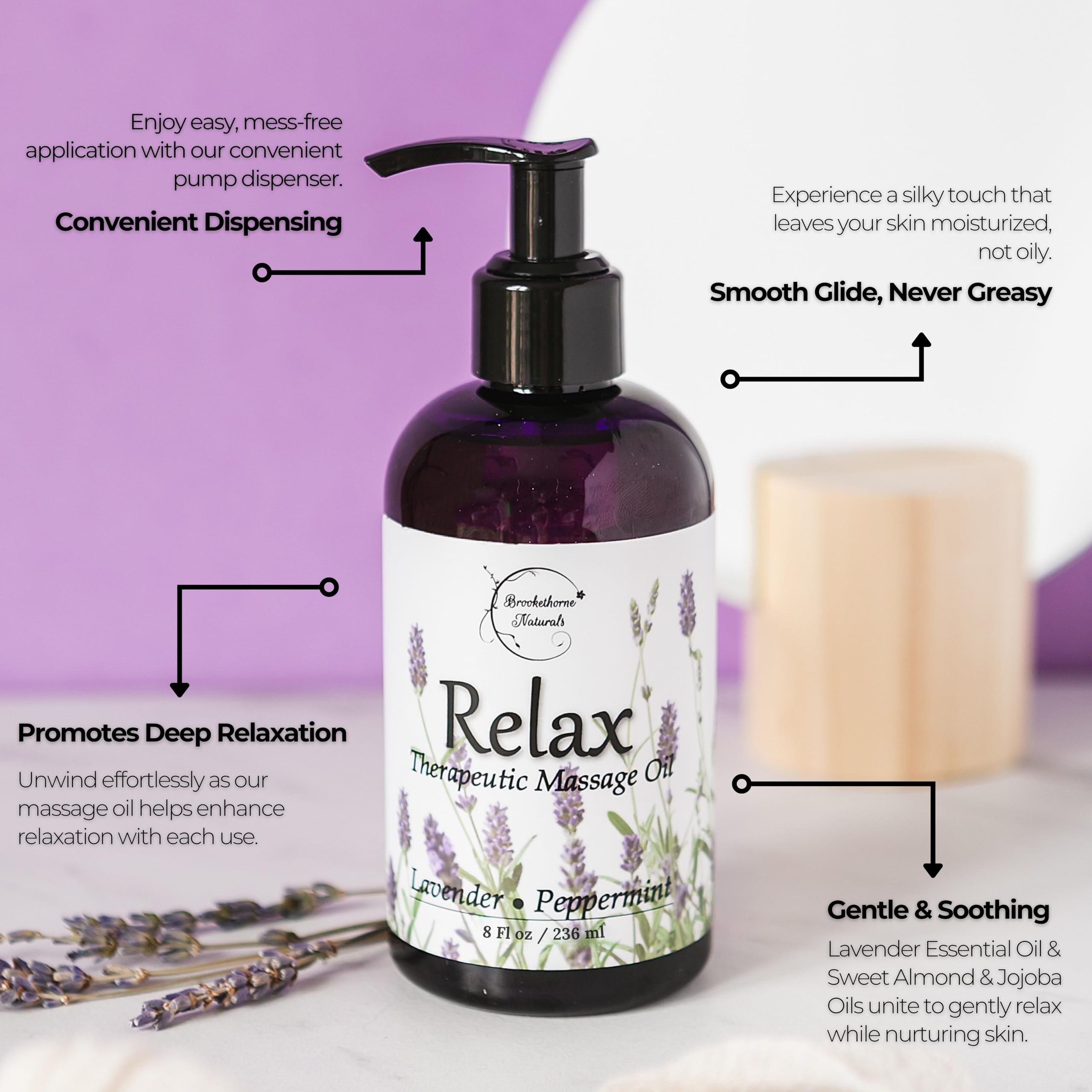
Aromatherapy massage combines gentle massage with diluted essential oils. Lavender, chamomile, and sweet orange are common choices for a calming mood.
The massage itself is often light and slow. The scent may also add to the relaxing setting. However, essential oils can irritate the skin or cause breathing problems for some people.
Ask which oil will be used before the session. Request an unscented massage if you have allergies, asthma, migraines, or strong scent sensitivity.
Thai massage
Thai massage uses assisted stretches, gentle pressure, and movement. You usually remain dressed in loose clothing, and the treatment often takes place on a floor mat.
Thai massage may feel refreshing rather than sleepy. It can be useful if your stress comes with stiffness or limited movement. However, it may not be the best option if you want to lie still and fully switch off.
A gentle Thai session can still support relaxation. Tell the practitioner that relaxation is your main goal, not intense stretching.
Gentle deep tissue massage
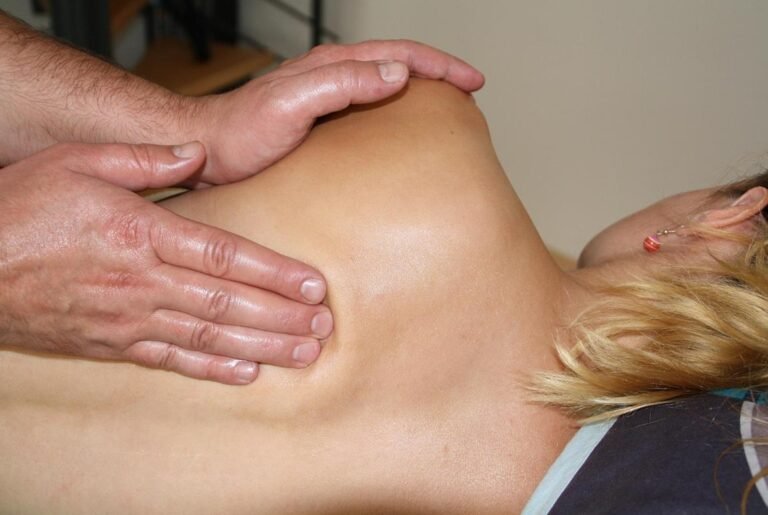
Deep tissue massage targets deeper layers of muscle and connective tissue. It may help people with ongoing tightness in the back, neck, or legs.
It is not always the best massage for relaxation. Strong pressure can leave some people sore or tense, especially when the therapist moves too quickly. If you choose deep tissue work, ask for a gradual approach and moderate pressure.
One lesson many massage clients learn is that the “right” pressure is personal. A slow, gentle session may relax you more than a powerful treatment.
Source: amazon.com
How to choose the right massage for your needs
The question “Which massage is best for relaxation?” becomes easier when you first identify what your body needs today.
Choose Swedish massage if:
• You are new to massage
• You want to relax and rest
• You prefer light or medium pressure
• You have general muscle tension
• You want the therapist to work on your whole body
Choose hot stone massage if:
• You enjoy heat
• Your muscles feel stiff
• You want a quiet, slow treatment
• You do not have a condition that affects heat sensation
Choose aromatherapy massage if:
• You enjoy mild scents
• You want a peaceful spa setting
• You prefer light pressure
• You do not have scent allergies or breathing concerns
Choose gentle Thai massage if:
• You feel stiff from sitting
• You enjoy stretching
• You prefer wearing comfortable clothes
• You want relaxation with more movement
Choose gentle deep tissue massage if:
• You have long-term muscle tightness
• You usually enjoy firm pressure
• You can communicate clearly about discomfort
• You understand that mild soreness may occur
Before booking, ask three simple questions:
- What type of massage do you recommend for relaxation?
- Can the pressure be changed during the session?
- Are the therapist and facility properly trained and licensed where required?
A professional should welcome these questions. Good communication is one of the strongest signs of a safe and helpful massage experience.
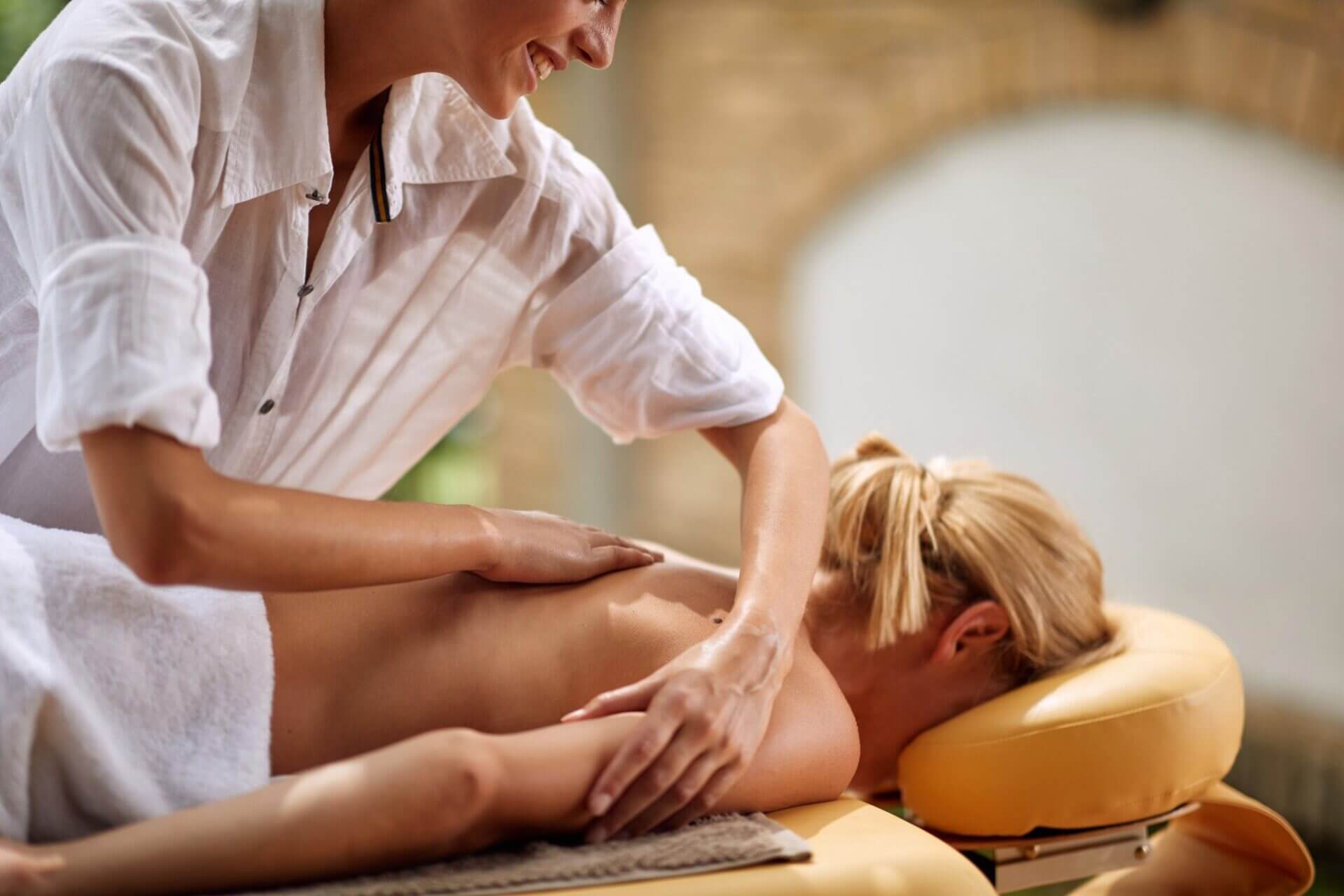
Source: facesspa.com
What to expect during a relaxing massage
A relaxing massage often begins with a short health discussion. The therapist may ask about pain, injuries, medications, allergies, pregnancy, and areas you want to avoid.
You should remain covered with a sheet or towel, except for the area being treated. This practice is called draping. You can ask the therapist to stop, change pressure, adjust the room, or end the session at any time.
For the best result, try these steps:
- Arrive a few minutes early.
- Drink water during the day.
- Avoid a large meal right before the session.
- Tell the therapist your pressure preference.
- Breathe slowly instead of holding your breath.
- Speak up if anything feels painful, too hot, or uncomfortable.
- Rest for a few minutes after the massage.
You do not need to make conversation during the session. A quiet treatment is perfectly normal. If your mind is busy, focus on the therapist’s rhythm or take slow breaths.
A useful tip from many real-world massage sessions is to avoid judging the massage in the first five minutes. Your body may need time to settle. The room, music, temperature, and therapist’s pace can all affect how quickly you relax.

Source: amazon.com
Benefits and limits of massage for relaxation
Massage may support relaxation in several ways. Gentle touch can help reduce muscle tension, improve comfort, and create a calm break from daily demands.
Some studies suggest massage may reduce short-term anxiety and support better sleep. It may also help people feel less stressed before medical procedures or during periods of emotional strain. However, results vary from person to person.
Massage should support your health routine, not replace needed medical care. It cannot treat serious injuries, severe anxiety, depression, infections, or unexplained pain on its own.
Possible short-term effects include:
• Mild soreness
• Temporary tiredness
• Increased thirst
• Skin irritation from oils
• Headache in some people
• Feeling lightheaded after standing
These effects are often mild, but they should not be severe or persistent. Contact a health professional if you have unusual pain, weakness, swelling, numbness, or other concerning symptoms.

Source: amazon.com
Safety tips before booking a massage
Massage is safe for many healthy adults when performed by a trained professional. Still, some people should ask a health care provider before receiving massage.
Use extra caution if you have:
• A recent injury or surgery
• Broken skin, burns, or an active rash
• A blood clot or a history of clotting problems
• Severe osteoporosis
• Uncontrolled high blood pressure
• A serious heart condition
• Cancer treatment or complex medical needs
• Nerve damage or reduced sensation
• Pregnancy or a high-risk pregnancy
Pregnant clients should choose a therapist trained in prenatal massage. Certain positions and pressure points may need to be avoided, especially during early pregnancy or when complications exist.
Avoid massage over open wounds, infected skin, unexplained swelling, or areas with sharp pain. A therapist should never pressure you to continue when something feels wrong.
Also check the therapist’s credentials. Licensing rules vary by state, but training, clear consent, clean linens, and professional boundaries matter everywhere.
Source: transcendinghealth.net
How to make a massage more relaxing
The massage style is only one part of the experience. Your setting and preparation can affect relaxation just as much.
Try these practical ideas:
• Book a time when you do not need to rush afterward.
• Choose a quiet treatment room if sound bothers you.
• Request low lighting or calming music.
• Ask for unscented lotion if strong smells distract you.
• Keep your phone on silent.
• Tell the therapist about sensitive areas before the session.
• Choose light pressure if your main goal is rest.
• Plan a calm activity afterward, such as a short walk or warm shower.
Do not feel embarrassed about giving feedback. Saying “please use less pressure” or “that area feels tender” helps the therapist personalize the treatment.
If you feel sleepy after a massage, do not drive until you feel alert. Give yourself time to return to normal activity, especially after a long or heated session.
Source: forbes.com
How often should you get a relaxing massage?
There is no universal schedule for massage. Some people enjoy a monthly session, while others book one during stressful periods or after demanding physical activity.
For general relaxation, an occasional Swedish massage may be enough. If you have ongoing pain or movement problems, work with a qualified health professional to create a broader care plan.
More massage is not always better. Your body may need time to recover, especially after firm pressure. If you remain sore for more than a day or two, discuss the experience with your therapist and reduce the pressure next time.
The best massage for relaxation is the one that leaves you feeling calm without causing pain or stress. Your response matters more than a popular trend.
Frequently Asked Questions
Which massage is best for relaxation and stress relief?
Swedish massage is usually the best option for relaxation and everyday stress relief. Its slow strokes and adjustable pressure help many people feel calm without intense stretching or discomfort.
Is deep tissue massage good for relaxation?
Deep tissue massage can feel relaxing when muscle tension is the main source of stress. However, strong pressure may cause soreness or make your body tense, so it is not the first choice for everyone.
Is hot stone massage more relaxing than Swedish massage?
Hot stone massage may feel more relaxing if you enjoy warmth and a slow treatment. Swedish massage may be better if you prefer adjustable pressure or do not want heat.
Can massage help with anxiety?
Massage may provide short-term relief from physical tension and stress. It should not replace therapy, medication, or medical care for ongoing or severe anxiety.
What should I wear for a relaxing massage?
Wear comfortable clothing and follow the therapist’s instructions. During a table massage, you remain covered with professional draping, with only the area being treated exposed.
How long should a relaxation massage last?
A 60-minute session gives enough time to relax and address several areas. A 30-minute massage can work well for focused tension, while a 90-minute session allows a slower full-body treatment.
Should a massage hurt to be effective?
No. Mild pressure or tenderness can occur, but sharp pain is not a sign of a better massage. Tell your therapist right away if the pressure feels painful or makes you hold your breath.
Conclusion
So, which massage is best for relaxation? For most people, Swedish massage is the safest and simplest place to start. Hot stone massage adds soothing warmth, aromatherapy adds gentle scent, Thai massage adds movement, and light deep tissue work may help stubborn tension.
Choose based on your comfort, health, pressure preference, and reason for booking. Communicate clearly, select a trained therapist, and remember that relaxation should feel calming, not painful. Book a session that fits your needs, and share your experience or questions in the comments.