What Type Of Massage Is Best For Back Pain?: Top Choices
For most people, Swedish or deep tissue massage works best for back pain when matched to the cause.
Back pain has many causes, from tight muscles and poor posture to joint irritation and nerve problems. That is why the answer to what type of massage is best for back pain depends on your symptoms, pain level, and medical history. This guide explains the main massage options, what each one can do, when to avoid massage, and how to choose a safe therapist.
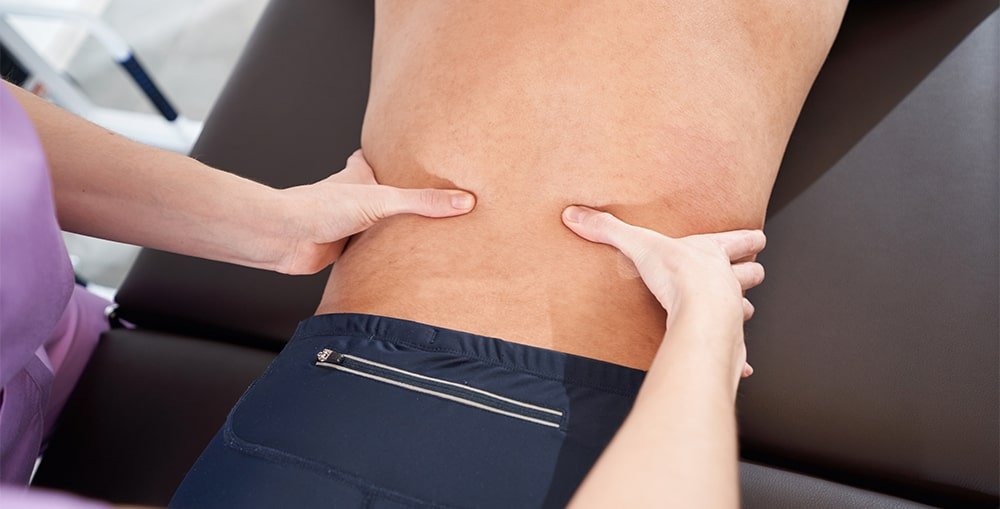
What type of massage is best for back pain?
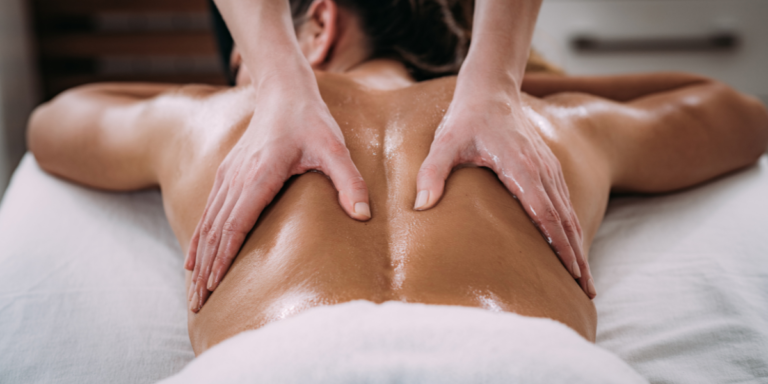
Swedish massage is often the best starting point for mild, muscle-related back pain. It uses long, smooth strokes and gentle kneading to improve relaxation, ease muscle tension, and support blood flow.
Deep tissue massage may help chronic muscle tightness, but it is not always better. Strong pressure can leave sore tissue more irritated, especially during a pain flare.
Other massage styles may suit specific needs:
• Swedish massage is best for general tension, stress, and mild low back pain.
• Deep tissue massage may help long-term muscle knots and tight muscles.
• Trigger point massage targets small, tender areas that send pain to nearby regions.
• Myofascial release uses slow pressure to reduce tension in the connective tissue around muscles.
• Sports massage may help active people with muscle strain or repeated movement stress.
• Shiatsu uses finger and palm pressure and may support relaxation and body awareness.
The key lesson is simple: the most effective massage is usually the one that fits the cause of the pain, not the one with the hardest pressure.

Source: pacifichealth.ca
How massage may relieve back pain
Massage can affect the body in several ways. It may reduce muscle tension, calm the nervous system, and improve how you sense pain. It can also help you move with less fear and stiffness.
When a muscle stays tight, it can act like a clenched fist. This may limit movement and place extra stress on nearby joints. Massage may help the muscle relax, much like gently opening that clenched hand.
Research on massage for low back pain shows modest short-term benefits for some people. These benefits may include less pain and better function. The effect is often stronger when massage is combined with exercise, education, physical therapy, or other proven care.
Massage does not repair every cause of back pain. It cannot remove a spinal tumor, heal a serious fracture, or cure nerve compression. Think of it as one tool in a larger care plan.
Swedish massage for back pain
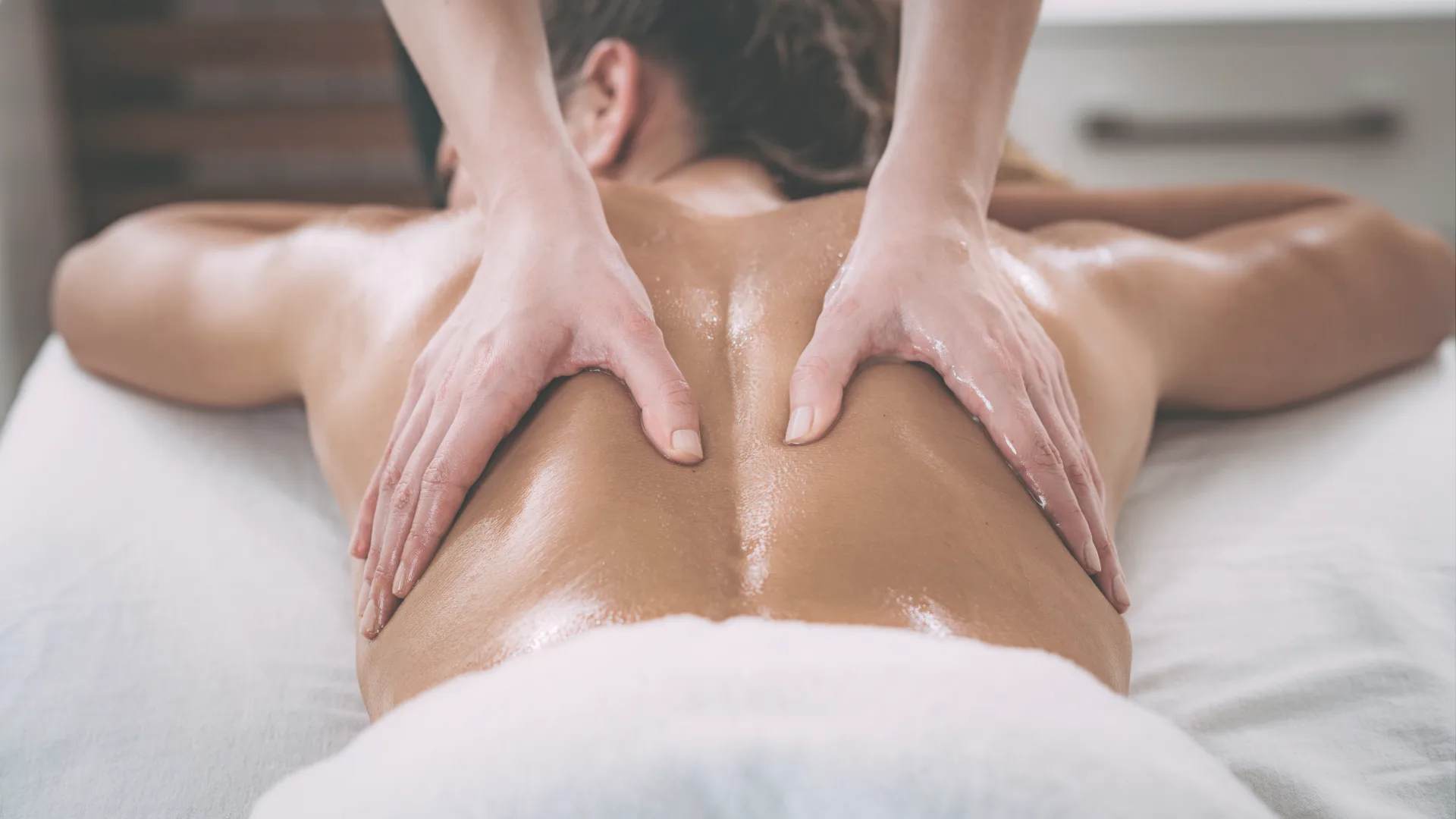
Swedish massage is a gentle to moderate style. A therapist may use gliding strokes, kneading, light tapping, and small circular movements.
This style may be a good choice if you have:
• Mild lower back pain
• General muscle stiffness
• Stress-related tension
• Poor sleep linked to discomfort
• Fear of intense pressure
A Swedish massage session should feel calming, not punishing. You may notice warmth and a sense of ease in the muscles. You should not feel sharp pain, numbness, or strong pressure over the spine.
For someone asking what type of massage is best for back pain after a long day at a desk, Swedish massage is often a sensible first option. It allows the therapist to learn how your body responds before using deeper work.
Source: njallcarepain.com
Deep tissue massage for back pain
Deep tissue massage uses slower strokes and firmer pressure. It may focus on deeper layers of muscle and fascia, which is the thin tissue that surrounds muscles.
It may help people with:
• Long-term muscle tightness
• Repeated physical work
• Restricted movement
• Muscle knots around the hips, shoulders, or back
Still, deep tissue massage is not a cure-all. More pressure does not always mean more benefit. Excess force can increase soreness, bruising, muscle guarding, or inflammation.
Tell your therapist when the pressure becomes too much. A useful rule is that the pressure should feel strong but manageable. It should never cause sharp, burning, electric, or spreading pain.
If your back pain began suddenly, deep tissue massage may not be the right first step. A health professional should check for injury before intense treatment.

Source: massagebyinnerbalance.com
Trigger point massage and myofascial release
Trigger point massage focuses on sensitive spots within tight muscles. Pressing one spot may reproduce pain in another area. For example, a tight buttock muscle may refer pain into the lower back or hip.
Myofascial release uses slow, steady pressure. The therapist may work on the back, hips, legs, chest, or shoulders because tension in one area can affect movement elsewhere.
These techniques may help when pain is linked to:
• Repeated muscle use
• Poor movement patterns
• Long periods of sitting
• Muscle guarding after an injury
• Tight hips or gluteal muscles
A good session should include gentle movement and feedback. Trigger point work can feel tender, but it should not feel like an injury is being created. Pain that lasts for days after treatment is a sign that the pressure or duration may have been too much.
Source: sparestorationcenter.com
Other massage styles that may help
No single massage style works for everyone. Your goals and health history matter.
Sports massage
Sports massage may suit runners, cyclists, weight lifters, and people who perform repeated physical tasks. It can focus on muscles that are overused or stiff.
It is often used before or after activity, but it should not replace medical care for a serious injury. A therapist should adjust the session based on whether you have soreness, strain, swelling, or reduced strength.
Shiatsu massage
Shiatsu uses finger, thumb, palm, and sometimes elbow pressure. The goal is often relaxation and improved body awareness.
Some people enjoy shiatsu for general tension. Evidence for specific back pain relief is less consistent than evidence for exercise-based care, so it is best viewed as a comfort-based option.
Prenatal massage
Pregnancy can change posture and place more stress on the lower back and pelvis. Prenatal massage may help some pregnant people relax and manage muscle discomfort.
Choose a therapist trained in prenatal care. Ask your prenatal provider first if you have bleeding, high blood pressure, severe swelling, pregnancy complications, or unusual pain.
Chair massage
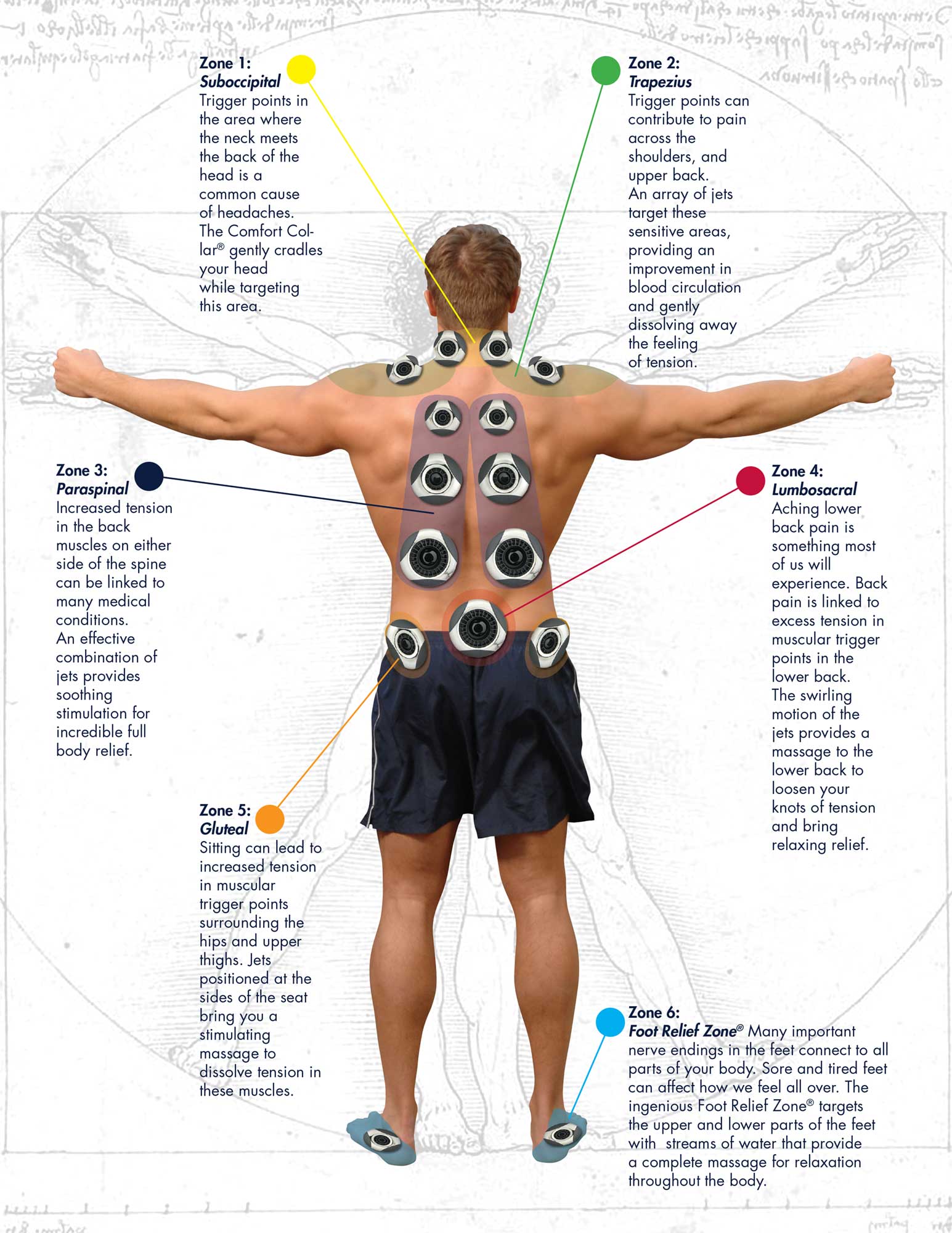
Chair massage is short and usually focuses on the neck, shoulders, and upper back. It may help work-related tension but may not provide enough time to assess persistent lower back pain.
Source: americanwhirlpool.com
Choosing massage based on your symptoms
The best answer to what type of massage is best for back pain changes with the symptom pattern.
For mild muscle tightness
Try Swedish massage or light myofascial work. Gentle movement, heat, and regular walking may also help.
For chronic stiffness
A combination of moderate massage, stretching, and strengthening may be useful. Deep tissue work can be included if it feels comfortable and a qualified therapist performs it.
For pain after exercise
Sports massage may help muscle soreness. Wait until severe swelling and sharp pain have settled. An acute injury may need rest, evaluation, or physical therapy instead.
For pain that travels down the leg
Pain that moves from the back into the buttock or leg may involve nerve irritation. Massage may ease nearby muscle tension, but it should not be the only treatment.
For upper back and shoulder tension
Swedish massage, trigger point work, and posture-focused care may help. Your workstation, sleep position, and daily habits should also be reviewed.
For pain during pregnancy
Choose prenatal massage from a trained professional and get medical approval when needed. Avoid any technique that causes discomfort or pressure on the abdomen.
Source: co.uk
When massage may not be safe
Massage is not appropriate for every type of back pain. Seek medical advice before booking a session if you have:
• Recent surgery
• A serious fall or car accident
• Suspected fracture
• Severe osteoporosis
• Fever or infection
• Unexplained weight loss
• New loss of bladder or bowel control
• Numbness around the groin
• Sudden leg weakness
• Cancer or a history of cancer
• Blood clot risk
• Severe or worsening pain
Get urgent care for back pain with new bladder or bowel problems, numbness in the saddle area, or major leg weakness. These signs can point to a serious nerve problem.
You should also speak with a clinician if pain lasts more than a few weeks, keeps returning, or affects sleep and daily tasks. Massage can feel helpful while a medical issue continues underneath, so ongoing symptoms deserve proper assessment.
How to find a qualified massage therapist
A safe massage therapist should ask questions before treatment. They should learn about your pain, health conditions, medications, injuries, and goals.
Look for a professional who:
• Holds a current state license where required
• Has training in therapeutic or clinical massage
• Explains the treatment before starting
• Protects your privacy and uses proper draping
• Welcomes feedback about pressure
• Does not promise to cure every condition
• Refers you to a health professional when symptoms need evaluation
Ask these questions before your appointment:
- Have you worked with people who have back pain?
- What pressure do you recommend for my symptoms?
- How will you change the session if I feel pain?
- Should I get medical clearance first?
- What should I do after the massage?
Be cautious if a therapist tells you that severe pain is always a sign of effective treatment. Good care should respect your limits.
How to prepare for a back massage
A little preparation can make the session safer and more useful.
• Drink water as you normally would, but do not force large amounts.
• Eat a light meal if you are hungry.
• Wear comfortable clothes.
• Bring a list of major health conditions and medicines.
• Explain exactly where the pain starts and where it travels.
• Tell the therapist about numbness, tingling, weakness, or recent injuries.
• Agree on a pressure level before the massage begins.
During the session, speak up early. A therapist cannot feel what you feel. Say “less pressure,” “please stop,” or “that spot feels sharp” whenever needed.
Afterward, gentle walking is often better than sitting still for hours. Mild soreness can happen, but severe pain, bruising, weakness, or worsening symptoms should be reported to a health professional.
Massage versus other back pain treatments
Massage may offer short-term relief, but lasting improvement often requires more than passive care. Exercise helps build strength and teaches the body to handle normal movement with less strain.
A complete plan may include:
• Walking or other low-impact activity
• Core and hip strengthening
• Physical therapy
• Mobility exercises
• Better desk and lifting habits
• Sleep and stress support
• Medical treatment when needed
Clinical guidance often supports staying active for common low back pain, unless a clinician advises otherwise. Bed rest for long periods can increase stiffness and reduce confidence in movement.
Massage may work best as a bridge. It can reduce discomfort enough for you to walk, stretch, or complete physical therapy. In that way, massage supports active recovery instead of becoming the entire recovery plan.
Common mistakes to avoid
People often make a few predictable mistakes when choosing massage for back pain.
Choosing the hardest pressure
Deep pressure can feel satisfying, but it may worsen an irritated muscle or joint. Start gently and increase pressure only if your body responds well.
Ignoring warning signs
Do not massage through numbness, weakness, fever, major trauma, or bowel and bladder changes. These symptoms need medical attention.
Treating the painful spot only
The source of pain may be linked to the hips, legs, shoulders, or movement habits. A skilled therapist looks at the whole pattern.
Expecting one session to fix chronic pain
One appointment may help you feel better, but chronic pain often needs repeated care and lifestyle changes. Set realistic goals.
Skipping exercise
Massage can relax tight muscles, but strength and movement help protect function. Pair massage with a plan you can maintain.
In real-world care, the best results often come from small, steady steps. A comfortable massage, a daily walk, and simple strengthening may do more than one very intense session.
How often should you get a massage for back pain?
There is no universal schedule. Some people benefit from one session during a flare, while others prefer weekly sessions for a short period and then less frequent maintenance.
Your response should guide the plan. If you feel better for a day or two and then return to the same pain, look for the daily factor that keeps triggering it.
Consider reducing or stopping massage if:
• Pain worsens after each session
• You develop bruising or swelling
• Symptoms spread or become more intense
• You rely on massage but cannot improve daily function
• You have new numbness or weakness
Track simple details such as pain level, walking ability, sleep, and movement. This helps you and your therapist judge whether treatment is truly helping.
Frequently Asked Questions About What Type of Massage Is Best for Back Pain?
Is Swedish massage or deep tissue massage better for back pain?
Swedish massage is usually the safer first choice for mild or new muscle tension. Deep tissue massage may help chronic tightness, but too much pressure can increase soreness.
Can massage help a pinched nerve in the back?
Massage may relax nearby muscles and reduce some discomfort, but it cannot directly remove pressure from a nerve. Seek medical advice for weakness, numbness, severe leg pain, or symptoms that keep getting worse.
How long does massage relief for back pain last?
Relief may last from several hours to several days, depending on the cause and your daily habits. Long-term improvement is more likely when massage is combined with movement, strengthening, and appropriate medical care.
Should you massage a sore back after an injury?
Avoid massage immediately after a serious injury, fall, or accident until a health professional checks you. Mild muscle soreness may respond to gentle work, but sharp pain, swelling, or bruising needs caution.
Can massage make back pain worse?
Yes. Excess pressure, poor technique, or massage over an unrecognized injury can worsen symptoms. Stop the session if you feel sharp, burning, electric, or spreading pain.
Is massage safe during pregnancy?
Prenatal massage can be safe for many pregnant people when performed by a trained therapist. Ask your prenatal provider first if you have pregnancy complications, bleeding, high blood pressure, or unusual pain.
What should you do after a back massage?
Move gently, follow your therapist’s advice, and notice how your symptoms change. Contact a health professional if you develop severe pain, weakness, numbness, or other new symptoms.
Conclusion
The best answer to what type of massage is best for back pain is usually Swedish massage for a gentle start, with deeper or more focused techniques added when appropriate. Trigger point work, myofascial release, sports massage, and prenatal massage may also help specific needs.
Massage works best when it supports an active plan that includes safe movement, strength work, and medical evaluation when needed. Choose a licensed therapist, share your full health history, and never treat severe warning signs with massage alone.
Start with a comfortable, moderate session and track how your body responds. If this guide helped, explore trusted back pain resources, discuss your symptoms with a qualified clinician, or share your experience with others.