How Can I Soothe Irritated Skin?
When your skin feels angry, red, and uncomfortable, figuring out how to soothe it can feel like a puzzle. Knowing the right steps can bring quick relief and prevent things from getting worse. This guide breaks down how to calm irritated skin, focusing on what actually works.
We’ll walk through identifying triggers, gentle care, and ingredients that help. For instance, per testing standards for hypoallergenic products, items labeled as such have undergone specific assessments to minimize allergy potential. Getting your skin back to its happy place is the goal, and we've got a clear path for you.
Quick Answer
Soothe irritated skin by identifying and avoiding triggers, using gentle cleansers, and applying calming moisturizers. Focus on ingredients like colloidal oatmeal, ceramides, and hyaluronic acid. Always test new products on a small patch first.
Avoid hot water, harsh scrubbing, and irritating fragrances.
When Your Skin Needs Extra TLC: Recognizing Irritation
Irritated skin is your body's way of signaling that something is off. It’s a common issue, but understanding its signs and causes is the first step to finding relief. Think of it as your skin waving a little red flag.
What Does Irritated Skin Look and Feel Like?
Irritated skin can manifest in various ways, making it sometimes tricky to pinpoint immediately. You might notice redness, a feeling of tightness, or persistent itching. Some people experience dry, flaky patches that feel rough to the touch.
In more reactive situations, you could see small bumps or even a general warmth radiating from the skin's surface. The key is that it deviates from your skin’s usual comfortable state.
Common Triggers: What's Causing the Discomfort?
So many things can set off skin irritation. Environmental factors like strong winds, dry air, or even prolonged sun exposure can leave your skin feeling raw. Skincare products are also frequent culprits; harsh chemicals, strong fragrances, or certain preservatives can trigger a reaction.
Even friction from clothing or scratching can make matters worse. Identifying these triggers is crucial for a long-term solution. Sometimes, it's as simple as a change in your laundry detergent or a new face wash.
Your Personal Skin Soothing Action Plan
Once you have a better idea of what might be bothering your skin, it’s time to put a plan into action. This approach focuses on being gentle and supportive to help your skin recover.
Image source: Bing (Web (fair-use with source credit))
Step 1: The Gentle Cleanse
The foundation of soothing irritated skin is incredibly gentle cleansing. Forget anything that foams up aggressively or leaves your skin feeling tight and stripped. Instead, opt for a mild, hydrating cleanser.
Our research indicates that cream or lotion-based cleansers, often labeled as "fragrance-free" and "hypoallergenic," are excellent choices. These formulas aim to remove dirt and impurities without disrupting your skin barrier function.
- What to look for: Cream or lotion cleansers, micellar water, or oil cleansers.
- What to avoid: Bar soaps, foaming cleansers with sulfates (like Sodium Lauryl Sulfate), and anything with alcohol or strong perfumes.
- How to do it: Use lukewarm water, never hot. Gently massage the cleanser onto your skin with clean fingertips, then rinse thoroughly. Pat your skin dry with a soft towel; don't rub.
Step 2: Choose Your Soothing Stars (Ingredients That Help)
The ingredients in your skincare products can either soothe or aggravate irritated skin. When your skin is upset, you want to feed it calming, barrier-repairing components.
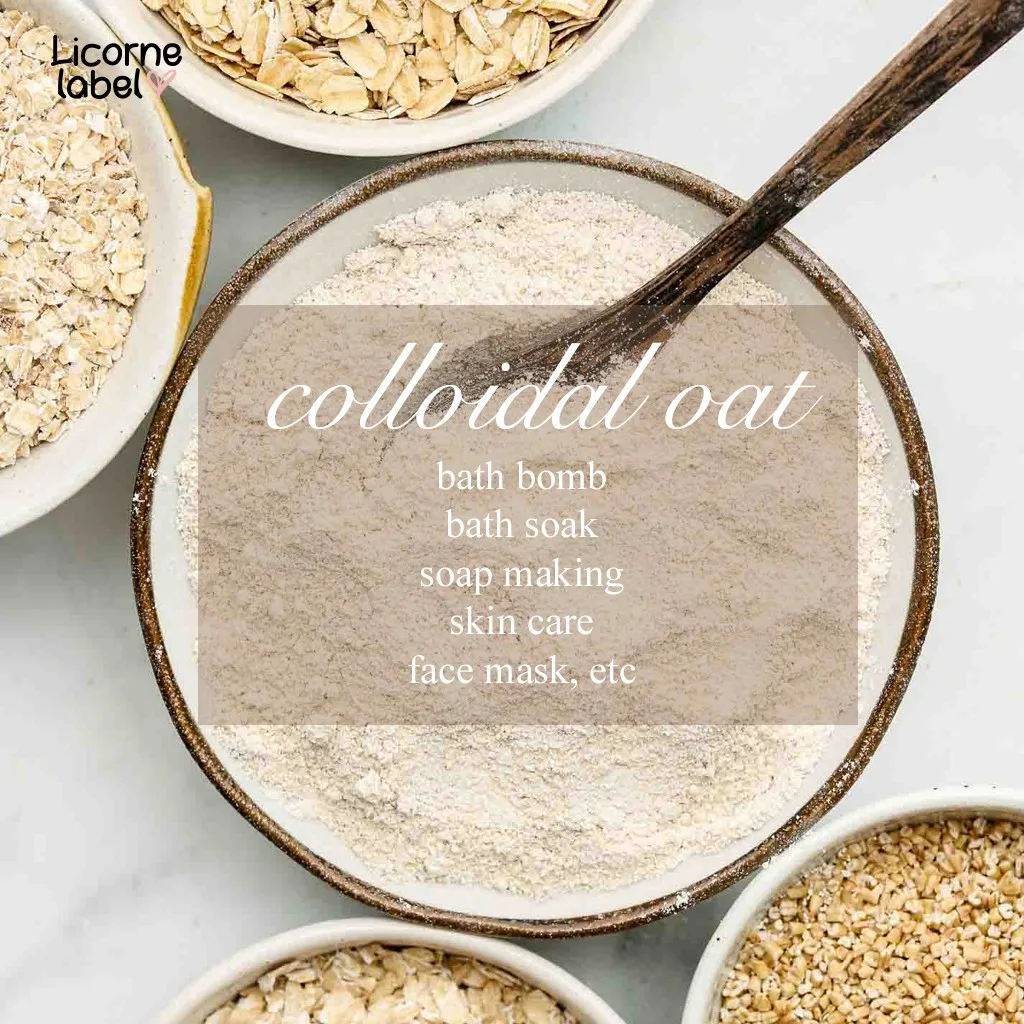
Image source: Bing (Web (fair-use with source credit))
- Ceramides: These are natural lipids (fats) found in your skin cells that help form your skin's protective barrier and keep moisture in. When your barrier is compromised, ceramide-rich products can help restore it.
- Hyaluronic Acid: This powerful humectant attracts and holds moisture in the skin, helping to plump and hydrate. It’s like a big drink of water for your skin.
- Colloidal Oatmeal: Known for its anti-inflammatory and itch-relieving properties, colloidal oatmeal can be incredibly soothing for dry, itchy, or red skin.
- Centella Asiatica (Cica): This plant extract has long been used for its healing and calming benefits, helping to reduce redness and repair the skin barrier.
- Aloe Vera: A classic for a reason, aloe vera offers a cooling and hydrating sensation that can provide immediate relief from stinging or burning.
When selecting a moisturizer, look for products that list these ingredients prominently. As of 2026, many dermatologists recommend avoiding products with added dyes, synthetic fragrances, and certain preservatives known to cause sensitivity.
Step 3: Hydrate and Protect
After cleansing, it's vital to lock in moisture and protect your vulnerable skin. A good moisturizer can make a world of difference in restoring comfort and helping your skin heal.
- Apply to Damp Skin: For maximum hydration, apply your chosen moisturizer to slightly damp skin, ideally within a minute or two of cleansing. This helps trap that surface moisture.
- Look for Barrier Support: Seek out moisturizers that specifically mention "skin barrier repair" or contain ingredients like ceramides, fatty acids, and cholesterol. These are the building blocks your skin needs to get back to its healthy state.
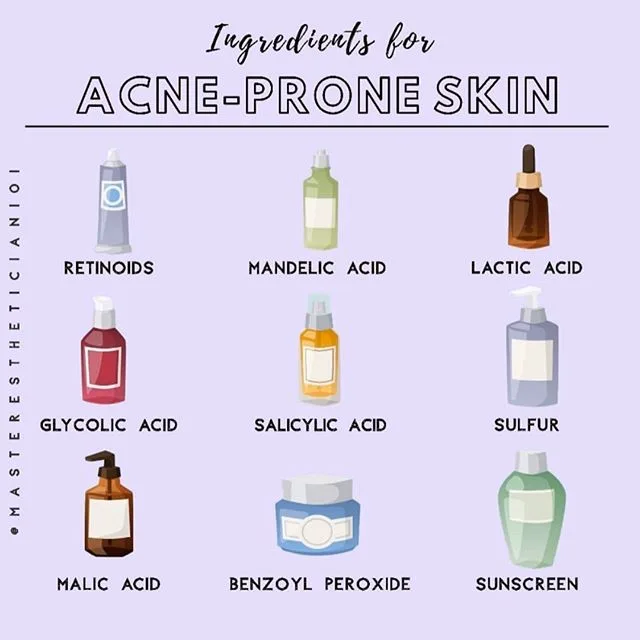
- Avoid Irritants: Double-check ingredient lists for potential triggers like alcohol, synthetic fragrances, and harsh exfoliants. Even if a product is marketed for sensitive skin, it’s always wise to patch test. You can learn more about what ingredients are best for treating acne and how they might impact sensitive skin.
What NOT to Do: Common Mistakes That Worsen Irritation
Just as important as knowing what to do is knowing what not to do when your skin is irritated. Certain actions, even if done with good intentions, can actually prolong or worsen the discomfort.
The Scratching Trap
It’s almost an instinct: when skin itches, we scratch. But scratching irritated skin is one of the worst things you can do. It creates micro-tears in the skin, introduces bacteria, and can lead to further inflammation, infection, and even scarring.
If the itch is unbearable, try gently patting or pressing the area instead of scratching. A cool compress can also offer temporary relief. Persistent itching might require a more targeted treatment.
Harsh Product Pitfalls
Using products that are too harsh is a fast track to more irritation. This includes anything with high concentrations of active ingredients like strong acids (AHAs, BHAs) or retinoids, especially if your skin barrier is already compromised. Even certain physical exfoliants, like scrubs with rough particles, can be too abrasive.
If you've recently used a potent treatment and your skin is reacting, it's best to scale back and focus on simple, calming steps until your skin has recovered. You might find our guide on can retinol help treat acne? helpful in understanding when and how to use strong actives.
Overdoing It with Treatments
Sometimes, people think that if a little bit of a treatment helps, more will be even better. This is rarely the case with skincare, especially for irritated skin. Applying multiple active ingredients at once, or using them too frequently, can overwhelm your skin.
For example, if you're dealing with redness and inflammation, layering a strong exfoliant with a potent acne treatment might seem logical, but it can lead to dryness, peeling, and even more sensitivity. It's often better to simplify your routine and focus on rebuilding your skin barrier.
When to Call in the Experts: Recognizing Serious Issues
Most of the time, a few days of gentle care can get your skin back on track. However, there are times when irritation signals a deeper issue, and it’s wise to seek professional help.
Signs You Need to See a Dermatologist
If your skin irritation is severe, doesn't improve after a week or two of consistent gentle care, or is accompanied by intense pain, blistering, or signs of infection (like pus or increased warmth and swelling), it’s time to consult a dermatologist. Persistent, widespread redness, or conditions like eczema or rosacea, also warrant professional evaluation. They can accurately diagnose the cause of your irritation and recommend prescription treatments or specific skincare regimens tailored to your needs.
Don't hesitate to seek help if you're unsure about what is the best treatment for acne or other skin concerns.
Quick Answers for Fast Relief: FAQs About Irritated Skin
When you're dealing with skin that feels unhappy, quick answers can be a lifesaver. Many common irritations can be managed with simple, consistent care. Here, we tackle some of the most frequently asked questions about soothing distressed skin.
What is the fastest way to calm down red, irritated skin?
The fastest way involves a cool compress followed by a gentle, fragrance-free moisturizer containing calming ingredients. Avoid any harsh scrubbing or active ingredients. This combination helps reduce inflammation and restore hydration quickly.
Can I use essential oils on irritated skin?
Generally, it's best to avoid essential oils on irritated skin, especially if you have sensitivity. Many can be potent irritants and may worsen redness and inflammation. Always dilute essential oils heavily and patch test if you choose to use them.
How long does it typically take for skin irritation to go away?
With proper care and avoidance of triggers, minor skin irritation can start to improve within 24 to 48 hours. More significant irritation or underlying conditions might take days or weeks to fully resolve. Consistent, gentle care is key for faster healing.
Are certain fabrics worse for irritated skin?
Yes, rough or synthetic fabrics can exacerbate irritation. Natural, breathable fibers like 100% cotton or silk are usually best. Avoid wool or coarse linen directly against irritated areas.
Always ensure new clothing is washed before wear to remove any manufacturing residues.
Is it safe to use makeup on irritated skin?
It's best to avoid makeup on actively irritated skin if possible. Makeup can clog pores, contain potential irritants, and make it harder for your skin to heal. If you must wear makeup, opt for mineral-based, non-comedogenic, and fragrance-free formulas.
Always remove it gently at the end of the day.
Can stress cause or worsen skin irritation?
Absolutely. Stress can trigger inflammation throughout the body, including the skin. It can also lead to behaviors like picking or scratching, which further damage the skin barrier.
Managing stress through techniques like meditation or light exercise can indirectly help calm your skin. If you're curious about this link, exploring can stress cause acne? can shed light on how internal factors affect your skin.