Can Lack Of Sleep Cause Acne: The Truth About Breakouts
Lack of sleep can contribute to acne by raising stress, inflammation, and oil production, but it is rarely the only cause.
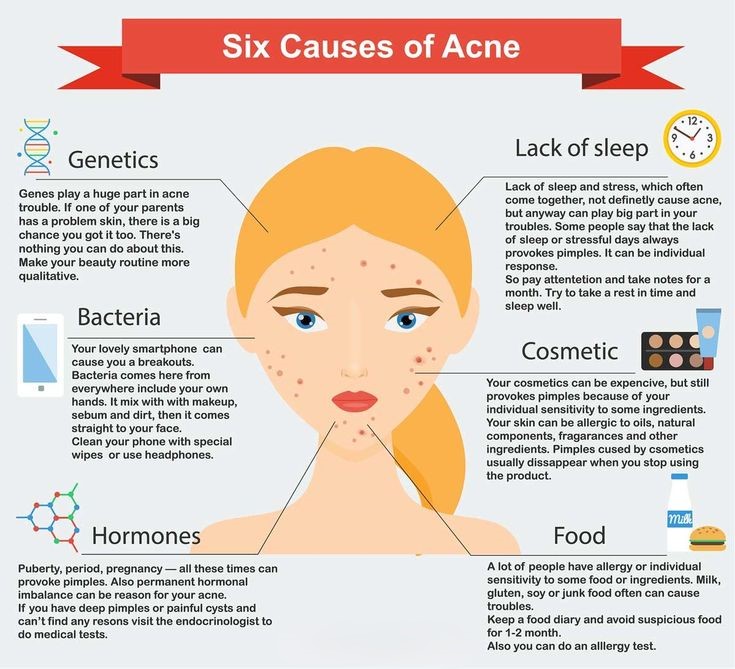
If you wonder, “Can lack of sleep cause acne?” the honest answer is yes, it may play a role. Poor sleep can affect stress hormones, skin repair, immunity, and daily habits that influence breakouts. Still, acne usually has several causes, such as clogged pores, excess oil, bacteria, hormones, genetics, and certain products. This guide explains the sleep acne connection, what the research suggests, and what you can do to protect your skin.
Can lack of sleep cause acne?
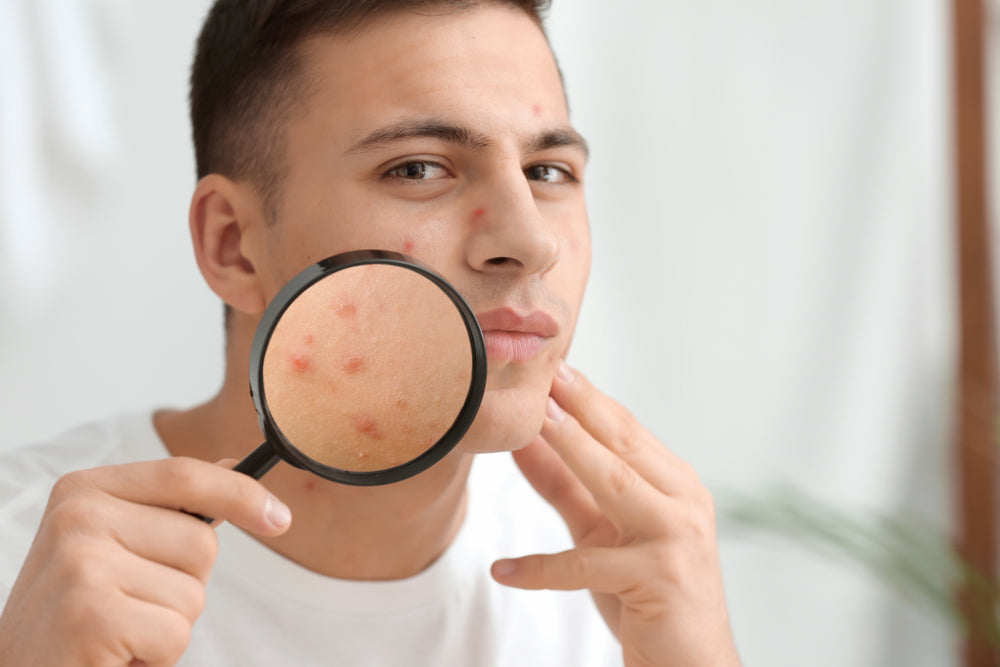
Lack of sleep can contribute to acne, but it does not directly cause every breakout. Think of sleep as one part of a larger skin health system. When that system is under strain, existing acne may become worse or take longer to heal.
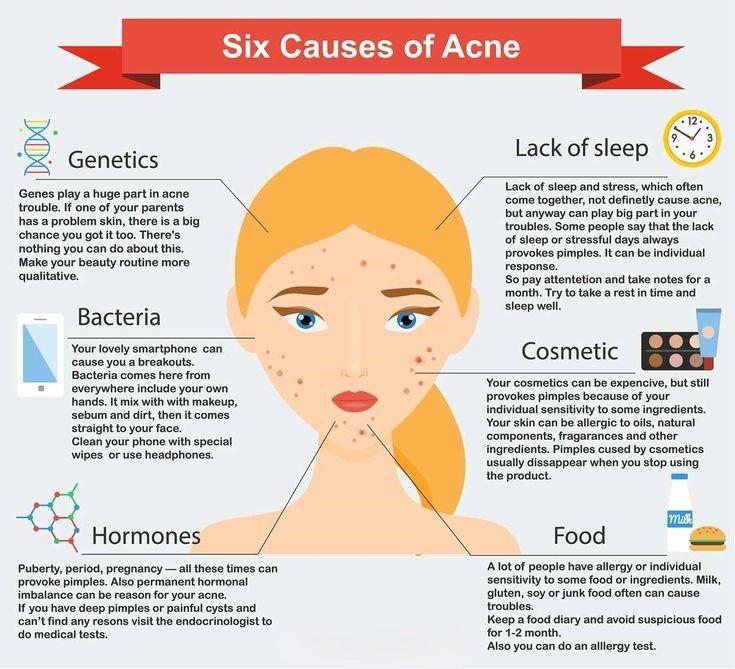
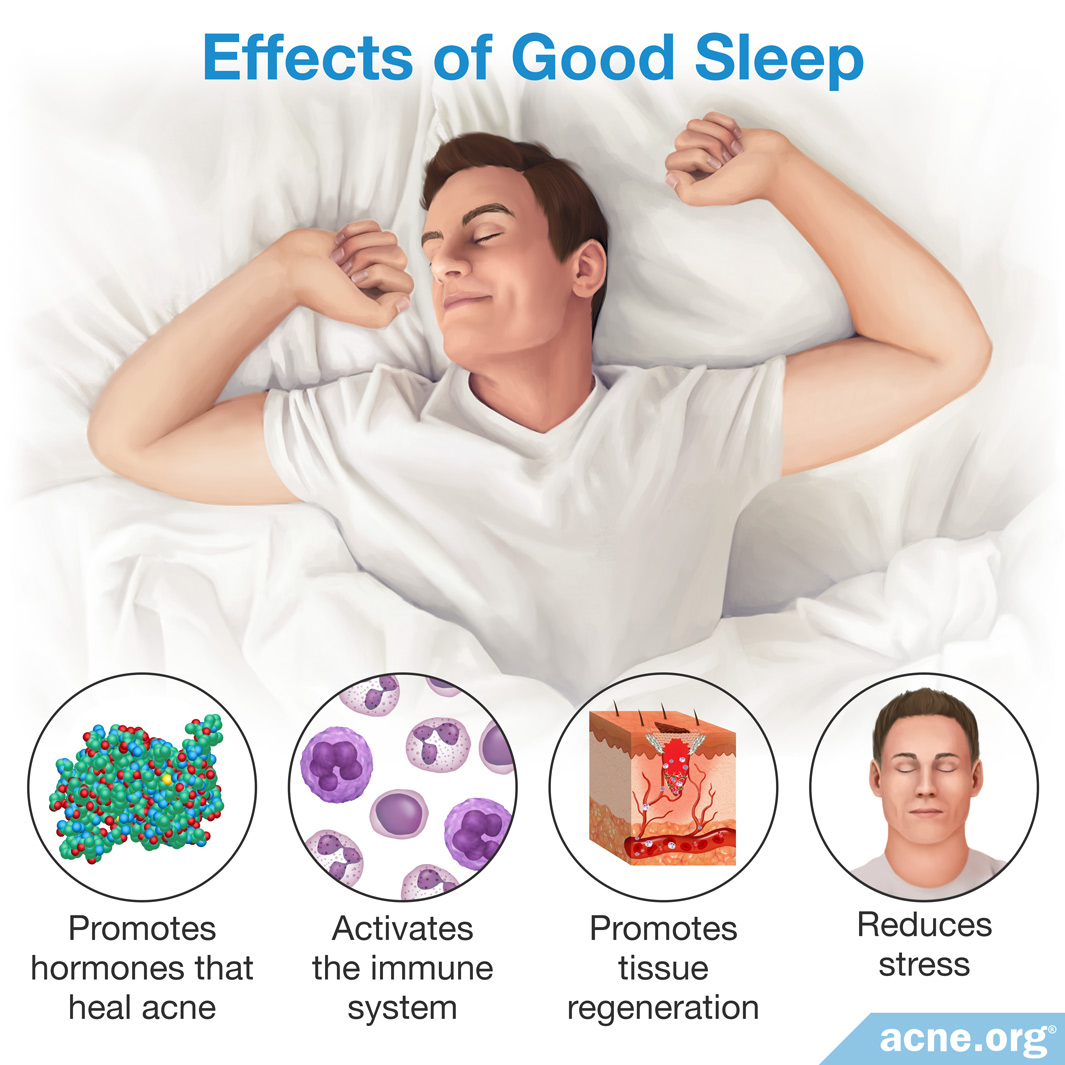
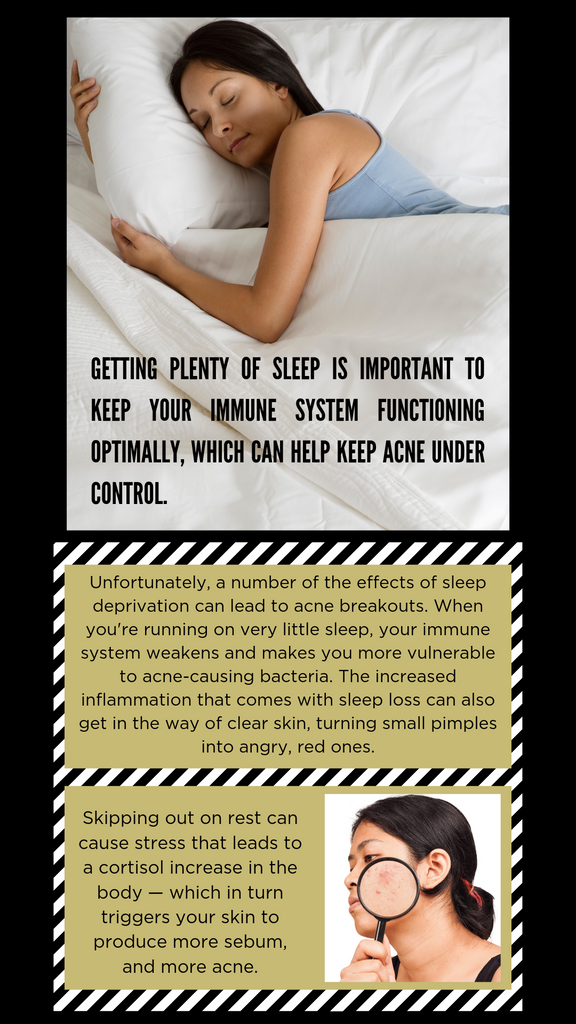
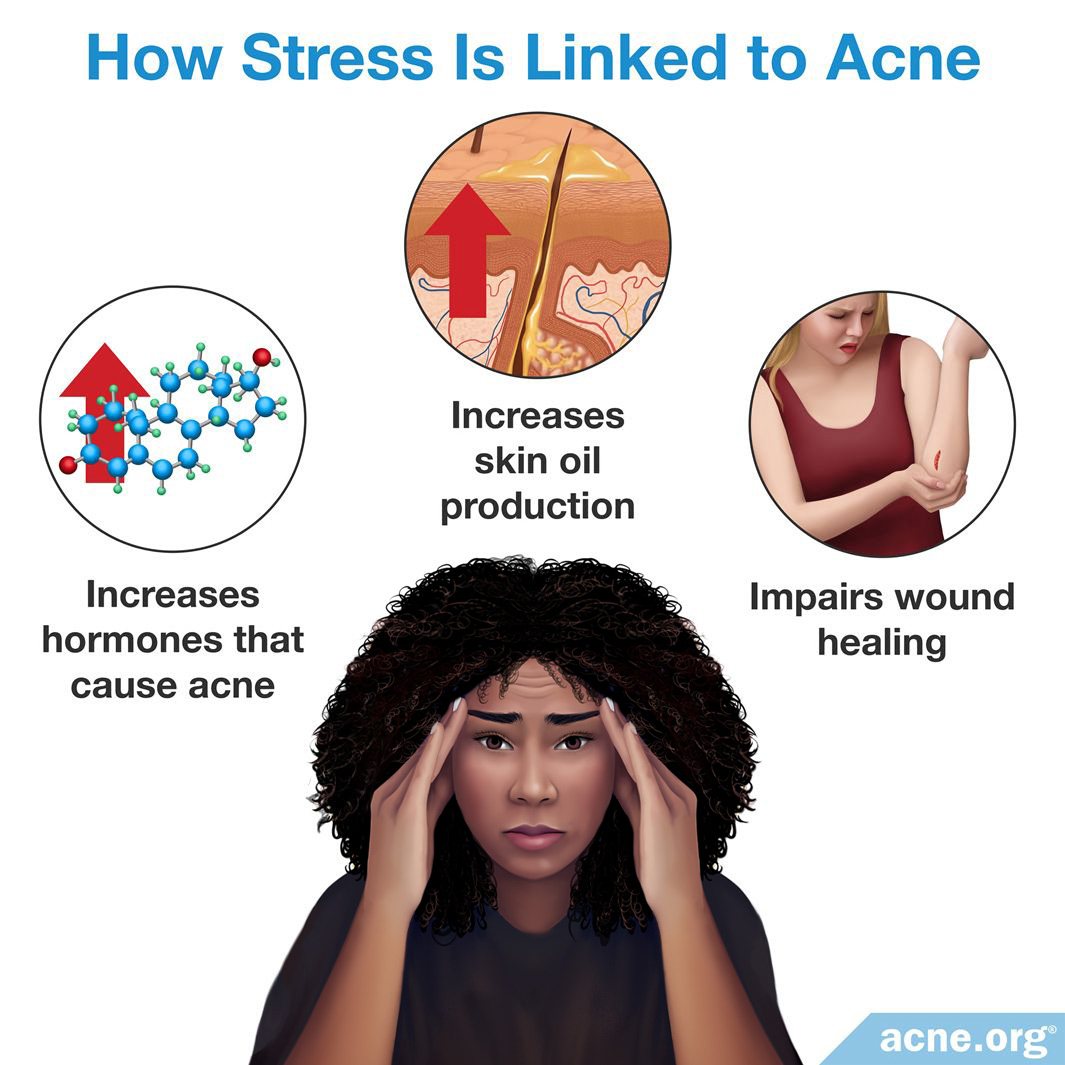
During deep sleep, the body works on tissue repair and immune balance. If you sleep too little, your body may produce more cortisol, often called the stress hormone. Higher stress can increase inflammation and may affect the oil glands in acne-prone skin.
The link is not always simple. A person who sleeps five hours may also be dealing with stress, late-night snacks, skipped face washing, or a busy schedule. Any of these factors may affect acne. So, the better question is not only “Can lack of sleep cause acne?” but also “What changes when I am not sleeping well?”
Research has found an association between poor sleep and skin problems, including acne. However, many studies rely on surveys and personal reports. This means they can show a pattern but cannot prove that sleep loss alone causes acne.
How poor sleep may trigger or worsen acne
Several body processes may explain why lack of sleep and acne often appear together.
Increased stress hormones
Sleep loss can place the body in a mild stress state. This may increase cortisol and other stress signals. Stress does not create acne from nothing, but it can worsen the inflammation around clogged pores.
When inflammation rises, a small bump may become red, swollen, and painful. This is one reason a person may notice more inflamed pimples after several nights of poor sleep.
More skin inflammation
Sleep helps control the immune system. With regular rest, the body can manage inflammation in a balanced way. With too little rest, inflammatory signals may become more active.
Acne is an inflammatory skin condition. A weakened balance may make existing blemishes look more irritated. It may also slow the healing of marks left after a breakout.
Reduced skin barrier repair
Your skin barrier helps keep moisture in and irritants out. It also supports the skin’s natural defense system. Much of the repair process occurs while you rest.
Poor sleep may leave the barrier dry, sensitive, or less resilient. In response, some people use harsh scrubs or strong acne products. This can cause more irritation and make the skin feel even worse.
Changes in oil and pore activity
Sleep loss may affect hormones that influence oil production. More oil can mix with dead skin cells and block pores. Clogged pores can then develop into blackheads, whiteheads, or inflamed acne.
This does not mean every person with poor sleep will produce more oil. Skin type, hormones, age, medications, and genetics also matter.
Unhealthy late-night habits
The answer to “Can lack of sleep cause acne?” may sometimes involve behavior rather than sleep itself. Late nights can change your skin routine.
For example, you may:
• Fall asleep without removing makeup
• Touch your face more often
• Eat more sugary or highly processed foods
• Drink less water
• Use more caffeine
• Forget to wash pillowcases
• Pick or squeeze blemishes
These habits can add stress to acne-prone skin. In many cases, the full pattern matters more than one short night.
What causes acne besides sleep loss?
Acne begins when hair follicles become clogged with oil and dead skin cells. Bacteria and inflammation can then turn a clogged pore into a pimple. Sleep may affect this process, but it is only one possible influence.
Common acne triggers include:
• Puberty and other hormone changes
• Menstrual cycles
• Pregnancy
• Polycystic ovary syndrome
• Family history
• Oily skin
• Heavy skin or hair products
• Friction from helmets, masks, or tight clothing
• Some medicines, including corticosteroids
• Stress
• Picking or squeezing the skin
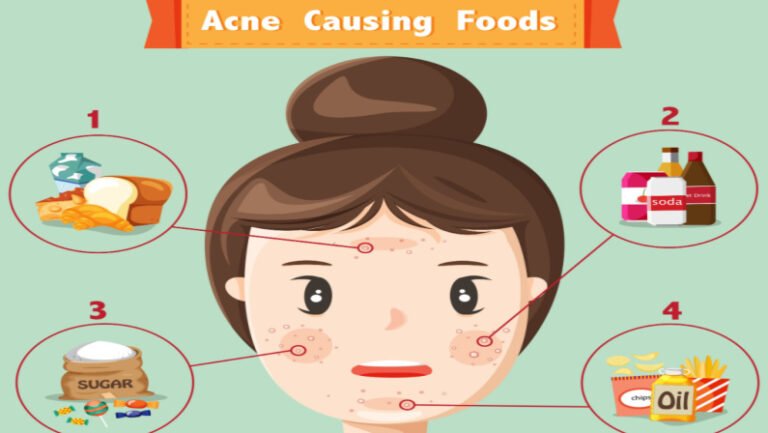
• Certain dietary patterns in some people
Dairy products and high glycemic foods may be linked with acne for some individuals. A high glycemic diet can raise blood sugar quickly, which may affect insulin and hormone signals. Still, food triggers differ from person to person, and strict food bans are not needed for everyone.
Acne can also appear during adulthood. Adult acne often affects the jawline, chin, and lower face, especially when hormones play a role. If breakouts begin suddenly or become severe, a medical checkup can help identify the cause.

Signs that sleep may be affecting your acne
No single sign can prove that lack of sleep causes acne. However, you may notice a pattern between your sleep and skin.
Look for changes such as:
• Breakouts after several nights of short sleep
• More redness or swelling during stressful weeks
• Slower healing of pimples
• Dull, dry, or sensitive skin in the morning
• More face touching or late-night snacking
• A forgotten evening skin care routine
• More oil on the skin after poor sleep
Try keeping a simple sleep and skin diary for two to four weeks. Record your bedtime, wake time, stress level, skin products, menstrual cycle, and new breakouts. This can help you spot patterns without blaming every pimple on sleep.
In skin education work, one mistake I often see is treating a single bad night as the main cause. Acne usually reflects several days or weeks of skin activity. Look for repeated patterns instead of reacting to one morning breakout.
How much sleep should you get for healthier skin?
Most adults need at least seven hours of sleep each night. Many adults function best with seven to nine hours. Teens usually need more, often eight to 10 hours.
Sleep quality matters too. Eight hours in bed may not feel restorative if you wake often, snore loudly, or struggle to breathe. Conditions such as sleep apnea can reduce sleep quality and deserve medical attention.
You do not need perfect sleep to have clear skin. The goal is steady, restorative sleep most nights. A regular schedule can support the body’s natural circadian rhythm and make healthy habits easier.
Try these practical steps:
-
Keep the same wake time most days.
-
Dim bright lights before bed.
-
Stop caffeine well before bedtime if it affects you.
-
Keep your bedroom cool, quiet, and dark.
-
Put your phone away during the last part of your night.
-
Follow a short, repeatable skin care routine.
-
Get medical help for ongoing insomnia, loud snoring, or daytime sleepiness.
How to prevent acne when you are sleep deprived
Sometimes poor sleep is unavoidable. A new baby, exams, work shifts, travel, or illness can disrupt your routine. During those times, small skin care steps can reduce extra irritation.
Cleanse gently
Wash your face twice a day and after heavy sweating. Use lukewarm water and a gentle cleanser. Avoid scrubbing, rough brushes, and very hot water.
Scrubbing does not remove acne at its root. It can damage the skin barrier and increase redness.
Use noncomedogenic products
Choose makeup, sunscreen, moisturizers, and hair products labeled noncomedogenic. This means they are less likely to clog pores.
Remove makeup before bed, even after a long day. If you are very tired, keep gentle cleansing wipes nearby for emergencies, but do not rely on them as your main routine.
Avoid picking
Picking can push inflammation deeper into the skin. It can also cause dark spots, scabs, and scars. Covering a pimple with a hydrocolloid patch may help stop unconscious touching.
Try proven acne ingredients
Over-the-counter ingredients may help mild acne:
• Benzoyl peroxide can reduce acne-causing bacteria and inflammation.
• Salicylic acid can help clear blocked pores.
• Adapalene can help prevent new clogged pores.
Start with one active ingredient. Use a small amount and apply it as directed. Too many products at once can irritate the skin and make it hard to know what works.
Use sunscreen during the day, especially when treating acne. Sun exposure can darken post-acne marks and irritate sensitive skin.
Keep fabrics clean
Change pillowcases regularly, especially if you use oily hair products or sweat at night. Clean your phone screen and avoid pressing it against your face for long periods.
These steps will not replace sleep. They simply remove extra triggers while your schedule is difficult.

Does sleeping more clear acne?
Sleeping more may help reduce some factors linked with acne, such as stress and poor skin repair. However, extra sleep alone will not clear moderate or severe acne caused by hormones, genetics, or persistent clogged pores.
If you normally sleep five hours and increase that to seven or eight, you may notice better energy and calmer skin. The change may take time. Acne often needs several weeks of consistent treatment.
Do not use sleep as a replacement for medical care. A balanced routine works best when combined with gentle skin care and the right acne treatment.
When should you see a dermatologist?
Consider professional care if acne is painful, widespread, or leaving scars. A dermatologist can check whether the problem is acne or another condition that looks similar, such as rosacea, folliculitis, or perioral dermatitis.
Seek medical advice when:
• Acne lasts for several months despite home care
• Deep, painful lumps develop
• Breakouts leave scars or dark marks
• Acne affects your confidence or daily life
• You have sudden adult acne
• Breakouts come with irregular periods or excess facial hair
• You suspect a medicine is causing acne
• Your skin becomes very irritated from treatment
A dermatologist may recommend prescription retinoids, antibiotics, hormonal treatment, or isotretinoin, depending on the diagnosis. Pregnant people should ask a health professional before using acne medicines, especially retinoids.
Common mistakes that can worsen sleep-related acne
Trying to fix tired skin quickly can lead to choices that cause more harm.
Avoid these common mistakes:
• Washing your face many times a day
• Using alcohol-based products that sting
• Combining several strong acne treatments
• Sleeping in makeup
• Using toothpaste on pimples
• Scrubbing with sugar, salt, or rough cloths
• Tanning to hide acne marks
• Stopping treatment after only a few days
Acne treatment takes patience. Irritation can look like a worse breakout, so add new products slowly. If your skin burns, cracks, or peels heavily, pause irritating products and seek professional advice.
Frequently Asked Questions About Can Lack of Sleep Cause Acne?
Can lack of sleep cause acne overnight?
Lack of sleep may make existing acne look redder or more swollen by the next morning. A new pimple usually develops over time, so one poor night is unlikely to create acne by itself.
How many hours of sleep do I need to help prevent acne?
Most adults should aim for seven to nine hours of sleep each night. Teens often need eight to 10 hours, but sleep quality and regular timing matter as well.
Does sleeping late cause acne?
Sleeping late does not automatically cause acne if you still get enough, good-quality sleep. The risk may rise when late nights lead to short sleep, stress, skipped skin care, or more face touching.
Can stress and lack of sleep cause acne together?
Yes, stress and lack of sleep can reinforce each other. Stress may affect hormones and inflammation, while poor sleep can make stress harder to manage.
Will acne go away if I sleep more?
Better sleep may support calmer skin, but it may not clear acne on its own. Persistent acne may need proven over-the-counter treatment or care from a dermatologist.
Can poor sleep cause hormonal acne?
Poor sleep may influence stress and hormone signals, but it is not the only cause of hormonal acne. Menstrual changes, polycystic ovary syndrome, medications, and genetics can also contribute.
Is lack of sleep more likely to cause pimples in adults?
Adults may notice breakouts during stressful periods with poor sleep, but age alone does not make sleep the main cause. Adult acne often has several triggers, including hormones, products, and family history.
Conclusion
So, can lack of sleep cause acne? It can contribute to breakouts by increasing stress, inflammation, skin sensitivity, and unhealthy habits. Yet acne is usually a team effort involving oil, clogged pores, hormones, genetics, products, and lifestyle factors.
Aim for regular sleep, cleanse gently, avoid picking, and use evidence-based acne products with patience. Track your sleep and skin for a few weeks, and seek a dermatologist’s advice if acne is painful, persistent, or leaving scars. Share your experience or explore more trusted skin care resources to build a routine that works for you.