What Is the Best Skincare Routine for Oily Skin?
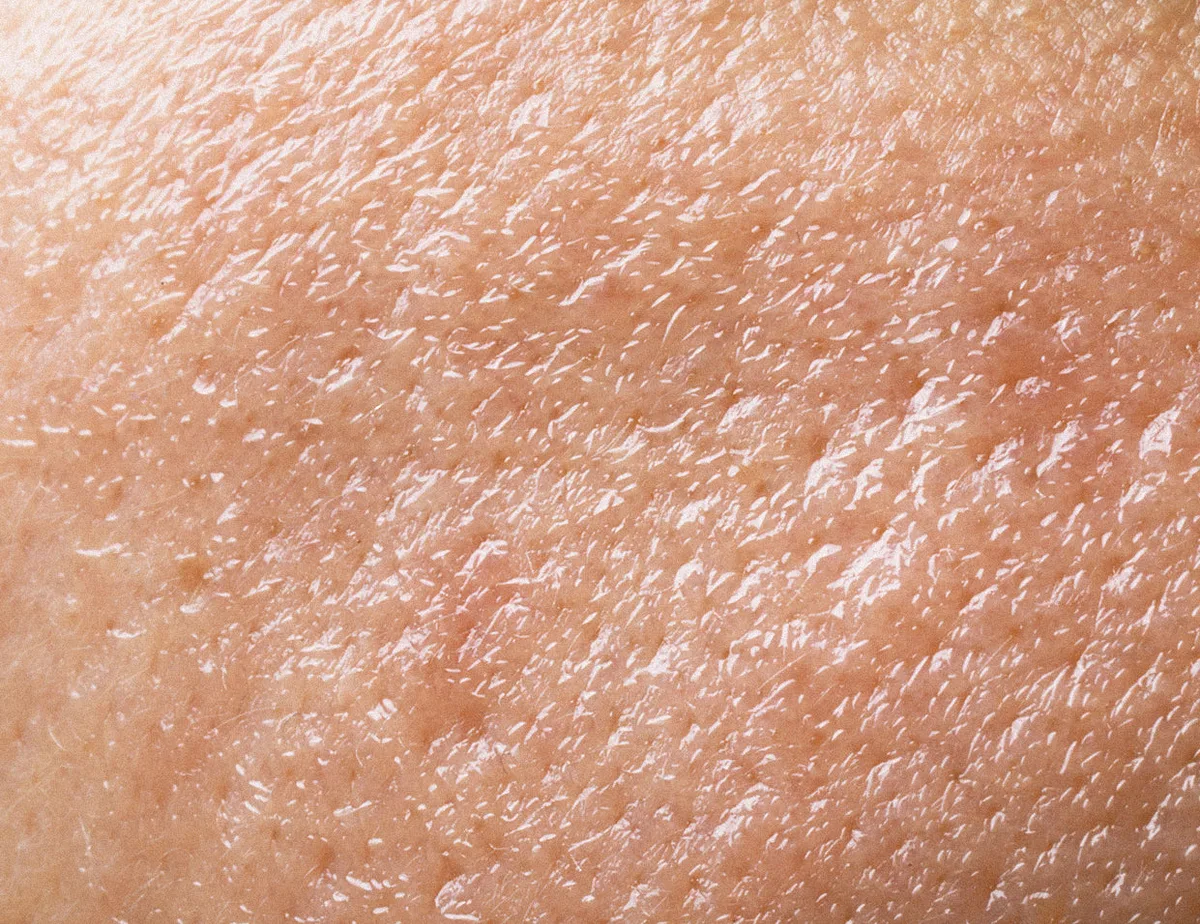
Image source: Bing (Web (fair-use with source credit))
Shine Control: Your Oily Skin Decision Guide
Navigating the world of skincare when your skin tends to be oily can feel like a constant battle against shine. You're likely looking for a straightforward answer to: What is the best skincare routine for oily skin? It’s not about finding a single miracle product, but rather a consistent, targeted approach that balances hydration without adding extra grease.
Our research shows that a well-structured routine, focusing on gentle cleansing, appropriate hydration, and the right active ingredients, can significantly manage excess sebum. For instance, product formulations designed for oily skin are often labeled "non-comedogenic," meaning they're less likely to clog pores, a crucial specification for effective management. This guide will help you build that routine, step by step.
Quick Answer
The best skincare routine for oily skin focuses on gentle cleansing, light hydration, and targeted treatments. Use a foaming cleanser, an oil-free moisturizer, and a broad-spectrum sunscreen daily. Weekly exfoliants and clay masks help control excess oil and prevent breakouts.
Consistency is key.
Understanding Your Oily Skin: What's Really Going On?
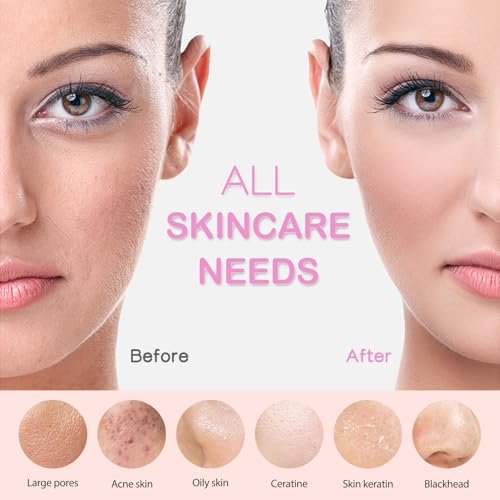
Oily skin is a common skin type characterized by overactive sebaceous glands. These glands produce sebum, a natural oil that keeps skin moisturized. For people with oily skin, these glands simply produce more sebum than is needed, leading to a shiny complexion, enlarged pores, and a higher tendency for clogged pores and acne.
It's not about stripping the skin completely; that often backfires, causing glands to produce even more oil. Instead, the goal is balance.
This condition affects people of all ages but is particularly prevalent during adolescence due to hormonal fluctuations. Understanding that your skin's oil production is largely genetic and hormonal can help manage expectations and focus on effective management strategies rather than a cure. The right routine works with your skin, not against it, to achieve a healthier, more balanced appearance.
The Foundation: Essential Steps for Oily Skin
Building a solid skincare routine for oily skin is about consistency and using the right types of products. We’re talking about a few key steps that, when done daily, make a huge difference. Think of these as the non-negotiables that set the stage for clearer, less shiny skin.
Cleansing for Clarity
Cleansing is your first line of defense against excess oil and pore-clogging impurities. The key is to choose a cleanser that effectively removes sebum without stripping your skin, which can trigger more oil production. Foaming cleansers are often a good choice for oily skin types because they create a rich lather that can lift away oil and dirt.
Look for formulas that contain ingredients like salicylic acid, which helps to exfoliate inside the pore.
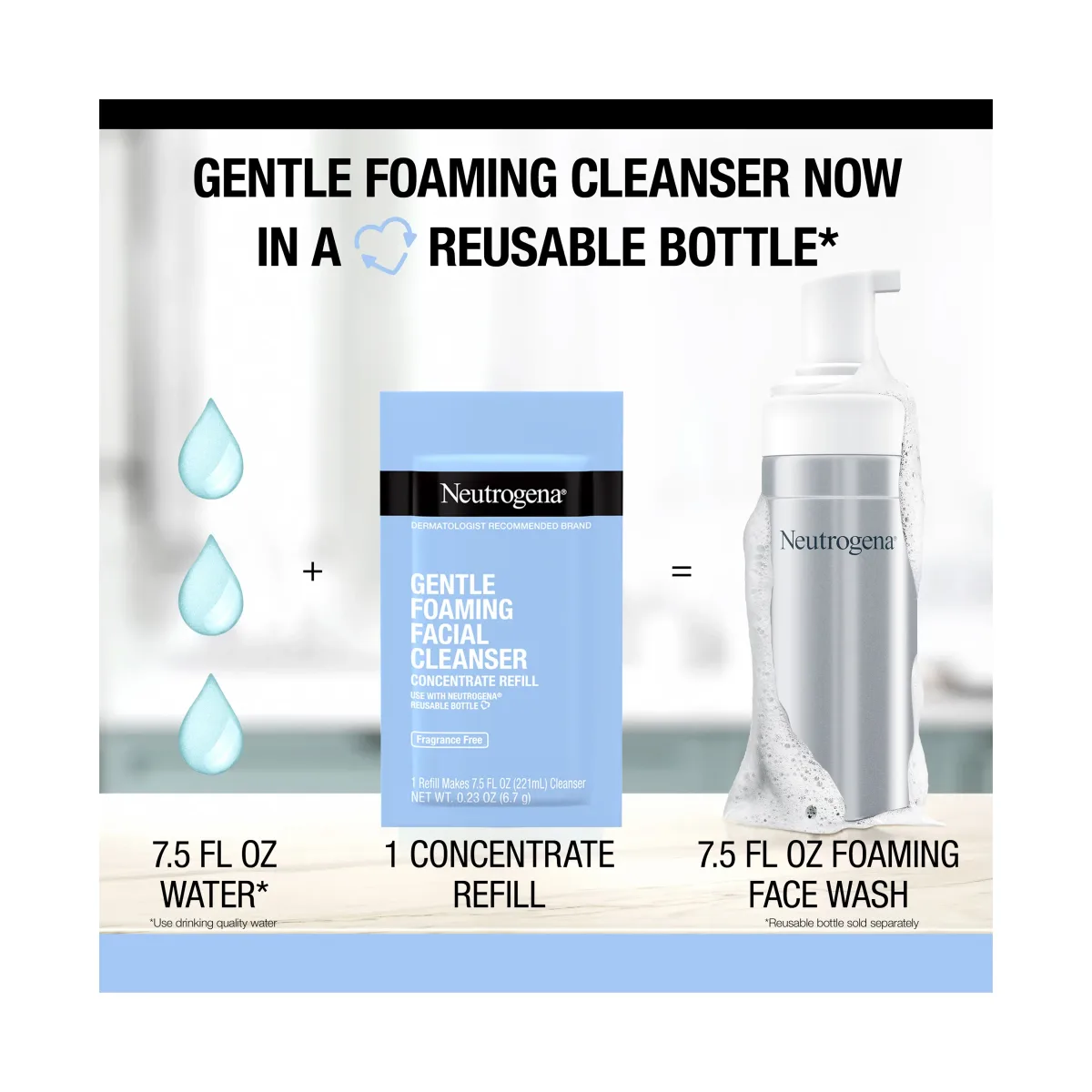
Image source: Bing (Web (fair-use with source credit))
When researching, manufacturer specifications for many popular foaming cleansers indicate they are formulated to remove up to 99% of excess oil in one wash. A gentle, pH-balanced cleanser is essential. Over-washing or using harsh soaps can disrupt your skin's natural barrier, leading to irritation and rebound oiliness.
Aim to cleanse your face twice daily: once in the morning to remove oil accumulated overnight and again in the evening to clear away dirt, oil, and any makeup.
Balancing with Toners (Optional but Helpful)
Toners used to be known for their astringent, skin-stripping properties, but modern toners are quite different. For oily skin, a toner can be a valuable step to help rebalance the skin's pH after cleansing and to remove any residual impurities. They can also provide an initial layer of hydration and prep your skin to better absorb subsequent treatments.
Look for toners with ingredients like witch hazel, salicylic acid, or niacinamide. These can help refine pores and control oil without causing dryness. A toner that is too harsh, however, can be counterproductive, so always opt for alcohol-free or low-alcohol formulas designed for oily or combination skin.
If your skin feels tight or looks red after using a toner, it's likely too strong for you.
Treating Congestion with Serums
Serums are concentrated treatments designed to deliver potent active ingredients directly into the skin. For oily skin, serums can target specific concerns like enlarged pores, acne, and uneven texture. Ingredients like niacinamide are excellent for oily skin as they can help regulate sebum production, minimize the appearance of pores, and improve skin elasticity.
Salicylic acid (a BHA, or beta-hydroxy acid) is another powerhouse ingredient found in many serums for oily skin. It's oil-soluble, meaning it can penetrate deep into pores to dissolve sebum and dead skin cells, helping to prevent breakouts and blackheads. When incorporating a serum, apply it after your toner (if you use one) and before your moisturizer.
A few drops are usually all you need.
Moisturizing Without the Greasy Feel
It might seem counterintuitive, but even oily skin needs moisture. When you skip moisturizer, your skin might compensate by producing even more oil to hydrate itself. The trick is to choose the right kind of moisturizer.
For oily skin, lightweight, oil-free, and water-based formulas are your best bet.
Image source: Bing (Web (fair-use with source credit))
Gel moisturizers or lotions with a matte finish are excellent choices. These absorb quickly and leave your skin feeling hydrated but not greasy. Look for non-comedogenic ingredients that won't clog your pores.
Many advanced formulations contain hyaluronic acid, which attracts and holds moisture in the skin without adding oil. This provides essential hydration, keeping your skin balanced and preventing the overproduction of sebum.
Sun Protection: A Daily Non-Negotiable
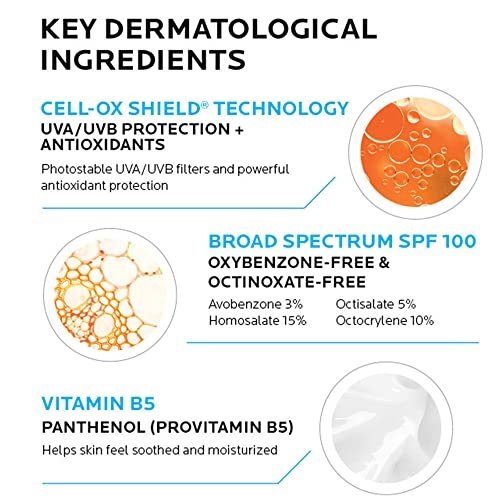
Sunscreen is crucial for everyone, but it's especially important for those with oily or acne-prone skin, as some acne treatments can make your skin more sensitive to the sun. Skipping sunscreen can lead to sun damage, premature aging, and can even worsen the appearance of acne scars and hyperpigmentation. The key is to find an oil-free, non-comedogenic sunscreen with a broad-spectrum SPF of 30 or higher.
Many sunscreens now come in lightweight, matte formulas designed specifically for oily skin. Mineral sunscreens containing zinc oxide and titanium dioxide can also be beneficial, as they tend to be less irritating and can even have a slight mattifying effect. Applying sunscreen should be the last step in your morning skincare routine, before applying any makeup.
Reapplying every two hours when exposed to direct sunlight is recommended for optimal protection, as per FDA guidelines on sunscreen efficacy.
Weekly Boosters: Masks & Exfoliation for Oily Skin
Beyond your daily routine, weekly treatments can offer a significant boost for managing oily skin. These are opportunities to go a bit deeper, addressing specific concerns like excess shine, stubborn congestion, and skin texture. Think of these as power-ups for your skin, helping to keep things balanced and clear.
Deep Cleaning with Masks
Clay masks are fantastic for oily skin because clay, particularly bentonite or kaolin, has a remarkable ability to absorb excess oil and impurities from the skin's surface and pores. When you apply a clay mask, it draws out sebum, helping to decongest the skin and reduce shine. Many formulations also contain soothing ingredients to prevent over-drying.
Using a clay mask once or twice a week is generally recommended. Apply a thin, even layer to clean skin, avoiding the delicate eye and lip areas. Leave it on for the time specified by the manufacturer, typically 10-15 minutes, or until it's mostly dry but not completely cracked and uncomfortable.
Over-drying can be irritating, so it's important to monitor the mask's texture. Rinse thoroughly with lukewarm water and follow with your regular moisturizer.
Gentle Exfoliation for Smoothness
Exfoliation is key for oily skin because it helps to remove the buildup of dead skin cells that can contribute to clogged pores and a dull complexion. Chemical exfoliants, like those containing alpha-hydroxy acids (AHAs) such as glycolic acid or lactic acid, and beta-hydroxy acids (BHAs) such as salicylic acid, are often preferred for oily skin. Salicylic acid, in particular, is oil-soluble and can penetrate pores to break down blockages.
Physical exfoliants, or scrubs, can also be used, but it's crucial to choose ones with very fine, smooth particles to avoid micro-tears in the skin. Harsh scrubbing can damage the skin barrier, leading to inflammation and increased oil production. Start by exfoliating once or twice a week.
If your skin tolerates it well, you can gradually increase frequency. Always follow exfoliation with a good moisturizer to keep your skin hydrated and support its recovery. If you're using other exfoliating treatments like serums with acids, you might need to adjust your exfoliation schedule to avoid overdoing it.
Common Oily Skin Mistakes & How to Fix Them
Many people with oily skin fall into a few common traps, often trying to combat shine with aggressive methods that actually worsen the problem. One of the biggest mistakes is over-cleansing or using harsh, stripping cleansers. While it might seem logical to wash away all the oil, this can severely disrupt your skin's natural moisture barrier.
When the skin's barrier is compromised, it often overcompensates by producing even more sebum to try and rehydrate itself. This leads to a cycle of increased oiliness and potential breakouts. Another common error is skipping moisturizer, thinking it will make oily skin worse.
However, as we've discussed, lightweight, oil-free moisturizers are essential for maintaining skin balance. If your skin feels tight or dry after cleansing, it's a sign you need to moisturize.
- Mistake 1: Using harsh, stripping cleansers.
- Fix: Switch to a gentle, foaming cleanser designed for oily skin.
- Mistake 2: Skipping moisturizer.
- Fix: Use a lightweight, oil-free, non-comedogenic moisturizer.
- Mistake 3: Over-exfoliating.
- Fix: Limit exfoliation to 1-3 times per week, using gentle chemical or fine physical exfoliants.
- Mistake 4: Applying thick, occlusive products.
- Fix: Opt for water-based or gel-based formulas.
Understanding these common pitfalls allows you to adjust your routine and avoid making your oily skin concerns worse.
When to Ask for Help: Navigating Persistent Issues
While a consistent at-home routine can manage much of the oiliness and related issues, there are times when professional help is the best course of action. If you're experiencing persistent, severe acne that doesn't respond to over-the-counter treatments, or if you have very large, inflamed cysts, consulting a dermatologist is a wise step. They can diagnose specific conditions and prescribe stronger treatments.
Additionally, if you notice significant changes in your skin's oiliness or texture that are sudden and unexplained, it's worth discussing with a medical professional. Hormonal imbalances, certain medications, or underlying health conditions can sometimes affect sebum production. A dermatologist can perform a proper diagnosis and recommend tailored treatments or medical-grade products that go beyond typical skincare.
Remember, managing oily skin is a journey, and sometimes expert guidance makes all the difference.
Your Personalized Oily Skin Routine: Putting It All Together
Creating your ideal routine means adapting these principles to your specific skin's needs and how it reacts. Start with the foundational steps: a gentle foaming cleanser in the morning and evening, followed by a lightweight, oil-free moisturizer. Don't forget that broad-spectrum SPF 30+ sunscreen every single morning.
If you deal with breakouts or texture, consider adding a serum with niacinamide or salicylic acid after cleansing and before moisturizing. For weekly treatments, a clay mask once or twice a week can help absorb excess oil, and gentle exfoliation 1-3 times a week can keep pores clear. Listen to your skin: if it feels tight or irritated, scale back.
If it's consistently shiny and congested, you might need to incorporate more targeted treatments. Consistency with these steps is more important than the specific brands you use, as long as the formulations are appropriate for oily skin.