How Often Should I Use a Face Serum?
When you're wondering, "How often should I use a face serum?", the answer isn't one-size-fits-all. It hinges on what's inside the bottle and your unique skin. Get it right, and you're looking at brighter, smoother, and more hydrated skin.
Get it wrong, and you might end up with irritation or no results at all.
Our research dives into how different ingredients interact with various skin types and what manufacturer specifications suggest for optimal use. As of 2026, understanding these nuances is key to a successful serum routine. Let's break down exactly what you need to know to find your perfect frequency.

Quick Answer
You should use a face serum once or twice daily if it contains gentle hydrators or antioxidants. Potent actives like exfoliating acids or retinoids require starting with 2-3 times per week, gradually increasing as tolerated. Always monitor your skin for signs of irritation.
Understanding Your Serum's Frequency: What Really Matters?
The frequency with which you apply your face serum isn't a random choice; it's a deliberate strategy based on scientific understanding and your skin's individual needs. Think of it like timing your supplements or adjusting your workout intensity, it's about finding the sweet spot for maximum benefit without overdoing it.
This approach is grounded in how active ingredients interact with your skin's natural processes. For instance, certain compounds may require downtime to be effective or to prevent overstimulation, while others can be used daily for continuous support.
Decoding Your Serum's Ingredients: The Key to Usage
The most crucial factor dictating how often you should use a face serum is its primary active ingredient. These powerful components are what drive the serum's benefits, but they also determine its potential for irritation and how frequently your skin can handle them.
Hydrators & Antioxidants: Daily Friends?
Serums packed with hydrators like hyaluronic acid or antioxidants such as Vitamin C are generally quite forgiving. Hyaluronic acid's main job is to draw moisture into the skin, a process that can be beneficial both morning and night.
Vitamin C serums are fantastic for fighting free radical damage and brightening the complexion. Because they offer protection against environmental stressors, many people find them most effective as part of their morning routine. Manufacturer specifications for many well-formulated Vitamin C serums indicate they can be used daily without issue, provided they are not overly acidic.
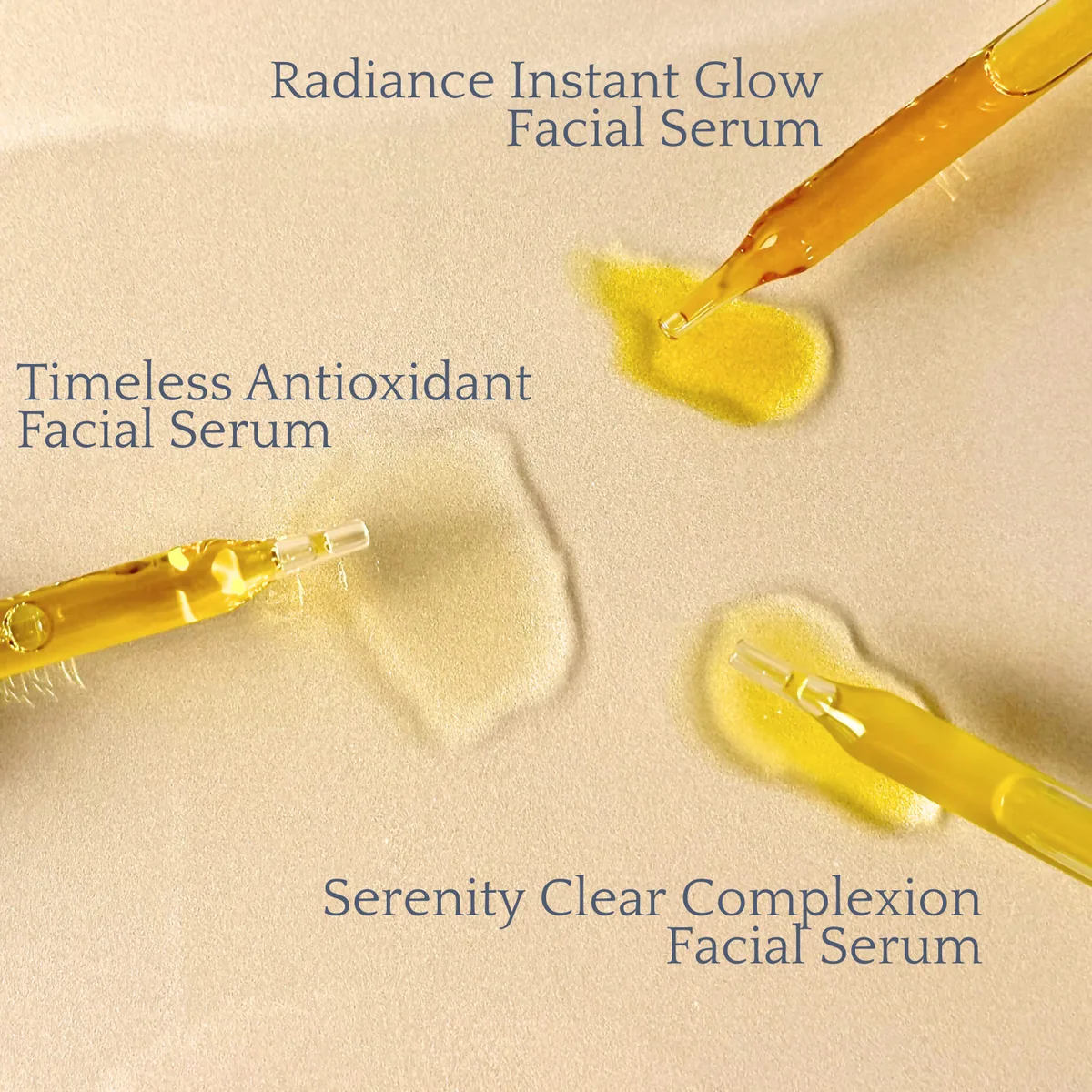
- Hyaluronic Acid Serums: Can typically be used twice daily.
- Vitamin C Serums: Often suitable for daily morning use, but check product specifics.
- Benefits: Improved hydration, antioxidant protection, brighter skin tone.
When introducing these, start with once a day for a week to see how your skin reacts. If all is well, you can then consider increasing to twice daily, applying them after cleansing and before your moisturizer. This consistent, gentle application helps maintain a healthy skin barrier and provides ongoing benefits.
You might find that using one of these serums makes applying makeup smoother, especially if dry skin is a concern.
Exfoliating Acids: Proceed with Caution
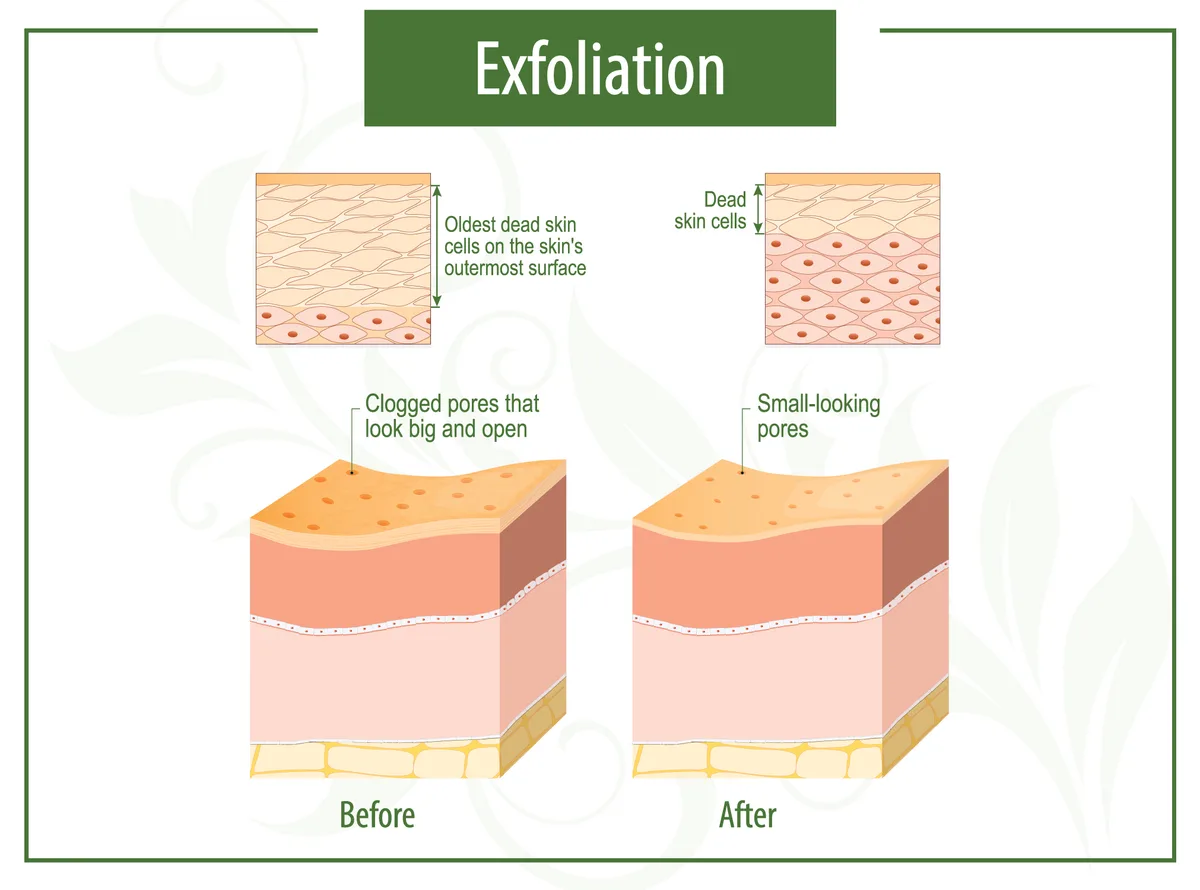
Serums containing exfoliating acids, like alpha-hydroxy acids (AHAs) or beta-hydroxy acids (BHAs), are designed to slough off dead skin cells. This process reveals fresher skin beneath, improving texture and tone, but it also means they can disrupt the skin barrier if used too frequently.
Our analysis of dermatological guidance indicates that starting with exfoliating acids 2-3 times per week is a common recommendation for most skin types. This allows the skin to acclimate without becoming overly sensitive. For example, a serum with glycolic acid (an AHA) or salicylic acid (a BHA) might be introduced on alternate nights.
- AHA/BHA Serums: Start with 2-3 times per week.
- Introduction Strategy: Apply at night, after cleansing.
- Watch For: Redness, peeling, increased sensitivity.
It's crucial to monitor your skin closely during this initial period. If you experience significant redness, stinging, or peeling, reduce the frequency or take a break. Once your skin has built tolerance over several weeks, you might be able to increase use to every other night.
However, daily use of strong exfoliating acids is rarely recommended and can lead to long-term damage. Always follow up with a good moisturizer to support skin recovery.
Retinoids: The Slow and Steady Approach
Retinoids, including retinol and retinal, are powerful allies against signs of aging and acne. However, they are also known for their potential to cause initial dryness, peeling, and irritation. Because of this, a cautious introduction is paramount.
Dermatological consensus generally suggests starting with retinoids just once or twice a week. This minimal frequency allows your skin to gradually adapt to the ingredient's potent effects. Many users find applying them at night is best, as retinoids can make skin more sensitive to sunlight.
- Retinoid Serums: Begin with 1-2 nights per week.
- Application: Exclusively at night.
- Tolerance Building: Gradually increase by one night per week, every 1-2 weeks.
If your skin tolerates the initial low frequency without significant adverse reactions, you can slowly increase the usage. Adding one extra night per week every one to two weeks is a widely advised strategy for building retinoid tolerance. This gradual ramp-up helps to minimize the dreaded "retinization" period, where skin adjustment can cause temporary side effects.
Always use a broad-spectrum sunscreen daily when using retinoids, as per FDA guidelines for sun protection.
Your Skin's Personality: A Factor in Frequency
Beyond the ingredients, your skin type and its current disposition play a huge role in determining how often you can comfortably and effectively use a face serum. What one person's skin welcomes, another's might reject outright.
- Oily/Acne-Prone Skin: Often more resilient, this skin type might tolerate more frequent use of certain serums, especially those containing BHAs to help keep pores clear. However, even oily skin can become irritated if overloaded with too many potent actives.
- Dry/Sensitive Skin: This skin type demands the most attention. You’ll likely need to start slower with potent serums and lean towards more gentle formulations used more frequently. Patch testing any new serum is particularly important here.
- Normal/Combination Skin: This group often has the most flexibility. You can typically experiment more freely, but always pay attention to how your skin responds to different ingredients and frequencies.
Listening to your skin’s signals is more important than adhering to a strict schedule. If your skin feels comfortable, hydrated, and is showing improvements, you're likely on the right track.
Sensitive vs. Resilient Skin
When we talk about skin sensitivity, we're referring to how easily your skin reacts to products, environmental changes, or active ingredients. Sensitive skin might flush easily, sting or burn with new products, or develop redness and dryness quickly.
- Sensitive Skin: Requires a much more cautious approach. Start with potent serums only once or twice a week, or choose gentler formulas. If irritation occurs, pause use.
- Resilient Skin: Can generally handle more frequent application of a wider range of ingredients. However, "resilient" doesn't mean "invincible", overuse can still lead to problems.
If you have sensitive skin, a good starting point for any new serum is every other night, or even just two nights a week. Always ensure your basic routine includes a gentle cleanser and a good moisturizer. For those with resilient skin, introducing a hydrating serum twice daily is usually fine, while more active serums still need careful introduction.
Oily, Dry, or Combination: How It Influences Use
Your skin's natural oil production directly impacts how it handles different ingredients. Oily skin types might find that serums with salicylic acid (a BHA) can help manage breakouts and oiliness, and they might tolerate using such serums more often. Dry skin, on the other hand, may feel stripped by over-exfoliation and benefit more from hydrating serums used consistently.
- Oily Skin: May tolerate more frequent use of clarifying serums (like those with BHAs), but still needs balance.
- Dry Skin: Needs gentle hydration. Overuse of actives can exacerbate dryness and flaking.
- Combination Skin: May require different frequencies for different areas of the face, or a balanced approach using gentler products.
Combination skin might benefit from targeted application, perhaps a BHA serum on the T-zone and a hydrating serum on the cheeks. The key is consistent observation and adjustment. As of 2026, the understanding of individual skin microbiome health further highlights the need for personalized skincare frequencies rather than rigid rules.
When to Increase Serum Use (and When to Pull Back)
Figuring out the right frequency for your face serum is an ongoing conversation with your skin. It’s not a set-it-and-forget-it situation. Your skin’s needs can change due to seasons, stress, or even other products you introduce.
Learning to read the signs is crucial for getting the most out of your serum without causing harm.
Signs Your Frequency is Too High
If your skin is protesting, it will tell you. Overusing a serum, especially one with strong active ingredients like retinoids or exfoliating acids, can lead to a breakdown in your skin barrier. This is when you start to see visible signs that something isn't right.
- Persistent Redness: Your skin looks flushed or pink for longer than usual, even when you're not actively applying product.
- Stinging or Burning: You feel a noticeable discomfort when applying serums, moisturizers, or even just lukewarm water. This is a classic sign of a compromised barrier.
- Peeling or Flaking: Dry, rough patches appear, and you might notice small flakes of skin. This indicates your skin isn't retaining moisture effectively.
- Increased Breakouts: Sometimes, over-exfoliation or irritation can actually trigger more acne, not less, as the skin becomes inflamed.
- Tightness: Your skin feels uncomfortably taut, especially after cleansing, even if you haven't applied any product yet.
If you notice any of these, it’s your cue to dial back. Reduce your serum usage significantly, maybe to once a week or even stop entirely for a short period. Focus on gentle cleansing and rich moisturizers to help your skin recover.
Once your skin is calm, you can reintroduce the serum at a much lower frequency, perhaps every other day, and observe closely.
Signs You Can Use It More Often
On the flip side, how do you know if you can step up your serum game? It's when your skin is consistently happy, clear, and hydrated. If you’ve been using a serum for several weeks at a moderate frequency (say, every other night for an active serum) and your skin shows no signs of irritation, it might be ready for more.
- Comfortable Skin: Your skin feels calm, balanced, and doesn't show any of the irritation signs listed above.
- Improved Texture/Tone: You're noticing positive changes like smoother skin, reduced redness, or a brighter complexion.
- No Overwhelming Sensitivity: Your skin doesn’t react negatively to other products in your routine.
If you're using a gentle hydrating or antioxidant serum and your skin feels good, you can likely increase its use to twice daily. For more potent serums like retinoids or acids, if your skin has tolerated it well for a month or more at its current frequency, you might be able to add an extra application per week. The goal is to find a rhythm that supports your skin’s health and achieves your desired results without causing distress.
Consistency is key, but so is listening to your skin's feedback.
Putting It Into Practice: Building Your Serum Schedule
Now that you know the factors involved, let's talk about actually building a schedule that works for your specific serum and skin. This isn't about rigidly following a timetable, but rather about creating a flexible framework that prioritizes your skin's well-being.
Introducing New Serums Safely
When you get a new serum, especially one with active ingredients, always start with a patch test. Apply a small amount to an inconspicuous area, like behind your ear or on your inner forearm, for a few days. If there's no reaction, then introduce it to your face at a low frequency.
- Step 1: Patch Test: Apply a tiny amount to a discreet area.
- Step 2: Start Slow: Use the serum only 1-2 times a week, ideally at night.
- Step 3: Observe: Wait at least 2 weeks to see how your skin tolerates it.
- Step 4: Gradual Increase: If well-tolerated, slowly increase frequency.
For potent ingredients like retinoids, this slow introduction is non-negotiable. A good rule of thumb is to wait for your skin to fully adjust to one new active ingredient before adding another. This helps pinpoint any product causing issues.
Morning vs. Night: Where Does It Fit?
The best time of day to use your serum depends heavily on its ingredients.
- Morning Use: Great for antioxidant serums, especially Vitamin C, which can boost your sunscreen's protection and defend against environmental aggressors throughout the day. Hydrating serums also fit well here to keep skin moisturized.
- Nighttime Use: This is generally the preferred time for serums with exfoliating acids (AHAs/BHAs) and retinoids. Your skin repairs itself overnight, and these ingredients can work their magic without the added stress of sun exposure.
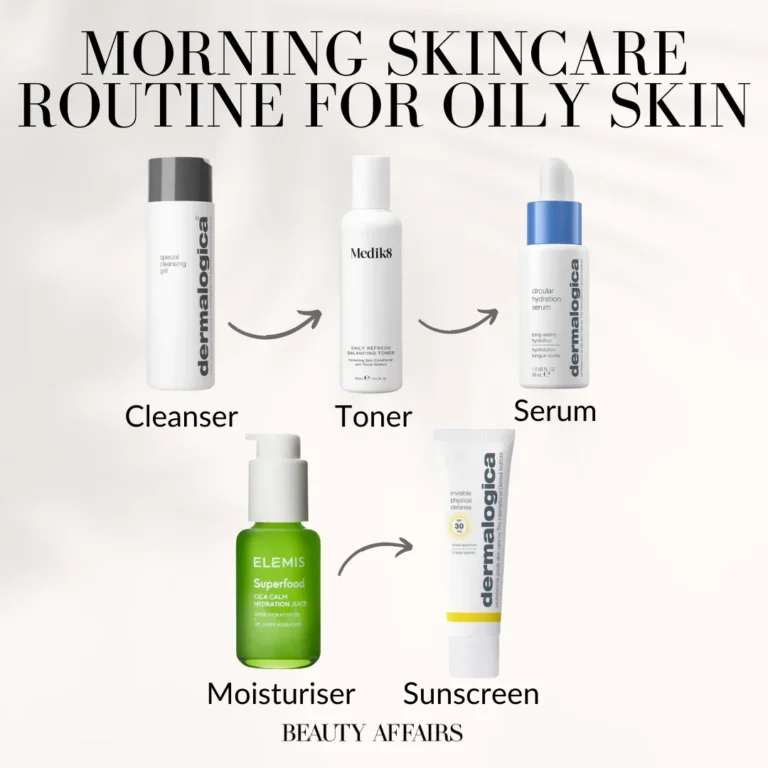
If you’re using multiple serums, the order matters. Generally, apply them from thinnest to thickest consistency, with actives applied before hydrators and moisturizers. For example, a Vitamin C serum in the morning would go after cleansing, followed by moisturizer and then sunscreen.
At night, a retinoid might be followed by a peptide serum, and then a rich cream. Understanding this layering helps maximize ingredient efficacy and absorption.
Common Serum Mistakes to Sidestep
Many people, when they first start using serums, make a few common errors that can hinder progress or even cause skin issues. Being aware of these pitfalls can save you a lot of frustration and help you achieve better results faster.
- Overuse of Actives: The most frequent mistake is using potent ingredients like retinoids or exfoliating acids too often too soon. This leads to irritation, redness, and a damaged skin barrier, setting your progress back significantly. Remember, more is not always better.
- Skipping the Patch Test: Jumping straight to applying a new, potent serum all over your face without testing can lead to widespread irritation if your skin doesn't agree with it. Always start small and slow.
- Not Using Sunscreen: Many active ingredients, especially retinoids and AHAs, increase your skin's sensitivity to the sun. Skipping daily sunscreen while using these can lead to sunburn, hyperpigmentation, and accelerated aging, negating the serum's benefits. Always apply a broad-spectrum SPF 30 or higher.
- Applying to Wet Skin: Some serums, particularly those with Vitamin C, are most stable and effective when applied to completely dry skin. Applying them over damp skin can alter the pH and reduce their efficacy or increase the risk of irritation. Always ensure your face is patted dry after cleansing before applying these serums.
- Mixing Too Many Potents: Trying to layer multiple strong active ingredients (like a strong retinoid with a high-concentration AHA serum) in the same routine can overwhelm your skin and cause significant irritation. It's usually best to alternate them or use them at different times of day.
Avoiding these common missteps will help ensure your serum use is effective and beneficial for your skin. Patience and careful observation are your best tools.
Expert Tips: Maximizing Your Serum's Impact
To really get the most out of your face serum, there are a few expert-backed strategies that can elevate your routine. It’s about more than just applying it; it’s about optimizing its absorption and efficacy.
- Apply to Damp (or Dry) Skin Strategically: While some serums, like those with Vitamin C, work best on dry skin for optimal stability, others, particularly hydrating ones with hyaluronic acid, can penetrate more effectively when applied to slightly damp skin. Gently patting your face dry after cleansing, leaving it just a touch dewy, can boost the absorption of humectants.
- Don't Forget Your Neck and Décolleté: These areas also show signs of aging and benefit from the active ingredients in your serums. Extend your serum application downwards to treat the neck and chest area consistently.
- Consider Your Entire Routine: Ensure your other skincare products complement, rather than counteract, your serum. For example, using a very harsh cleanser before a potent acid serum might lead to excessive dryness or irritation. The goal is synergy.
- Be Patient: Serums aren't magic overnight cures. Consistent use over weeks and months is typically required to see significant results from ingredients like retinoids or those targeting hyperpigmentation. Keep at it, and observe the gradual changes.
- Storage Matters: Many serums, especially those with Vitamin C or retinoids, can degrade when exposed to light and air. Keep them in their original opaque or dark-colored bottles, and store them in a cool, dark place, like a cabinet, rather than a steamy bathroom where temperature fluctuations can occur.
By incorporating these tips, you're not just using a serum; you're using it intelligently to support your skin's long-term health and appearance.
Frequently Asked Questions About Serum Usage
How often should I use a Vitamin C serum?
Generally, Vitamin C serums can be used once or twice daily. Many find it most effective in the morning to enhance sun protection and combat environmental damage. Always apply to dry skin for best results.
Can I use exfoliating acids and retinoids on the same night?
It’s usually not recommended to use strong exfoliating acids and retinoids on the same night, especially when first starting. This combination can lead to significant irritation and barrier damage. Alternating nights is a safer approach.
What if my serum stings when I apply it?
A mild sting might occur with some actives, but it should be temporary. If the stinging is intense, lasts longer than a few seconds, or is accompanied by redness, it's a sign of irritation. Reduce frequency or discontinue use and focus on calming the skin.
Should I apply serum before or after moisturizer?
Typically, serums are applied after cleansing and before your moisturizer. Serums are formulated with smaller molecules that penetrate deeper into the skin, while moisturizers create a barrier to seal in hydration. Thinner products go first.
How do I know if my serum isn't working?
If you've used a serum consistently for at least 2-3 months and see no discernible improvement in your specific skin concern (e.g., no brightening from a Vitamin C serum, no reduction in fine lines from a retinol), it might not be the right product for you or your frequency is too low for it to show results. Ensure you are following correct usage guidelines.