Can Exfoliating Help With Rough Skin?

Image source: Web (Bing) / pickpik.com (Web image (fair-use with source credit))
Can Exfoliating Help Rough Skin? Your Guide to Smoother Texture
Rough skin can feel uncomfortable, look dull, and even make your favorite products less effective. You've likely wondered if there's a way to tackle that persistent roughness and reveal smoother, more touchable skin. The good news is that, under the right conditions, exfoliation can indeed be a powerful tool for this.
When dealing with rough skin, understanding the root cause is key to choosing the right approach. For instance, aggregate reviews indicate that mild roughness from dry patches can often be addressed with gentler methods, while more stubborn texture, like that from keratosis pilaris, might require a more targeted strategy. As of 2026, the U.S.
Food and Drug Administration (FDA) continues to provide guidance on cosmetic ingredient safety, emphasizing proper usage for all skin treatments.
Quick Answer
Yes, exfoliating can significantly help with rough skin by removing dead skin cells. This process, known as cell turnover, reveals fresher skin underneath. Different methods exist for various skin needs.
When Rough Skin Needs a Helping Hand (and When It Doesn't)
Rough skin isn't always a simple fix, and sometimes, exfoliation might not be the primary solution or could even make things worse if not approached correctly. Our research shows that skin roughness can stem from several sources. It could be simple dryness, a buildup of dead skin cells on the surface, or something more specific like keratosis pilaris, a common condition that causes small, goosebump-like bumps.
In other cases, rough patches can be a sign of environmental damage, like sun exposure, or even underlying skin conditions that require medical attention.
It's crucial to differentiate. If your skin is just feeling a bit dry and flaky, a gentle exfoliant might be perfect. But if you have inflamed, broken, or infected skin, or if the roughness is accompanied by significant redness, pain, or itching, it’s best to hold off on exfoliating.
In these situations, consulting with a dermatologist or esthetician is highly recommended. They can help pinpoint the exact cause of your rough skin and guide you toward the safest and most effective treatment plan. For example, conditions like eczema or psoriasis often require specific dermatological management rather than standard exfoliation.
Physical vs. Chemical Exfoliation: What's Your Rough Skin's Best Match?
When you decide to tackle rough skin, you'll quickly discover there are two main camps of exfoliants: physical and chemical. Each works differently, and knowing the distinction is key to picking the right one for your skin's needs. Think of it like choosing the right tool for a job; you wouldn't use a hammer to screw in a screw, right?
The same applies here.
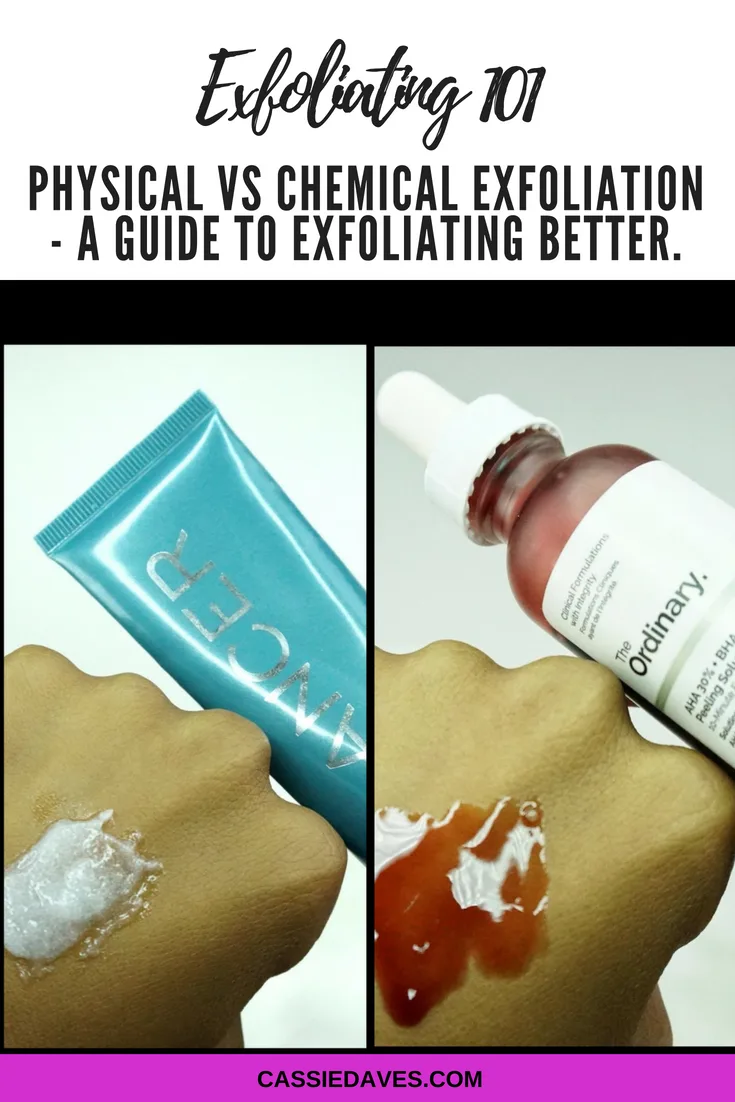
Image source: Bing (Web (fair-use with source credit))
Physical Exfoliation: Scrubs, Brushes, and Beyond
Physical exfoliants work by physically sloughing off dead skin cells. This can be done using products with small granules, like sugar or jojoba beads, or with tools like facial brushes, loofahs, or body brushes. These methods are often quite effective at smoothing out immediate surface texture.
For example, a best body scrub can work wonders on rough elbows and knees. The key here is to use gentle pressure; too much scrubbing can cause micro-tears in the skin, leading to irritation and further problems. The size and shape of the granules matter, too; finer, smoother particles are generally safer for sensitive areas.
Chemical Exfoliation: AHAs, BHAs, and PHAs Demystified
Chemical exfoliants use acids to dissolve the bonds holding dead skin cells together. Common types include Alpha Hydroxy Acids (AHAs) like glycolic and lactic acid, Beta Hydroxy Acids (BHAs) like salicylic acid, and Polyhydroxy Acids (PHAs) like gluconolactone. AHAs are great for surface texture and brightness, BHAs can penetrate pores to help with acne and blackheads, and PHAs are a gentler option for sensitive skin.
For instance, products containing salicylic acid are often recommended for bumpy skin conditions like keratosis pilaris. These acids work over time, and their effectiveness depends on their concentration and pH level.
How to Exfoliate for Rough Skin: A Step-by-Step Approach
Getting exfoliation right is all about careful application and knowing your skin's limits. It's not a free-for-all; instead, think of it as a precise treatment designed to improve your skin's texture. Following a structured process ensures you get the benefits without the common drawbacks.
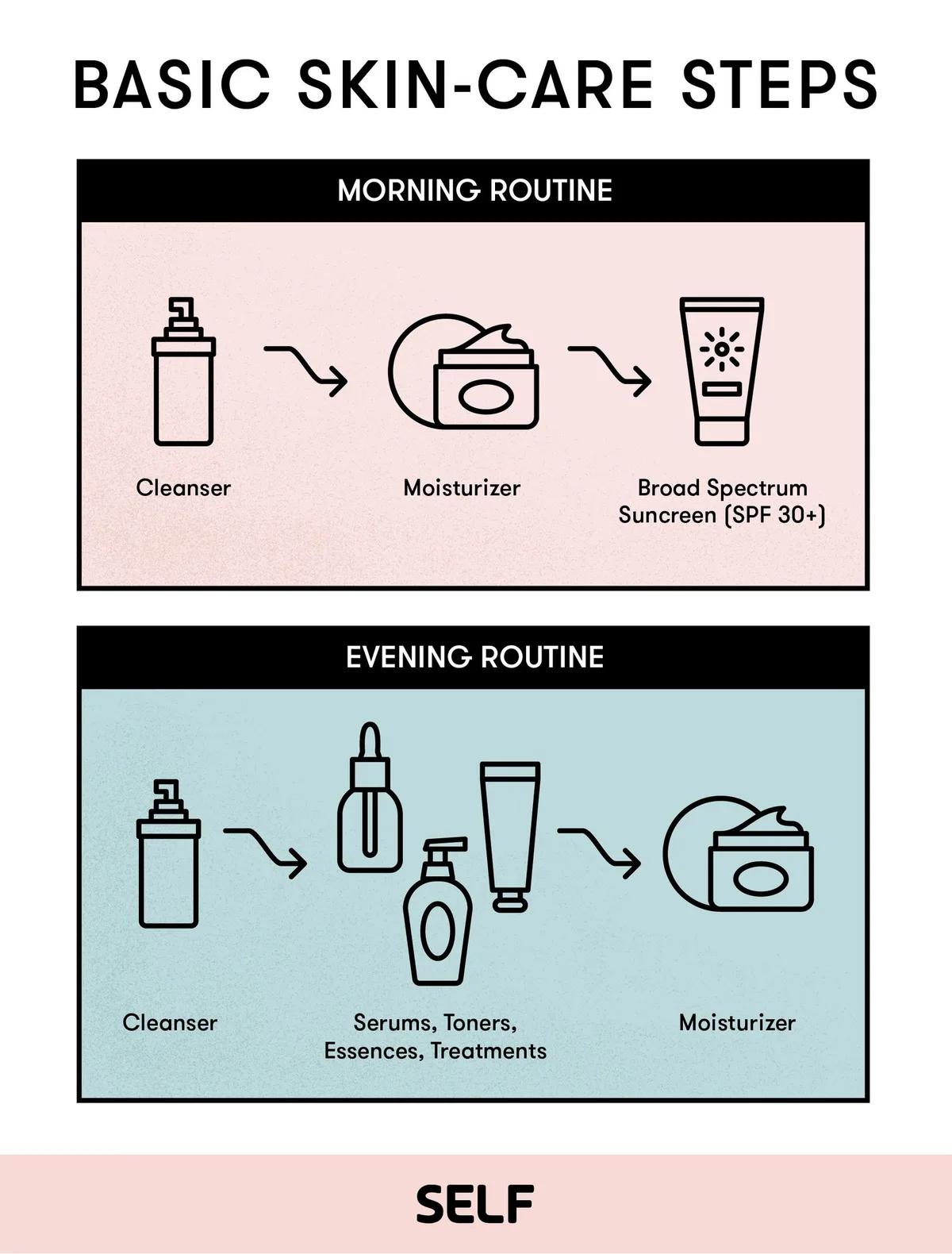
Image source: Bing (Web (fair-use with source credit))
Preparing Your Skin
First things first: always start with clean skin. Gently cleanse the area you plan to exfoliate using your usual cleanser. This removes any surface dirt, oil, or product residue, ensuring the exfoliant can work directly on the dead skin cells.
For physical exfoliants, you can do this while your skin is damp. For chemical exfoliants, some products work best on dry skin, so check the specific instructions. If you're using a chemical exfoliant for the first time, doing a patch test on a small, inconspicuous area is a smart move.
Applying and Rinsing
When applying a physical exfoliant, use gentle, circular motions. Don't scrub hard; let the granules do the work. Rinse thoroughly with lukewarm water.
For chemical exfoliants, follow the product's directions precisely. Some are leave-on treatments, while others need to be rinsed off after a specific time. If you're using a chemical exfoliator that requires rinsing, make sure you remove all traces of the product.
Aggregate reviews of leave-on chemical exfoliants often highlight the importance of waiting a few minutes after application before applying other products to allow the acids to work.
Post-Exfoliation Care
This is a critical step often overlooked. After exfoliating, your skin barrier might be a little more vulnerable, and it's more susceptible to sun damage. Always follow up with a good moisturizer.
For body exfoliation, a rich best body butter or best body cream can help replenish moisture and soothe the skin. For facial exfoliation, a nourishing best eye cream or serum can lock in hydration. Crucially, if you’ve exfoliated your face or any exposed skin, applying a broad-spectrum sunscreen with an SPF of 30 or higher is non-negotiable.
Rough Skin Exfoliation Mistakes to Definitely Avoid
Even with the best intentions, it's easy to make mistakes when exfoliating rough skin. Knowing these common pitfalls can save you from irritation, damage, and the frustration of seeing no results. Our editorial analysis of numerous user reports points to a few recurring issues that people encounter.
- Over-exfoliating: This is probably the most common mistake. Exfoliating too often, especially with harsh methods, can strip your skin of its natural oils, damage its protective barrier, and lead to increased sensitivity, redness, and even breakouts. A good rule of thumb is to start slow, perhaps once or twice a week, and see how your skin responds before increasing frequency.
- Using the wrong product for your skin type: A scrub that works well for thick, rough skin on your heels might be far too aggressive for your face or décolletage. Similarly, if your rough skin is also sensitive or inflamed, you'll want to opt for gentler chemical exfoliants like PHAs or low-concentration AHAs rather than abrasive physical scrubs.
- Aggressive scrubbing: Applying too much pressure with a physical exfoliant or loofah can cause micro-tears in the skin. This can lead to inflammation, irritation, and prolonged healing time. Think of it as polishing, not scouring.
- Skipping sunscreen: Chemical exfoliants, in particular, can increase your skin's photosensitivity, making it more prone to sun damage and burning. Manufacturer specifications for many AHA and BHA products explicitly warn of this. Always apply a high SPF sunscreen after exfoliating, especially if the treated area will be exposed to sunlight.
- Exfoliating broken or irritated skin: If you have cuts, sores, sunburn, or active acne pustules, avoid exfoliating that area entirely. This will only worsen the irritation and can lead to infection. Wait until the skin has healed before resuming your exfoliation routine.
Who Benefits Most From Exfoliation?
Exfoliation isn't a one-size-fits-all solution, but certain individuals and skin concerns stand to gain the most. If you’re dealing with persistent rough patches, dullness, or uneven texture, exfoliating could be a game-changer. It's particularly beneficial for those experiencing:
- Dry, Flaky Skin: When moisturizers aren't enough to combat dryness and flakiness, exfoliating helps remove the superficial layer of dead skin cells that can prevent moisturizers from penetrating effectively. This allows hydrating ingredients in products like best moisturizing body wash to work better.
- Bumpy Skin Texture: Conditions like keratosis pilaris, which cause small, rough bumps on the arms, thighs, or buttocks, often respond well to regular exfoliation. Gentle physical scrubs or chemical exfoliants containing salicylic acid (a BHA) can help smooth these areas.
- Dull Complexion: Over time, dead skin cells accumulate on the skin's surface, making your complexion appear dull and tired. Exfoliation reveals the brighter, fresher skin underneath, leading to a more radiant appearance. This is why many best facial massager and best ultrasonic skin scrubber reviews highlight improved luminosity.
- Uneven Skin Tone: While not its primary purpose, exfoliation can contribute to a more even skin tone by helping to fade superficial discoloration and improve overall skin clarity.
- Preparation for Other Treatments: Exfoliating before shaving can help prevent ingrown hairs by removing dead skin that might trap hair follicles. It also helps self-tanning products apply more evenly, reducing patchiness. Similarly, using a best lip scrub can prepare lips for lipstick or a best lip balm for dry lips.
Expert Tips for Tackling Tough Texture Safely
Getting smooth skin doesn't have to be a struggle, but it does require a bit of know-how and patience. Our research into best practices for skin care highlights several expert-backed tips that can make a real difference when you're working on rough texture.
- Listen to your skin: This is paramount. If your skin feels tight, itchy, or looks red after exfoliating, you're likely overdoing it. Scale back immediately, focus on hydration, and give your skin time to recover. What works for one person's skin might be too much for another's.
- Start low and go slow: When trying a new exfoliant, especially a chemical one, begin with the lowest concentration and use it infrequently. You can gradually increase the strength or frequency as your skin builds tolerance. Manufacturer specifications for most acid-based products will suggest starting usage 1-2 times per week.
- Don't forget your body: Rough skin isn't just on your face. Heels, elbows, knees, and even hands can benefit from exfoliation. Consider using a best body brush or a dedicated body scrub. Remember that the skin on your body is often thicker and can handle slightly more frequent exfoliation than facial skin, but still requires caution.
- Hydrate, hydrate, hydrate: Exfoliation can be drying, so it’s essential to follow up with a good moisturizer. Look for ingredients like ceramides, hyaluronic acid, or glycerin to help replenish your skin's moisture barrier. A rich best body oil can also be beneficial for particularly dry or rough areas.
- Consistency is key, but so is moderation: Regular exfoliation is important for maintaining smooth skin, but it doesn't mean daily. Finding a sustainable routine that your skin can handle long-term is more effective than aggressive, infrequent treatments.
How Often Should You Exfoliate Rough Skin?
The ideal frequency for exfoliating rough skin really depends on a few factors: the type of exfoliant you're using, your specific skin type and sensitivity, and the underlying cause of the roughness. There's no single answer that fits everyone, but we can establish some general guidelines based on common advice from dermatological sources.
For gentle physical exfoliants, like a soft facial brush or a mild scrub with fine granules, you might be able to use them 2-3 times per week. However, if your skin is sensitive or prone to irritation, sticking to once or twice a week is a safer bet.
Chemical exfoliants require more careful consideration. Products with low concentrations of AHAs or PHAs might be usable 2-3 times a week, or even daily for some very gentle formulations. Higher concentrations of AHAs or BHAs, often found in stronger treatments or peels, might only be suitable for once a week or even less frequently.
Aggregate user feedback often suggests starting with just once a week for these stronger chemical exfoliants to gauge tolerance.
For extremely rough or thickened areas, like feet or elbows, you might be able to exfoliate more frequently, perhaps daily with a robust physical scrub or chemical treatment. However, it's always wise to monitor your skin's response and adjust accordingly. If you’re unsure, consulting a dermatologist can provide personalized recommendations tailored to your specific skin needs and concerns.
How Long Until You See Results?
Patience is a virtue when it comes to skincare, and exfoliation is no exception. While you might notice a slight improvement in skin texture immediately after a good exfoliating session, the real, lasting results take time. This is because exfoliation works by promoting your skin's natural cell turnover process.
From a cellular perspective, skin cells on the surface of your epidermis are constantly being shed and replaced by new cells from deeper layers. This cycle, known as keratinocyte differentiation and proliferation, typically takes about 28 days in young adults, but this rate can slow down with age. Exfoliation essentially speeds up the shedding of those older, dead cells.
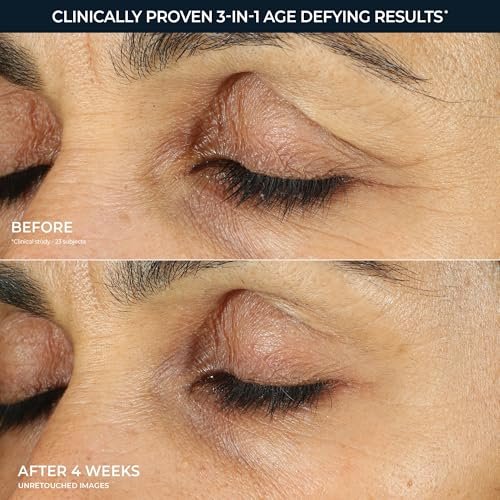
You might start to see noticeable changes in smoothness and brightness within a few days to a week of consistent, appropriate use, especially if you're dealing with surface dryness or mild texture. However, for more significant improvements in tone, texture, or the reduction of certain types of roughness, it often takes one full skin cycle, meaning approximately 4 weeks. During this period, your skin is actively regenerating, and the cumulative effects of exfoliation become more apparent.
For example, if you’re trying to address texture related to mild keratosis pilaris, you might need to commit to a consistent routine for at least a month before seeing significant smoothing.
Frequently Asked Questions About Exfoliating Rough Skin
Can I exfoliate every day?
Most people should not exfoliate every day. Over-exfoliation can damage your skin barrier, leading to redness, irritation, and increased sensitivity. Stick to 1-3 times per week, depending on your skin type and the exfoliant used.
Is exfoliating good for sensitive skin?
Yes, but with caution. Opt for gentle chemical exfoliants like PHAs or low-concentration AHAs. Physical exfoliants should be very fine-grained and applied with minimal pressure.
Always patch-test first.
What's the difference between body scrubs and facial scrubs?
Body scrubs often have larger or more abrasive particles because body skin is typically thicker. Facial scrubs usually contain finer grains or chemical exfoliants designed for the face's more delicate skin. Using a body scrub on your face can cause damage.
Can exfoliation cause breakouts?
While exfoliation can help prevent breakouts by keeping pores clear, overdoing it or using the wrong type of product can sometimes trigger them. This is more common with harsh physical scrubs or chemical exfoliants that are too strong for your skin type.