Is SPF 50 Better Than SPF 30?
Wondering if SPF 50 is truly better than SPF 30 for your skin? It's a question many of us ask when standing in front of the sunscreen aisle. The answer isn't a simple "yes" or "no," as both offer significant protection, but the nuanced difference can matter depending on your situation.
Our research shows the distinction lies not just in the number, but in how and when you use your chosen protection.
When we talk about sunscreen, the Sun Protection Factor (SPF) is the key metric for UVB ray defense. According to the U.S. Food and Drug Administration (FDA), SPF numbers indicate how much longer it takes for skin to redden compared to unprotected skin, assuming correct application.
While SPF 30 and SPF 50 are both strong contenders, understanding their specific protection levels and practical differences is crucial for making the best choice for your skin health.
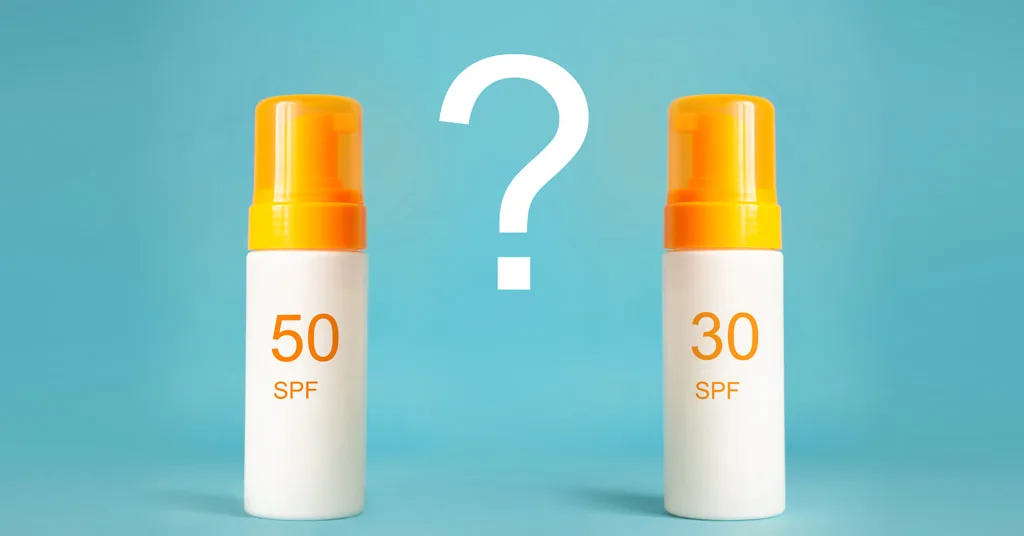
Image source: Bing (Web (fair-use with source credit))
Quick Answer
SPF 50 offers slightly more protection than SPF 30, blocking about 98% of UVB rays compared to 97%. This 1% difference is marginal for most users. Both are considered excellent broad-spectrum protection if applied correctly and reapplied often.
What SPF Numbers Actually Mean for Your Skin
Sun Protection Factor, or SPF, is a measure of how well a sunscreen protects your skin from UVB rays. These are the primary rays that cause sunburn. The number you see on the bottle is a relative indicator, suggesting how much longer your skin might be protected before it starts to burn compared to if you had no sunscreen on at all.
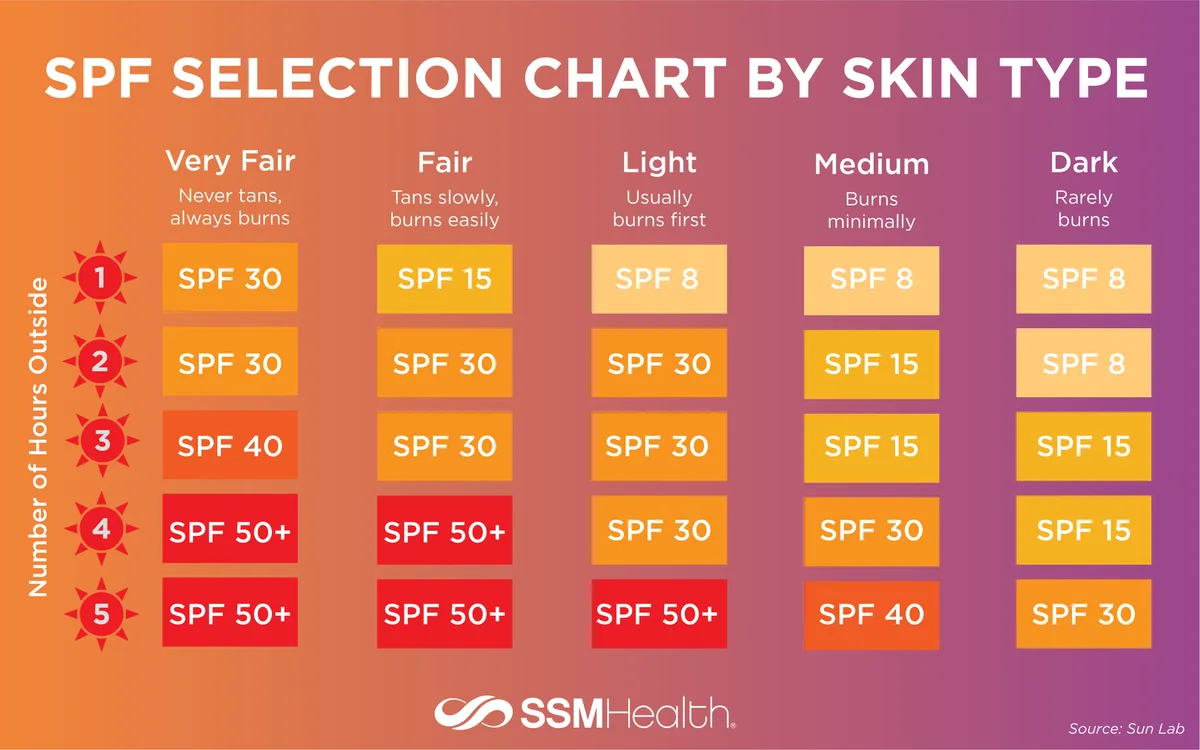
Image source: Bing (Web (fair-use with source credit))
For instance, if you normally start to burn after 10 minutes in the sun, theoretically, an SPF 30 sunscreen would allow you to stay in the sun for about 300 minutes (10 minutes x 30) before burning. However, this is under laboratory conditions and doesn't account for sweat, swimming, or imperfect application. Real-world effectiveness relies heavily on using enough product and reapplying frequently.
Key Differences: UVB Block vs. Broad Spectrum
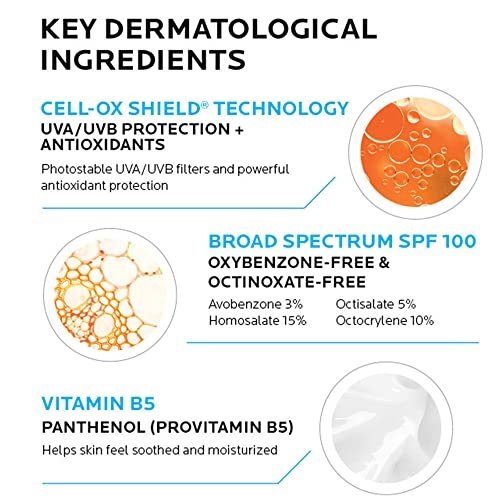
When you're choosing a sunscreen, two terms are critical: SPF and "Broad Spectrum." While the SPF number specifically tells you about UVB protection, "Broad Spectrum" is just as vital because it means the sunscreen also guards against UVA rays. UVA rays penetrate deeper into the skin and are linked to premature aging and skin cancer.
- SPF (UVB Protection): The higher the SPF, the more UVB rays it blocks.
- SPF 30 blocks about 97% of UVB rays.
- SPF 50 blocks about 98% of UVB rays.
- Broad Spectrum (UVA & UVB Protection): This label ensures protection against both types of harmful UV radiation.
It’s important to remember that no sunscreen can block 100% of UV rays. Even SPF 100 would still let through some, though the percentage is exceptionally small. Therefore, always look for "Broad Spectrum" on the label, regardless of the SPF number.
This is a requirement set by the U.S. Food and Drug Administration (FDA) for sunscreens making broad-spectrum claims.
Is SPF 50 Truly "Better" Than SPF 30?
The short answer is that SPF 50 offers slightly more protection than SPF 30, but the difference is often less significant in practice than many people assume. SPF 50 filters out approximately 98% of UVB rays, while SPF 30 filters out around 97%. That’s just a 1% increase in protection.
Both numbers represent a substantial jump in defense compared to unprotected skin. For many everyday situations, this 1% difference may not be noticeable. The effectiveness of any sunscreen hinges more on consistent and correct application than on a minor difference in SPF rating.
If you're applying SPF 30 generously and reapplying every two hours, you're likely getting excellent protection.
The 1% Protection Gap: Does It Matter?
That 1% gap in UVB protection between SPF 30 and SPF 50 might seem small, but it can be meaningful in specific scenarios. For individuals with very fair skin that burns easily, or for those spending extended periods in intense sun, that extra percentage point can offer a slight but valuable buffer against sunburn. It’s like having a little extra insurance against the sun’s strongest rays.
Image source: Web (Bing) / ebay.co.uk (Web image (fair-use with source credit))
Consider aggregate user reviews and dermatologist recommendations; many experts suggest that for prolonged or intense sun exposure, opting for SPF 50 or higher is a prudent choice. This is particularly true as we move into peak summer months or visit regions with high UV indexes. However, for brief outdoor activities or on days with less direct sun, SPF 30 often provides adequate defense when used properly.
When to Choose SPF 50 (and When SPF 30 is Just Fine)
Deciding between SPF 30 and SPF 50 often comes down to your specific skin type, the intensity of the sun, and the duration you'll be exposed.
Choose SPF 50 if:
- You have very fair skin or a history of frequent sunburns.
- You plan to be in direct sunlight for several hours, especially during peak sun hours (10 AM to 4 PM).
- You are at high altitudes or near the equator, where UV radiation is stronger.
- You've recently undergone skin treatments that make your skin more sensitive.
- You simply feel more comfortable with the highest level of protection available.
SPF 30 is likely sufficient if:
- You have skin that tans relatively easily and rarely burns.
- Your outdoor activities are brief or involve significant shade.
- You are diligent about reapplying sunscreen every two hours and after swimming or sweating.
- You find higher SPFs feel heavy or leave an undesirable white cast, making you less likely to apply them consistently.
Remember, proper application is paramount. Using an adequate amount of sunscreen, about a shot glass full for your whole body, and reapplying diligently are more critical than the incremental difference between SPF 30 and SPF 50 for most people. This aligns with general advice on maintaining good skin health and preventing sun damage.
Avoiding Sunscreen Slip-Ups: Application Mistakes That Matter Most
Even the highest SPF sunscreen won't work if it's not applied correctly. Many people don't use enough product, or they miss key areas, which significantly reduces its effectiveness. Our research indicates that less than half of users apply the recommended amount of sunscreen.
This oversight can leave your skin vulnerable to sun damage, even if you’re wearing what you think is top-tier protection.
A common mistake is applying sunscreen too thinly. Think of it like painting a fence; one thin coat won't offer the same durability as two thicker, even coats. Manufacturer specifications confirm that the stated SPF is based on a thick application.
If you're only dabbing on a little, you're getting far less protection than the label suggests.
How Much Sunscreen Do You Really Need?
The standard recommendation for adult sunscreen application is about one ounce, or a shot glass full, to cover your entire body. For your face alone, a nickel-sized dollop should suffice. If you're only using a pea-sized amount for your face, you’re likely not getting the full SPF protection.
It's better to err on the side of too much than too little when it comes to safeguarding your skin.
When Should You Reapply Sunscreen?
Sunscreen doesn't last all day, even if it claims to be "water-resistant." Reapplication is crucial for maintaining protection. You should reapply sunscreen every two hours, without fail.
This rule also applies after swimming or sweating heavily, even if it hasn't been two hours. Towel drying can also remove sunscreen, so it’s wise to reapply immediately after. If you're caught in an unexpected downpour or take a dip, consider that your sunscreen needs a refresh.
Are You Missing Spots? Common Neglected Areas
It's easy to forget those often-missed spots. Your ears, the back of your neck, your eyelids, and the tops of your feet are common targets for sunburn. When applying, do a quick mental sweep to ensure you've covered all exposed skin.
FAQs About SPF 30 and SPF 50
Can I use SPF 30 and then layer SPF 50 on top?
Yes, layering is generally fine, but it doesn't increase your overall SPF protection significantly. If you apply SPF 30 and then SPF 50 over it, your protection level will still be very close to SPF 50, not SPF 80. The higher SPF in the final layer dictates the primary protection level.
Do I need sunscreen on cloudy days?
Absolutely. Up to 80% of the sun's harmful UV rays can penetrate clouds. Even on overcast days, your skin is still exposed to damaging radiation, making sunscreen essential for year-round protection.
This is why consistent application, regardless of the weather, is key to preventing long-term skin damage.
Does sunscreen expire?
Yes, sunscreens do expire. The active ingredients in sunscreens break down over time, reducing their effectiveness. Most sunscreens have an expiration date printed on the packaging.
If yours is missing, a general rule is that most sunscreens are good for about three years, but always check the label first.
What does "water-resistant" mean for sunscreen?
Water-resistant doesn't mean waterproof. It indicates that the sunscreen maintains its SPF level for a specific period while you're swimming or sweating, typically 40 or 80 minutes. After that time, you must reapply to maintain protection.
Always check the product label for specific water-resistance claims.
Your Decision Guide: Which SPF Is Right for You?
Ultimately, the choice between SPF 30 and SPF 50 for your daily sun protection boils down to personal risk assessment and lifestyle. Both offer robust defense against harmful UVB rays. If you have fair skin, spend significant time outdoors, or have had previous skin concerns, leaning towards SPF 50 provides that extra margin of safety.
For most people engaging in moderate sun exposure, a well-applied SPF 30 is perfectly adequate, especially when paired with other sun-safe practices like seeking shade and wearing protective clothing. The most critical step is to ensure you are using a Broad Spectrum sunscreen and applying it generously and often, as recommended by health organizations. Choosing a sunscreen you enjoy wearing encourages consistent use, which is the most powerful tool against sun damage.