What Is the Best Sunscreen for Acne-Prone Skin?
Figuring out what is the best sunscreen for acne-prone skin can feel like a puzzle. You need protection from the sun, but you also don't want to end up with more breakouts. The wrong product can clog your pores and make your skin angry.
Fortunately, finding a sunscreen that works with your skin, not against it, is totally achievable. We've dug into what makes a sunscreen "acne-friendly" and how to pick one that offers broad-spectrum protection without causing irritation. Look for formulas that meet standards like being non-comedogenic to ensure they won't block your pores.
Quick Answer
The best sunscreen for acne-prone skin is non-comedogenic and oil-free. Mineral formulas with zinc oxide and titanium dioxide are often preferred. Lightweight textures like gels, lotions, or serums prevent pore clogging.
Look for matte or sheer finishes and consider tinted options for added coverage.
Why Choosing the Right Sunscreen Matters for Breakouts
Your skin is unique, and what works for one person might not work for another, especially when you're dealing with acne. Sunscreen is a non-negotiable part of any healthy skincare routine, but the wrong formulation can introduce ingredients that clog pores and trigger those unwelcome pimples. Think of it like trying to find the perfect moisturizer; you need something that hydrates without feeling heavy or greasy.
If you've ever experienced a new breakout after applying sunscreen, you know the frustration. Our research indicates that many common sunscreen ingredients, while effective at blocking UV rays, can be problematic for those prone to acne. Understanding these ingredients and looking for specific labels, like "non-comedogenic," is your first step toward finding a protective product that won't sabotage your skin.
Finding Your Non-Comedogenic Hero
The term "non-comedogenic" is crucial here. It means a product is specifically formulated to avoid blocking pores. Manufacturer specifications for non-comedogenic products often involve testing to ensure they don't lead to the formation of blackheads or whiteheads.
For acne-prone skin, choosing a sunscreen that carries this label significantly reduces the risk of causing new breakouts.

Image source: Web (Bing) / pickpik.com (Web image (fair-use with source credit))
What to Look For: Your Acne-Friendly Checklist
When you're scanning those sunscreen labels, you're looking for a few key things that signal a product is likely to be kind to your acne-prone skin. It's all about what's in the bottle and what the product is designed to do.
- Non-Comedogenic: This is your number one priority. It means the formula is designed not to clog pores.
- Oil-Free: Many acne breakouts are linked to excess oil, so an oil-free formula is usually a safer bet.
- Lightweight Texture: Think gels, lotions, or serums rather than thick, heavy creams that can feel suffocating on the skin.
- Mineral Filters: Sunscreens with zinc oxide and titanium dioxide tend to be gentler and less irritating for sensitive, acne-prone skin.
Mineral vs. Chemical: Which Blocks Best for You?
This is where the core decision often lies. Sunscreens use active ingredients to protect your skin from the sun's harmful UV rays, and they generally fall into two main categories: mineral and chemical. Understanding the difference is key to picking one that won't upset your complexion.
Mineral sunscreens use physical blockers like zinc oxide and titanium dioxide. They sit on top of the skin and create a physical barrier that reflects UV rays. Chemical sunscreens, on the other hand, use ingredients that absorb UV radiation and convert it into heat, which is then released from the skin.
For many people with acne-prone or sensitive skin, mineral sunscreens are often recommended because they are less likely to cause irritation or allergic reactions.
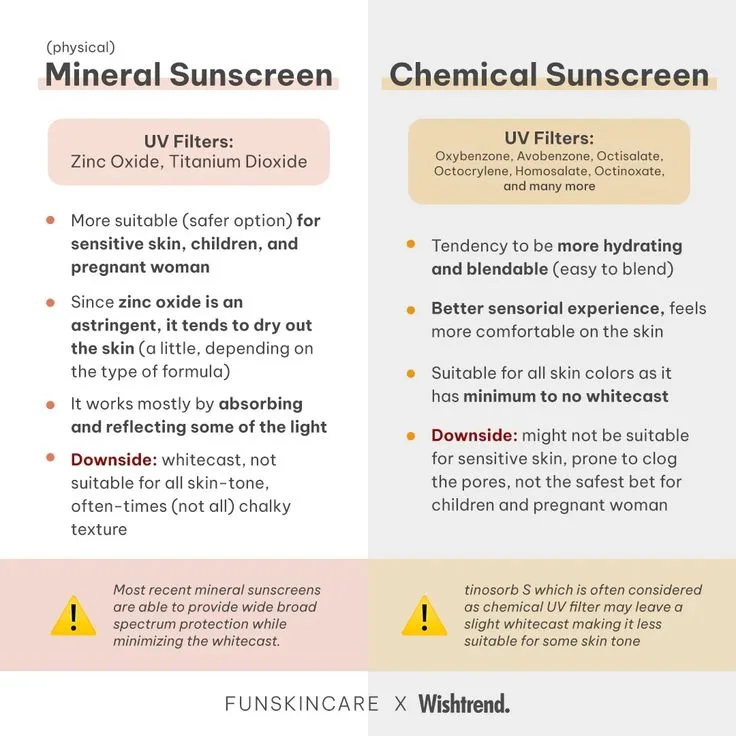
Image source: Bing (Web (fair-use with source credit))
Who Benefits Most from Mineral Sunscreens?
- Individuals with sensitive or reactive skin.
- Those prone to redness or irritation.
- People who prefer immediate sun protection upon application.
Who Might Prefer Chemical Sunscreens?
- Users who dislike any potential white cast.
- Those who prefer lighter, more easily absorbed textures.
- People who need broad-spectrum protection without a heavy feel.
Key Ingredients: Your Skin's Best Friends and Worst Enemies
Beyond just "mineral" or "chemical," the specific ingredients in a sunscreen can make a big difference for acne-prone skin. Some ingredients are fantastic for soothing and protecting, while others can be triggers. Our research shows that formulation is as important as the active filters.
Potential Friends (Soothing & Protective):
- Zinc Oxide: A gentle physical blocker with anti-inflammatory properties.
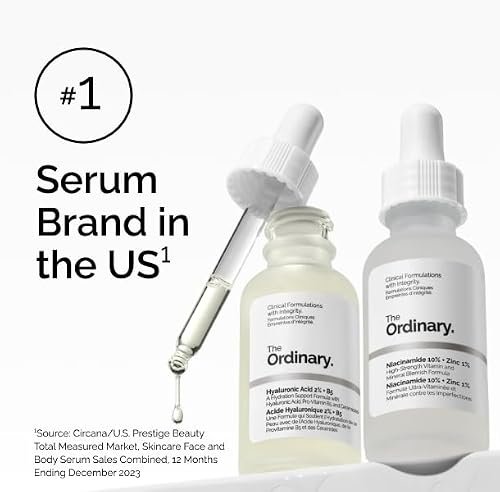
- Niacinamide: Can help reduce inflammation and redness associated with acne.
- Hyaluronic Acid: Provides hydration without greasiness, which is good for maintaining skin barrier health.
- Ceramides: Help support the skin's natural barrier, which can be compromised in acne-prone skin.
Potential Enemies (Irritating & Clogging):
- Fragrance: Often a major irritant and can worsen inflammation.
- Certain Alcohols (e.g., SD Alcohol, Denatured Alcohol): Can be drying and stripping, which may lead to overproduction of oil.
- Heavy Oils (e.g., Coconut Oil, some Shea Butter in high concentrations): Can be comedogenic for some individuals.
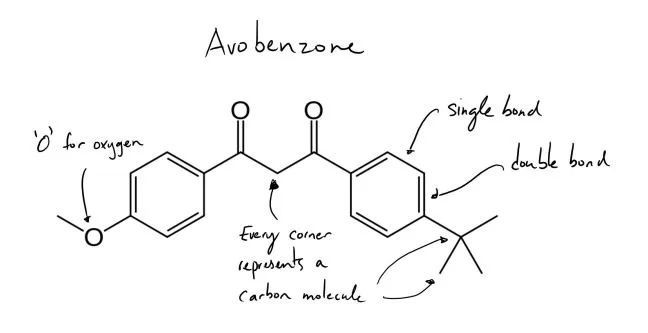
- Oxybenzone and Octinoxate: While effective chemical filters, some individuals with sensitive skin report irritation.
Comparing Top Sunscreen Types for Acne-Prone Skin
When you’re looking for the best protection that won’t lead to a breakout, you’ll notice sunscreens come in different formats and finishes. These variations impact how the product feels on your skin and how it performs throughout the day. Understanding these differences helps you make a choice that suits your personal preferences and skin needs.
As of 2026, the market offers a wide array, but they broadly fall into categories based on their texture and how they appear on the skin once applied. This distinction is particularly important for those concerned about makeup application or a visible residue.
Lightweight Formulas: Gels, Lotions, and Serums
These formulations are your best bet if you find traditional creams too heavy or greasy. They are designed to absorb quickly into the skin, leaving little to no residue, which is ideal for preventing that dreaded clogged-pore feeling.
- Gels: Often water-based, these are ultra-light and can feel refreshing on the skin. They are typically clear and dry down quickly.
- Lotions: Generally lighter than creams but can offer a bit more hydration. Look for "fluid" or "lightweight" lotions.
- Serums: The lightest option, often packed with beneficial skincare ingredients alongside UV filters. They sink in almost immediately.
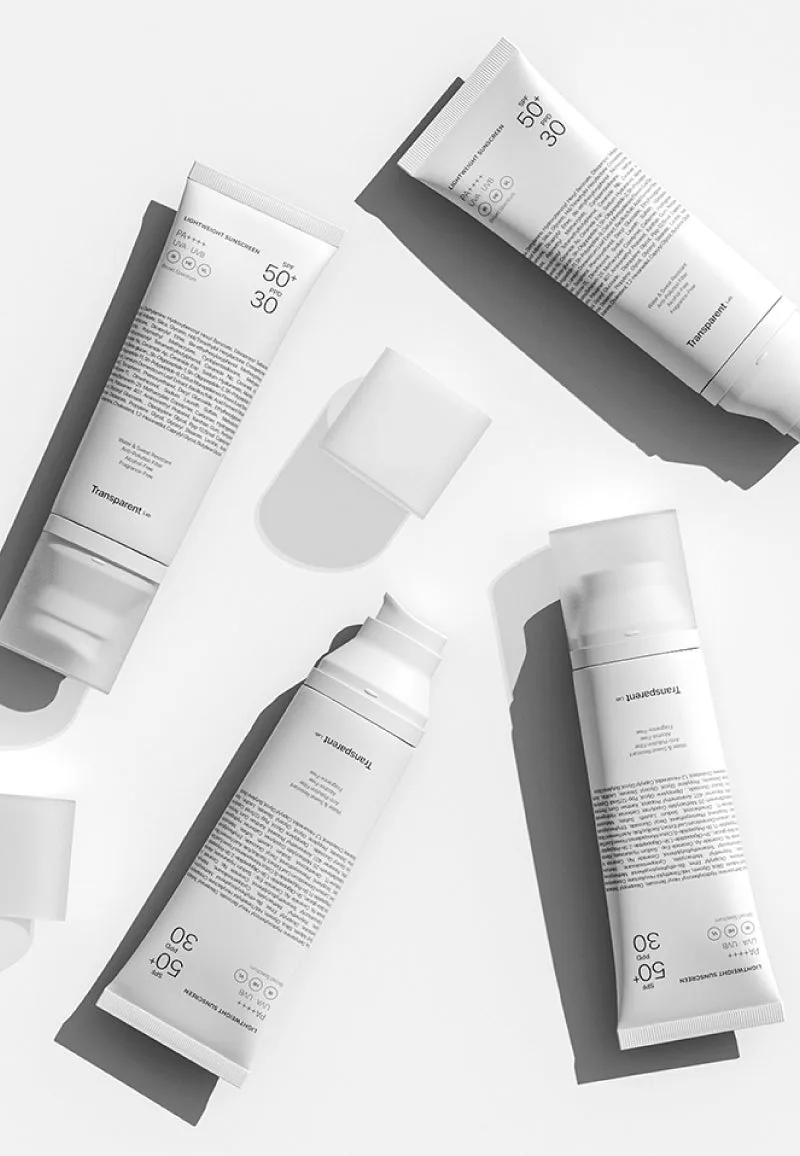
Image source: Bing (Web (fair-use with source credit))
Best For:
- Oily and combination skin types.
- Hot, humid climates.
- Individuals who dislike a heavy or sticky feeling.
- Those who plan to wear makeup over their sunscreen.
Considerations:
While great for preventing breakouts, these can sometimes be less hydrating than thicker creams. If your skin tends to be dry and acne-prone, you might need to layer a hydrating serum or a light moisturizer underneath, as discussed in articles about how can i keep my skin hydrated?.
Matte vs. Sheer Finishes: How it Looks and Feels
The finish of your sunscreen refers to how it looks on your skin after application. For acne-prone skin, both matte and sheer finishes can be beneficial, but they serve slightly different aesthetic goals.
A matte finish is ideal for those who tend to get shiny or oily throughout the day. These formulas are designed to absorb excess oil and leave the skin looking dry and smooth, which can be especially helpful if you wear makeup. They often contain ingredients that help control shine.
A sheer finish means the sunscreen blends into the skin without leaving a visible color, such as the white cast sometimes associated with mineral sunscreens. This makes them more cosmetically elegant for all skin tones and easier to wear daily without looking pasty.
Best For:
- Matte: Individuals with oily skin who want to control shine; those who prefer a velvety texture.
- Sheer: All skin tones; people who dislike the chalky look of some mineral sunscreens; those who wear foundation.
What to Expect:
Matte finishes can sometimes feel slightly drying for very dry skin types, so ensure your underlying skincare routine provides enough moisture. Sheer formulas generally feel lighter but check the ingredient list for potential irritants if you have very sensitive skin.
Tinted Options: For Coverage and Protection
Tinted sunscreens offer a dual benefit: sun protection and light to medium coverage. The tint can help even out skin tone, mask redness from acne, and sometimes even camouflage minor blemishes. This makes them a popular choice for simplifying a morning routine.
These sunscreens typically use mineral blockers like zinc oxide and titanium dioxide, often micronized to ensure better blendability. The tint comes from iron oxides, which are generally well-tolerated by the skin. When choosing a tinted sunscreen, it's important to find a shade that closely matches your natural skin tone to avoid looking unnatural.
Best For:
- Individuals looking to simplify their makeup routine.
- Those who want to even out skin tone and reduce redness.
- People who prefer mineral sunscreens but want to avoid a white cast.
- Anyone seeking light coverage on days they don't want to wear full foundation.
Things to Consider:
- Shade Matching: This can be tricky online. If possible, try to get a sample or test shades in person.
- Coverage Level: Tints vary from very sheer to medium coverage. Assess your needs before purchasing.
- Formula Type: Just like non-tinted sunscreens, ensure the base formula is non-comedogenic and oil-free if that's a concern for your skin.
Common Sunscreen Mistakes That Trigger Breakouts
Even with the best intentions, certain sunscreen application or selection habits can inadvertently lead to clogged pores and breakouts. Avoiding these common pitfalls is just as important as choosing the right product.
- Not Patch Testing: Applying a new sunscreen all over your face without testing it on a small, inconspicuous area (like behind your ear or on your jawline) first. If your skin reacts, you've only compromised a small patch.
- Using Too Much Product: While you need adequate protection, applying a thick layer can overwhelm the skin. Follow recommended guidelines for facial sunscreen application, typically about a nickel-sized amount.
- Skipping Reapplication: Sunscreen wears off, especially if you're sweating or swimming. Failing to reapply, as recommended every two hours, means your skin isn't protected and can be more susceptible to damage, which can exacerbate acne scarring.
- Not Removing Thoroughly: Sleeping in your sunscreen is a recipe for clogged pores. Always ensure you cleanse your face thoroughly at the end of the day to remove all traces of sunscreen, dirt, and oil. This is a fundamental part of any skincare routine for oily skin.
- Overlooking Neck and Chest: While focusing on the face, many forget these areas can also break out or show sun damage. Apply sunscreen consistently to all exposed skin.
Expert Tips for Sunscreen Success with Acne
Making sunscreen a consistent part of your routine when you have acne-prone skin requires a bit of strategy. It's not just about slapping it on and forgetting it; it's about mindful application and selection. Our research indicates that layering correctly and choosing products compatible with your skin can make a significant difference.
- Don't Skip Cleansing: Always cleanse your face thoroughly each night. This removes sunscreen, makeup, and impurities that can clog pores. If you find regular cleansers too harsh, explore options for how can I make my skin feel smoother? without stripping.
- Patch Test New Products: Before applying a new sunscreen all over your face, test it on a small, discreet area like behind your ear or on your jawline. Wait 24-48 hours to see if any redness, itching, or breakouts occur. This small step can save you from a full-face reaction.
- Consider Your Whole Routine: If you're using acne treatments that can make your skin more sensitive to the sun (like retinoids or AHAs/BHAs), a gentle, mineral-based sunscreen is often your best ally. Ensure your other products aren't also contributing to pore-clogging. You might want to check out what is the best serum for oily skin? to see if your current serum is compatible.
- Reapplication is Key: Sunscreen effectiveness diminishes over time. Reapply at least every two hours when exposed to direct sunlight. For daily use, even if you're indoors, some exposure still occurs, making consistent application important.
FAQs: Your Burning Sunscreen Questions Answered
Do I really need sunscreen every day, even if it's cloudy?
Yes, you absolutely do. Clouds don't block all UV rays. UVA rays, which contribute to premature aging and can worsen acne scars, penetrate clouds and glass.
Consistent, broad-spectrum protection is vital.
Can I use the same sunscreen on my face and body?
While possible, facial sunscreens are typically formulated to be less likely to clog pores and may have a lighter feel. If you have acne-prone facial skin, it's best to use a dedicated non-comedogenic facial sunscreen.
How often should I exfoliate if I'm using sunscreen daily?
This depends on your skin type and the exfoliator. Generally, daily exfoliation with harsh products isn't recommended. Consider exfoliating 1-3 times a week, and always use a gentle approach, especially if using active acne treatments.
Learn more about is daily exfoliation bad for skin?.
What does SPF 30 vs. SPF 50 mean for acne-prone skin?
SPF 30 blocks about 97% of UVB rays, while SPF 50 blocks about 98%. The difference is minimal for daily use, but higher SPFs offer a bit more buffer. For acne-prone skin, the non-comedogenic and oil-free attributes are usually more critical than a small SPF number difference.