How Often Should I Exfoliate My Face?
Image source: Bing (Web (fair-use with source credit))
So, you're wondering how often you should be exfoliating your face? It's a totally valid question, and honestly, there's no single answer that fits everyone. The frequency really hinges on your unique skin and the products you're using.
Our research indicates that as of 2026, most dermatologists recommend a personalized approach, focusing on how your skin reacts rather than adhering to a strict schedule. Understanding your skin type and the ingredients in your exfoliant is key to unlocking that healthy glow without causing irritation.
Quick Answer
Exfoliate your face 1-3 times per week. This range works for most people. Sensitive skin may only need it once a week.
Oily skin might tolerate up to three times. Always adjust based on your skin's reaction.
Your Skin Type & Exfoliation Frequency: Finding the Sweet Spot
The biggest factor in determining how often you should exfoliate is your skin type. What works wonders for one person might cause irritation for another. Think of your skin's natural oil production and its general sensitivity.
- Oily/Acne-Prone Skin: This type often benefits from more frequent exfoliation, typically 2-3 times per week. The goal here is to help clear out pores and prevent oil buildup. However, it's crucial not to overdo it, especially if you're using other strong acne treatments, as this can strip your skin and paradoxically lead to more oil production.
- Dry/Sensitive Skin: This skin needs a much gentler touch. Start with exfoliating once a week, or even once every two weeks. Over-exfoliation can strip away essential natural oils, leading to redness, flakiness, and increased sensitivity. Less is definitely more for these skin types.
- Normal Skin: You have a bit more flexibility. A range of 1-3 times per week is generally well-tolerated. You can experiment a little more to see what makes your skin feel and look its best.
- Combination Skin: This is where it gets interesting. You might find you need to exfoliate different areas of your face at different frequencies. For example, your T-zone might handle exfoliation 2-3 times a week, while your drier cheeks only need it once a week. Alternatively, a gentle, all-over exfoliant used 1-3 times a week can be a good compromise.
Physical vs. Chemical Exfoliants: Which Are You Using?
Understanding the type of exfoliant you're reaching for is just as important as knowing your skin type. They work in different ways and have different ideal frequencies.
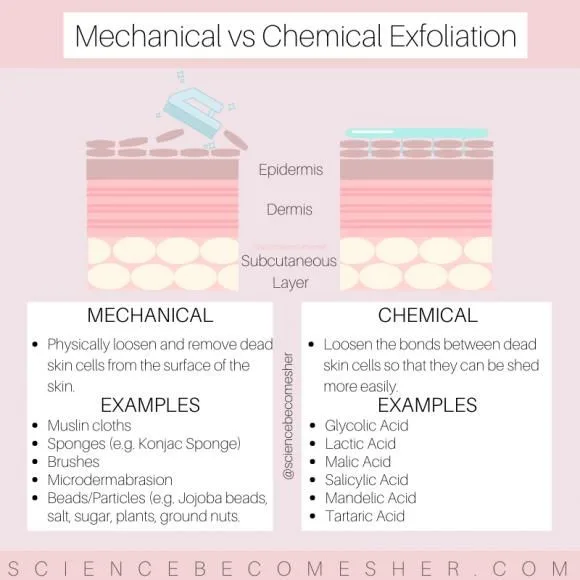
Image source: Bing (Web (fair-use with source credit))
Physical Exfoliants Explained
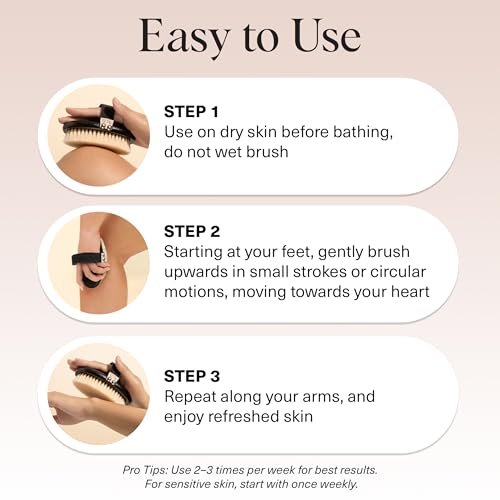
Physical exfoliants work by the sheer act of friction to buff away dead skin cells. This can be anything from fine grains in a scrub to a textured cloth or even a spinning brush.
- Gentle Scrubs: These contain finely milled particles, like sugar, salt, or synthetic beads (such as jojoba esters). They're generally less abrasive. Depending on your skin type and the scrub's formulation, you might use these 1-2 times per week.
- Harsh Scrubs: These often contain larger, irregular particles like crushed nut shells or pits. For facial skin, these are typically too abrasive and can cause micro-tears, leading to irritation and inflammation. It’s generally advised to avoid these for the face. If used at all, it should be very cautiously, perhaps once every 10 days to two weeks, and only on very resilient skin.
- Tools: Devices like sonic cleansing brushes or exfoliating cloths also fall under physical exfoliation. Their frequency of use depends heavily on the device's intensity and your skin's tolerance, but 1-2 times per week is a common guideline.
Chemical Exfoliants Explained
Chemical exfoliants use acids or enzymes to loosen the bonds holding dead skin cells together, allowing them to shed more easily. These come in various strengths and types.
- Alpha Hydroxy Acids (AHAs): Glycolic acid and lactic acid are common AHAs. They work on the skin's surface. Lower concentrations (around 5-8%) can often be used several times a week, or even daily if your skin tolerates it well. Higher concentrations (10%+) are more potent and usually reserved for 1-2 times per week.
- Beta Hydroxy Acids (BHAs): Salicylic acid is the most common BHA. It’s oil-soluble, meaning it can penetrate pores, making it excellent for oily and acne-prone skin. Similar to lower-concentration AHAs, it can often be used several times a week or daily, depending on the product and your skin's response.
- Enzyme Exfoliants: Derived from fruits like papaya or pineapple, enzymes offer a very gentle way to exfoliate. They are typically well-tolerated and can often be used 2-3 times per week, even by those with sensitive skin.
Signs You're Over-Exfoliating (And What to Do)
It's possible to have too much of a good thing, and exfoliation is definitely one of those areas. Over-exfoliating can compromise your skin barrier, leaving it vulnerable and unhappy.

Image source: Web (Bing) / jagonews24.com (Web image (fair-use with source credit))
If you notice any of these signs, it's your skin telling you to take a break from exfoliating:
- Increased Redness and Irritation: Your skin might appear red, feel warm, or even sting after cleansing or applying other products. This is a clear indicator that the skin barrier is inflamed.
- Peeling or Flakiness: Visible dry patches or shedding skin are signs that your skin is losing moisture and its protective outer layer is breaking down.
- Breakouts: Ironically, over-exfoliating can sometimes lead to more acne. When the skin barrier is damaged, it can become more susceptible to bacteria and inflammation, triggering breakouts.
- Tightness and Dryness: While a clean feeling is good, extreme tightness after washing or exfoliating means you've stripped away too much natural moisture.
- Increased Sensitivity: If your skin suddenly becomes reactive to products it used to tolerate well, it might be due to over-exfoliation.
If you experience these symptoms, stop exfoliating immediately for at least a week. Focus on soothing and repairing your skin with gentle, hydrating products. Once your skin has recovered, reintroduce exfoliation slowly, starting with a much lower frequency and a gentler product.
How to Start Exfoliating: A Gentle Approach
If you're new to exfoliating or you have sensitive skin, starting slow and gentle is the smartest move. The goal is to gradually introduce your skin to the process and see how it responds.
Step 1: Choose Your Exfoliant Wisely
For beginners or those with sensitive skin, it's best to start with a milder option.
- Gentle Chemical Exfoliants: Look for products with lower concentrations of AHAs like lactic acid, or BHAs like salicylic acid. Enzyme-based exfoliants are also a great starting point.
- Fine Physical Scrubs: If you prefer a physical scrub, opt for one with very fine, uniform particles. Avoid scrubs with large, jagged pieces.
Step 2: Start Slow and Observe
Once you've chosen your exfoliant, begin by using it only once a week. Apply it in the evening after cleansing your face.
- Monitor Your Skin: For the next few days after use, pay close attention to how your skin feels and looks. Is it calm, smooth, and bright? Or is it showing signs of redness, dryness, or irritation?
- Gradual Increase: If your skin tolerates the single weekly application well without any negative reactions, you can consider increasing the frequency to twice a week. Again, wait a few days to observe.
- Listen and Adjust: The most crucial step is to pay attention to your skin's signals. If at any point you notice irritation, dial back the frequency. If your skin feels great and you're not experiencing any issues, you might be able to reach a comfortable routine of 2-3 times a week, depending on your skin type and the product.
Listening to Your Skin: The Ultimate Guide
Beyond general guidelines, your skin is the best barometer for exfoliation frequency. It's constantly communicating its needs. Paying attention to these signals will help you fine-tune your routine and avoid common pitfalls.
Here's what to actively look for:
- Post-Exfoliation Feel: Does your skin feel smooth and refreshed, or does it feel tight, hot, or sensitive? A calm, comfortable feel is ideal.
- Appearance the Next Day: Check for any lingering redness, dryness, or unexpected breakouts. These are clear red flags that you may have exfoliated too aggressively or too frequently.
- Reaction to Other Products: If your usual serums or moisturizers start to sting or cause redness after you've exfoliated, your skin barrier might be compromised.
- Long-Term Benefits: Are you seeing brighter, clearer, smoother skin over time? If so, you're likely on the right track. If your skin texture isn't improving or is getting worse, it's time to reassess.
If you're unsure, it's always safer to err on the side of caution. Start with the lowest frequency and a gentle product. You can always increase it gradually if your skin responds positively.
Remember, consistency with a gentle routine is far more effective than sporadic, aggressive treatments.
Common Exfoliation Mistakes to Avoid
Even with the best intentions, it’s easy to fall into common exfoliation traps. Understanding these mistakes can help you steer clear of irritation and achieve better results.
- Using Harsh Scrubs: As discussed, abrasive particles can cause micro-tears. This damages your skin barrier and leads to inflammation. Stick to fine grains or chemical exfoliants for facial use.
- Exfoliating Too Soon After Sun Exposure: Sunburned or recently tanned skin is already compromised. Exfoliating it can worsen damage and increase sensitivity. Always let sunburn heal completely before exfoliating.
- Not Moisturizing Post-Exfoliation: Exfoliation can temporarily strip your skin of moisture. It's vital to follow up with a good moisturizer to replenish hydration and support your skin barrier. Without it, dryness and irritation can worsen.
- Exfoliating Over Active Breakouts: While salicylic acid (a BHA) can help acne, aggressively exfoliating over inflamed pimples can spread bacteria and increase inflammation. Be gentle and selective around active breakouts.
Frequently Asked Questions About Exfoliation Frequency
How long should I wait between exfoliating sessions?
This depends on your skin type and the exfoliant used. For most people, waiting 2-3 days between sessions is ideal. Sensitive skin might need 4-7 days or even longer.
Always watch for signs of irritation.
Can I exfoliate every day?
For most skin types, daily exfoliation is too much. It can strip your skin's natural barrier, leading to redness and sensitivity. Only very mild chemical exfoliants, like certain low-concentration toners, might be suitable for daily use for some individuals, but it requires careful observation.
What's the difference between a chemical and physical exfoliant's frequency?
Chemical exfoliants, especially lower-concentration AHAs and BHAs, can often be used more frequently, sometimes multiple times a week or even daily for some skin types. Physical exfoliants, particularly scrubs, are generally used less often, usually 1-2 times per week, because their mechanical action can be more irritating if overused.
Should I exfoliate before or after cleansing?
Typically, you exfoliate after cleansing. This ensures your skin is clean and free of makeup or surface debris, allowing the exfoliant to work more effectively. Follow up with your serum and moisturizer.
Can I exfoliate if I'm using acne treatments?
Yes, but with extreme caution. If you use strong acne treatments like retinoids or benzoyl peroxide, you may need to exfoliate less often, or not at all on the same nights. Consult your dermatologist to create a safe routine that combines treatments without causing over-sensitization.