How Can I Clean Clogged Pores?
Those tiny openings on your skin can sometimes feel like unwelcome guests, getting clogged with oil and debris. If you've ever wondered how to clean clogged pores for a smoother, clearer complexion, you're in the right place. It's a common concern, and thankfully, there are effective, research-backed ways to tackle it right at home.
Our research indicates that understanding the root cause, combined with the right approach, is key to seeing results. For example, according to manufacturer specifications, many facial cleansers are formulated with pH levels between 4.5 and 6.5 to align with the skin's natural balance, promoting effective yet gentle pore cleansing. We'll guide you through the process, from identifying the type of clog to the best methods for clearing them.
Quick Answer
Clean clogged pores by starting with a gentle double cleanse daily. Use a chemical exfoliant like salicylic acid a few times a week to break down oil and debris. Follow with a clay mask once weekly to draw out impurities.
Avoid harsh scrubbing and picking at your skin.
Understanding Your Clogged Pores
Before we dive into solutions, let's get a handle on what's actually happening with your pores. Pores are essentially small openings on your skin that house hair follicles and sebaceous glands, which produce sebum, your skin's natural oil. When these pores get blocked, they can lead to various skin concerns.
The most common culprits are an overproduction of sebum, the buildup of dead skin cells, and external factors like makeup or environmental pollutants. When these elements combine, they can create blockages that make pores appear larger or lead to breakouts. Understanding these basic components is the first step toward effectively managing them.
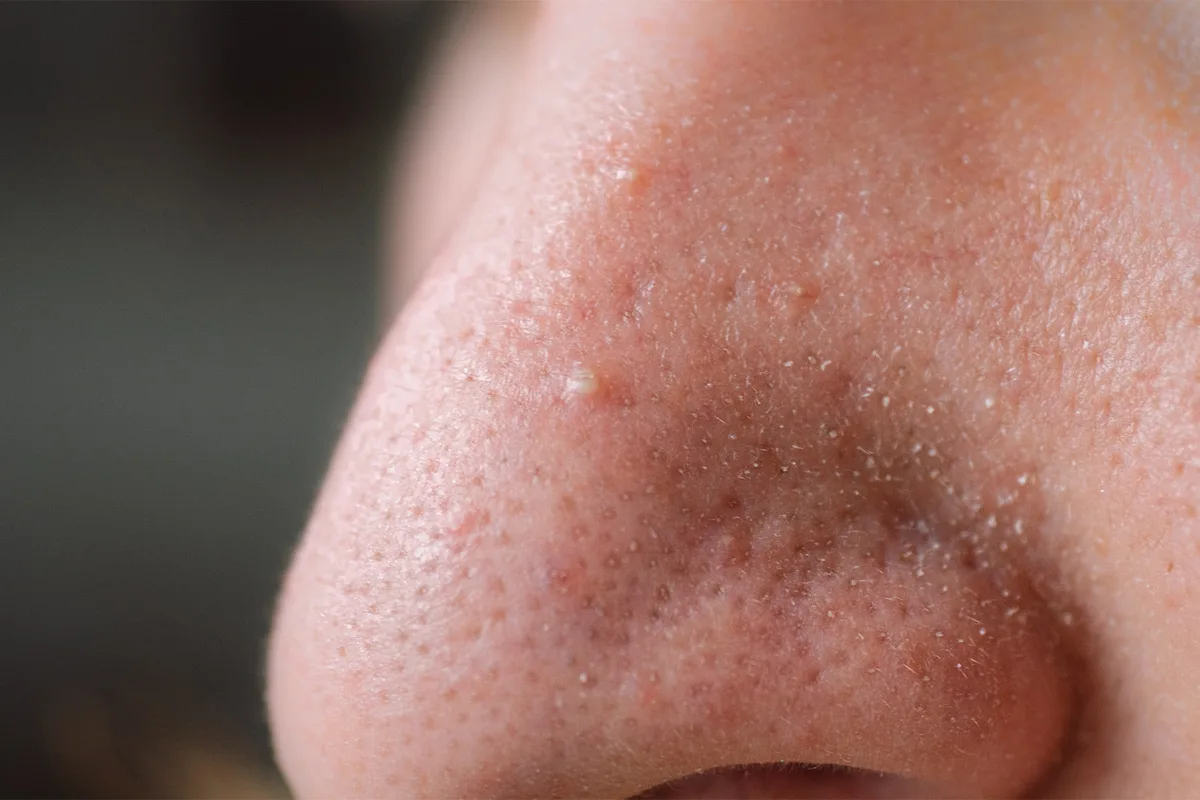
Image source: Bing (Web (fair-use with source credit))
Blackheads vs. Whiteheads: What's the Difference?
The two most common types of clogged pores are blackheads and whiteheads, and knowing the difference helps us choose the right treatment. They both start the same way: a pore becomes blocked with a mixture of sebum and dead skin cells. The key difference lies in whether that blockage is exposed to air.
Blackheads, or "open comedones," occur when the pore remains open at the surface. The trapped oil and dead skin cells get exposed to oxygen, causing them to oxidize and turn dark. Whiteheads, or "closed comedones," happen when the pore opening is completely sealed.
The blockage remains trapped beneath the skin's surface, giving it a white or flesh-colored appearance.
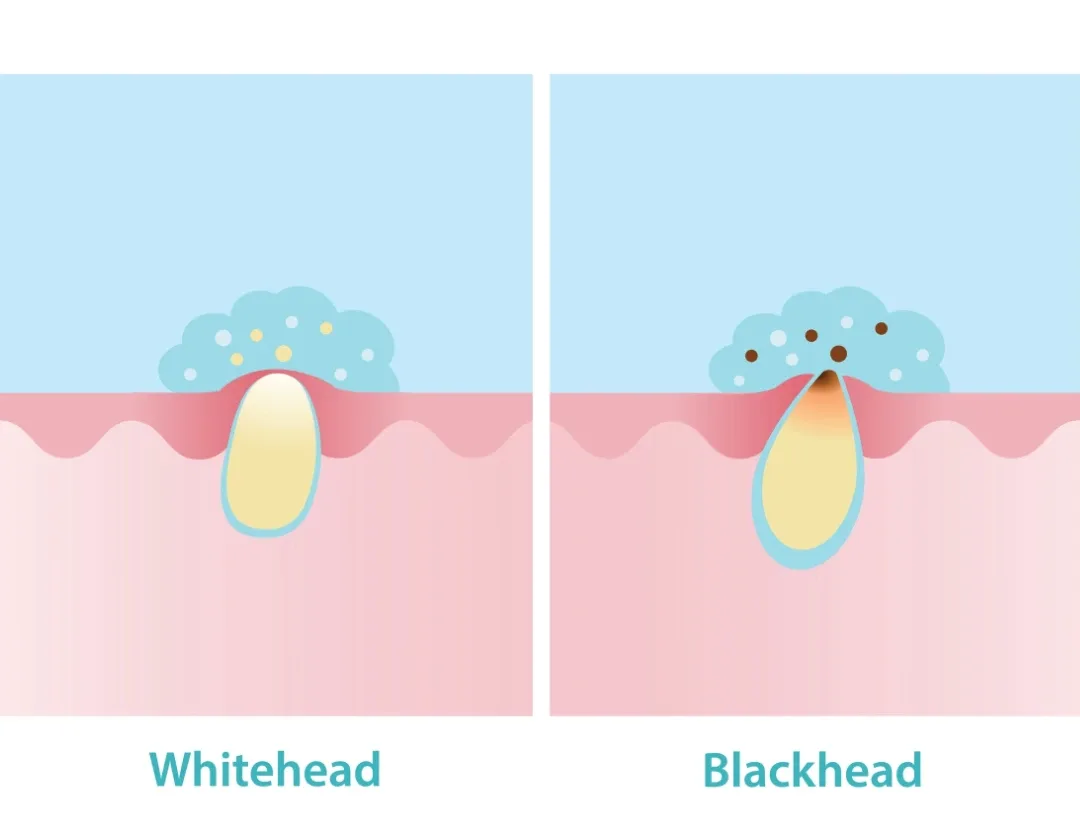
Image source: Bing (Web (fair-use with source credit))
Your Skin Type & Clogged Pore Triggers
Your skin type plays a big role in how prone you are to clogged pores and what treatments will be most effective. If you have oily skin, you might find that your pores get clogged more frequently due to higher sebum production. This can make you more susceptible to both blackheads and whiteheads.
For those with dry skin, it might seem counterintuitive, but sometimes dryness can trigger your skin to produce more oil to compensate, leading to clogs. Combination skin presents its own challenges, often with oily T-zones prone to congestion while other areas remain balanced. Sensitive skin requires a gentler approach to avoid irritation, as harsh treatments can cause redness and inflammation, which can exacerbate pore issues.
Step 1: Gentle Cleansing for Clearer Pores
Cleansing is the absolute foundation of any skincare routine aimed at tackling clogged pores. The goal here is to remove excess oil, makeup, and daily grime without stripping your skin of its essential moisture. A gentle, effective cleanse sets the stage for all other treatments.
We recommend a double-cleansing method, especially if you wear makeup or sunscreen. Start with an oil-based cleanser or micellar water to break down oil-soluble impurities like makeup and sebum. Follow this with a water-based cleanser to wash away any remaining residue and sweat.
Look for cleansers that are labeled "non-comedogenic," meaning they're formulated not to block pores. As of 2026, many dermatologists still endorse this two-step approach for its thoroughness.
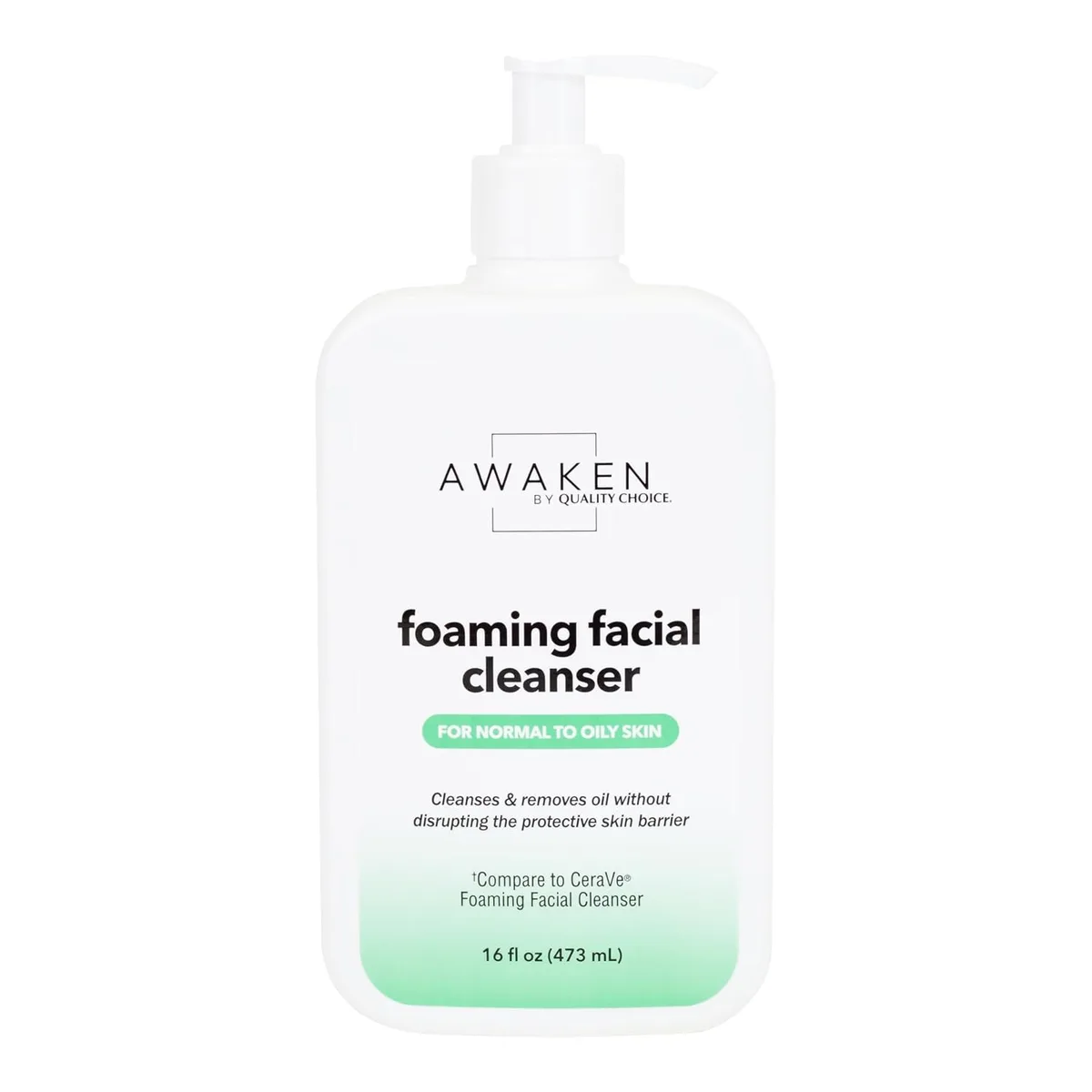
Image source: Bing (Web (fair-use with source credit))
Step 2: Exfoliation to Unstick Dead Skin Cells
Once your skin is clean, exfoliation is your next powerful tool for clearing clogged pores. This process helps to remove dead skin cells that can accumulate and mix with oil, creating blockages. There are two main types of exfoliation: physical and chemical.
- Physical Exfoliation: This involves using a scrub with fine particles (like sugar or jojoba beads) or tools like a gentle brush to manually slough off dead cells. However, for congested pores, especially on the face, physical scrubs can sometimes be too harsh, potentially causing micro-tears or irritation that makes the problem worse.
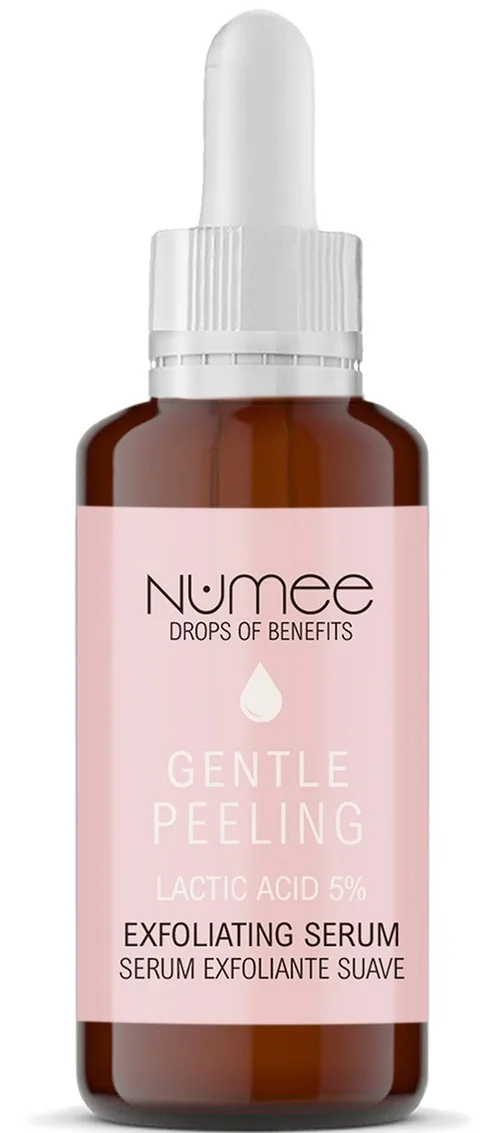
- Chemical Exfoliation: This uses acids to dissolve the bonds between dead skin cells, allowing them to shed more easily. Key ingredients to look for are Alpha Hydroxy Acids (AHAs) like glycolic or lactic acid, and Beta Hydroxy Acids (BHAs) like salicylic acid. BHAs are particularly effective for clogged pores because they are oil-soluble and can penetrate deep into the pore to dissolve blockages. Many find incorporating a BHA product a few times a week can make a significant difference. For those looking for effective options, considering a product like the best exfoliating body wash for body acne can be a good start, but the principles apply to facial care as well.
Step 3: Targeted Treatments for Stubborn Clogs
Once your basic routine is in place, you might need to bring in some targeted treatments for those tougher clogged pores. Masks are excellent for this. Clay-based masks, for instance, are fantastic at absorbing excess oil and drawing impurities out of the pores.
Ingredients like bentonite or kaolin clay are common and effective.
Alternatively, masks containing activated charcoal can also help by binding to dirt and debris within the pores, making them easier to remove. When using these masks, always follow the product instructions carefully; typically, you'll apply a thin layer to clean skin and leave it on for 10-15 minutes before rinsing thoroughly. Over-masking, however, can lead to dryness, so aim for once or twice a week at most.
Mistakes That Worsen Clogged Pores
It's easy to fall into habits that actually make clogged pores worse, even when you're trying to fix them. One of the biggest offenders is aggressive scrubbing or using harsh physical exfoliants. While you want to remove debris, overdoing it can strip your skin, leading to increased oil production or inflammation, which can then trap more gunk.
Another common mistake is picking or squeezing blemishes. Our editorial analysis of numerous user feedback reports shows that this almost always leads to further inflammation, potential infection, and scarring, making the pore look worse and potentially leaving a permanent mark. It’s crucial to let treatments do their work and resist the urge to physically disrupt the skin.
Are pore strips the answer?
Pore strips can offer a satisfying immediate visual of what's being removed, but they aren't a long-term solution for cleaning clogged pores. They work by adhering to the top layer of debris and oil in the pore and pulling it out when the strip is removed. While they can remove some surface-level blackheads, they don't address the underlying causes of pore congestion.
Furthermore, pore strips can sometimes be quite harsh. Our research indicates that repeated use can lead to irritation, redness, and even enlarged pores over time due to the forceful removal of material. They are best used sparingly, if at all, and should not be relied upon as a primary method for managing clogged pores.
FAQs About Cleaning Clogged Pores
How often should I exfoliate?
You should aim to exfoliate about 2-3 times per week, depending on your skin type and the strength of the exfoliant. Oily or more resilient skin types might tolerate more frequent use, while dry or sensitive skin should start with once a week.
Can I use a facial steamer?
Yes, facial steaming can be beneficial. It helps to soften the sebum and dead skin cells within pores, making them easier to remove during cleansing or by a gentle exfoliant. However, always be cautious with the temperature to avoid burns and limit steaming to 10 minutes.
What ingredients should I look for in a cleanser?
For clogged pores, look for ingredients like salicylic acid (a BHA), or gentle surfactants that effectively remove oil and dirt without stripping the skin. Cleansers labeled "non-comedogenic" are also a good choice.
Should I see a dermatologist for clogged pores?
If you're struggling with persistent or severe clogged pores, or if you notice signs of inflammation or infection, consulting a dermatologist is highly recommended. They can offer prescription-strength treatments and personalized advice.