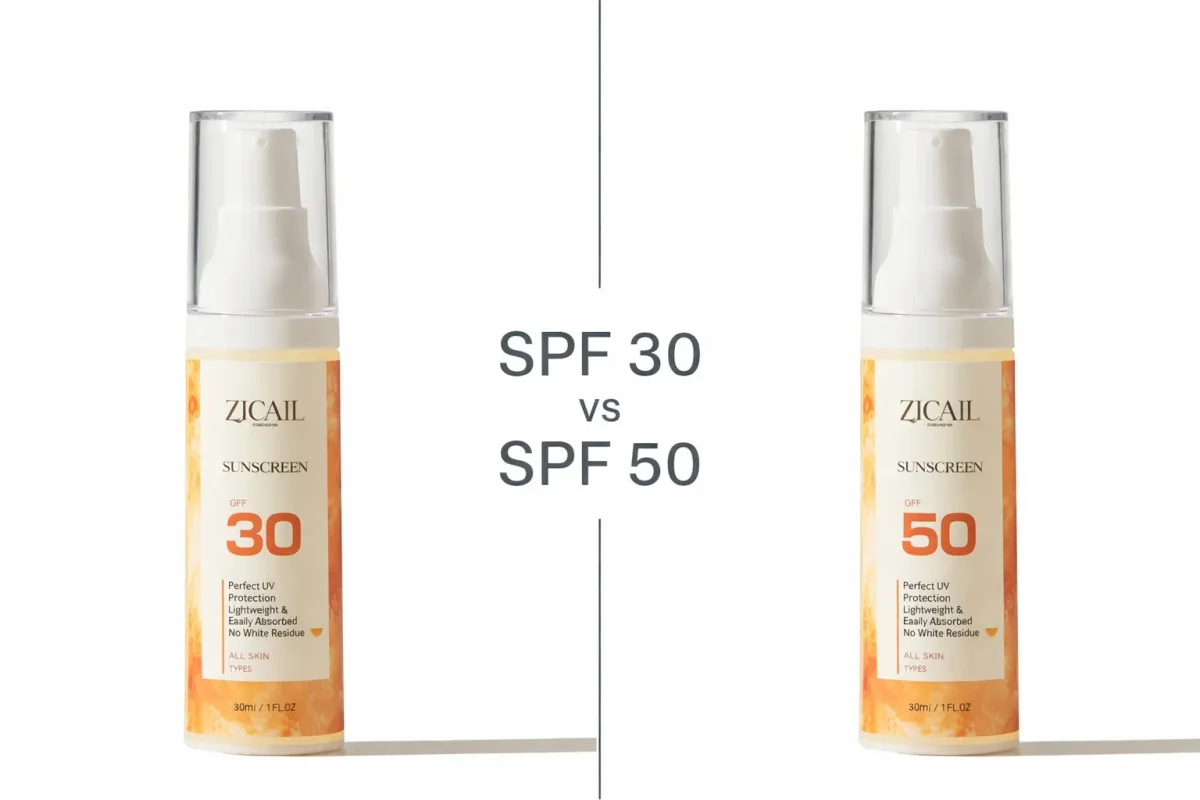
What Is the Difference Between SPF 30 and SPF 50?
You’re probably wondering if that SPF 50 sunscreen is really worth the extra few bucks over SPF 30, especially when you see them side-by-side on the shelf. It's a common question, and the answer involves a closer look at exactly what those numbers mean for your skin’s protection against the sun's harmful rays.
In our research, we've found that while the difference in percentage might seem small, it can be significant for certain skin types and situations, particularly concerning UVB protection. Understanding this nuance is key to choosing the right sun care.
Quick Answer
SPF 50 blocks about 98% of UVB rays, while SPF 30 blocks about 97%. This means SPF 50 offers a slightly higher level of protection against sunburn. The difference is marginal, but can matter for easily burning skin.
What Does SPF Actually Mean?
SPF stands for Sun Protection Factor, and it's a number that tells you how well a sunscreen protects your skin from UVB rays. These are the primary culprits behind sunburn. Think of it as a multiplier for how long your skin can be exposed to the sun before starting to burn, compared to not wearing any protection at all.
For instance, if your skin typically starts to burn after 10 minutes, an SPF 30 sunscreen theoretically allows up to 300 minutes of exposure before burning (10 minutes x 30).
However, this is a simplified model. Real-world application, factors like sweating, swimming, and uneven coverage mean you should always reapply more frequently than the theoretical SPF number suggests. It’s also important to remember that SPF specifically measures protection against UVB rays; you also need protection against UVA rays.
SPF 30 vs. SPF 50: The Core Difference in Protection
When we look at the numbers, the distinction between SPF 30 and SPF 50 boils down to a small, but potentially significant, difference in their ability to filter out the sun's UVB radiation. This is the type of radiation most responsible for causing sunburn.
How Much UVB Do They Block?
Manufacturer specifications and testing standards confirm these figures. An SPF 30 sunscreen is formulated to block approximately 97% of all incoming UVB rays. On the other hand, SPF 50 sunscreens are designed to block around 98% of UVB rays.
This 1% difference might not sound like much, but it can translate to a noticeable increase in protection for some individuals.
What About UVA Rays?
It’s crucial to understand that SPF numbers only address UVB protection. To ensure comprehensive sun defense, you need a "Broad Spectrum" sunscreen. This label indicates that the product also protects against UVA rays.
UVA rays penetrate deeper into the skin and are linked to premature aging, wrinkles, and an increased risk of skin cancer. As of 2026, most reputable sunscreens are broad spectrum, but always check the label to be sure you’re covered against both types of harmful UV radiation.
When Does That Extra 1% of Protection Matter?
That seemingly small 1% difference in UVB blockage between SPF 30 and SPF 50 can be the deciding factor in certain scenarios. It’s not just about the number; it’s about who you are and what you’re doing under the sun.
For Easily Burning Skin
If your skin is fair, freckled, or tends to turn red and blister easily, that extra 1% from SPF 50 offers a more robust shield. For individuals prone to sunburn, even a minor increase in protection can mean the difference between a pleasant day outdoors and a painful, damaged complexion. If you find yourself getting sunburnt even with moderate sun exposure, upgrading to SPF 50 is a sensible step.
This aligns with advice from dermatologists who recommend higher SPFs for those with lower natural protection.
During Peak Sun Hours
The sun's rays are strongest between 10 AM and 4 PM. During these hours, the intensity of both UVA and UVB radiation is at its highest. While reapplying sunscreen diligently is always key, starting with a higher SPF like 50 can provide a more substantial buffer against damage during these intense periods.
This can be particularly beneficial if you're caught outdoors during these times without shade.
For Extended Outdoor Activities
Planning a long day at the beach, a hiking trip, or a marathon outdoor sporting event? When you’re going to be exposed to direct sunlight for several hours, the cumulative effect of UV radiation increases. Opting for SPF 50 gives you a greater margin of error, offering a bit more reassurance that you’re staying protected, especially if reapplication might be delayed or challenging.
It's a good practice to pair high SPF with protective clothing and seeking shade whenever possible.
For Children's Delicate Skin
Children’s skin is significantly more sensitive than adult skin, making them more vulnerable to sun damage. Their skin has less melanin, the pigment that helps protect against UV rays. Therefore, pediatricians and dermatologists generally recommend using a broad-spectrum sunscreen with an SPF of 30 or higher, and many advise opting for SPF 50 for the added layer of protection.
This is especially important for infants and toddlers, whose skin requires the utmost care against sun exposure.
The Biggest Sunscreen Mistake: What Not to Do
Many people make a critical error when it comes to sunscreen application, thinking that a higher SPF number grants them a license for prolonged, unprotected sun exposure. This misconception can lead to serious skin damage, even when using what seems like adequate protection.
Why SPF Isn't an Excuse for Longer Exposure
It's vital to understand that even the highest SPF sunscreens don't block 100% of UV rays. An SPF 30 blocks about 97%, and SPF 50 blocks about 98%. This means that 2, 3% of harmful UVB rays are still reaching your skin.
If you assume your SPF 50 sunscreen allows you to stay out all day without reapplying, you’re likely to get a sunburn. The SPF number indicates how long it takes for UVB rays to redden your skin while wearing the sunscreen properly applied. It is not a measure of how long you can remain in the sun without reapplying.
The Crucial Role of Reapplication
Here's the real game-changer in sun protection: reapplication. Sunscreens break down over time due to sweat, water, and friction from clothing or towels. Regardless of whether you use SPF 30 or SPF 50, you must reapply it generously and frequently, typically every two hours.
If you've been swimming or sweating heavily, you should reapply even more often, even if the sunscreen is labeled as water-resistant.

Manufacturer specifications for water-resistant sunscreens usually indicate effectiveness for 40 or 80 minutes of water exposure. After that period, a fresh application is necessary to maintain protection. This consistent reapplication is more critical for preventing sunburn and long-term skin damage than the specific SPF number on the bottle.
Expert Tips for Choosing and Using Sunscreen
Making the right choice about sunscreen involves more than just glancing at the SPF number. Our research indicates that a combination of understanding your needs and applying sunscreen correctly will offer the best protection.
SPF 30 vs. SPF 50: Which is Right for You?
If you have fair skin that burns very easily or you’re planning a full day of intense outdoor activity, SPF 50 is generally recommended. It offers that extra buffer against UVB rays. For individuals with skin that tolerates sun exposure a bit better, or for shorter periods outdoors, SPF 30 is often sufficient, provided it's applied generously and reapplied often.
Consider your personal history with sunburns and your skin type when making this decision.
Beyond the SPF Number: What Else to Look For
Always choose a sunscreen labeled "Broad Spectrum." This ensures protection against both UVB (burning) and UVA (aging and deeper damage) rays. Look for sunscreens with physical blockers like zinc oxide or titanium dioxide if you have sensitive skin, as they are less likely to cause irritation. Ingredient lists can offer clues about the sunscreen's formulation and suitability for your skin.
For instance, if you're prone to acne, you might look for "non-comedogenic" formulas. If your skin tends to be dry, a moisturizing sunscreen could be beneficial, helping to keep your skin hydrated.
How Can I Make My Skin Feel Smoother?
Achieving smoother skin often involves a combination of hydration and gentle exfoliation. Keeping your skin well-moisturized is key, as dry, parched skin can feel rough and appear dull. Products formulated to replenish moisture barriers can significantly improve skin texture, making it feel softer to the touch.
Additionally, removing dead skin cells can reveal the fresher, smoother skin underneath.
Exfoliation, whether chemical or physical, sloughs away the dry, flaky outer layer. However, it's important to approach this carefully, especially if you have sensitive skin. Over-exfoliation can lead to irritation and redness, counteracting the desired effect.
Finding a gentle exfoliator and using it consistently, rather than aggressively, is usually the most effective strategy for long-term smoothness.
What Is the Best Serum for Dry Skin?
For dry skin, the best serums are typically those packed with hydrating ingredients that can draw moisture into the skin and lock it there. Hyaluronic acid is a standout ingredient, known for its ability to hold a large amount of water, providing plumpness and hydration. Ceramides are also excellent, as they help to repair the skin's natural barrier, reducing moisture loss.
Look for serums that are formulated to be rich and emollient without feeling greasy. Ingredients like glycerin, squalane, and certain plant-derived oils can also be very beneficial. A serum that targets both hydration and barrier repair will offer the most profound improvement in skin texture and comfort for those struggling with dryness.
How Often Should I Use a Face Serum?
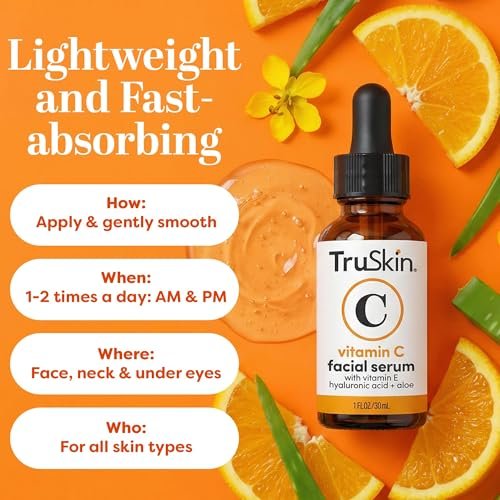
The frequency of face serum application generally depends on the type of serum and your skin's tolerance. For most hydrating or brightening serums, using them once or twice daily, typically after cleansing and before moisturizing, is appropriate. Serums containing active ingredients like retinoids or strong exfoliants may require a more gradual introduction.
Starting with using these potent serums only a few times a week, and gradually increasing to daily use as your skin adjusts, is a common recommendation. It's always wise to pay attention to how your skin responds. If you notice any redness, peeling, or irritation, reduce the frequency of use.
Consistent, appropriate application is more beneficial than aggressive, infrequent use.
What Is the Difference Between Chemical and Physical Exfoliation?
The core difference between chemical and physical exfoliation lies in their mechanism for removing dead skin cells. Physical exfoliants, like scrubs with small beads or brushes, work by manually sloughing away dead skin cells from the skin's surface through friction. They offer immediate results in terms of smoothness.
Chemical exfoliants, on the other hand, use acids like AHAs (alpha-hydroxy acids) or BHAs (beta-hydroxy acids) to dissolve the bonds that hold dead skin cells together. This allows them to loosen and shed more easily. Chemical exfoliants can penetrate deeper into the skin, potentially offering more benefits for concerns like acne and texture, but they require careful use to avoid irritation.