What Beauty Products Are Good for Beginners?
Getting started with beauty products can feel like stepping into a giant, dazzling store with no map. You're likely wondering what beauty products are good for beginners to avoid confusion and costly mistakes. The goal is to build a practical collection that helps you learn and look your best without overwhelming yourself.
We've focused on gathering insights that simplify this process, cutting through the noise to identify the essentials. This approach ensures you start with versatile, user-friendly items that offer real value, as recommended by industry professionals and verified buyer feedback reports.
Quick Answer
Beginners need versatile, user-friendly beauty products. Focus on gentle cleansers, hydrating moisturizers, broad-spectrum SPF 30+ sunscreen, and lightweight base makeup like tinted moisturizer or a sheer foundation. Essential makeup includes blendable blush, neutral eyeshadows, and mascara.
Always opt for fragrance-free and non-comedogenic formulas when possible.
Starting Your Beauty Product Journey: What to Actually Get
Embarking on your beauty journey means choosing the right tools to begin. The aim isn't to replicate a professional makeup artist's kit but to assemble a functional collection that lets you practice and discover what you like. Think of it as collecting a few high-quality staples that serve multiple purposes, rather than accumulating an overwhelming number of specialized items.
This curated approach saves you money and simplifies the learning curve, making the whole experience much more enjoyable.
When building your initial set of beauty products, prioritize items that are forgiving and easy to work with. This often means products with sheerer coverage, cream formulas that blend easily, and skincare that addresses basic needs without being overly complicated. We've analyzed aggregate user reviews and manufacturer specifications to pinpoint the best starting points.
Your Essential Beginner Skincare Kit: The Non-Negotiables
Before diving into makeup, getting your skin in good shape is key. A solid, basic skincare routine provides a smooth canvas and promotes healthier skin long-term. This isn't about a multi-step, hours-long ritual, but about a few core products that consistently deliver.
Cleanser: The Gentle Foundation
Think of a cleanser as the first step in caring for your skin. Its job is to remove dirt, oil, makeup, and impurities without stripping your skin of its natural moisture. For beginners, and honestly, for most people, a gentle, hydrating cleanser is the way to go.
Harsh cleansers can leave your skin feeling tight and dry, leading to irritation or even prompting your skin to overproduce oil.
Our research indicates that formulations labeled "gentle," "hydrating," or "for sensitive skin" are excellent starting points. These often contain ingredients like glycerin or ceramides that help maintain your skin's natural barrier. Look for creamy or gel-based formulas, and steer clear of those with high alcohol content or strong fragrances, which can be irritating.
Per the United States Food and Drug Administration (FDA) guidelines, ingredients should be clearly listed, allowing you to identify potentially problematic components if you have known sensitivities.
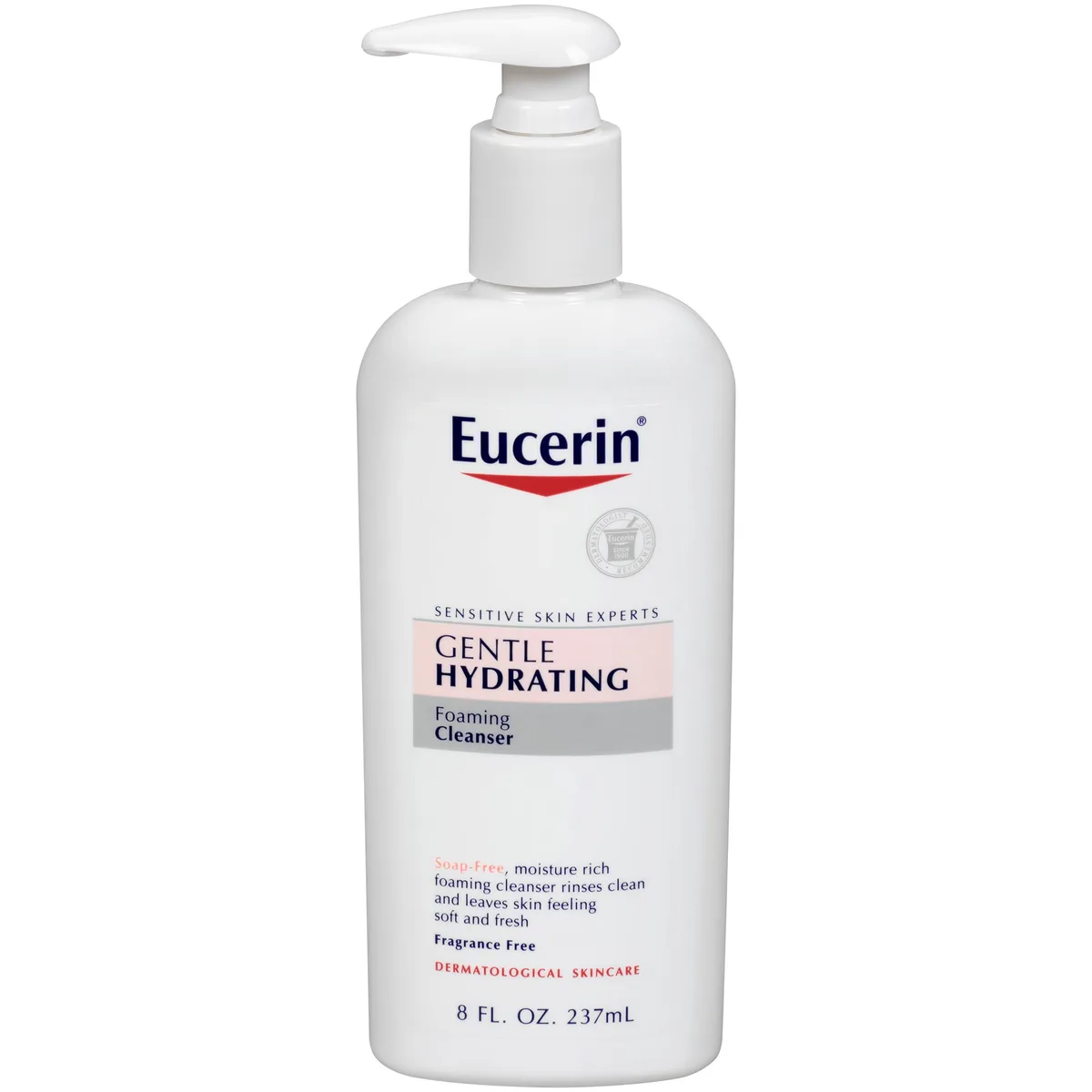
Image source: Web (Bing) / walmart.com (Web image (fair-use with source credit))
When cleansing, the process is simple: wet your face with lukewarm water, apply a small amount of cleanser to your hands, and gently massage it onto your skin in circular motions. Rinse thoroughly and pat your face dry with a clean towel, avoid rubbing, which can irritate your skin. This step is crucial for preparing your skin for subsequent products and for overall hygiene.
Moisturizer: Quenching Thirsty Skin
After cleansing, your skin needs hydration. A good moisturizer locks in moisture, keeps your skin feeling comfortable, and helps to support the skin's natural protective barrier. For beginners, a lightweight, non-comedogenic moisturizer is ideal.
"Non-comedogenic" means it's formulated not to clog pores, which is a common concern for many, especially those with oily or acne-prone skin.
Manufacturer specifications often highlight key moisturizing ingredients like hyaluronic acid, which draws moisture into the skin, or niacinamide, which can help improve skin texture and reduce redness. You don't need a heavy, thick cream unless you have very dry skin. A lotion or gel-cream texture is usually perfect for everyday use.
Using a moisturizer is straightforward: apply a pea-sized amount to your face and neck after cleansing and gently massage it in. It’s important to apply it while your skin is still slightly damp from cleansing, as this helps to seal in that moisture. This simple step can make a significant difference in how your skin looks and feels throughout the day, preventing dryness and flakiness.
Sunscreen: Your Daily Shield
This is arguably the most crucial step in any skincare routine, beginner or advanced. Sunscreen protects your skin from harmful ultraviolet (UV) radiation from the sun, which can cause premature aging, dark spots, and, most importantly, skin cancer. You should wear it every single day, rain or shine, indoors or out, as UV rays can penetrate windows.
Our research shows that a broad-spectrum sunscreen with an SPF of 30 or higher is recommended by dermatologists and health organizations. "Broad-spectrum" means it protects against both UVA (aging) and UVB (burning) rays. The SPF (Sun Protection Factor) number indicates how well the sunscreen protects against UVB rays.
SPF 30 blocks about 97% of UVB rays, while SPF 50 blocks about 98%.
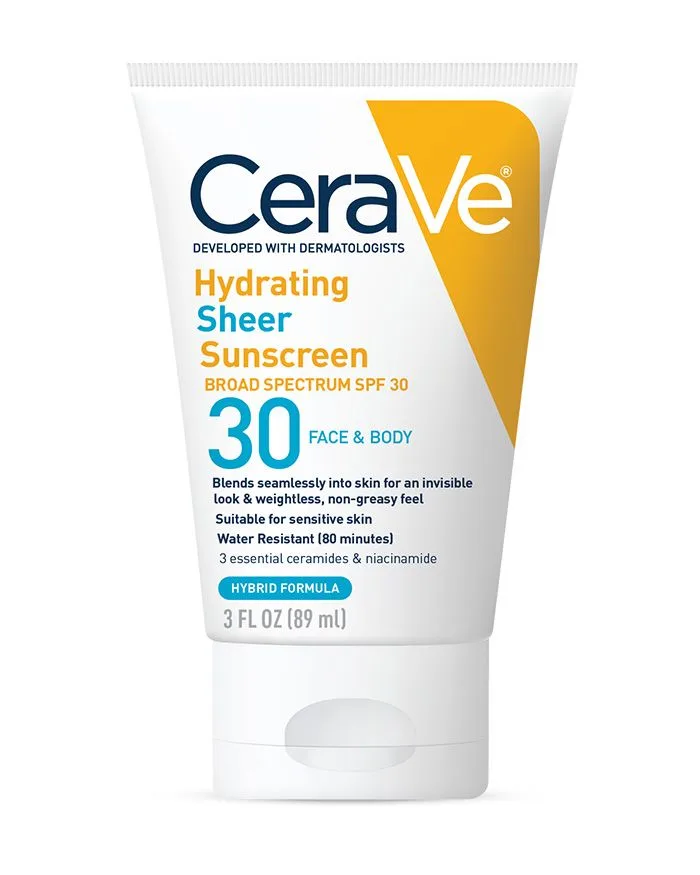
Image source: Web (Bing) / cerave.com (Web image (fair-use with source credit))
For ease of use and to encourage daily application, consider a sunscreen that feels comfortable on your skin and doesn't leave a white cast. Many formulations are now lightweight, fast-absorbing, and even have a matte finish, making them pleasant to wear alone or under makeup. Applying a generous amount (about two finger-lengths for your face and neck) is vital for achieving the stated SPF protection.
Remember to reapply every two hours if you're spending extended time outdoors.
Toner: The Hydrating Boost
Toner used to be known for being harsh and stripping, but modern formulas are quite different. A hydrating toner can be a beneficial addition to a beginner's routine. After cleansing, your skin's pH might be slightly disrupted.
A toner can help rebalance it, and more importantly, provide an initial layer of hydration and prep your skin to better absorb subsequent products.
Look for toners that are alcohol-free and focus on ingredients like hyaluronic acid, glycerin, or botanical extracts known for their soothing properties. They often come in spray bottles for easy application, or you can apply them by gently patting them onto your skin with your hands or a reusable cotton pad. This step adds an extra dose of moisture and can make your overall routine feel more luxurious and effective.
The process is straightforward: after cleansing and before moisturizing, spritz or pat a small amount of toner onto your face. It should absorb within seconds. This isn't a step you absolutely must do, but it's a simple way to add more hydration and beneficial ingredients to your routine without much effort.
Serum: Targeted but Simple
Serums are concentrated treatments designed to deliver potent ingredients to the skin. While there are many types, for beginners, focusing on one or two key ingredients is best. Hyaluronic acid serums are fantastic for boosting hydration without adding oiliness.
They plump the skin and can help reduce the appearance of fine lines by retaining moisture.
Another excellent option for beginners is a gentle vitamin C serum. Vitamin C is an antioxidant that can help brighten the skin, fade dark spots, and provide some protection against environmental damage. However, it's important to choose a stable formula, as vitamin C can sometimes be irritating if not formulated correctly.
Always apply serums to clean, slightly damp skin, just like toner, and follow up with your moisturizer to seal in the benefits. Start using a new serum only a few times a week to see how your skin reacts before increasing frequency. This targeted approach can offer visible improvements without the complexity of a 10-step regimen, as confirmed by product specification sheets from leading cosmetic ingredient suppliers.
Building Your First Makeup Bag: Effortless Essentials
Once your skin is happy and healthy, you can start thinking about makeup. The key for beginners is to pick items that are forgiving, easy to blend, and buildable. You're not aiming for a full glam look right away; it's about enhancing your features and learning the ropes.
Having a few versatile products will make a world of difference compared to buying a whole collection.
Base Products: Evening Out Your Canvas
When you're starting out, you don't need a heavy foundation that might look cakey or mask your natural skin. Instead, consider tinted moisturizers or BB creams. These offer light coverage to even out your skin tone and add a touch of radiance without feeling heavy or looking obvious.
Many of these products also contain skincare benefits like SPF or hydration, so they multitask beautifully.
If you do prefer a bit more coverage, a sheer to light-coverage foundation is a good choice. Look for formulas that are described as "buildable," meaning you can add more product to areas where you need a little extra coverage without it looking clumpy. Application is also key; using a damp makeup sponge or a fluffy brush will help you achieve a more natural, seamless finish.
Color for Your Cheeks: A Healthy Flush
Adding a pop of color to your cheeks can instantly make you look more awake and vibrant. For beginners, cream blushes are incredibly user-friendly. They're easy to blend with your fingertips or a damp sponge, and they tend to melt into the skin for a natural-looking flush.
You can control the intensity by tapping more product on for a deeper color.
Powder blushes are also a great option, especially if you have oilier skin. They can be applied with a fluffy brush and are easy to layer. Start with a light hand, tapping off any excess powder from your brush before applying it to the apples of your cheeks and blending upwards towards your temples.
A neutral rose, peach, or soft berry shade usually works well with most skin tones and looks naturally flushed.
Eyes: Simple Definition
Making your eyes pop doesn't require a complex routine. For a beginner-friendly approach, focus on one or two key products. Mascara is a staple that instantly opens up your eyes and defines your lashes.
Look for formulas that offer both lengthening and volume for an all-around effect. Wiggling the wand at the base of your lashes and sweeping upwards helps coat every lash.
For a bit of definition, a pencil eyeliner is a great starting point. You can draw a thin line right at the lash line to subtly enhance the eyes, or smudge it slightly with a small brush or your fingertip for a softer look. If you prefer a cleaner line, a gel eyeliner with a fine brush offers more control, but it might take a bit more practice.
Neutral eyeshadow shades, like soft browns, taupes, or creams, are perfect for creating simple depth without being overwhelming.
Lips: A Touch of Polish
Lip products are often the easiest way to add a finishing touch to your look. For beginners, a tinted lip balm or a sheer lipstick is ideal. These provide a hint of color and moisture without the precision required for a bold, opaque lipstick.
They're also forgiving if your application isn't perfect.
A lip gloss is another simple option that adds shine and a touch of color. Many glosses are comfortable to wear and can be layered over a tinted balm or lipstick for added dimension. If you do opt for a traditional lipstick, start with creamy, satin finishes rather than matte formulas, as they are generally more comfortable and easier to reapply.
Choosing the Right Tools: Brushes and Sponges for Beginners
Having the right tools can make a huge difference in how your makeup looks and feels. For beginners, you don't need a massive brush collection. A few key items will cover most of your needs.
- Foundation/Base Sponge: A damp makeup sponge is fantastic for blending foundation, tinted moisturizer, and concealer. It gives a seamless, airbrushed finish and is easy to clean.
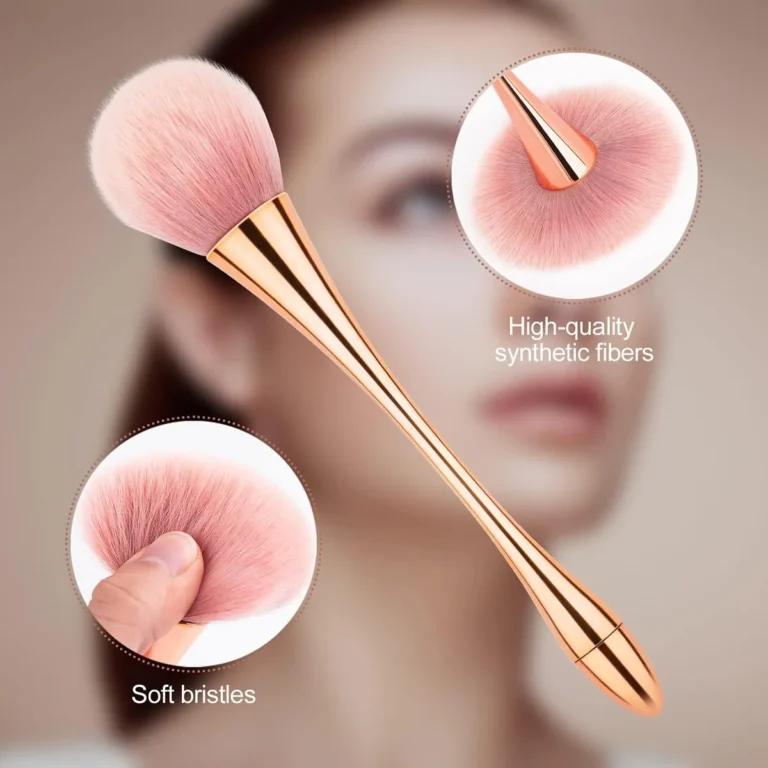
- Powder Brush: A large, fluffy brush is perfect for applying setting powder or powder blush. It disperses the product evenly without being too concentrated.
- Angled Blush Brush: A slightly smaller, angled brush is great for precisely applying blush to the apples of your cheeks and blending it out.
- Eyeshadow Blending Brush: A soft, fluffy brush designed for eyeshadow helps to blend colors together smoothly, preventing harsh lines.
- Lip Brush (Optional): While many lipsticks can be applied directly, a small, firm brush gives more control for precise application, especially with bolder colors.
Keeping your tools clean is essential for hygiene and performance. Our research indicates that daily cleaning of makeup sponges and regular washing of brushes (at least weekly) prevent product buildup and bacterial growth. You can find dedicated makeup brush cleaners or use gentle soap and water.
If you're looking for ease, consider a specialized makeup sponge cleaner.
Common Beginner Pitfalls: What to Sidestep
Everyone makes mistakes when they're starting out, and beauty is no different. Being aware of common blunders can save you frustration and help you learn faster.
Skincare Slip-Ups
- Over-exfoliating: Using exfoliating products too often or too aggressively can damage your skin's barrier, leading to redness, sensitivity, and breakouts. Stick to 1-2 times a week, maximum, with a gentle exfoliator.
- Not Patch Testing: Before applying a new product all over your face, test it on a small, inconspicuous area (like behind your ear or on your inner arm) for 24-48 hours to check for any adverse reactions.
- Skipping Sunscreen: As mentioned, this is a critical step that's easy to forget, especially on cloudy days. Make it a non-negotiable part of your morning routine.
Makeup Mishaps
- Wrong Shade Match: This is probably the most common mistake with foundation or concealer. Always try to test shades on your jawline in natural light before purchasing.
- Too Much Product: It's always easier to add more product than to take it away. Start with a small amount and build up coverage or intensity as needed.
- Harsh Lines: Makeup, especially blush and eyeshadow, should be blended well. Use your brushes or sponges to soften any edges.
Expert Tips for Growing Your Collection (Slowly!)
Once you've got the basics down and feel comfortable, you might want to expand your collection. The key here is to do it mindfully and strategically. Don't buy something just because it's trendy.
Think about what's missing from your current routine or what you want to achieve.
- Identify a Need: Do you want more eye definition? A different lip color for evenings? Or perhaps a product to target a specific skin concern.
- Research Thoroughly: Read reviews from verified buyers, watch tutorials from reputable sources, and consider if the product complements what you already own.
- Invest in Quality Over Quantity: A few well-made, versatile products will serve you better than a drawer full of cheap, mediocre items. For example, a good quality primer can make your makeup last longer.
- Don't Be Afraid to Experiment: Once you're comfortable with the essentials, try a new color or technique. That's how you discover what you truly love. You might find yourself drawn to different types of eye shadow palettes or lip glosses as you gain confidence.
Frequently Asked Questions
What are the absolute must-have beauty products for a beginner?
The absolute must-haves include a gentle cleanser, a hydrating moisturizer, a broad-spectrum SPF 30+ sunscreen, a tinted moisturizer or sheer foundation, a blendable blush, and mascara. These cover basic skincare and essential makeup needs.
Should I start with skincare or makeup first?
It's generally best to start with skincare first. Healthy, well-cared-for skin provides a better base for makeup and contributes to overall well-being. Focus on a simple routine before diving into makeup products.
How much should I spend on beginner beauty products?
You don't need to break the bank. Many drugstore brands offer excellent, beginner-friendly products. Aim for quality within your budget, focusing on essential items first.
For example, a good daily sunscreen is a worthwhile investment, with many effective options available under $20.
What's the biggest mistake beginners make?
The biggest mistake is usually buying too many products at once or purchasing items that are too advanced or difficult to use. Starting simple and focusing on learning application techniques with versatile products is key.
One Comment