Does Massage Help Reduce Muscle Soreness?: What Works Best
Yes, massage can reduce muscle soreness, especially delayed-onset soreness, but relief is often modest and temporary.
Understanding does massage help reduce muscle soreness requires looking at what causes soreness, what massage can change, and what it cannot do. Research suggests that massage may ease pain, improve comfort, and support short-term recovery after hard exercise. It is not a magic fix, but it can be a useful part of a wider recovery plan.

What Causes Muscle Soreness?
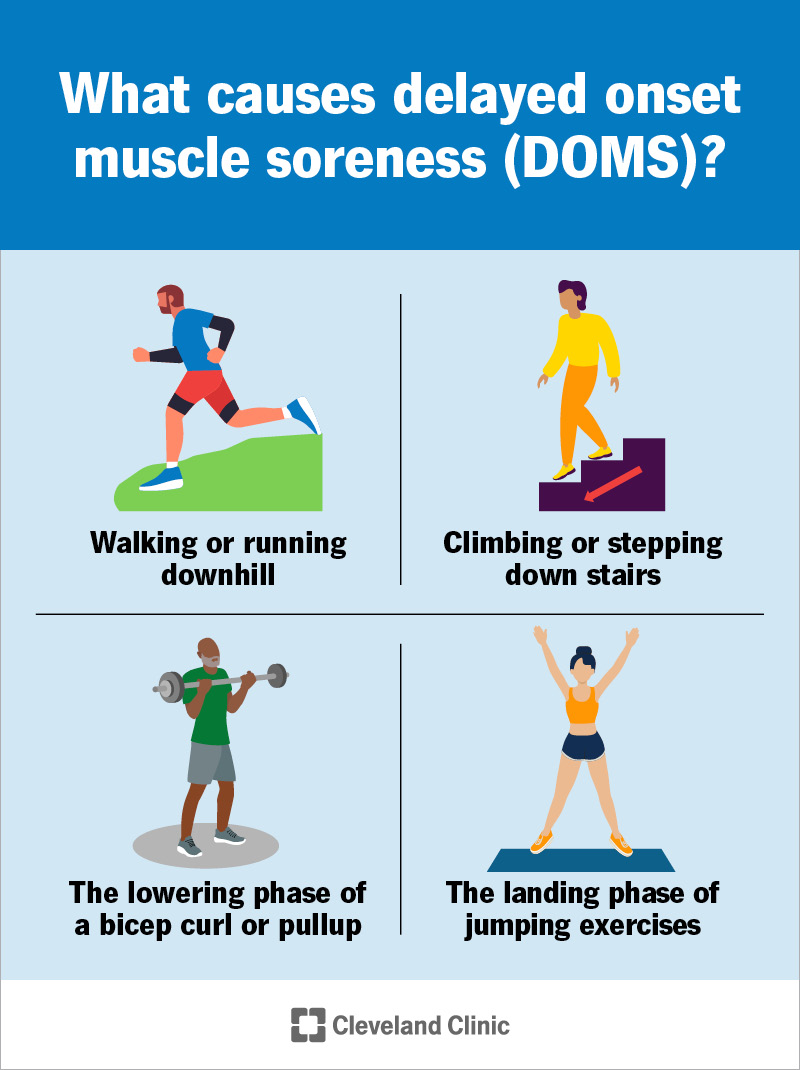
Muscle soreness often appears after a new, hard, or long workout. You may feel fine right after exercise, then wake up sore the next day. This is called delayed-onset muscle soreness, or DOMS.
DOMS often starts 12 to 24 hours after exercise. It may peak between 24 and 72 hours. The soreness can last for several days.
Common causes include:
• Trying a new workout or sport
• Increasing weight, speed, or distance too fast
• Doing many lowering movements, such as walking downhill or lowering a weight
• Training muscles that have not worked hard in a while
• Performing more sets or repetitions than usual
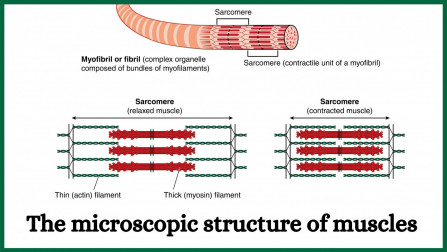
During demanding exercise, muscle fibers face small amounts of stress. The body then starts a repair process. This process can cause tenderness, stiffness, and a temporary drop in strength.
The soreness is not caused by lactic acid sitting in your muscles. Lactate clears from the blood within about an hour after exercise. DOMS is linked more closely to muscle stress, inflammation, and changes in pain sensitivity.
Does Massage Help Reduce Muscle Soreness?
Yes, massage can help reduce muscle soreness for some people. Studies suggest that massage after exercise may lower perceived pain and improve short-term comfort. The effect is usually small to moderate, and it may not remove soreness completely.
A review of research on post-exercise massage found that massage may reduce DOMS and improve flexibility. Other research suggests that massage can also support a small improvement in muscle function after hard exercise.
The most likely benefits include:
• Less muscle tenderness
• A greater feeling of relaxation
• Better short-term range of motion
• Reduced muscle stiffness
• Improved comfort during light movement
Massage may help by calming the nervous system and changing how the brain reads pain signals. It may also increase local blood flow and reduce the feeling of tightness. Think of it as turning down the volume on discomfort, rather than repairing the muscle instantly.
The timing may matter. A massage within a few hours after exercise or during the first one to two days of soreness may offer the most noticeable comfort. Still, research does not show that massage speeds every part of muscle recovery.

How Massage May Reduce Muscle Soreness
Massage affects sore muscles in several possible ways. These effects are related to the nervous system, soft tissue, blood flow, and relaxation.
It may change pain signals
Touch and pressure stimulate nerves in the skin and muscle. These signals can compete with pain signals as they travel to the brain. This may make soreness feel less intense for a while.
This effect helps explain why rubbing a bumped elbow can make it feel better. The same basic idea may apply to sore legs after a workout.
It may reduce the feeling of stiffness
Sore muscles often feel tight because movement hurts. Massage can make the area feel looser and more comfortable. It may also improve short-term flexibility.
This does not mean massage lengthens a muscle in a permanent way. The change may come from improved comfort and a lower sense of threat during movement.
It may support relaxation
Hard training can place stress on both the body and mind. A calm massage may lower tension and help you feel ready to move again. Better relaxation can also support sleep, which is a key part of muscle repair.
It may improve local circulation
Massage creates pressure and movement in the soft tissues. This may affect local blood flow. Better circulation can support the delivery of oxygen and nutrients, although claims that massage “flushes out toxins” are too simple and not well supported.
What Does the Research Say?
Research on massage and muscle soreness is promising but not perfect. Many studies include small groups, different massage methods, and different exercise tests. This makes it hard to identify one ideal technique or session length.
A large review published in 2018 found that massage may improve flexibility and reduce DOMS after exercise. The review also found that massage did not consistently improve athletic performance. In other words, you may feel better without being fully recovered.
Research published in sports medicine journals has also found that massage can offer modest relief from muscle soreness. The strongest pattern is short-term pain relief, not a dramatic increase in strength or speed.
Important limits include:
• Many studies use trained athletes rather than everyday exercisers
• Massage pressure and duration vary widely
• Some studies compare massage with rest, while others compare it with stretching
• Pain is personal and can be difficult to measure
• Placebo and relaxation effects may influence how people rate soreness
The clearest answer to does massage help reduce muscle soreness is yes, often to a limited degree. It works best as one recovery tool, not as a replacement for sleep, food, hydration, and sensible training.
Which Type of Massage Works Best?
There is no single best massage for every sore muscle. The right choice depends on the level of soreness, the body area, and your comfort.
Sports massage
Sports massage uses techniques aimed at active people. It may include firm strokes, compression, and work around areas that feel tight. It can be useful after demanding training, but deep pressure is not always better.
Swedish massage
Swedish massage uses lighter to moderate pressure. It may help with relaxation, general stiffness, and mild post-workout discomfort. This is often a good choice if you are new to massage.
Myofascial techniques
These techniques focus on the connective tissue around muscles. They may help some people feel less restricted. Results can vary, and firm pressure should never cause sharp pain.
Self-massage
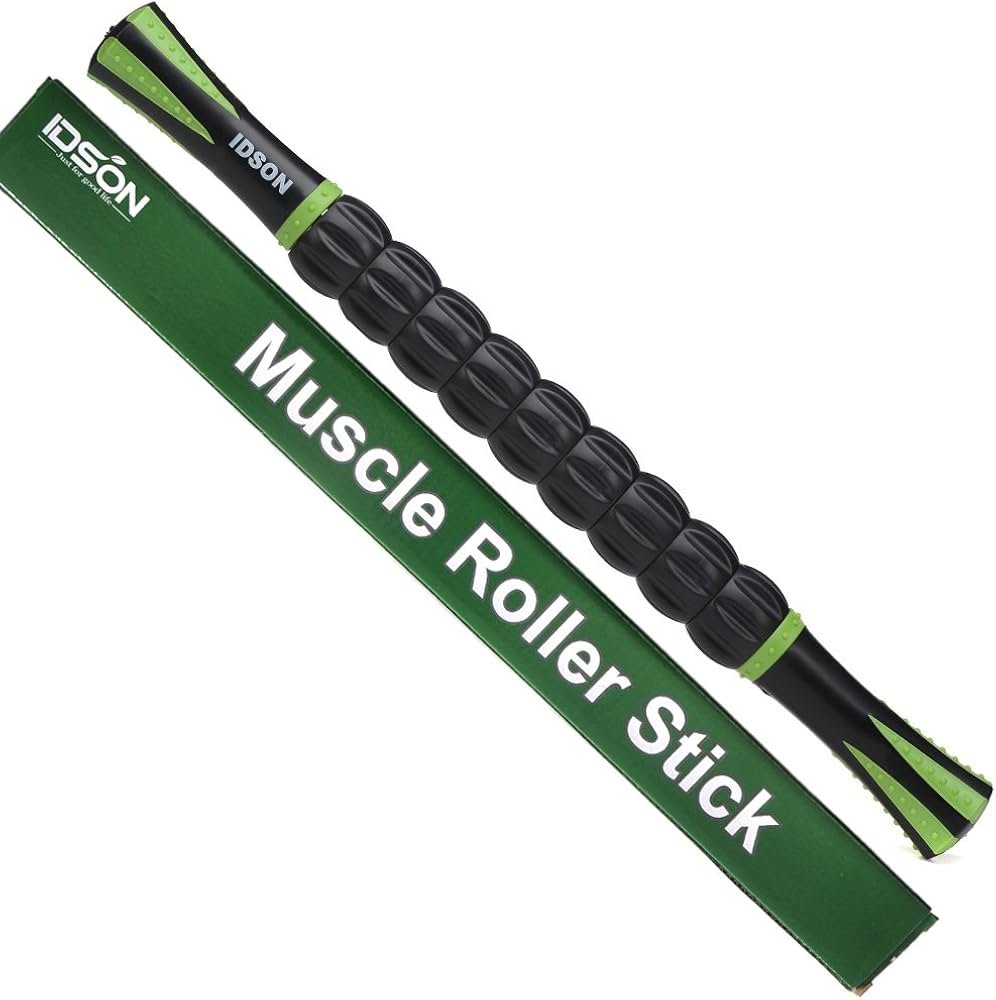
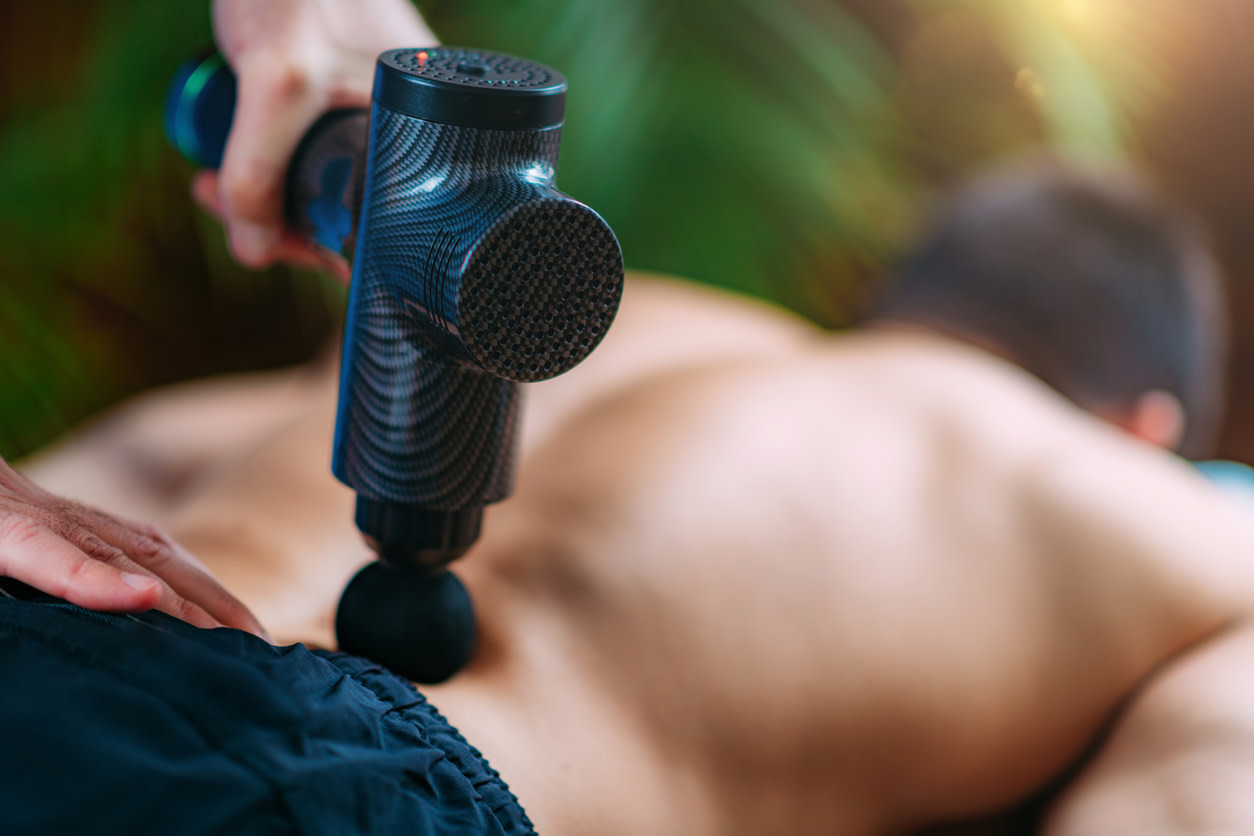
A foam roller, massage ball, or your hands can provide a low-cost option. Self-massage may improve short-term range of motion and reduce the feeling of tightness.
Use slow movements and moderate pressure. Spend about 30 to 90 seconds on a muscle area, then reassess how it feels.

How to Massage Sore Muscles Safely
Massage should feel helpful, not punishing. A sore muscle may need gentle care, especially during the first day after a hard workout.
Follow these steps:
-
Wait until your breathing and heart rate return to normal.
-
Start with light pressure for one to two minutes.
-
Move slowly over the muscle, rather than pressing hard on one spot.
-
Stop if you feel sharp pain, numbness, tingling, or burning.
-
Drink water as you normally would, but do not force large amounts.
-
Finish with gentle movement, such as an easy walk.
Avoid aggressive deep-tissue work on a very tender area. Heavy pressure may increase pain or cause bruising. This is one of the most common mistakes people make when asking does massage help reduce muscle soreness.
Do not massage directly over an injury, open wound, rash, swollen joint, varicose vein, or area with unusual warmth. If you take blood thinners or have a condition that affects blood clotting, ask a health professional before receiving firm massage.
Massage Versus Other Recovery Methods
Massage is only one option for managing muscle soreness. Combining it with simple recovery habits may work better than relying on massage alone.
Gentle movement
Easy walking, cycling, or mobility work may reduce stiffness. Keep the effort light enough that you can speak in full sentences.
Sleep
Most adults need at least seven hours of sleep each night. Sleep supports hormonal balance, tissue repair, mood, and athletic performance.
Protein and balanced meals
Protein provides amino acids needed for muscle repair. Include foods such as eggs, yogurt, fish, beans, lean meat, tofu, or nuts as part of regular meals.
Hydration
Drink according to thirst and activity. Water is usually enough for ordinary workouts. Longer or very sweaty sessions may call for drinks that contain electrolytes.
Heat
A warm shower or heating pad may relax tight muscles. Avoid heat on a new injury that is swollen or hot.
Cold
Cold may numb pain for a short time. It can make an area feel better, but it does not appear to be essential for normal DOMS recovery.
Rest from hard training
You do not need complete bed rest. However, avoid training the same sore muscles hard until strength and movement improve.

When Should You Get a Massage?
The best time depends on your goal. A light massage after exercise may help you relax and reduce the feeling of tightness. A massage during the next day or two may provide comfort while DOMS is strongest.
Before a workout, use light massage only. A long, deep massage before intense exercise may leave the muscles tender or relaxed in a way that affects performance.
After a workout, a gentle session may be more suitable. If you book a professional massage, explain what exercise you did, where you hurt, and how much pressure feels comfortable.
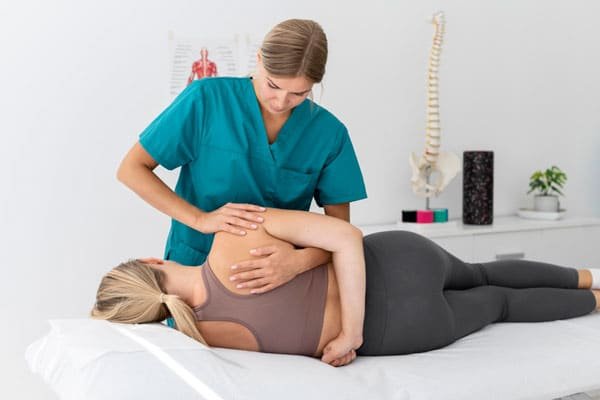
A trained massage therapist can adjust the session for your needs. Tell the therapist about past injuries, medications, pregnancy, and health conditions before treatment begins.
When Muscle Soreness May Signal a Problem
Normal DOMS usually affects the muscles you trained. It often feels dull, tender, tight, or stiff. The discomfort should slowly improve over several days.
Seek medical advice if you notice:
• Severe or worsening pain
• Sudden pain during exercise
• Major swelling
• Loss of movement or strength
• Numbness or weakness
• Dark, tea-colored urine
• Fever or feeling very unwell
• Pain that lasts more than about a week
Dark urine, severe muscle pain, and unusual weakness can be warning signs of rhabdomyolysis, a rare but serious condition involving muscle breakdown. This needs urgent medical care.
Massage is not appropriate for every type of pain. It may help ordinary exercise soreness, but it should not delay an assessment for a strain, tear, fracture, infection, or other medical problem.
A Practical Plan for Using Massage
If you want to test whether massage helps reduce muscle soreness, use a simple plan. Try not to change five recovery habits at once, or you will not know what helped.
After a hard workout:
• Cool down with five to ten minutes of easy movement
• Eat a balanced meal with protein and carbohydrates
• Sleep as well as you can that night
• Use gentle self-massage if the muscles feel tight
• Avoid painful pressure
• Repeat light massage the next day if it feels helpful
Track your soreness from zero to ten. Also note your movement, sleep, and training load. This gives you a clearer picture than judging your recovery from one massage session.
In everyday practice, the most useful lesson is simple: massage should make movement feel easier, not prove how much pain you can tolerate. People often press too hard because they think pain means the treatment is working. It does not.
Frequently Asked Questions About Does Massage Help Reduce Muscle Soreness?
Does massage help reduce muscle soreness the next day?
Yes, massage may reduce the feeling of soreness the next day, especially when DOMS is mild or moderate. Relief is usually temporary and may not mean the muscles are fully repaired.
How long should I massage sore muscles?
A light self-massage session of five to ten minutes is often enough. Focus on comfort, and stop if pressure causes sharp pain, bruising, numbness, or increased soreness.
Is deep tissue massage good for DOMS?
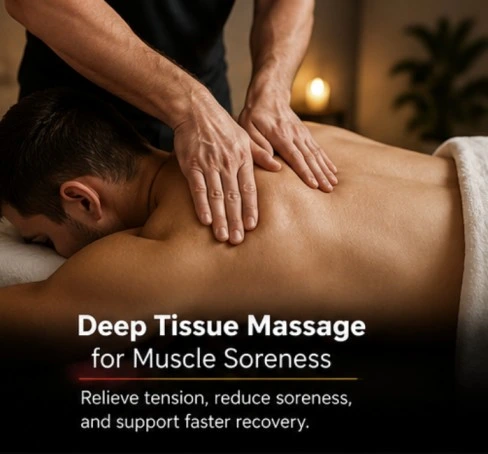
Deep tissue massage may help some people, but it is not always better for DOMS. Very firm pressure on highly tender muscles can increase pain, so start gently and communicate with the therapist.
Should I massage a pulled muscle?
Avoid massaging a suspected pulled muscle during the early stage, especially if there is sudden pain, swelling, bruising, or weakness. Get medical guidance before treating a possible strain.
Can massage speed up muscle recovery?
Massage may improve comfort, flexibility, and perceived recovery. Evidence that it greatly speeds muscle repair or restores athletic performance is limited.
Is foam rolling as good as massage?
Foam rolling may reduce short-term soreness and improve range of motion. It can be a useful, affordable option, but it may not feel as relaxing or precise as professional massage.
Can I work out when my muscles are sore?
Light movement is usually fine when soreness is mild and your form is normal. Avoid hard training for the same muscles if pain changes your movement or causes weakness.
Conclusion
Massage can help reduce muscle soreness, mainly by easing pain, stiffness, and tension for a short time. Research supports modest benefits, but massage does not replace sleep, good nutrition, hydration, gradual training, or medical care when symptoms seem unusual.
Use gentle pressure, listen to your body, and treat massage as one part of a balanced recovery plan. Try a short session after your next demanding workout, track how you feel, and choose the methods that help you move better. Share your experience or explore more evidence-based recovery guides to build a routine that works for you.