How To Use A Foot Massager For Plantar Fasciitis: Relief Tips
A foot massager can ease plantar fasciitis pain by improving blood flow and relaxing tight tissue.
If you have ever taken those first painful steps out of bed, you already know how stubborn plantar fasciitis can be. I have seen how the right foot massager routine can make a real difference when it is used the right way, with the right pressure, and at the right time. In this guide, I will walk you through how to use a foot massager for plantar fasciitis in a way that is practical, safe, and actually helpful for daily relief.
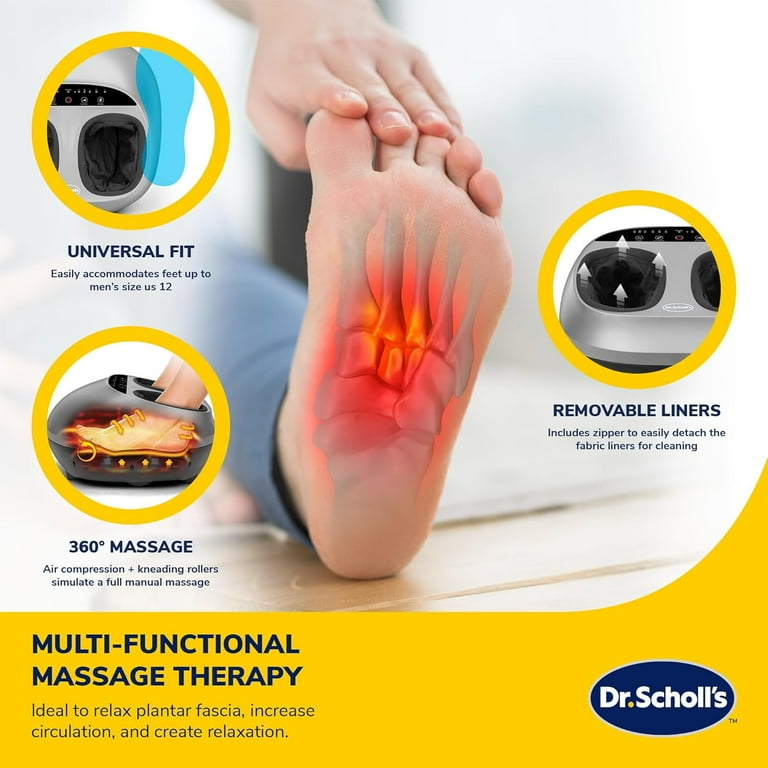
What plantar fasciitis is and why a foot massager can help
Plantar fasciitis happens when the plantar fascia, the thick band of tissue along the bottom of your foot, gets irritated or overloaded. That tissue supports your arch, so when it becomes inflamed or strained, heel pain can show up fast, especially after rest.
A foot massager helps in a few simple ways. It can loosen tight muscles in the foot, improve circulation, and reduce that stiff, “rusty hinge” feeling in the morning. It will not cure the condition on its own, but it can be a strong part of a home care routine when used with stretching, rest, and proper shoes.
From experience, the biggest mistake people make is going too hard too fast. Plantar fasciitis usually likes gentle, steady pressure more than aggressive digging. Think of it like warming clay, not smashing a knot.

How to use a foot massager for plantar fasciitis safely
Using a foot massager for plantar fasciitis is less about power and more about consistency. A few short sessions each day often work better than one long, intense session. The goal is to calm the tissue, not irritate it more.
Follow these steps:
-
Start with a clean, relaxed foot
Wash and dry your feet first. Sit in a comfortable chair so your foot can fully rest. -
Begin with low pressure
If your foot massager has settings, start low. Let your foot adjust before increasing intensity. -
Focus on the arch and heel area
Slowly move across the bottom of the foot, especially the arch and the heel. These are the areas that often feel tightest with plantar fasciitis. -
Use short sessions
Try 5 to 10 minutes at first. If it feels good and does not increase pain, you can gradually move up to 15 minutes. -
Stop if pain sharpens
Mild soreness may happen, but sharp pain is a warning sign. Back off if the massage feels too aggressive. -
Pair it with stretching
A foot massager works even better when combined with calf stretches and plantar fascia stretches. Tight calves can pull on the heel and make symptoms worse.
I always tell people to treat their feet like overworked coworkers. They do a lot all day, and they usually need recovery, not punishment.

Best types of foot massagers for plantar fasciitis
Not every foot massager works the same way. The best one for plantar fasciitis depends on what feels soothing to you and how sensitive your feet are.
Common options include:
-
Roller massagers
These use rolling nodes to press into the sole of the foot. They are simple and often good for gentle daily use. -
Shiatsu foot massagers
These use kneading nodes that mimic hand pressure. Many people like them for deeper relief, but they can feel intense if the pain is active. -
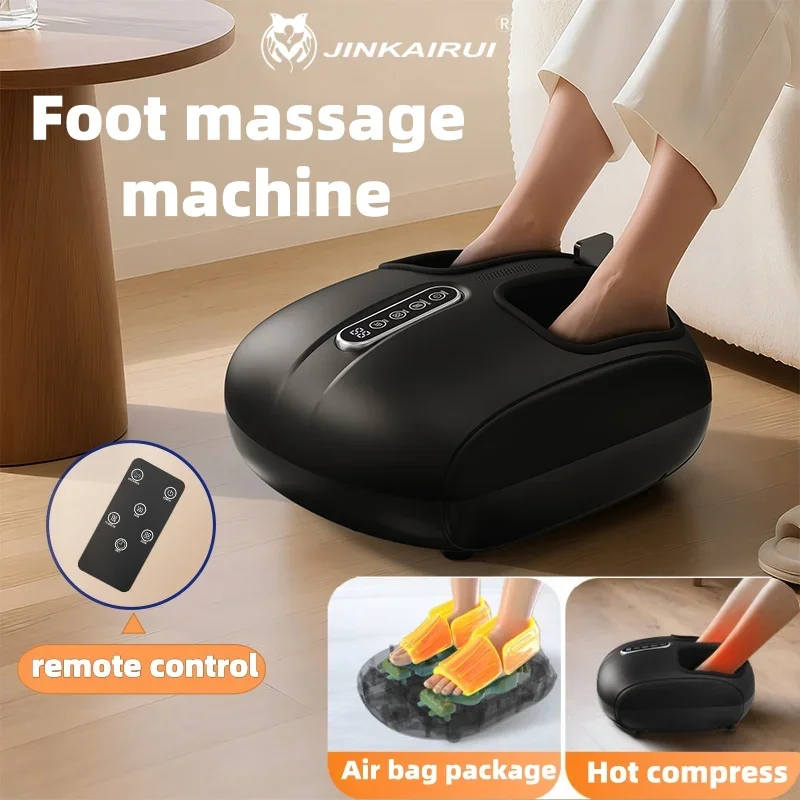
Compression foot massagers
These use air pressure to squeeze the foot. They are often comforting and less aggressive on sore tissue. -
Heated foot massagers
Warmth can help relax tight muscles and make massage feel more comfortable. Heat can be especially useful before stretching. -
Manual foot rollers or balls
These are budget-friendly and easy to control. A tennis ball, massage ball, or textured roller can work well for targeted pressure.
If you are new to using a foot massager for plantar fasciitis, choose something with adjustable intensity. That flexibility matters because pain levels can change from day to day.

When to use a foot massager for the best results
Timing matters more than people think. The best time to use a foot massager for plantar fasciitis is often after activity, after a warm shower, or before stretching.
Here is a simple routine that works well for many people:
-
Morning
Use gentle pressure for a few minutes after getting out of bed, especially if your heel pain is worst in the morning. -
After work or exercise
Massage the foot after long standing, walking, or training sessions. This can help calm the foot before stiffness sets in. -
Before stretching
A short massage can warm up the tissue and make stretches feel easier. -
Before bed
A relaxing session may help reduce nighttime tightness and improve comfort for the next day.
One lesson I learned early was that timing can change the whole experience. A massage that feels great after a warm shower may feel too intense on a cold, stiff foot first thing in the morning. Listen to your body.
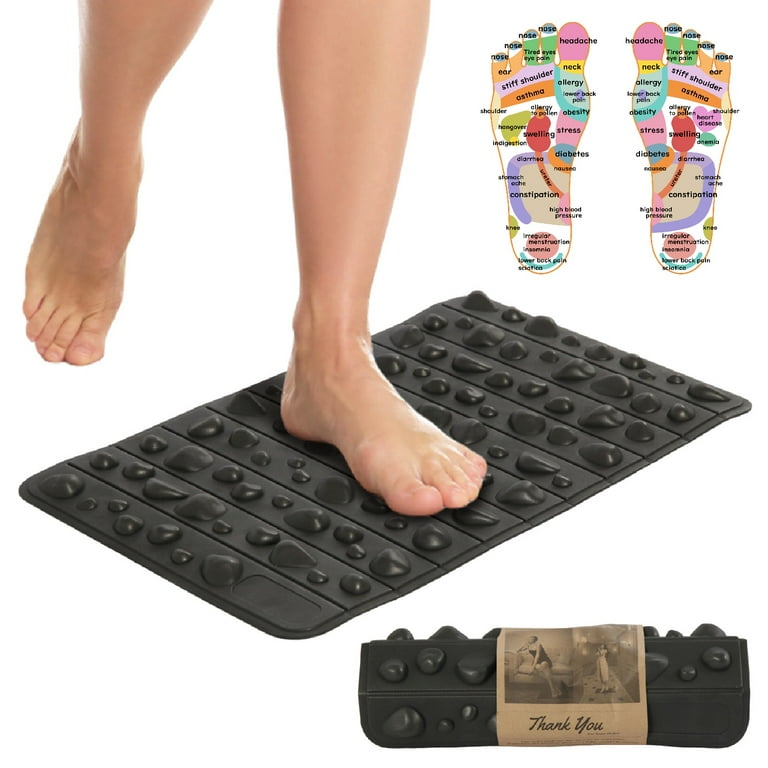
How long to use a foot massager for plantar fasciitis
More is not always better. For plantar fasciitis, short and controlled use usually works best.
A good starting plan is:
- 5 minutes per foot if you are very sensitive
- 10 minutes per foot for regular daily use
- Up to 15 minutes if the pressure is gentle and well tolerated
Try not to overuse it. Long sessions with hard pressure can irritate the plantar fascia and make pain worse. If your foot feels more sore later that day or the next morning, reduce the time or intensity.
A helpful rule is this: the massage should leave your foot feeling looser, not bruised. If it feels like a deep ache that lingers, scale back.

Tips to make a foot massager more effective
A foot massager works best as part of a full care routine. On its own, it may help symptoms, but it usually works better with a few smart habits.
Try these tips:
-
Wear supportive shoes
Flat, unsupportive shoes can undo the benefit of massage. Good arch support matters. -
Stretch your calves
Tight calves often contribute to plantar fasciitis. Gentle calf stretches can reduce strain on the heel. -
Use ice after flare-ups
If the foot is hot or irritated, ice can help calm the tissue after activity. -
Avoid sudden increases in activity
A fast jump in walking, running, or standing can bring pain back quickly. -
Check your gait and posture
Poor mechanics can keep the problem going. Insoles or physical therapy may help in some cases. -
Stay consistent
Small daily sessions usually beat occasional long ones.
When I have seen people get the best results, they are usually the ones who treat the massage as maintenance, not a rescue button. Think of it like brushing your teeth. The benefit comes from routine.

What to avoid when using a foot massager
Some people make plantar fasciitis worse because they use too much pressure or use the wrong technique. That can turn a helpful tool into a painful one.
Avoid these common mistakes:
- Using very high pressure right away
- Massaging on a swollen or very inflamed foot
- Continuing through sharp pain
- Using the massager for too long
- Ignoring calf tightness and only treating the foot
- Expecting immediate healing from massage alone
Also be careful if you have diabetes, neuropathy, poor circulation, or open skin wounds. In those cases, talk with a healthcare professional before using a foot massager.
The safest approach is gentle, steady, and responsive. Your foot should feel better afterward, not irritated.

Benefits of using a foot massager for plantar fasciitis
When used well, a foot massager can offer several real benefits for plantar fasciitis relief.
Here are the main ones:
-
Less stiffness
Massage can loosen the arch and heel area, especially after rest. -
Better blood flow
Improved circulation may help the tissue recover and feel less tight. -
Reduced muscle tension
Tight foot muscles often add to pain. Massage can help calm them. -
More comfort after standing or walking
A short session can ease fatigue after a long day. -
Better recovery routine
Massage can work nicely with stretching, shoes, and rest.
Research on plantar fasciitis care often supports a mix of conservative treatments rather than one single fix. That is why foot massage is best seen as one useful piece of a bigger plan.
When a foot massager is not enough
A foot massager can help, but it is not the answer for every case. If your pain is severe, lasting for months, or getting worse, you may need more than home care.
You should consider professional help if:
- The pain is sharp and constant
- You have swelling, redness, or numbness
- Your heel pain does not improve after several weeks
- You cannot walk normally
- Pain wakes you up at night
- You have a history of injury or a different foot condition
A doctor, podiatrist, or physical therapist can check whether the issue is truly plantar fasciitis or something else, like a stress fracture, nerve irritation, or heel spur-related pain. That matters because the treatment can differ.
Frequently Asked Questions
How often should I use a foot massager for plantar fasciitis?
Most people do well with one to two short sessions a day. Start with 5 to 10 minutes and see how your foot responds.
Is a foot massager good for plantar fasciitis pain in the morning?
Yes, but keep the pressure gentle. Morning pain usually comes from stiffness, so a light massage can help wake up the tissue without irritating it.
Can a foot massager make plantar fasciitis worse?
Yes, if the pressure is too hard or the sessions are too long. If your pain increases after using it, reduce the intensity or stop and reassess.
Should I use heat with a foot massager for plantar fasciitis?
Heat can help relax tight tissue before massage, especially if your foot feels stiff. Just avoid heat if the area is swollen or very irritated.
What is the best foot massager setting for plantar fasciitis?
The best setting is usually the lowest one that still feels useful. Gentle pressure is often more effective than deep, aggressive kneading for sore plantar fascia.
Can I use a foot massager if I also wear orthotics?
Yes, you can use both. Orthotics help support the foot during the day, while a foot massager can help with recovery and soreness after activity.
Conclusion
Using a foot massager for plantar fasciitis can be a simple and helpful way to ease heel pain, reduce stiffness, and support recovery. The key is to start gently, keep sessions short, and combine massage with stretching, support shoes, and smart daily habits.
If you use it with care, a foot massager can become one of those small tools that makes a big difference over time. Start slow, pay attention to how your foot feels, and build a routine that supports healing instead of chasing quick relief.
If this guide helped you, explore more foot care tips, share your experience in the comments, or subscribe for more practical health advice.