How Long Should A Massage Session Last: Best Timing Guide
Most massage sessions last 30 to 90 minutes, depending on your goals, health needs, and available time.
How long should a massage session last? The best answer depends on what your body needs, not just the clock. A short session may ease neck tension, while a longer treatment can give a therapist time to work through several areas with care. This guide explains common massage lengths, what happens during each session, and how to choose the right option with confidence.

How long should a massage session last?
For most adults, a massage session should last between 60 and 90 minutes. This gives the massage therapist enough time to discuss your needs, warm up the muscles, provide focused treatment, and let you rest afterward.
A 30-minute session can still be useful. It works well for one small area, such as the neck, shoulders, lower back, or calves. A 90-minute session may suit people with several areas of tension or those who want a slower, full-body experience.
Keep in mind that the time listed by a massage studio may include intake and changing time. For example, a “60-minute massage” may provide about 50 minutes of hands-on work. Always ask the provider what the appointment length includes.
As a simple guide:
• 30 minutes: Best for one problem area or a quick maintenance visit
• 45 minutes: Useful for two smaller areas or a light full-body massage
• 60 minutes: A balanced choice for a standard full-body session
• 75 minutes: Good for added focus on tight or painful areas
• 90 minutes: Best for full-body work, several problem areas, or a relaxed pace
• 120 minutes: Usually reserved for advanced treatment plans and experienced clients

What happens during a massage session?
The hands-on portion is only one part of the appointment. A professional massage session often includes a short health review, treatment planning, changing time, and a few minutes to get settled afterward.
At the start, your therapist may ask about:
• Current pain or stiffness
• Recent injuries or surgery
• Your medical history
• Medications and health conditions
• Pressure preference
• Areas you want treated or avoided
This short conversation matters. It helps the therapist choose safe techniques and avoid areas that may need medical care instead.
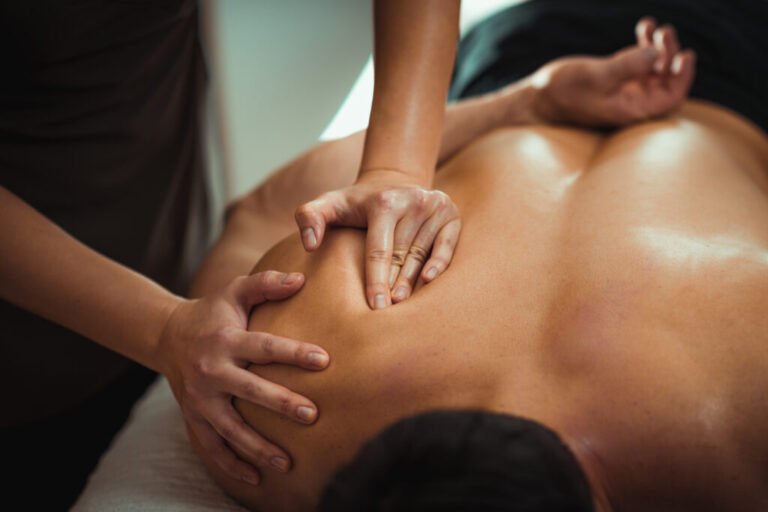
During the massage, you remain covered with a sheet or towel. Only the area being treated is uncovered. You should feel safe, respected, and able to speak up at any time.
A common mistake is to stay quiet when the pressure feels too strong. Good communication is part of effective massage therapy. Tell your therapist if the pressure is painful, the room feels cold, or you need a position change.
How long should a massage session last for a full-body massage?
A full-body massage usually needs at least 60 minutes. This allows the therapist to work on the back, legs, arms, shoulders, neck, and sometimes the feet without rushing.
A 60-minute massage is often enough for general relaxation and mild muscle tension. However, the therapist may spend more time on areas that feel tight and less time on areas that do not need much attention.
A 90-minute full-body massage gives you more room to address specific concerns. For example, a runner with tight calves, sore hips, and shoulder tension may benefit from the extra time.
A 120-minute session is not automatically better. Longer treatment can cause soreness if the pressure is too deep or if your body is not used to massage. More time should support a clear treatment goal, not simply add pressure.
For a first massage, 60 minutes is often a sensible starting point. It gives you enough time to experience the treatment without making the appointment feel too long.

How long should a massage session last for one painful area?
For one focused area, 30 minutes may be enough. This length can work well for mild neck tension, tight shoulders, wrist fatigue, or sore calves.
Focused massage does not mean the therapist should press hard for the entire appointment. Skilled treatment may include gentle warming, movement, stretching, and work on nearby muscles that affect the painful area.
For example, lower back discomfort may involve the hips, glutes, hamstrings, or abdominal muscles. Treating only the exact spot may miss part of the cause.
Choose 45 to 60 minutes when:
• The painful area is large
• The tension has lasted for weeks
• You have more than one related area
• You need time for assessment and movement checks
• You are receiving therapeutic or sports massage
Pain that is sudden, severe, spreading, or linked to numbness should be assessed by a health professional. Massage can support comfort, but it should not replace medical diagnosis.
How long should a massage session last for relaxation?
For simple relaxation, 60 minutes is a popular choice. It gives your nervous system time to settle and allows the therapist to use slow, steady strokes across the body.
A 90-minute relaxation massage may feel more complete. It can reduce the sense of being rushed and provide time for extra attention to the scalp, feet, hands, or face.
Some people prefer 30 minutes because they have limited time or find it hard to lie still. A shorter appointment can still feel calming when the environment is quiet and the therapist uses a gentle pace.
Relaxation also depends on more than duration. Room temperature, noise, music, lighting, therapist skill, and your comfort all affect the experience. A longer massage in a stressful setting may feel less helpful than a well-planned 45-minute session.

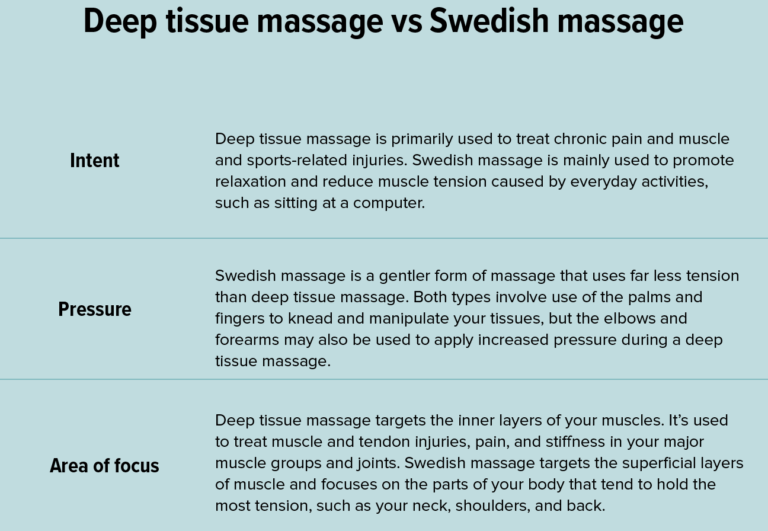
How long should a massage session last for deep tissue massage?
Deep tissue massage often works best in a 60- or 90-minute session. The therapist needs time to assess the muscles, warm the tissue, and apply focused pressure without rushing.
Deep tissue does not mean painful tissue work. Pressure should feel productive, not sharp, burning, or unbearable. Muscles may tighten when the pressure is too intense, which can make treatment less useful.
A first deep tissue session may be better at 60 minutes. This allows you to see how your body responds. If you feel well afterward, you and your therapist can adjust the length during future visits.
Avoid scheduling a very long deep tissue massage before demanding exercise, travel, or an important event. Mild soreness can occur after massage, especially when the treatment is new or intense.
How long should a massage session last for prenatal massage?
Prenatal massage commonly lasts 30 to 60 minutes, depending on the stage of pregnancy, comfort level, and medical history. Many pregnant clients prefer shorter sessions because lying in one position may become uncomfortable.
A trained prenatal massage therapist should use safe positioning, such as side-lying support with pillows. The therapist should also understand areas that require caution during pregnancy.
Before booking, ask:
• Does the therapist have prenatal massage training?
• What position will be used?
• Is medical clearance needed?
• Can the session be adjusted if discomfort occurs?
People with high-risk pregnancies or medical concerns should speak with their prenatal care provider first. Massage may be suitable for many people, but pregnancy care should always be personalized.
How long should a massage session last for athletes?
Athletes may choose different massage lengths based on training demands. A 30-minute session can target one area after activity, while a 60- or 90-minute session may support broader recovery work.
Before an event, sports massage is often shorter and lighter. The goal is to prepare the body without creating soreness. After intense activity, the therapist may use gentle techniques to support comfort and movement.
During regular training, longer sessions can address repeated tension in the calves, hips, hamstrings, back, and shoulders. The best plan depends on the sport, training load, injury history, and recovery habits.
Massage should complement, not replace, sleep, hydration, strength work, mobility training, and medical care. No massage schedule can correct poor training habits on its own.

What factors affect massage session length?
The answer to How long should a massage session last? changes from person to person. Several practical factors can shape the right appointment length.
Your main goal
Relaxation may need 60 minutes, while a small area may need only 30. Pain management may require more time for assessment and careful work.
The number of body areas
One tight shoulder takes less time than tight shoulders, hips, calves, and lower back. Tell your therapist your top priority so the session has a clear focus.
Your first visit
First appointments often need extra time for health questions and treatment planning. A 60-minute booking may feel shorter when part of the visit includes consultation.
Your tolerance
Some people enjoy long sessions. Others become restless, tired, or sore. Your comfort is a key part of choosing massage duration.
Your budget
A 30-minute massage may be easier to afford and can maintain progress between longer sessions. Consistent care often matters more than booking the longest appointment every time.
Your health history
Certain conditions may require shorter sessions, lighter pressure, medical clearance, or a different form of care. Be open about your health before treatment begins.
Is a longer massage always better?
A longer massage is not always more effective. Massage works best when the duration, pressure, technique, and treatment goal fit your body.
Think of massage like a workout. More exercise is not always better if your body needs rest. In the same way, a two-hour massage may leave you sore when a focused 45-minute session would have been enough.
Long sessions can be helpful when:
• You want full-body treatment at a relaxed pace
• Several areas need attention
• You enjoy longer periods of rest
• Your therapist recommends added time for a clear reason
Shorter sessions may be better when:
• You are new to massage
• You have a low pain tolerance
• You have limited energy
• You need only one area treated
• You are recovering from illness or injury
One lesson many massage therapists emphasize is to avoid chasing soreness. Feeling sore does not prove that a massage worked. Comfortable movement and improved relaxation are more useful signs.
How often should you get a massage?
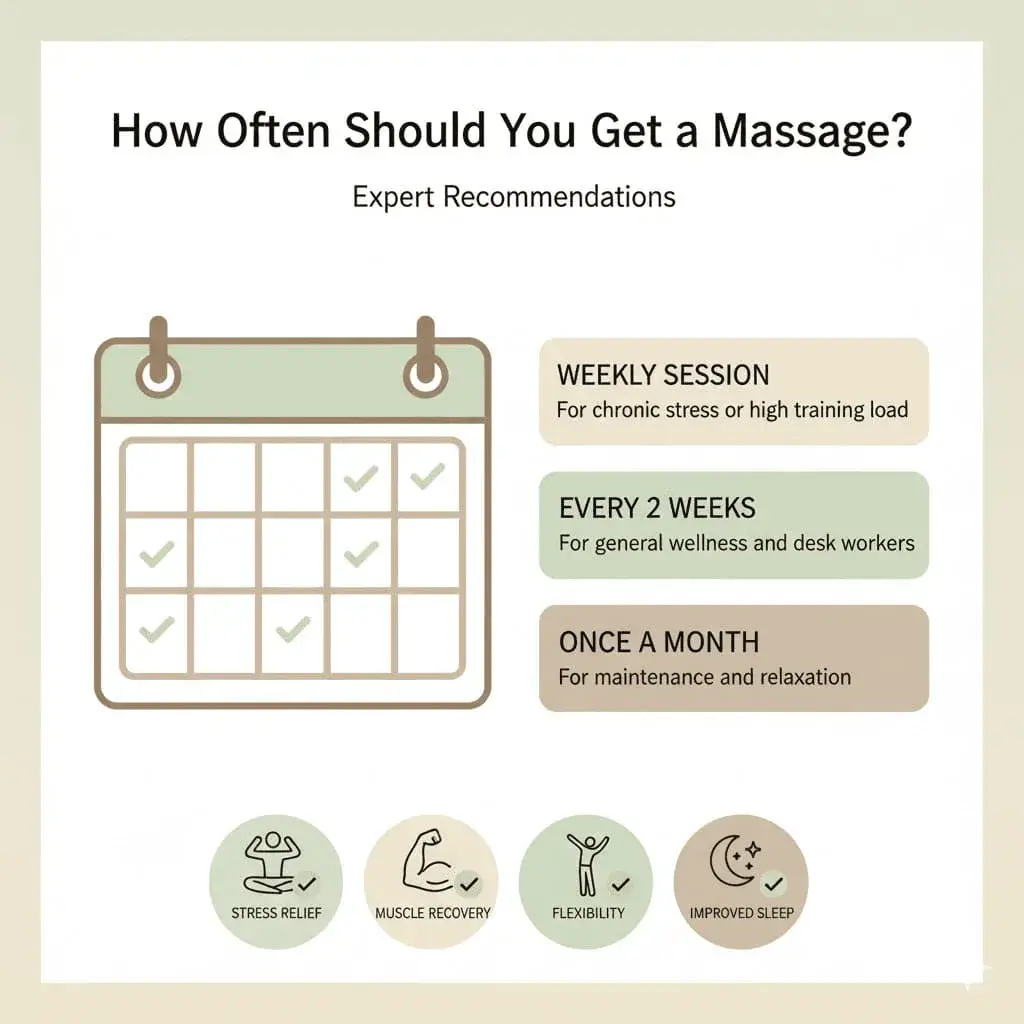
Massage frequency depends on your needs, goals, and response. Some people book a massage once a month for general relaxation. Others receive care weekly for a short period while working on a specific problem.
A general schedule may look like this:
• Occasional relaxation: Once every four to eight weeks
• High work stress: Every two to four weeks
• Athletic training: Based on the training cycle and recovery needs
• Ongoing pain: Follow a plan made with a qualified health professional
• Short-term muscle tension: One or several sessions, then reassess
There is no universal schedule. If you feel worse after every visit, the pressure, technique, or frequency may need to change.
Track how you feel before and after each appointment. Note pain, movement, sleep, energy, and soreness. This simple record can help you and your therapist choose a better plan.
Massage safety and when to postpone treatment
Massage is generally safe when performed by a trained professional, but it is not right for every situation. Postpone massage and seek medical advice for unexplained severe pain, fever, open wounds, contagious skin problems, or a suspected fracture.
Tell your therapist if you have:
• A blood clot or clotting disorder
• Uncontrolled high blood pressure
• Recent surgery
• Cancer treatment
• Osteoporosis
• Nerve problems
• Pregnancy
• A major infection
Some medications may also affect massage safety. Blood thinners, for example, can increase bruising risk. Your health care provider can give advice based on your condition.
Stop the session if you feel dizzy, short of breath, unusually weak, or unwell. A reputable therapist will never pressure you to continue.
How to choose the right massage length
If you are unsure how long should a massage session last, start with your goal and the number of areas you want treated. Then consider your experience level, health, budget, and schedule.
Use this simple process:
-
Choose your main goal, such as relaxation, pain relief, or athletic recovery.
-
List the body areas you want addressed.
-
Start with 30 minutes for one small area or 60 minutes for a general full-body session.
-
Ask whether the appointment time includes consultation and changing.
-
Tell the therapist about health conditions, injuries, and pressure preferences.
-
Review how your body feels over the next 24 to 48 hours.
For a first visit, avoid booking a very long and intense session just because it seems like better value. A well-paced appointment gives you clearer feedback and makes future treatment easier to plan.
Frequently Asked Questions About How Long Should a Massage Session Last?
Is 30 minutes enough for a massage?
Yes, a 30-minute massage can work well for one focused area, such as the neck, shoulders, or lower back. It may not provide enough time for a detailed full-body massage.
Is a 60-minute massage enough?
A 60-minute massage is enough for many people seeking full-body relaxation or general muscle relief. The therapist may need to divide time among several areas, so share your priorities before treatment starts.
Is a 90-minute massage worth it?
A 90-minute massage can be worthwhile when you have several tight areas or want a slower, less rushed session. It is not automatically better if your body responds well to shorter treatment.
How long should a massage session last for beginners?
Beginners often do well with 30 to 60 minutes, especially when trying massage for the first time. A moderate session makes it easier to learn your pressure and comfort preferences.
Can a massage session be too long?
Yes, a session can be too long if it causes fatigue, skin irritation, or significant soreness. Longer treatment should have a clear purpose and should be adjusted to your health and experience.
How long should a massage session last for chronic pain?
People with chronic pain may need 30 to 60 minutes at first, followed by a personalized plan. Massage should support, not replace, evaluation and treatment from a qualified health professional.
Should I choose a longer massage for deep tissue work?
A 60- or 90-minute appointment may give the therapist enough time for careful deep tissue work. However, pressure should stay within your comfort level, and a longer session should not mean constant intense pressure.
[CodeImg? No after FAQ per instruction. Don't.]
Conclusion
So, how long should a massage session last? Choose 30 minutes for one small area, 60 minutes for a standard full-body massage, and 90 minutes when you need more time for several areas or a slower pace.
The right massage length should match your goal, health, comfort, and budget. Start with a realistic appointment, communicate clearly, and judge success by better comfort and movement rather than soreness.
Book your next session with a clear goal, then ask your massage therapist to help refine the plan. Share your experience or questions in the comments, and explore more trusted massage and wellness guides for your next step.