Can Massage Help With Stress And Anxiety: Benefits And Tips
Yes, massage can ease stress and anxiety by calming the nervous system, relaxing muscles, and supporting better sleep.
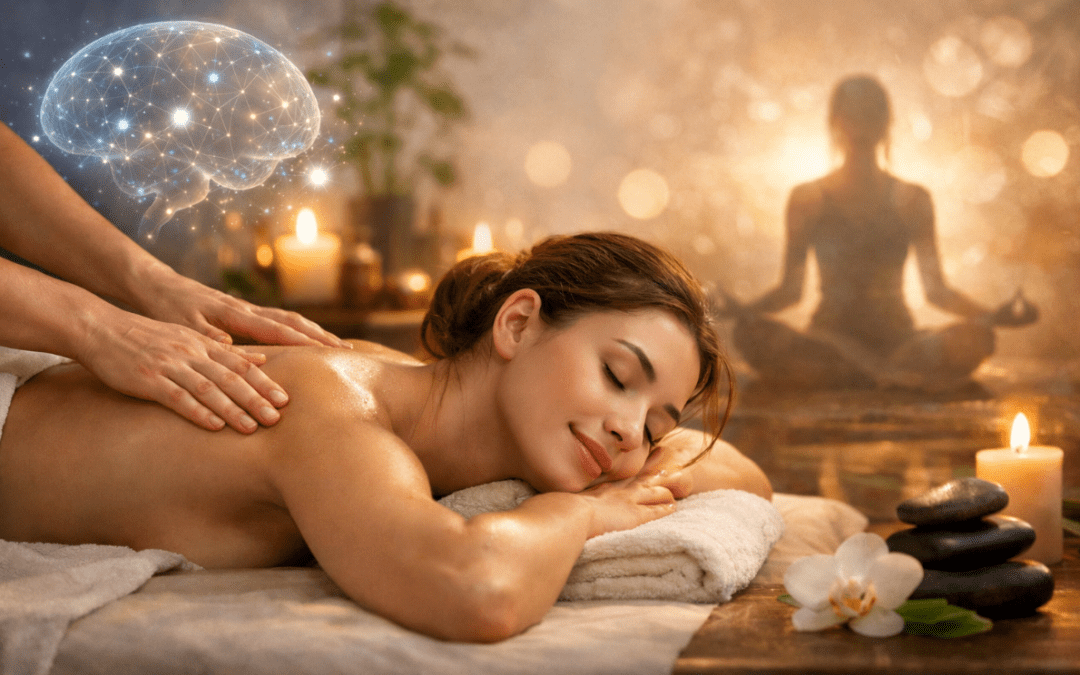
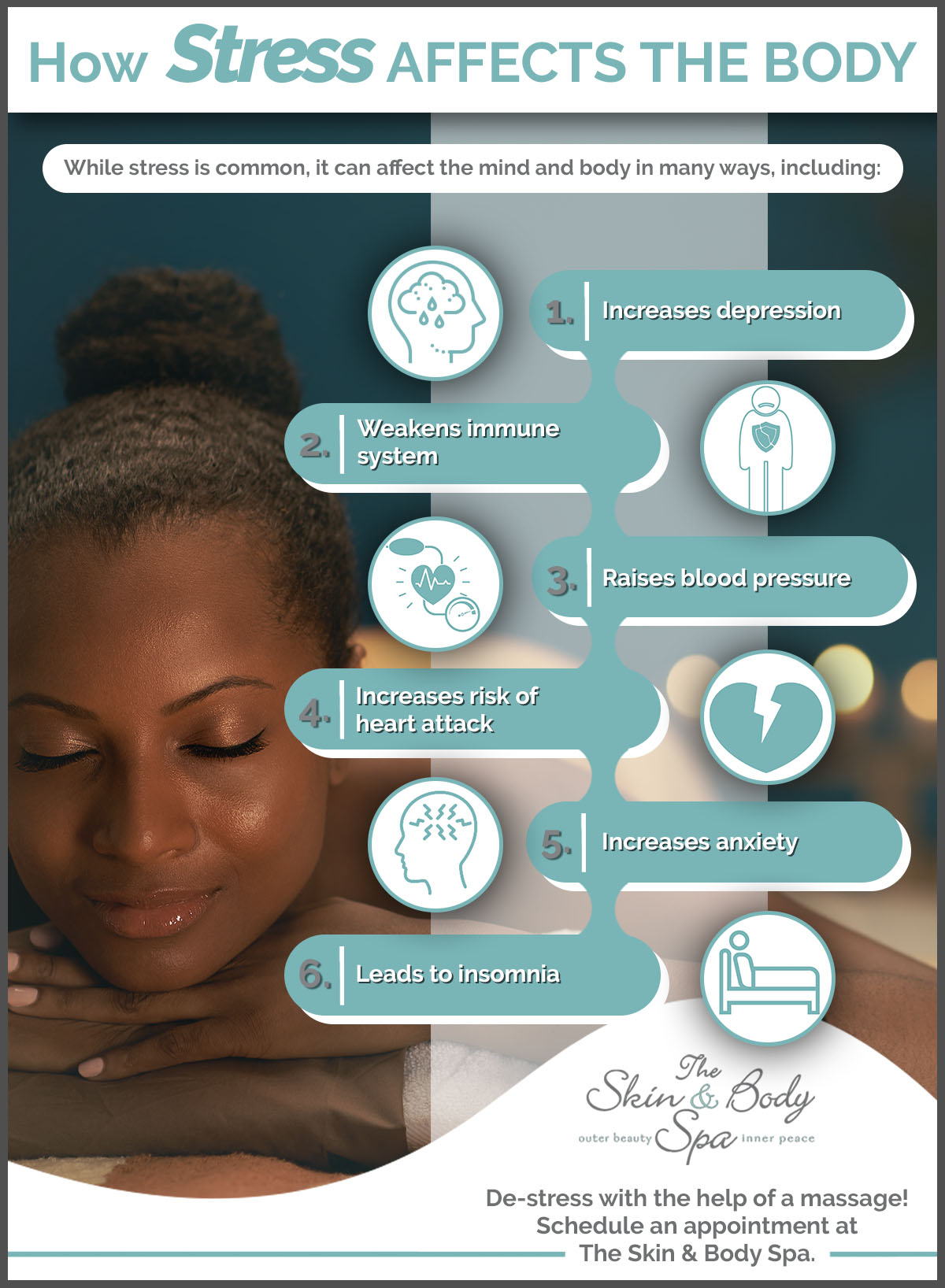
Stress can make your body feel tight, restless, and always on alert. Anxiety can add racing thoughts, shallow breaths, and trouble switching off. Massage may help break this cycle by combining safe touch, slow breathing, quiet time, and muscle release.
As a wellness writer who has explored many hands-on care methods, I have seen one clear lesson: massage works best as part of a wider stress plan, not as a stand-alone cure. This guide explains how massage may help with stress and anxiety, what the research shows, which types may work best, and how to use massage safely.
How massage may help with stress and anxiety
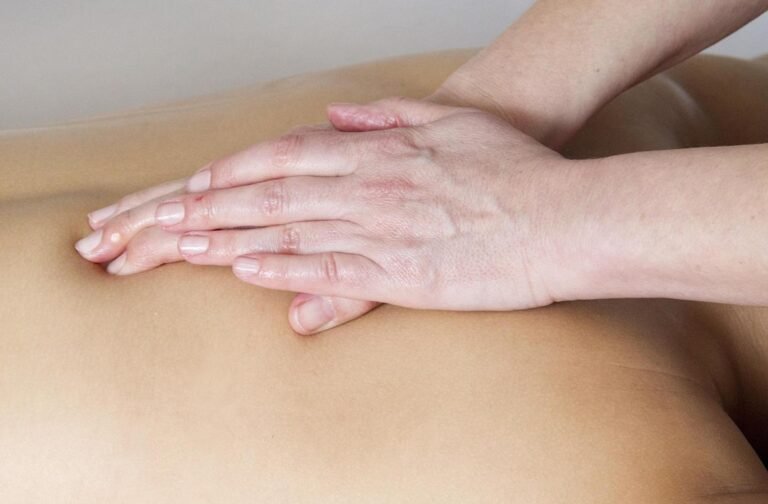
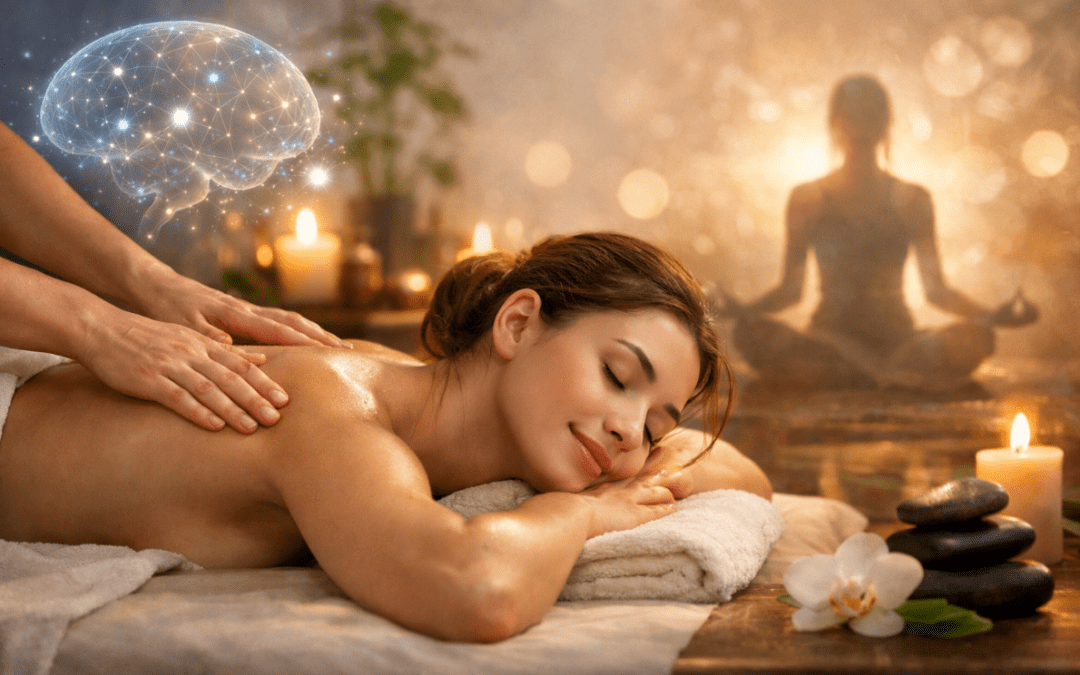
Massage uses pressure and movement to work on the body’s soft tissues. A session may include kneading, gliding strokes, stretching, or gentle pressure on tense areas. These actions can affect both the body and the mind.
To understand how massage help with stress and anxiety, it helps to look at the body’s stress response. During stress, the sympathetic nervous system may raise your heart rate, tighten your muscles, and increase alertness. Massage may support the parasympathetic nervous system, which helps the body rest and recover.
Massage may help in several ways:
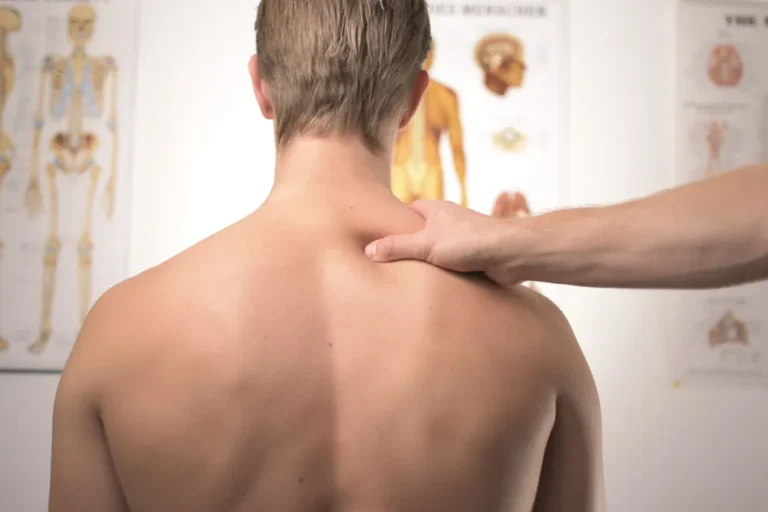
• It can reduce muscle tension in the neck, shoulders, jaw, and back.
• It may slow breathing and encourage a calmer state.
• It can provide a quiet break from screens, work, and daily demands.
• It may support body awareness, which helps you notice stress before it grows.
• It may improve sleep when pain or tension keeps you awake.
Massage does not remove the cause of anxiety. However, it may lower the body’s “volume” for a while. That calmer state can make it easier to think clearly and use other coping skills.
What research says about massage for anxiety
Research on massage and mental health is promising, but it has limits. Many studies report lower anxiety, stress, or pain after massage. Yet some studies are small, use different massage methods, or measure short-term changes only.
A review of massage research has found possible benefits for anxiety symptoms, especially when massage is repeated over time. Other studies suggest that slow, calming touch may reduce perceived stress and improve mood. Still, massage should not replace proven care for an anxiety disorder.
This matters because “feeling calmer after a session” is not the same as treating the root of chronic anxiety. Anxiety may involve genetics, trauma, sleep loss, medical conditions, medication effects, or ongoing life stress. A licensed health professional can help identify those factors.
Current evidence suggests that massage may be most useful when combined with:
• Regular sleep and wake times
• Physical activity suited to your health
• Slow breathing or mindfulness
• Talk therapy when anxiety affects daily life
• Medical care when symptoms are severe or persistent
The research also shows why personal response can differ. One person may feel deeply relaxed after Swedish massage. Another may prefer a short chair massage or gentle hand massage at home.
Which types of massage may help most?
There is no single best massage for every person. The right choice depends on your comfort, symptoms, health history, and personal goals.
Swedish massage
Swedish massage uses light to medium pressure and smooth strokes. It is often a good starting point for people who want relaxation and have little massage experience.
This style may help reduce general muscle tension. It may also create a calm setting where you can practice slow breathing.
Gentle relaxation massage
A relaxation massage usually uses a slow pace, soft lighting, and comfortable pressure. It may suit people whose main goals are rest, emotional relief, and better sleep.
If you feel nervous about massage, ask the therapist to explain each step. You can also request less pressure, more clothing, or a shorter session.
Chair massage
Chair massage focuses on the back, shoulders, neck, arms, and hands. Sessions often last 10 to 30 minutes and do not require you to lie down.
This option may help during a work break or busy day. It offers a simple way to pause without committing to a long appointment.
Head, neck, and scalp massage
Tension often collects around the scalp, temples, jaw, and neck. Gentle work in these areas may feel soothing, especially if you spend long hours at a desk.
Avoid strong pressure if you have a headache with unusual symptoms, recent injury, or a medical condition that affects your head or neck.
Self-massage
Self-massage can include rubbing your hands, rolling your shoulders, or using a soft ball against a wall. It may offer a quick calming ritual between professional sessions.
The goal is comfort, not pain. Deep pressure can sometimes increase soreness or make the body feel more guarded.
What happens during a massage session?
Knowing what to expect can reduce anxiety before your first appointment. A professional massage therapist should ask about your health, pain, pressure preference, and goals.
A typical session may follow these steps:
-
You discuss your needs and health history.
-
The therapist explains the plan and areas to be treated.
-
You change only as much as needed and remain covered with a sheet.
-
The therapist works on agreed areas while checking your comfort.
-
You speak up if the pressure, temperature, music, or position feels wrong.
-
You drink water, move slowly, and notice how your body feels afterward.
You never need to tolerate pain to get results. Good massage should feel safe and controlled. You can stop the session at any time.
In my experience reading client accounts and wellness feedback, one common mistake is staying quiet. People may fear offending the therapist, but clear feedback often makes the session more helpful. Try saying, “Please use less pressure,” “My neck feels tender,” or “I need a short pause.”

How to use massage for stress relief
A thoughtful plan can make massage more useful than a random appointment. Start with a clear goal, such as easing shoulder tension or creating a bedtime routine.
Try these practical steps:
• Choose gentle or moderate pressure for your first session.
• Book the appointment at a time when you do not need to rush afterward.
• Avoid checking work messages during the session.
• Use slow breathing while the therapist works.
• Notice whether your muscles, breathing, and thoughts change.
• Keep a short record of sleep, tension, and mood after each session.
• Combine massage with habits that support long-term mental health.
You might try one session every few weeks, then adjust based on your response and budget. More massage is not always better. Rest, comfort, and consistency matter more than intensity.
A simple home routine can also help:
-
Sit with both feet on the floor.
-
Rub your hands together for 10 seconds.
-
Massage one hand with the other using slow circles.
-
Drop your shoulders and soften your jaw.
-
Breathe in for four counts and out for six counts.
-
Continue for two to five minutes.
This routine will not treat severe anxiety, but it may help signal safety to your body. Think of it as a small reset button, not a complete repair.
Massage, cortisol, and the nervous system
You may have heard that massage lowers cortisol, often called the stress hormone. Some studies report changes in cortisol, heart rate, or blood pressure after massage. However, these findings are not fully consistent.
Stress hormones change throughout the day. Sleep, food, exercise, illness, medication, and emotional events can also affect them. A single test cannot show whether massage has improved your overall mental health.
The nervous system may be a better way to understand the experience. Slow touch can give your brain steady sensory input. That input may reduce muscle guarding and help you shift from alertness toward rest.
This is one reason massage help with stress and anxiety is often linked with better sleep and less physical tension. The effect may come from several factors working together rather than one chemical change.
When massage may not be enough
Massage may provide short-term comfort, but ongoing anxiety needs a wider plan. Consider professional support if you often experience:
• Panic attacks
• Constant fear or worry
• Avoidance of work, school, travel, or social life
• Repeated nightmares or trauma reactions
• Major changes in sleep or appetite
• Trouble concentrating for several weeks
• Thoughts of self-harm or suicide
A licensed therapist can offer treatments such as cognitive behavioral therapy. A medical professional can also check for health conditions that may affect mood, sleep, or physical tension.
Seek urgent help if you may harm yourself or someone else. In the United States, call or text 988 for the Suicide & Crisis Lifeline. Call 911 for an immediate emergency.
Massage can fit beside mental health care. It should not delay care when symptoms are serious.
Massage safety and possible risks
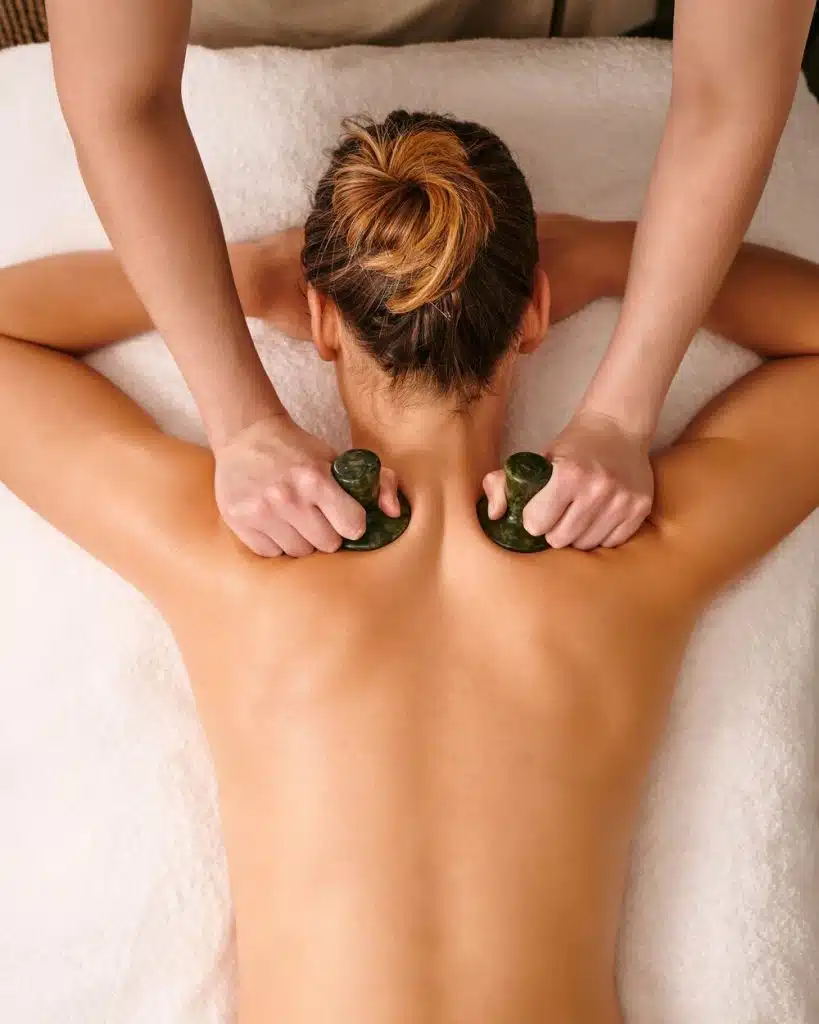
Massage is usually safe for many healthy adults when performed by a trained professional. Still, it can cause temporary soreness, bruising, dizziness, skin irritation, or increased pain.
Talk with a health professional before massage if you:
• Are pregnant or recently gave birth
• Take blood-thinning medication
• Have a bleeding disorder
• Have osteoporosis or a recent fracture
• Have a blood clot or a high risk of blood clots
• Have an infection, fever, or open wound
• Have uncontrolled high blood pressure
• Have cancer or are receiving cancer treatment
• Have severe nerve pain or loss of sensation
Choose a licensed massage therapist when possible. Ask about training, sanitation, privacy, and how they handle medical concerns. Avoid anyone who promises to cure anxiety, demands painful pressure, or ignores your boundaries.
Do not receive deep massage over a suspected blood clot, infected skin, recent injury, or unexplained swelling. When in doubt, ask your doctor first.
Massage compared with other stress tools
Massage is one tool among many. Its value depends on what you need and what you can maintain.
• Massage may suit people who carry stress in their muscles and enjoy hands-on care.
• Exercise may offer strong benefits for mood, sleep, and general health.
• Breathing exercises are free and can be used almost anywhere.
• Therapy can address thought patterns, trauma, and long-term anxiety.
• Medication may help some people with diagnosed anxiety conditions.
• Social support can reduce isolation and provide emotional safety.
Many people benefit from a mix. For example, you might schedule a gentle massage once a month, walk most days, practice five minutes of breathing, and attend therapy for ongoing anxiety.
The best plan is realistic. A simple habit you can repeat often may help more than an expensive plan you cannot sustain.
Common mistakes to avoid
Massage may feel relaxing, but a few choices can reduce its benefits.
• Do not choose painful pressure because you think pain means progress.
• Do not hide medical conditions from the therapist.
• Do not expect one session to solve chronic anxiety.
• Do not use massage instead of urgent medical or mental health care.
• Do not book a session when you are sick, dehydrated, or severely exhausted.
• Do not judge the result only by how relaxed you feel that evening.
Some people feel tired after massage. Others feel energized or emotionally sensitive. These reactions can happen, but severe pain, fainting, or unusual symptoms need medical attention.
Frequently Asked Questions About Massage Help With Stress and Anxiety
Can massage help with stress and anxiety right away?
Massage may create a sense of calm after one session by easing muscle tension and slowing the body’s stress response. The effect may be temporary, so repeated care and other healthy habits may be needed.
How often should I get a massage for anxiety?
There is no standard schedule for anxiety relief. Some people try a session every two to four weeks, then adjust based on cost, comfort, and results.
Is deep tissue massage good for anxiety?
Deep tissue massage may help physical pain, but it is not always the best choice for anxiety. Strong pressure can feel intense, so gentle Swedish or relaxation massage may be a better starting point.
Can massage replace therapy for anxiety?
No. Massage may support relaxation, but it does not replace therapy, medical care, or medication when those treatments are needed.
Can I massage myself when I feel anxious?
Yes, gentle self-massage of the hands, shoulders, or scalp may help you pause and focus on your body. Stop if you feel pain, numbness, dizziness, or more distress.
Should I tell my massage therapist that I have anxiety?
Yes. Sharing this information helps the therapist create a safer and calmer session. You can also ask for quiet, a clear explanation of each step, and permission to stop at any time.
Conclusion
Massage may help with stress and anxiety by easing muscle tension, supporting slower breathing, and giving your nervous system a quiet break. Research suggests possible short-term benefits, but massage is not a cure and does not replace care for ongoing or severe anxiety.
Start with a trained therapist, gentle pressure, and a clear goal. Notice how your body responds, pair massage with sleep, movement, breathing, or therapy, and speak with a health professional when symptoms interfere with daily life.
If massage has helped your stress or anxiety, share your experience or explore more evidence-based ways to support your mental well-being.