How To Use A Foot Massager For Neuropathy: Simple Guide
A foot massager can ease neuropathy symptoms by improving circulation, reducing tension, and calming sore nerves.
If you’re dealing with burning, tingling, numbness, or that “pins and needles” feeling, you already know how tiring neuropathy can be. Using a foot massager the right way can bring real comfort, but it also takes a little care. I’ve seen people get the best results when they use gentle settings, short sessions, and a steady routine that matches their symptoms instead of fighting them.
What neuropathy is and why foot massage can help
Neuropathy is nerve damage that often affects the feet first. It can come from diabetes, vitamin issues, nerve compression, alcohol use, chemotherapy, or other health problems. The most common symptoms are burning, numbness, tingling, weakness, and pain.
A foot massager may help by improving blood flow, relaxing tight muscles, and giving the feet a soothing sensory signal. For many people, that gentle stimulation can feel like turning down the volume on nerve discomfort. It is not a cure, but it can be a useful part of symptom care when used correctly.
From my own work with wellness content and product research, the biggest mistake I see is people assuming “more pressure means more relief.” That usually backfires. With neuropathy, the goal is comfort, not deep force.

How to use a foot massager for neuropathy safely
The safest way to use a foot massager for neuropathy is to start slow, stay gentle, and watch how your feet respond. Think of it like testing warm water before stepping in. A cautious approach can make the difference between soothing relief and a flare-up.
Follow these steps:
-
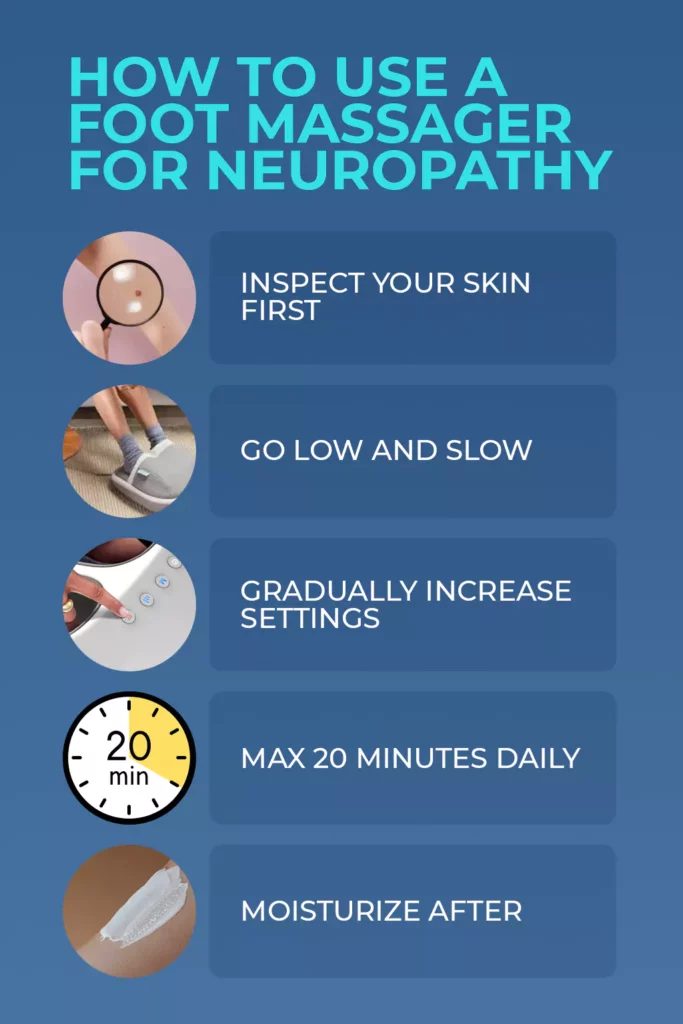
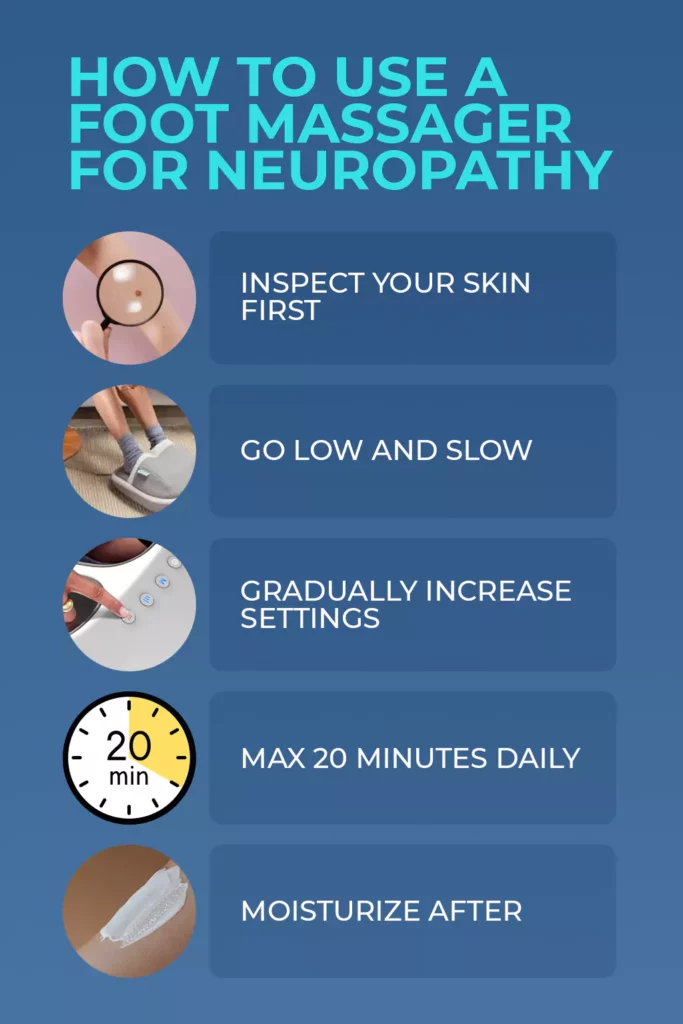
Check your feet first
Look for cuts, blisters, swelling, redness, or open sores. If you have diabetes or reduced sensation, this step matters even more because you may not feel minor injuries right away. -
Choose a gentle setting
Use low intensity, low heat, and soft compression first. Avoid aggressive rollers or strong vibration at the start. -
Start with a short session
Try 5 to 10 minutes the first time. If your feet feel better afterward, you can gradually move up to 15 to 20 minutes. -
Sit comfortably
Place the massager on a stable floor and sit in a chair with good support. Keep your feet relaxed and do not force them into a position that hurts. -
Pay attention to sensation
Mild warmth or light pressure is fine. Sharp pain, increased burning, or lasting numbness is a sign to stop. -
Use it consistently
Many people do better with short daily sessions than with long, intense ones. Routine often helps more than intensity.
In practice, I’ve found that people are most successful when they treat the foot massager like a reset button, not a workout. The feet should feel calmer when you finish, not more irritated.
Best types of foot massagers for neuropathy
Not every foot massager works the same way, and that matters when nerves are sensitive. The right device depends on your symptoms, your comfort level, and whether you also have circulation issues or diabetes.
Common types include:
• Shiatsu foot massagers
These use rotating nodes or rollers. They can feel good for muscle tension, but they may be too intense for some neuropathy sufferers.
• Compression foot massagers
These gently squeeze the feet and calves. Many people like them because they feel soothing without a lot of direct pressure.
• Vibration massagers
These create rhythmic movement. They may help with awareness and relaxation, especially if deep pressure feels uncomfortable.
• Heat therapy massagers
These provide warmth that may help relax stiff feet. Use caution if you have reduced sensation, since it can be easy to overheat your skin.
• Combination devices
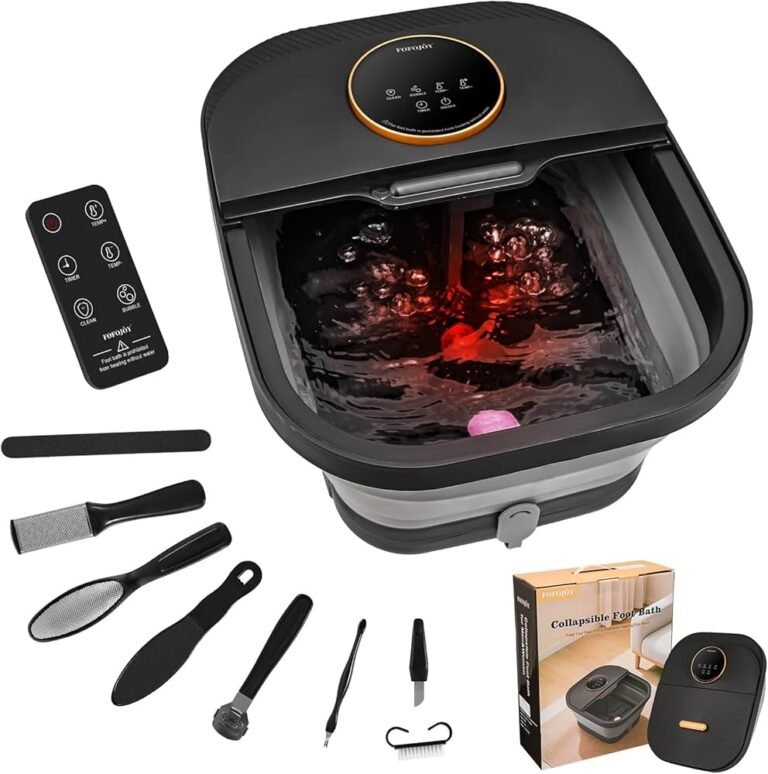
Some models mix heat, compression, and vibration. These can be useful, but only if the settings can be adjusted down to a very mild level.
If you have severe neuropathy, I usually suggest avoiding anything that feels “deep tissue” at first. A softer device often gives better long-term results because it is easier to tolerate.
Step-by-step routine for a typical session
A good routine keeps the experience simple and repeatable. That makes it easier to notice what helps and what does not.
Try this routine:
• Before you begin, inspect your feet
Make sure the skin is intact and dry. Wear thin socks if the device feels too direct.
• Set the device to the lowest level
Start with the gentlest massage mode and no heat, or just a very low heat setting.
• Begin with one foot or both feet together
If the machine allows separate settings, test one side first to compare comfort.
• Use slow breathing
Relax your shoulders and breathe evenly while the massage runs. This helps your nervous system settle.
• Stop at the first sign of discomfort
Do not try to “push through” pain. Neuropathy is not the place for toughness.
• After the session, check your skin again
Look for redness, pressure marks, or warmth that lingers too long.
A short session in the morning can help some people feel more awake, while an evening session can help calm the feet before bed. The best time is the time you can stick with.
Benefits of using a foot massager for neuropathy
A foot massager may offer several real-world benefits for neuropathy management. These benefits are usually gentle, but they can add up when used regularly.
Some of the most common benefits include:
• Better circulation support
Massage may help stimulate blood flow in tired feet.
• Less stiffness
Gentle movement can ease tight muscles and joints around the foot and ankle.
• Lower stress
The relaxing effect may help reduce the stress that often makes pain feel worse.
• Improved comfort at night
Some people find that a short session before bed helps their feet settle down.
• More body awareness
If your feet feel numb, light stimulation can help you feel more connected to them.
Research on massage and neuropathic symptoms suggests some people experience short-term pain relief and better comfort, especially when massage is gentle and used alongside other care. Still, results vary, and foot massagers work best as supportive tools, not stand-alone treatment.
Common mistakes to avoid
I’ve noticed that most problems come from using too much pressure or ignoring warning signs. Neuropathy changes the way your feet feel, so what seems mild to one person may be too much for another.
Avoid these mistakes:
• Using high intensity right away
Start low and increase only if your feet tolerate it well.
• Massaging open wounds or irritated skin
This can make skin problems worse and raise infection risk.
• Using heat for too long
Reduced sensation can make burns more likely.
• Ignoring new pain
If the massage creates more burning or tingling, stop and reassess.
• Assuming the same setting works every day
Neuropathy symptoms can change from day to day.
• Skipping medical advice
If neuropathy is from diabetes or another condition, the cause needs proper care too.
One lesson that comes up again and again is this: comfort today does not guarantee safety tomorrow. Always check your feet and let the symptoms guide the session.
When to avoid a foot massager
A foot massager is not right for everyone. In some cases, it can do more harm than good.
You should be careful or avoid use if you have:
• Open sores, ulcers, or infections
• Severe swelling without medical guidance
• Poor circulation that your doctor has warned about
• Recent foot surgery or injury
• Very fragile skin
• A device setting that causes pain, redness, or numbness that lasts
If you have diabetes, ask a healthcare professional before making foot massage a regular habit. That is especially important if you have lost sensation in your feet, since pain is not always a reliable warning sign.
How often should you use a foot massager for neuropathy
For many people, short daily use works well. A common starting point is 5 to 10 minutes once a day, then increasing only if it feels good and your skin stays normal.
Here is a simple guide:
• Beginner level: 5 to 10 minutes, 1 time per day
• Moderate tolerance: 10 to 15 minutes, 1 to 2 times per day
• Sensitive feet: every other day or as advised by a clinician
The right frequency depends on your symptoms, your health conditions, and how your feet react. If the massage leaves your feet sore, reduce the time or use a softer mode.
Extra tips to get better results
A foot massager often works best as part of a bigger neuropathy care plan. Small habits can make the sessions more helpful and more comfortable.
Try these tips:
• Wear clean, breathable socks if needed
This can reduce friction and make the massage feel softer.
• Keep your feet moisturized
Dry skin can crack, especially if neuropathy is linked to diabetes.
• Stay active in gentle ways
Walking, stretching, and ankle circles can support foot health.
• Control blood sugar if needed
Good glucose management is one of the most important steps for diabetic neuropathy.
• Talk to your doctor about symptoms
Ongoing pain, numbness, or balance issues deserve medical attention.
In my experience, people who pair foot massage with basic foot care tend to feel more in control. It is like giving the feet a small daily tune-up instead of waiting for them to break down.
Frequently Asked Questions
Can a foot massager help neuropathy pain?
A foot massager may help reduce discomfort by improving circulation and relaxing tense muscles. It does not cure neuropathy, but many people find it helpful for short-term relief.
Is vibration good for neuropathy in the feet?
Light vibration can feel soothing for some people, especially when numbness is present. If vibration causes burning or irritation, it is too strong and should be reduced or stopped.
Should I use heat with neuropathy foot massage?
Heat can feel calming, but it should be used carefully if you have reduced sensation. Start with the lowest setting and check your skin often to avoid burns.
How long should I use a foot massager for neuropathy?
A good starting point is 5 to 10 minutes. If your feet respond well, you can slowly work up to 15 to 20 minutes.
Can foot massagers make neuropathy worse?
Yes, they can if the pressure is too strong, the heat is too high, or the device is used on injured skin. The key is gentle settings and close attention to how your feet feel after each session.
Is it safe to use a foot massager if I have diabetes?
It can be safe for some people, but caution is important because diabetes can reduce sensation and slow healing. It is best to ask your healthcare provider before using one regularly.
Conclusion
Using a foot massager for neuropathy can be a simple, calming way to support sore feet when it is done with care. The best results usually come from gentle settings, short sessions, and close attention to skin health and symptom changes. Think comfort first, not intensity.
If you want the most benefit, start slow, check your feet often, and make the massager part of a broader routine that includes good foot care and medical guidance when needed. If this guide helped you, explore more foot health tips, talk with your doctor about your symptoms, or share your experience in the comments.


One Comment