How To Lubricate A Massage Gun: Easy Maintenance Guide
Use a manufacturer-approved lubricant sparingly on the attachment shaft, never inside the motor housing.
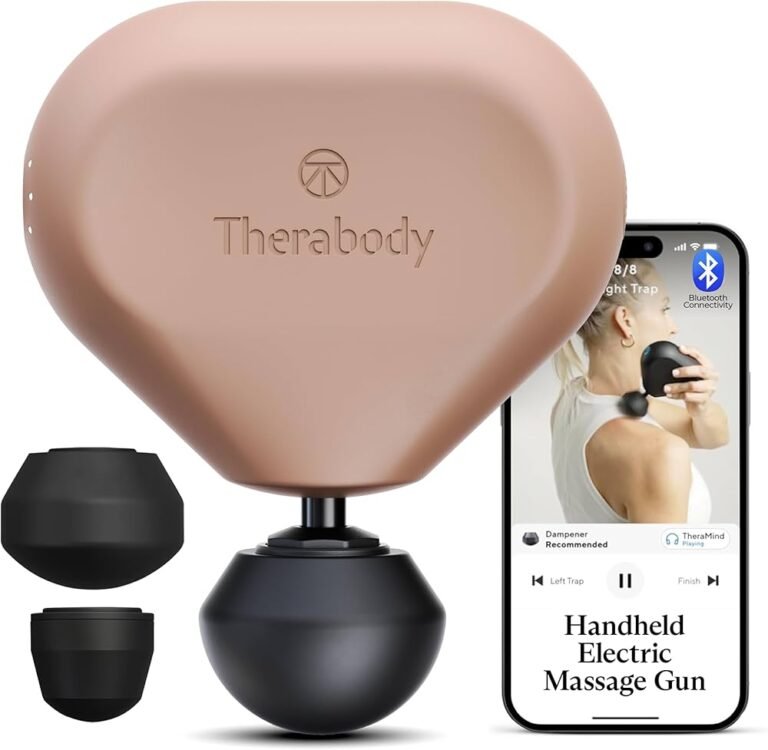
Learning how to lubricate a massage gun can help reduce squeaks, protect moving parts, and keep each session smooth. The key is knowing which parts need care and which parts must stay dry. Most massage guns are sealed devices, so adding oil in the wrong place can cause more harm than good. This guide explains how to lubricate a massage gun safely, when lubrication is needed, and how to avoid common repair mistakes.
Do Massage Guns Need Lubrication?
Most massage guns do not need frequent lubrication. Many models use sealed motors and pre-lubricated internal parts. The part that may need attention is the exposed metal shaft where massage heads slide on and off.
A squeak does not always mean the device needs oil. It may come from:
• A loose massage head
• Dust or hair around the shaft
• A dry attachment sleeve
• A worn bearing
• A damaged internal part
• A battery or motor problem
Before learning how to lubricate a massage gun, check the owner’s manual. Some brands advise cleaning only and warn users not to apply oil. Following the manual is safer than copying advice for a different model.
A small amount of the wrong lubricant can reach the motor. It may also attract dust, soften plastic, or make the massage head slip during use. Think of the lubricant as seasoning: a tiny amount may help, but too much ruins the dish.

What You Need Before You Start
Gather simple tools before you begin. You do not need a full repair kit.
You may need:
• The massage gun’s owner’s manual
• A clean microfiber cloth
• Cotton swabs
• A soft, dry toothbrush
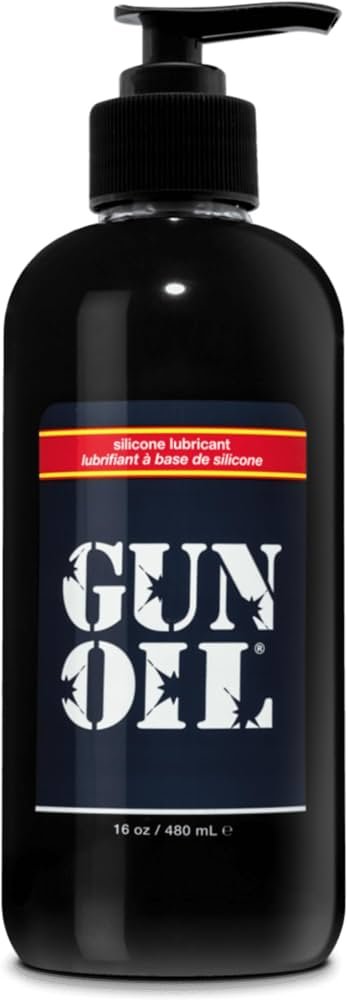
• Manufacturer-approved silicone grease or light machine lubricant
• Disposable gloves
• A small flashlight
Use only a lubricant that the manufacturer allows. A light silicone-based lubricant is often suitable for an exposed metal shaft, but this is not a universal rule. Some massage guns need a specific grease, while others should not be lubricated by the user.
Avoid these products:
• Cooking oil
• Olive oil or coconut oil
• Petroleum jelly
• WD-40 or penetrating spray
• Heavy automotive grease
• Hair oil or body oil
• Water-based lotion
• Spray lubricant used near vents
These products may become sticky, collect grit, or damage rubber and plastic. Penetrating sprays can also travel into electrical parts.
Unplug or switch off the massage gun before cleaning. If the battery is removable, take it out. Never work on a charging device.

How to Lubricate a Massage Gun Safely
The safest method focuses on the exposed shaft and the inner sleeve of the massage attachment. Do not open the motor housing unless a qualified repair technician directs you to do so.
Step 1: Read the manual
Look for terms such as “maintenance,” “cleaning,” “attachment shaft,” or “lubrication.” Confirm whether the brand permits user-applied lubricant.
If the manual says not to lubricate the device, stop at cleaning. A warranty may not cover damage caused by oil or unauthorized disassembly.
Step 2: Remove the massage head
Pull the attachment straight from the shaft. Do not twist it with force unless the design specifically requires twisting.
Place the head on a clean towel. Check the opening for dust, skin flakes, hair, or dried product. These small particles can create friction and noise.
Step 3: Clean the shaft
Wipe the exposed shaft with a dry microfiber cloth. Use a cotton swab around the base and inside edges of the attachment.
If the manufacturer allows a damp cloth, use very little moisture. Never pour cleaner onto the device. Allow every surface to dry fully before adding lubricant.
Step 4: Inspect for damage
Use a flashlight to check the shaft. Look for:
• Scratches
• Rust
• Bending
• Loose movement
• Cracks in the attachment
• Black dust or metal powder
A bent shaft or grinding sound points to a mechanical fault. Lubricant will not repair a damaged bearing or motor.
Step 5: Apply a tiny amount
Put a drop of approved lubricant on a cotton swab, not directly onto the massage gun. Lightly coat the metal shaft or the inside sleeve of the attachment, depending on the manual.
The surface should look lightly covered, not wet. In most cases, one small drop is enough. More lubricant does not mean better lubrication.
Step 6: Move the attachment by hand
Slide the massage head onto the shaft without turning on the device. Move it gently several times so the lubricant spreads in a thin film.
Do not force the head. If it does not fit smoothly, stop and check for dirt, a damaged sleeve, or the wrong attachment.
Step 7: Wipe away extra lubricant
Remove all visible excess with a clean cloth. The shaft should not drip, spray, or feel heavily oily.
This step matters because extra lubricant can travel toward the motor. It can also transfer to your skin, clothing, furniture, or massage area.
Step 8: Test the device briefly
Turn on the massage gun at its lowest speed for about 10 seconds. Keep your fingers away from the moving shaft.
Listen for changes. A smooth, quiet sound is a good sign. Stop at once if you hear grinding, clicking, burning sounds, or repeated rattling.
This basic process explains how to lubricate a massage gun without opening the housing or exposing the electronics.

Where Should You Apply Lubricant?
Apply lubricant only to the part named in the user manual. For many designs, this means the exposed metal shaft or the inner sleeve of the removable massage head.
Do not lubricate:
• Air vents
• Buttons
• Charging ports
• Battery contacts
• Internal motor parts
• Rubber grip areas
• Foam massage heads
• Electrical connections
The motor creates fast movement and heat. Oil inside that area may spread across electrical components or interfere with normal operation.
A good rule is simple: if you cannot see the part without removing screws, do not lubricate it yourself. Internal maintenance requires the correct grease, tools, seals, and repair knowledge.
When people ask how to lubricate a massage gun, they often imagine oiling the entire mechanism. In practice, careful external maintenance is usually enough.

Which Lubricant Is Best?
The best lubricant is the product listed by the manufacturer. If the manual gives no recommendation, contact the brand before using anything.
For some exposed metal-to-plastic contact points, a small amount of light silicone grease may work well. Silicone products are often chosen because they resist water and are generally compatible with many rubber and plastic materials. Still, product compatibility depends on the specific device.
A light synthetic machine oil may be approved for some models. It should be used only in a very small amount and only when the manual supports it.
Do not confuse silicone spray with silicone grease. Spray can spread farther and may enter vents. Grease is easier to control, but it can still attract dust when overused.
If you cannot confirm the correct lubricant, clean the shaft and contact the manufacturer. Waiting is safer than risking a costly repair.

Common Mistakes to Avoid
The most common mistake is applying too much lubricant. Users often see a squeaky device and add several drops. The noise may become quieter for a short time, but excess oil can collect dust and make the problem worse.
Other mistakes include:
• Spraying lubricant directly onto the shaft
• Opening the device while the battery is connected
• Using household oil
• Lubricating a device that only needs cleaning
• Ignoring a grinding sound
• Running the device at full speed after oiling
• Applying lubricant to foam or silicone massage heads
• Using water to flush dirt into the housing
• Continuing to use a hot or smoky device
Another frequent error is lubricating the attachment instead of checking its fit. Massage heads wear over time. A cracked or loose head may rattle even when the shaft is clean and properly lubricated.
If the massage gun becomes hot quickly, smells like burning plastic, loses power, or stops under light pressure, do not keep testing it. Unplug it and seek service.

How Often Should You Lubricate a Massage Gun?
There is no universal lubrication schedule. Many users may never need to lubricate the device. The correct timing depends on the model, use frequency, environment, and manufacturer instructions.
Check the shaft during routine cleaning. If it is clean, quiet, and smooth, leave it alone.
You may inspect it:
• Once a month with frequent use
• Every few months with occasional use
• After use in a dusty or sandy place
• When changing massage heads
• When a new squeak appears
Do not lubricate on a calendar just because a certain number of weeks has passed. Lubricant is not a replacement for cleaning or repair.
A massage gun used daily in a gym may collect more dust than one used at home. A device stored in a damp bathroom may also develop corrosion more quickly. Store it in a cool, dry case away from steam and direct sunlight.
This is one of the most useful lessons in how to lubricate a massage gun: inspect first, then act only when needed.

Cleaning and Care After Lubrication
Good care can reduce the need for lubrication. Wipe the massage gun after each use, especially if sweat or massage oil touched the handle or attachments.
Clean removable heads according to the manual. Some silicone and plastic heads can be wiped with mild soap and water, but they must dry completely before storage. Do not soak heads with electronic parts.
Keep these habits:
• Store the gun in a dry case
• Keep the shaft free from hair and grit
• Charge it with the correct charger
• Avoid dropping it
• Do not press harder than the manual allows
• Let the unit cool after long sessions
• Replace cracked or loose attachments
• Keep massage oil away from the motor housing
Massage oil used on your skin can transfer to the device. Wipe the handle and head before putting the gun away. Oil and dust can form a paste that acts like fine sandpaper.

When Lubrication Will Not Fix the Problem
Lubrication may help with light friction, but it cannot solve every noise or performance issue. A massage gun is a small powered machine, and unusual sounds may signal a deeper problem.
Stop using the device if you notice:
• Grinding
• Burning smells
• Smoke
• Sudden loss of speed
• Strong vibration in the handle
• A shaft that wobbles
• A battery that swells
• Repeated shutdowns
• Cracks near the motor housing
A swollen battery is a serious safety concern. Do not puncture it, charge it, or place it in household trash. Follow local battery recycling rules or contact the manufacturer.
If the device is under warranty, avoid opening it. Take photos, note the model and serial number, and contact customer support. Unauthorized repairs can create safety risks and may cancel warranty coverage.
The safe answer to how to lubricate a massage gun is not always “add lubricant.” Sometimes the best answer is “clean it, stop using it, and arrange service.”

A Simple Maintenance Checklist
Use this short checklist every few weeks if you use your massage gun often:
- Turn off and unplug the device.
- Remove the massage head.
- Wipe the shaft with a dry cloth.
- Check the attachment for cracks or looseness.
- Look for rust, dust, or metal powder.
- Read the manual before choosing lubricant.
- Apply one tiny amount only if approved.
- Wipe away all excess.
- Test at the lowest speed.
- Stop if the sound or heat seems abnormal.
This checklist takes only a few minutes. It can help you catch small problems before they become expensive ones.
In practical maintenance checks, excess lubricant is the mistake seen most often. A thin film is enough. If the shaft looks wet, you likely used too much.
Frequently Asked Questions About How to Lubricate a Massage Gun
Can I use WD-40 to lubricate a massage gun?
No. WD-40 and similar penetrating sprays can spread into vents, affect plastics, and reach electrical parts. Use only a lubricant approved for your specific massage gun.
Should I oil the inside of my massage gun?
Usually, no. Most massage guns have sealed internal parts, and opening the housing can expose the battery and electronics. Internal repairs should be handled by the manufacturer or a qualified technician.
Why is my massage gun squeaking?
A squeak may come from dust, a dry attachment sleeve, a loose head, or a worn internal part. Clean the shaft first, then check the manual before applying a very small amount of approved lubricant.
How much lubricant should I use?
In many cases, one tiny drop or a thin film is enough. Apply it to a cotton swab rather than spraying it directly onto the device, then wipe away all visible excess.
Can I use silicone grease on every massage gun?
No. Silicone grease may suit some metal and plastic contact points, but it is not safe for every model or material. Confirm compatibility with the manufacturer before using it.
How often should I lubricate my massage gun?
Lubricate only when the manual allows it and the shaft shows signs of friction. Routine cleaning and inspection are more important than following a fixed lubrication schedule.
Can I lubricate a massage gun while it is charging?
Never. Turn it off, unplug it, and remove the battery if possible before cleaning or lubricating. This reduces the risk of electrical damage and accidental movement.
Conclusion
Knowing how to lubricate a massage gun starts with restraint. Clean the exposed shaft, check the owner’s manual, use only an approved product, and apply the smallest amount possible. Never spray lubricant into vents or open the motor housing without professional guidance.
A quiet, smooth device needs simple care, not heavy oiling. Inspect your massage gun today, replace damaged attachments, and contact the manufacturer if unusual heat, smells, or grinding continue. Share your maintenance tips or explore your model’s care guide for more safe-use advice.