What Ingredients Are Best For Treating Acne: Top Picks
The best acne-fighting ingredients include benzoyl peroxide, salicylic acid, adapalene, azelaic acid, and niacinamide.
Knowing what ingredients are best for treating acne can make skin care feel much less confusing. Each ingredient works in a different way: some kill acne-causing bacteria, some clear blocked pores, and others calm redness or fade dark spots. This guide explains how the leading acne treatments work, who should use them, and how to build a routine without irritating your skin.
What ingredients are best for treating acne?
The best acne ingredients depend on your skin type, acne pattern, and treatment goal. A product that works well for blackheads may not be the best choice for deep, painful cysts. Start with one main active ingredient, use it consistently, and give it time to work.
Dermatology experts commonly recommend these ingredients:
• Benzoyl peroxide for acne-causing bacteria and inflamed pimples
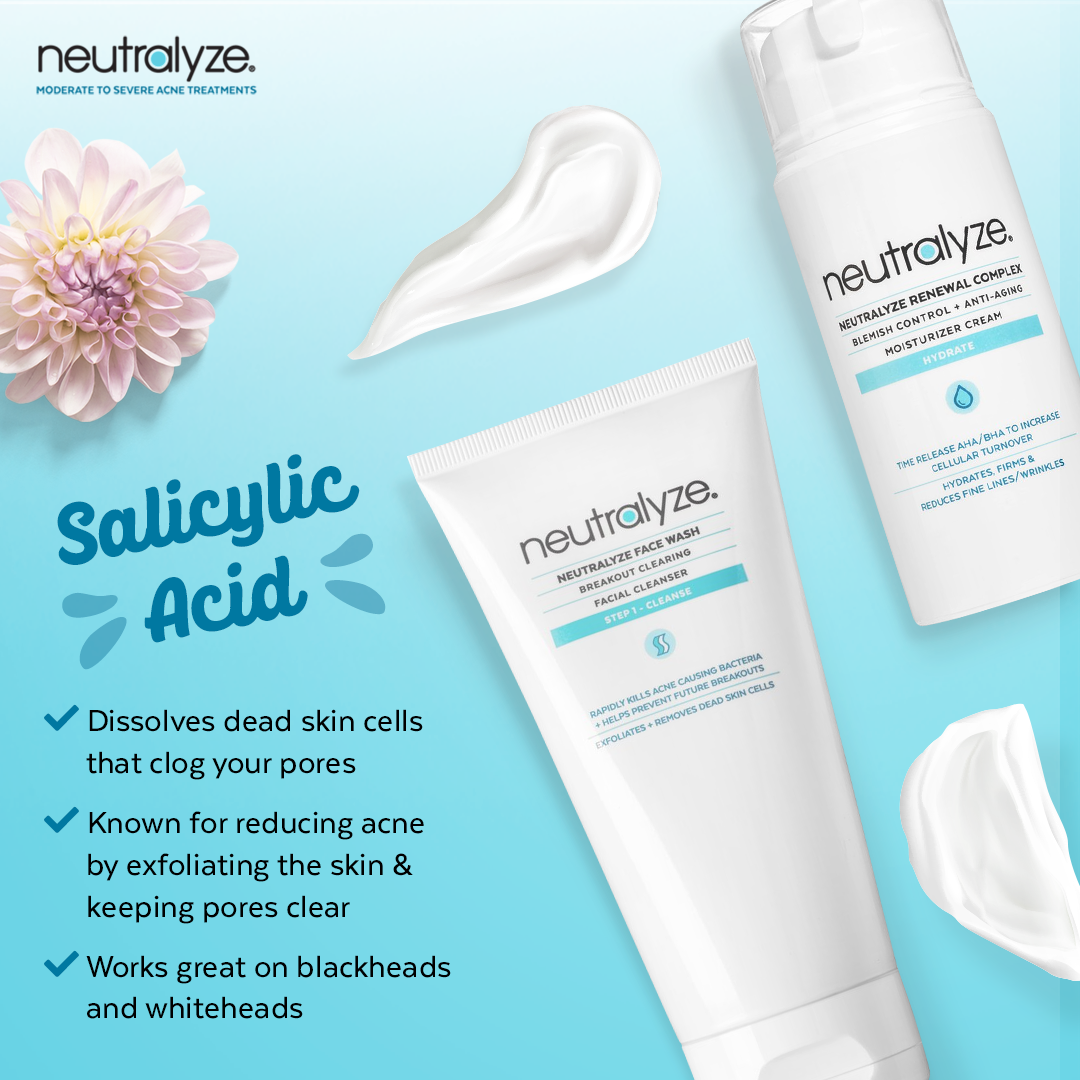
• Salicylic acid for clogged pores, blackheads, and whiteheads
• Adapalene for ongoing acne prevention and pore control
• Azelaic acid for acne, redness, and post-acne dark marks
• Niacinamide for oil control, redness, and skin barrier support
• Sulfur for mild pimples and excess oil
• Hydrocolloid patches for protecting and covering individual pimples
No single ingredient is perfect for everyone. Acne care is more like tending a garden than flipping a switch. Small, steady steps usually work better than using many strong products at once.

Benzoyl peroxide: Best for red, inflamed pimples
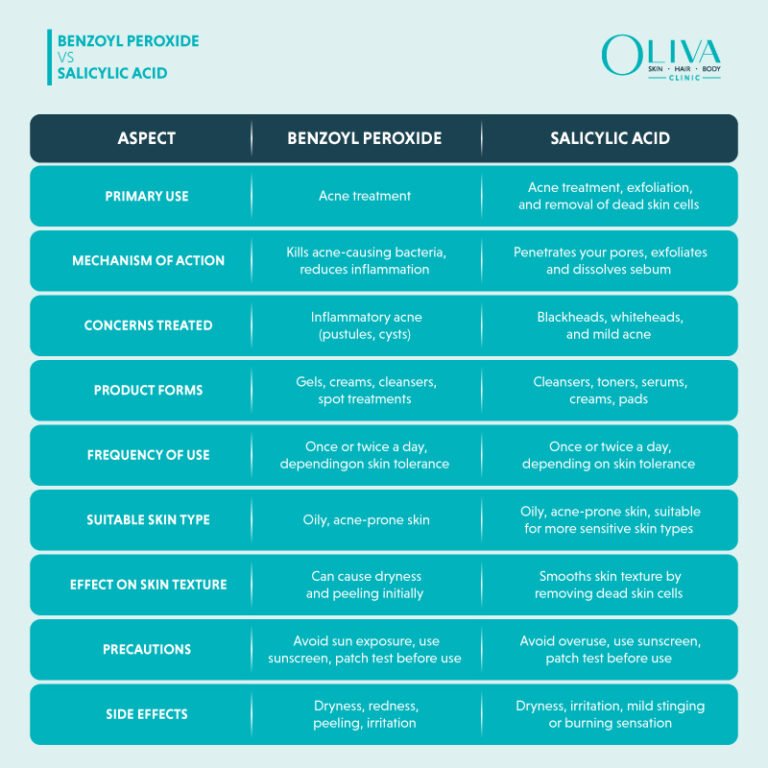
Benzoyl peroxide is one of the most proven acne treatments. It helps reduce Cutibacterium acnes, the bacteria linked with inflammatory acne. It also helps remove dead skin cells from the pore.
Benzoyl peroxide can be useful for:
• Red pimples
• Pus-filled pimples
• Mild to moderate inflammatory acne
• Acne on the face, chest, and back
• Preventing antibiotic resistance when used with a topical antibiotic
Common strengths range from 2.5% to 10%. A 2.5% product can work well and may cause less dryness than stronger formulas. More is not always better.
Apply a thin layer to clean, dry skin. If your skin is sensitive, start every other day. Benzoyl peroxide can bleach towels, pillowcases, and clothing, so use white fabrics when possible.
A common mistake is applying a thick layer and expecting faster results. That often leads to burning, peeling, and more irritation. Think of benzoyl peroxide as a gentle cleaning crew, not a pressure washer.
Salicylic acid: Best for clogged pores
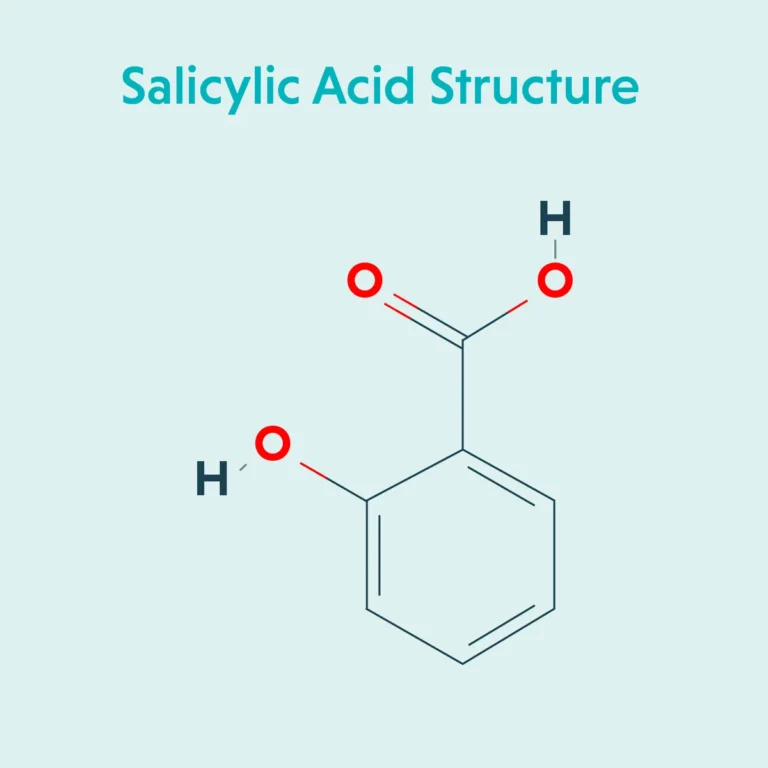
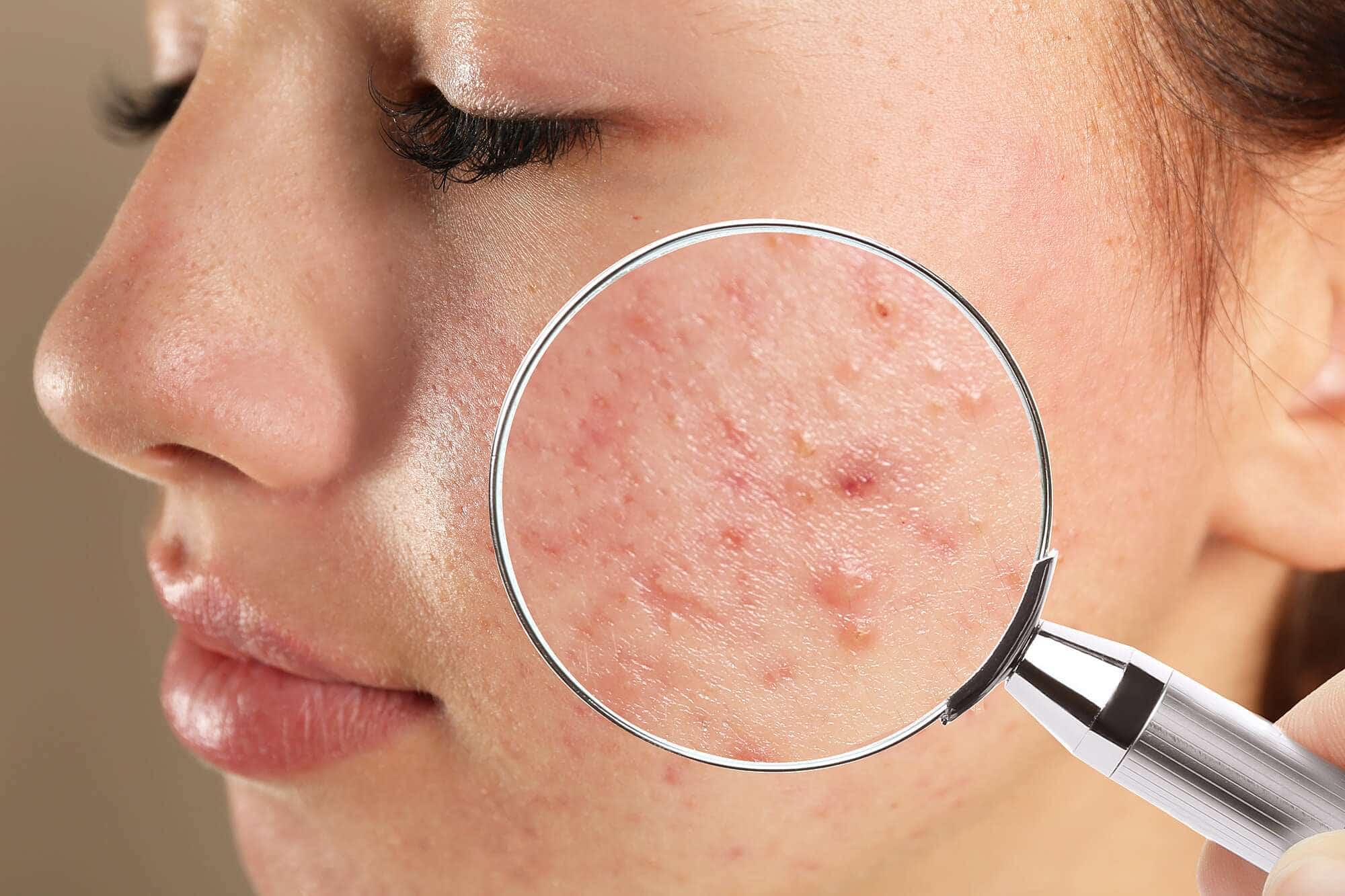
Salicylic acid is a beta hydroxy acid, often called BHA. It can move into oily pores and loosen the mix of oil and dead skin that causes blackheads and whiteheads.
Salicylic acid may help with:
• Blackheads
• Whiteheads
• Oily skin
• Rough skin texture
• Small clogged bumps
• Mild body acne
Face washes often contain 0.5% to 2% salicylic acid. Leave-on products may feel stronger, so use them slowly. A cleanser may be a better starting point for sensitive skin because you rinse it off.
Salicylic acid does not always control deep cystic acne on its own. It is best for surface-level congestion and prevention. Avoid scrubbing hard while using it, since physical friction can worsen redness.
People with an aspirin allergy should ask a health professional before using salicylic acid. Large amounts should not be used over wide areas without medical advice, especially in children.

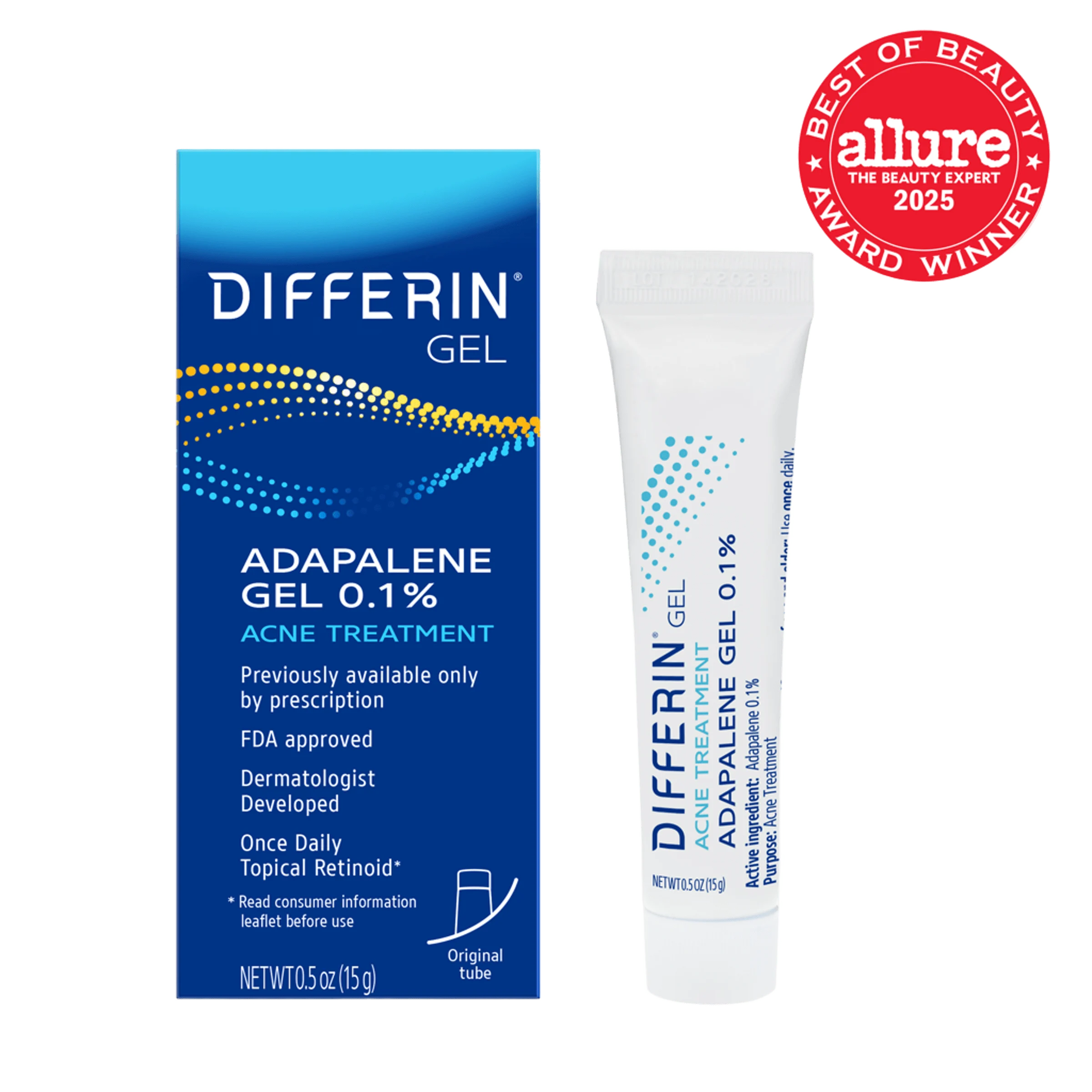
Adapalene: Best for preventing new acne
Adapalene is a topical retinoid available over the counter in the United States. It helps normalize the way skin cells shed inside pores. This can prevent new blackheads, whiteheads, and pimples from forming.
Adapalene is often a strong choice for:
• Frequent breakouts
• Blackheads and whiteheads
• Acne that returns in the same areas
• Long-term acne prevention
• Mild to moderate acne
Use a pea-sized amount for the entire acne-prone area, not just on visible pimples. Apply it at night after washing and drying your face. Using more will not speed up results.
Some people notice dryness or a temporary increase in breakouts during the first few weeks. This is often called purging, but not every worsening reaction is purging. Severe burning, swelling, cracking, or painful rash means you should stop and seek medical advice.
Adapalene can make skin more sensitive to sunlight. Use a broad-spectrum sunscreen every morning. People who are pregnant or trying to become pregnant should ask their clinician before using topical retinoids.

Azelaic acid: Best for acne and dark marks
Azelaic acid is a gentle but versatile ingredient. It can reduce acne-causing bacteria, help keep pores clear, and calm inflammation. It may also fade post-inflammatory hyperpigmentation, which is the brown, red, or gray mark left after a pimple heals.
Azelaic acid can be especially helpful for people with:
• Acne and sensitive skin
• Dark marks after breakouts
• Redness linked with acne
• Uneven skin tone
• Mild rosacea-like symptoms
Over-the-counter products often contain 10% azelaic acid. Prescription formulas may contain higher strengths. Start once daily, then increase if your skin handles it well.
Unlike some acids, azelaic acid is often well tolerated. Still, mild tingling can occur. Give it several weeks of regular use before judging the result.
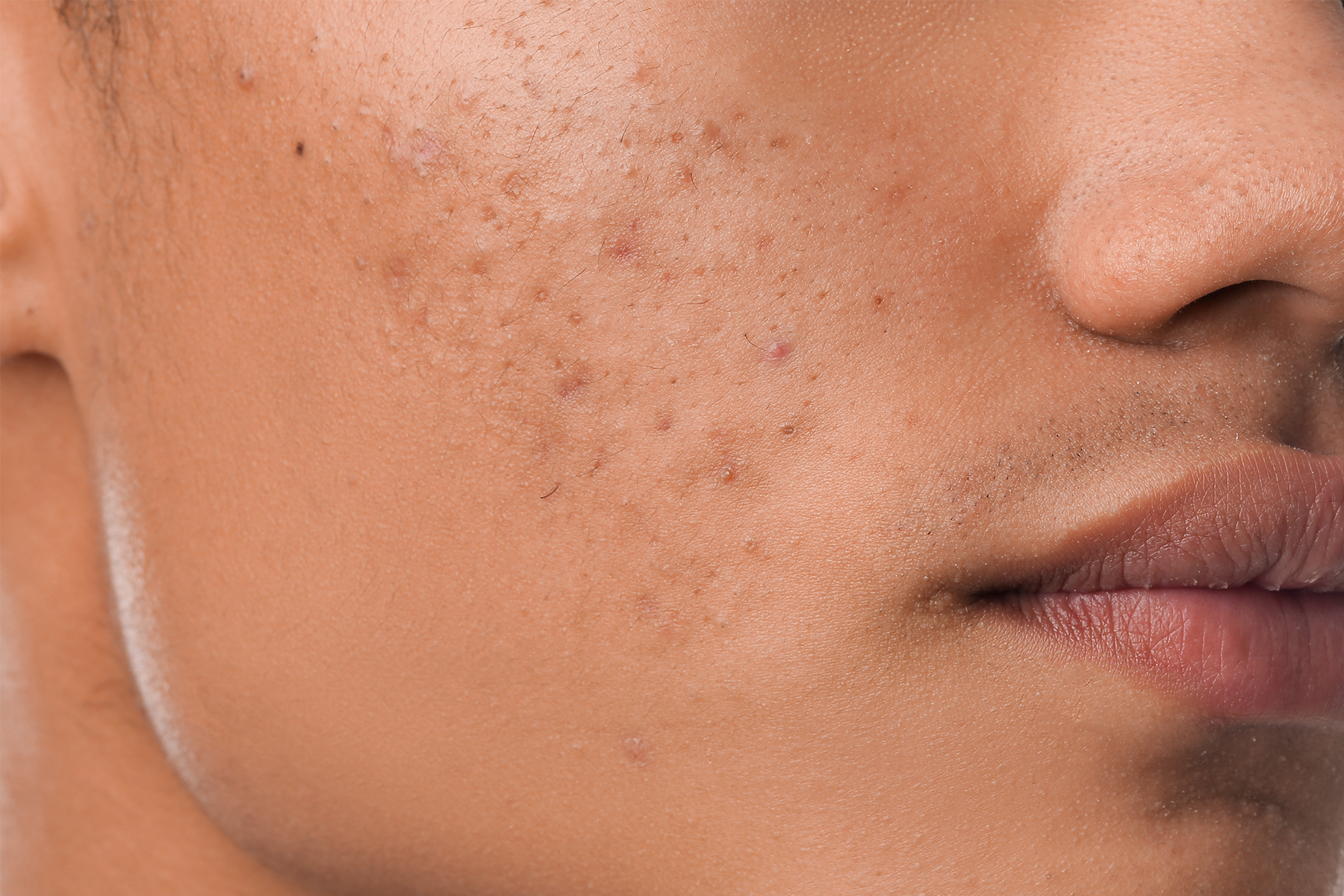
For people with darker skin tones, preventing and treating dark marks is an important part of acne care. Picking pimples can increase the risk of lasting discoloration, so hands-off healing is often the best approach.
Niacinamide: Best for oil, redness, and skin support
Niacinamide is a form of vitamin B3. It is not usually a stand-alone treatment for moderate or severe acne, but it can support a complete acne routine.
Niacinamide may help:
• Reduce excess oil
• Calm mild redness
• Support the skin barrier
• Improve the look of enlarged pores
• Reduce irritation from stronger acne products
Many serums contain 2% to 10% niacinamide. Higher percentages are not automatically more effective. In fact, some people develop flushing or irritation from very strong formulas.
Niacinamide works well with ingredients such as salicylic acid, benzoyl peroxide, and adapalene. It can act like a cushion for the skin barrier while stronger acne treatments do the main work.
Choose a simple formula without heavy fragrance if your skin is reactive. A short ingredient list often makes it easier to identify what causes irritation.
Sulfur: A useful option for mild breakouts
Sulfur has been used in skin care for many years. It can help absorb oil and remove dead skin from the surface. Some sulfur products also have mild antibacterial effects.
Sulfur may suit people with:
• Small pimples
• Oily skin
• Mild acne
• Occasional breakouts
• Skin that does not tolerate benzoyl peroxide well
Sulfur often has a strong smell, although newer products may mask it. It can also dry the skin, so apply a moisturizer after use.
Do not combine several drying products on the same day at first. For example, using sulfur, a strong exfoliant, and benzoyl peroxide together may leave your face tight and sore.
Hydrocolloid patches: Best for individual pimples
Hydrocolloid patches do not treat the root cause of acne. They cover a pimple, absorb fluid, and help prevent touching or picking.
They work best for:
• Surface-level pimples
• Pimples that have come to a head
• Spots you keep touching
• Protecting a healing blemish overnight
They do not work well on deep cysts or closed blackheads. Some patches contain added ingredients such as salicylic acid or tea tree oil. Plain hydrocolloid is often the gentler option.
A patch is like a small shield. It cannot clear every blemish, but it can stop late-night squeezing from turning a small pimple into a long-lasting mark.

What ingredients are best for treating acne by acne type?
The answer changes based on the kind of acne you have. Acne can include clogged pores, inflamed pimples, nodules, cysts, or marks left behind after healing.
For blackheads and whiteheads
Try salicylic acid or adapalene. These ingredients help clear trapped oil and dead skin inside pores.
Use one active ingredient at first. Adding several exfoliants can cause irritation and make the skin look worse.
For red pimples
Benzoyl peroxide is often a good first choice. It works directly on acne-related bacteria and inflammation.
Azelaic acid may also help, especially when redness and dark marks occur together.
For deep, painful acne
Over-the-counter products may not be enough. Deep nodules and cysts can scar, so arrange a dermatology visit instead of repeatedly trying harsher products.
A clinician may recommend prescription retinoids, hormonal treatment, oral antibiotics, isotretinoin, or other options based on your health history.
For acne and dark spots
Azelaic acid is one of the most useful choices. Daily sunscreen is also essential because ultraviolet light can make dark marks last longer.
Do not use bleach, lemon juice, or harsh scrubs to fade acne marks. These home remedies can burn the skin and deepen discoloration.
What ingredients are best for treating acne on sensitive skin?
Sensitive skin needs a slower plan. Start with a mild cleanser, one acne active, a plain moisturizer, and sunscreen.
A simple routine may look like this:
- Wash with a gentle, fragrance-free cleanser.
- Apply azelaic acid or a low-strength salicylic acid product two or three times per week.
- Use a non-comedogenic moisturizer.
- Apply broad-spectrum SPF 30 or higher in the morning.
- Increase use only when your skin remains calm.
Patch-test new products on a small area first. Wait a day or two before applying the product to your whole face.
One lesson that comes up again and again in real-world skin care is that irritation can look like “more acne.” When the skin barrier is damaged, it may become red, tight, flaky, and more reactive. Slow progress is still progress.
How to combine acne ingredients safely
Using the right ingredients in the wrong order can lead to dryness. You do not need a shelf full of products to treat acne.
A basic morning routine could include:
• Gentle cleanser
• Niacinamide or azelaic acid, if tolerated
• Moisturizer
• Broad-spectrum sunscreen
A basic evening routine could include:
• Gentle cleanser
• Adapalene, benzoyl peroxide, or salicylic acid
• Moisturizer
Avoid starting benzoyl peroxide, adapalene, and salicylic acid all at once. Begin with one active for several weeks. If your skin stays comfortable but acne continues, you can ask a dermatologist or pharmacist about adding another ingredient.
Some combinations are commonly used, but they may irritate sensitive skin:
• Adapalene and benzoyl peroxide
• Salicylic acid and niacinamide
• Azelaic acid and niacinamide
Use caution with these combinations:
• Adapalene and strong exfoliating acids
• Benzoyl peroxide and harsh scrubs
• Several peel products in one routine
• Fragranced products on irritated skin
How long do acne ingredients take to work?
Most acne treatments need patience. Skin does not clear overnight because new blemishes may already be forming below the surface.
Typical time frames include:
• Two to four weeks: Some early changes may appear
• Six to eight weeks: Fewer new breakouts for many people
• Eight to twelve weeks: A clearer view of whether a treatment works
• Several months: Dark marks may begin to fade with consistent care
Keep using sunscreen and avoid picking. These two habits can make a major difference in how quickly marks fade.
If acne becomes painful, spreads quickly, leaves scars, or affects your mood, seek professional care sooner. You do not need to wait for severe acne before asking for help.
Common mistakes to avoid when treating acne
Even good ingredients can fail when used too aggressively. Avoid these common errors:
• Washing your face many times a day
• Scrubbing pimples with rough tools
• Applying a thick layer of active treatment
• Changing products every few days
• Picking or squeezing blemishes
• Skipping moisturizer
• Using tanning beds to “dry out” acne
• Ignoring acne on the chest or back
• Forgetting sunscreen while treating dark marks
Choose products labeled non-comedogenic when possible. This means the product is designed to be less likely to clog pores, although no label can guarantee that every person will tolerate it.
Also check the expiration date. Old products may lose strength or become contaminated, especially if you touch the opening with unwashed hands.
When to see a dermatologist
Professional care is important for severe, painful, or persistent acne. A dermatologist can tell the difference between acne and conditions that look similar, such as folliculitis, perioral dermatitis, or rosacea.
Make an appointment if:
• Acne causes deep pain
• You have scars or frequent dark marks
• Breakouts continue after three months of consistent care
• Acne affects your confidence or daily life
• You have sudden adult acne
• Acne appears with irregular periods or excess facial hair
• Over-the-counter products cause severe irritation
A dermatologist may combine treatments to target different causes. For example, a retinoid may prevent clogged pores while benzoyl peroxide reduces inflammation. Treatment should match your skin, medical history, and personal goals.
What ingredients are best for treating acne during pregnancy?
Pregnancy changes which acne ingredients are considered safe. People who are pregnant, breastfeeding, or trying to conceive should ask a health professional before starting acne treatment.
Topical retinoids, including adapalene, are generally avoided during pregnancy. High-dose salicylic acid over large areas and certain prescription medicines may also require special care.
Azelaic acid and limited benzoyl peroxide are often discussed as possible options, but individual advice matters. Do not rely on product labels alone when pregnant.
Frequently Asked Questions About What Ingredients Are Best for Treating Acne?
What is the best ingredient for acne?
There is no single best ingredient for every person. Benzoyl peroxide often helps inflamed pimples, while salicylic acid helps clogged pores and adapalene helps prevent new acne.
Is salicylic acid or benzoyl peroxide better for acne?
Salicylic acid is often better for blackheads and whiteheads because it helps clear clogged pores. Benzoyl peroxide is often better for red, inflamed pimples because it reduces acne-related bacteria.
Can I use niacinamide with acne treatments?
Yes, most people can use niacinamide with ingredients such as salicylic acid, benzoyl peroxide, or adapalene. It may help support the skin barrier, but stop or reduce use if you develop burning or a rash.
How long does it take for acne ingredients to work?
Many acne products need six to eight weeks before you can judge their effect. Clearer skin may take three months or longer, especially when acne is frequent or severe.
Can acne ingredients remove acne scars?
They may help prevent new marks and fade dark spots, especially azelaic acid and retinoids. Deep indented scars usually need professional treatments such as laser therapy, microneedling, or chemical procedures.
Should I use more than one acne ingredient?
You can use more than one, but introduce products slowly. Starting several strong ingredients together can damage the skin barrier and make it harder to know what is causing irritation.
Conclusion
The best acne ingredients depend on the type of breakout and your skin’s tolerance. Benzoyl peroxide helps inflamed pimples, salicylic acid clears clogged pores, adapalene prevents new acne, and azelaic acid supports both acne control and dark-mark care. Niacinamide, sulfur, and hydrocolloid patches can add useful support.
Start with one active ingredient, use a gentle moisturizer, and protect your skin with sunscreen. Give the routine enough time to work, and seek dermatology care for painful acne, scarring, or stubborn breakouts. Choose your next product carefully, track your progress, and share your experience or questions in the comments.