Is Daily Exfoliation Bad for Skin?
Many people wonder if exfoliating their skin every single day is a good idea. While the promise of smoother, brighter skin is tempting, jumping into daily exfoliation without understanding your skin's needs can lead to more problems than it solves. Getting this wrong can strip your skin's natural defenses, leaving it red, sensitive, and prone to breakouts.
Understanding the science behind exfoliation and your unique skin type is key. Manufacturer specifications for many chemical exfoliants indicate optimal pH levels between 3.0 and 4.0 for efficacy, but using them daily without caution can disrupt your skin's natural pH balance, which ideally hovers around 4.7 to 5.75. This detailed look will help you make informed decisions about your skincare routine.
Quick Answer: It Depends on Your Skin and What You're Using
Daily exfoliation can be harmful if done incorrectly or on the wrong skin type. Overdoing it can damage your skin barrier, leading to irritation. However, some very gentle methods or specific formulations might be tolerated daily by robust skin.
It's crucial to listen to your skin and adjust frequency based on its reaction and the exfoliant's strength.
Understanding Exfoliation: Why We Do It
At its core, exfoliation is about helping your skin shed dead cells more effectively. Think of your skin as a constantly renewing system. New skin cells are produced in the deeper layers and gradually move to the surface, eventually becoming "dead" cells that we want to slough away.
This natural process is called cell turnover.
When cell turnover slows down, or when you have issues like clogged pores or uneven texture, dead skin cells can build up. This buildup can make your skin look dull, feel rough, and contribute to acne or enlarged pores. Exfoliation acts as a boost, encouraging this natural shedding process to keep your skin looking fresh and vibrant.
The Science of Cell Turnover
Our skin cells are born in the epidermis's basal layer. They then travel upwards, undergoing changes, hardening, and eventually dying off by the time they reach the outermost layer, the stratum corneum. This journey typically takes around 28 to 40 days for younger adults, but this cycle can slow down with age, sun damage, or certain health conditions.
When these dead cells don't shed properly, they can form a dull, rough layer on the skin's surface. This accumulation is what makes skin look tired and can clog pores, trapping sebum and leading to blemishes. Exfoliation is designed to accelerate this process safely, revealing the newer, healthier skin underneath.
Chemical vs. Physical Exfoliants: What's the Difference?
You've likely seen or used products that fall into two main categories: chemical and physical exfoliants. Understanding their mechanisms is vital for choosing what's right for you.
- Chemical Exfoliants: These use acids to dissolve the bonds that hold dead skin cells together. Common types include Alpha Hydroxy Acids (AHAs) like glycolic and lactic acid, Beta Hydroxy Acids (BHAs) like salicylic acid, and Polyhydroxy Acids (PHAs) like gluconolactone. They work by gently loosening the cellular glue.
- Physical Exfoliants: These use friction to manually remove dead skin cells. This includes scrubs with granules (like sugar or beads), cleansing brushes, or even washcloths. They work through direct abrasion on the skin's surface.
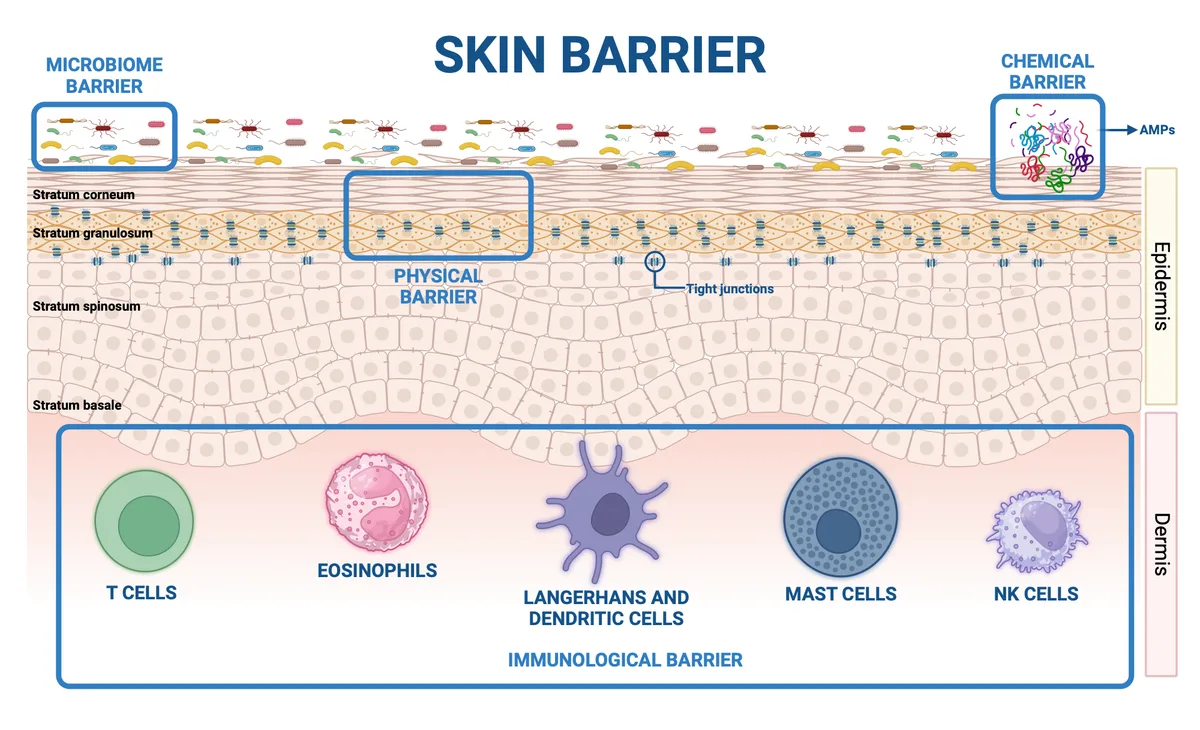
Image source: Bing (Web (fair-use with source credit))
Signs You're Overdoing It: The Risks of Daily Exfoliation
Exfoliating too often or too aggressively is a common skincare misstep. When you over-exfoliate, you're essentially scrubbing away not just dead cells, but also healthy skin cells and the natural protective barrier your skin relies on. This can trigger a cascade of problems that are often worse than what you were trying to fix in the first place.
Your skin’s health hinges on its barrier function. This outermost layer acts like a shield, keeping moisture in and irritants out. When this barrier is compromised by excessive exfoliation, your skin loses its ability to retain water, leading to dryness and dehydration, while also becoming an easy target for bacteria and allergens.
The Compromised Skin Barrier: What It Looks Like and Feels Like
A damaged skin barrier is your skin screaming for help. It often presents as redness, sensitivity, and a feeling of tightness or irritation, even when you're not actively exfoliating. You might notice your skin becoming more reactive to products that never bothered you before, or even to environmental changes like wind or cold.
Visually, you might see an increase in flaky patches, a dull or ashy tone, or even a rough, sandpaper-like texture. In more severe cases, you could experience stinging, burning, or a rash. This is your skin’s SOS signal, telling you it needs a break to repair and rebuild its natural defenses.

Image source: Web (Bing) / bbc.co.uk (Web image (fair-use with source credit))
Common Mistakes That Lead to Irritation
Many people fall into traps when trying to exfoliate regularly. One of the biggest is using products with too high a concentration of active ingredients or using them too frequently without allowing the skin to adapt. Another mistake is combining multiple exfoliating treatments within the same routine, unknowingly layering harshness.
Using harsh physical exfoliants, like those with sharp, jagged particles, is also a major culprit. These can create micro-tears in the skin, weakening the barrier and leading to inflammation. Finally, neglecting to moisturize and protect your skin after exfoliating leaves it vulnerable to further damage and dehydration.
Who Can (and Can't) Exfoliate Daily?
The idea of daily exfoliation is often a bit of a myth; for most people, it's simply not necessary or beneficial. Your skin has its own built-in renewal system. The question isn't so much can you exfoliate daily, but should you, and how can you do it without causing harm?
The answer hinges almost entirely on your skin's inherent characteristics and the type of exfoliant you're considering.
For the vast majority, daily exfoliation is too much. However, understanding your skin type is the first step in figuring out if you fall into the rare category of someone who might tolerate it, or if you should be focusing on less frequent, gentler methods. We'll break down what to consider.
Identifying Your Skin Type and Its Needs
Your skin type is the foundation of your skincare strategy. Generally, skin types are categorized as oily, dry, combination, normal, and sensitive. Each has unique needs and tolerances.
- Oily Skin: Often produces more sebum, which can lead to clogged pores. Some mild chemical exfoliants, like salicylic acid (a BHA), can be beneficial here because they penetrate oil. However, daily use can still strip natural oils, leading to rebound oiliness or dryness.
- Dry Skin: Lacks sufficient moisture and natural oils. It's prone to irritation and flakiness, making daily exfoliation a risky proposition. Gentle, infrequent exfoliation is usually best.
- Combination Skin: Features oily areas (often the T-zone) and dry or normal areas. This requires a balanced approach, potentially using different exfoliants on different parts of the face or alternating days.
- Normal Skin: Is well-balanced, not too oily or too dry. It can tolerate a more consistent routine but still may not require daily exfoliation for optimal health.
- Sensitive Skin: Reacts easily to products and environmental factors. Daily exfoliation is almost always a bad idea for sensitive skin, as it can easily trigger redness, stinging, and inflammation.
Factors That Make Daily Exfoliation a No-Go
Beyond your basic skin type, several other factors strongly suggest that daily exfoliation is not for you. If you experience any of the following, it's best to scale back to once or twice a week at most, or even consider skipping exfoliation altogether for a period.
- Existing Skin Conditions: If you have eczema, rosacea, or active inflammatory acne, daily exfoliation can worsen these conditions significantly. It can aggravate inflammation, increase redness, and disrupt the already compromised skin barrier.
- Using Other Actives: If your routine already includes potent ingredients like retinoids (retinol, tretinoin), vitamin C serums, or strong acne treatments, adding daily exfoliation is often overkill. These ingredients already promote cell turnover or have exfoliating properties, and combining them aggressively can lead to irritation.
- Living in a Harsh Climate: High altitudes, very dry or very humid climates, or areas with intense sun exposure can make your skin more vulnerable. Exfoliation increases sun sensitivity, so daily use in a sunny climate is particularly risky without diligent sun protection.
- The Feeling of Your Skin: If your skin feels constantly tight, dry, flaky, red, or stings easily, it's a clear sign it's not tolerating your current routine. Pushing for daily exfoliation in these instances will only exacerbate the problem.
Building a Safer Exfoliation Routine
Once you understand the risks and your skin's individual needs, you can start building a more effective and safer exfoliation routine. The goal is to improve skin texture and clarity without compromising your skin's health. This means choosing the right tools and ingredients and knowing how to use them properly.
This approach prioritizes your skin barrier's integrity. Instead of aiming for daily removal of cells, the focus shifts to supporting your skin's natural processes while addressing concerns like dullness or congestion. It's about consistency and gentleness over intensity.
Choosing the Right Exfoliant Strength
The concentration and type of exfoliant are paramount. You don't need the strongest product available to see results. Often, lower concentrations used more frequently (but not daily!) or higher concentrations used less often are more effective and safer.
- For Chemical Exfoliants: Look for products with AHAs and BHAs in concentrations typically ranging from 2% to 10%. For example, a 5% lactic acid serum used twice a week might be ideal for someone with dry, sensitive skin. A 2% salicylic acid cleanser used a few times a week could work for oily, acne-prone skin. Products with PHAs are generally gentler and suitable for more frequent use, but daily application still depends heavily on the formulation and your skin’s reaction.
- For Physical Exfoliants: Opt for fine, uniform particles. Avoid scrubs with large, sharp pieces like crushed nut shells. Gentle methods like a soft washcloth or a silicone facial cleansing brush used very lightly can be incorporated more often than harsh scrubs, but daily use is still generally not recommended for most.
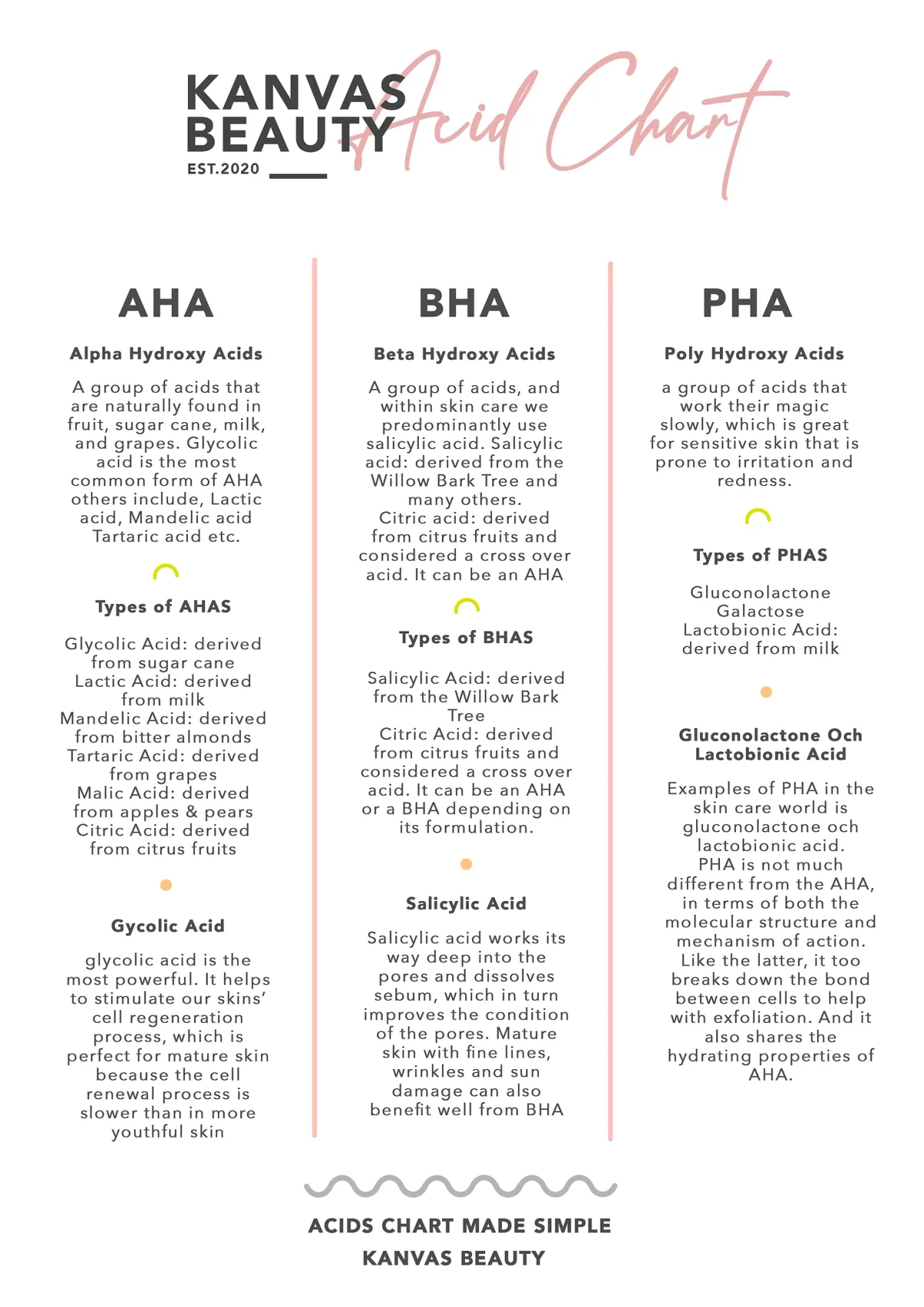
Image source: Bing (Web (fair-use with source credit))
How to Properly Introduce and Use Exfoliants
When starting with any new exfoliant, or if you're reintroducing one after a break, introduce it slowly. This allows your skin to build tolerance. Begin by using the product just once or twice a week.
- Application: Apply your chosen exfoliant to clean, dry skin. Avoid applying it immediately after cleansing if your cleanser is also active or potentially drying. Wait a few minutes for your skin to be completely dry.
- Frequency: If your skin tolerates it well after a couple of weeks, you can gradually increase the frequency. For most people, 2-3 times per week is sufficient for noticeable results without causing damage. Some very gentle PHAs might be tolerated more often, but always observe your skin.
- Listen to Your Skin: If you experience any redness, stinging, excessive dryness, or irritation, reduce the frequency or stop using the product. It's better to give your skin a break and try again later with a gentler approach.
Post-Exfoliation Care: Hydration is Key
After exfoliating, your skin is more receptive to other products, but it's also more vulnerable. This is the prime time to focus on hydration and barrier support.
- Moisturize: Always follow exfoliation with a good moisturizer. Look for ingredients like hyaluronic acid, ceramides, glycerin, and squalane. These help to replenish moisture and support the skin barrier.
- Avoid Other Actives: On nights you exfoliate, it’s generally best to avoid other potentially irritating active ingredients like strong retinoids or other exfoliants. Stick to a simple, hydrating routine.
- Sun Protection: Exfoliation makes your skin more sensitive to the sun. Daily sunscreen use, even on cloudy days, is non-negotiable. An SPF of 30 or higher is recommended. You can learn more about maintaining healthy skin through proper sunscreen use.
When to Call a Dermatologist
If you're consistently struggling with skin irritation, persistent breakouts, or a dull complexion despite your efforts, it's time to consult a professional. A board-certified dermatologist can accurately diagnose the underlying issues with your skin and provide tailored treatment plans. They can help determine if your concerns stem from over-exfoliation, an underlying condition, or a sensitivity you weren't aware of.
Don't hesitate to seek expert advice if you experience severe redness, burning sensations, or if your skin barrier symptoms don't improve after several weeks of rest and gentle care. They can prescribe stronger treatments, recommend specific medical-grade products, or even perform in-office procedures if necessary. Early intervention can prevent long-term damage and scarring.
Frequently Asked Questions About Daily Exfoliation
Can I exfoliate my body daily?
While the face is more sensitive, the body can also be over-exfoliated. Daily use of harsh body scrubs or chemical exfoliants can lead to dryness, irritation, and a compromised skin barrier. Many exfoliating body washes and scrubs are best used 2-3 times per week, focusing on hydration afterward.
For extremely resilient skin, a very mild formulation might be tolerated, but always monitor for signs of irritation.
What should I do if I think I've over-exfoliated?
If you suspect you've over-exfoliated, stop all exfoliating treatments immediately. Focus on a gentle cleansing routine and heavily moisturize your skin. Look for products containing ceramides, hyaluronic acid, and niacinamide to help repair and support your skin barrier.
Avoid using any other active ingredients, including retinoids or strong vitamin C serums, until your skin has fully recovered.
Is it okay to exfoliate with acne?
Exfoliation can be beneficial for acne by helping to keep pores clear, but it must be done with caution. Chemical exfoliants like salicylic acid are often recommended for acne-prone skin because they can penetrate pores. However, aggressive or daily exfoliation can inflame existing breakouts and irritate the skin, potentially worsening acne.
It’s best to use acne-specific exfoliants 2-3 times a week and consult a dermatologist for persistent or severe acne.
Can I exfoliate if I have sensitive skin?
If you have sensitive skin, daily exfoliation is generally not recommended. Sensitive skin types are more prone to irritation and redness. Opt for very gentle exfoliants, such as those containing PHAs or formulated specifically for sensitive skin, and use them sparingly, perhaps once a week.
Always patch test new products and be prepared to stop if any adverse reactions occur.
How do I know if my exfoliant is working or causing damage?
A working exfoliant should leave your skin feeling smoother and looking brighter over time, without any persistent redness, tightness, or stinging. If you experience these symptoms, it's a sign of damage. Pay attention to how your skin feels 24 hours after exfoliating; if it’s still red, irritated, or breaking out more, you're likely overdoing it.
Your skin should feel calm and comfortable, not inflamed or stripped.