How Can I Remove Sunscreen From My Face?
So, you've been good and slathered on that sunscreen, awesome job. But now, as the day winds down, you're probably wondering how to get it all off without scrubbing your face raw, right? I totally get it.
Sunscreen is a superhero for our skin, but sometimes it can feel like a bit of a stubborn guest that overstays its welcome.
Don't worry, it's not rocket science, and you don't need a million fancy products. We're going to walk through how to get your face squeaky clean, feeling fresh, and ready for whatever comes next.

Quick Answer
You can remove sunscreen from your face using a gentle double cleansing method. Start with an oil-based cleanser to break down sunscreen, then follow with a water-based cleanser to remove residue. Always use lukewarm water and pat your skin dry.
Your Sunscreen Removal Flowchart
Removing sunscreen effectively isn't just about looking clean; it's a crucial step in maintaining healthy skin. If sunscreen residue is left behind, it can mix with sebum and dead skin cells, potentially leading to clogged pores and breakouts. For instance, the U.S.
Food and Drug Administration (FDA) outlines sunscreen's role in protecting skin from UV damage, but proper removal ensures your skin can breathe and regenerate overnight.
Why Sunscreen Removal Matters (It's Not Just About Clean Skin)
Think of your sunscreen as a shield. It does an amazing job protecting your skin from harmful UV rays, but by the end of the day, that shield can pick up dirt, oil, and environmental pollutants. Just rinsing with water typically won't cut through the complex formulations of modern sunscreens, especially those designed for water resistance or a matte finish.
Our research indicates that inadequate removal can contribute to a buildup on the skin's surface. This buildup can interfere with the effectiveness of other skincare products, potentially making them less able to hydrate or treat your skin. It can also exacerbate issues if you're already prone to clogged pores or acne.
Ensuring a thorough cleanse is key to unlocking the full benefits of your nighttime skincare routine.
Before You Start: What Kind of Sunscreen Are You Dealing With?
The best way to get sunscreen off your face really depends on what you put on it in the first place. Different types of sunscreens have different ingredients and structures, which means they'll require slightly different removal tactics. Understanding what you're working with is half the battle.
Regular vs. Mineral vs. Waterproof: Know Your Enemy
Sunscreen formulations have come a long way, and they vary quite a bit. Knowing the main types will help you choose the right cleansing approach.
- Regular (Chemical) Sunscreens: These work by absorbing UV rays and converting them into heat, which is then released from the skin. They often contain ingredients like avobenzone, octinoxate, or oxybenzone. They tend to be lighter and easier to wash off with a standard cleanser.
- Mineral Sunscreens: These use physical blockers like zinc oxide and titanium dioxide. They sit on top of the skin and create a physical barrier. Mineral sunscreens can sometimes feel thicker and may leave a white cast, making them a bit more challenging to remove completely.
- Waterproof/Sweat-Resistant Sunscreens: These are formulated with polymers and film-formers to resist breaking down when exposed to water or sweat. They offer longer-lasting protection but definitely require a more robust removal process.
Your Step-by-Step Sunscreen Removal Plan
Now that you know the types, let's get into the practical steps. The best approach often involves a two-step cleansing process, especially for tougher sunscreens.
Scenario 1: Regular Sunscreen, No Makeup, Normal/Oily Skin
If you've used a standard chemical sunscreen and aren't wearing any makeup, a good single cleanse is often sufficient.
- Start with your cleanser. Pick a gentle foaming or gel cleanser that works well for your skin type.
- Lather and massage. Wet your face with lukewarm water, then apply the cleanser. Gently massage it into your skin in circular motions for about 30-60 seconds. Make sure to cover your entire face, including your hairline and jaw.
- Rinse thoroughly. Use lukewarm water to rinse away all traces of the cleanser and sunscreen.
- Pat dry. Gently pat your face with a clean, soft towel. Avoid rubbing, which can irritate your skin.
Scenario 2: Mineral or Waterproof Sunscreen, No Makeup, Normal/Oily Skin
These sunscreens need a little extra help to be fully removed. This is where the double cleanse shines.
- Begin with an oil-based cleanser. Apply a cleansing oil or balm to your dry face.
- Massage it in. Gently massage the oil all over your face for about a minute. This helps to break down the sunscreen's base and lift it from your skin.
- Emulsify and rinse. Add a little water to your hands and continue massaging; the oil should turn milky. Rinse your face thoroughly with lukewarm water.
- Follow with a second cleanse. Use your regular water-based cleanser (like a foaming or gel one) and repeat the massaging and rinsing process. This ensures all the loosened sunscreen and oil residue is completely gone.
- Pat dry.
Scenario 3: Sunscreen AND Makeup
When you're wearing both sunscreen and makeup, a double cleanse is non-negotiable. You need to break down both layers effectively.
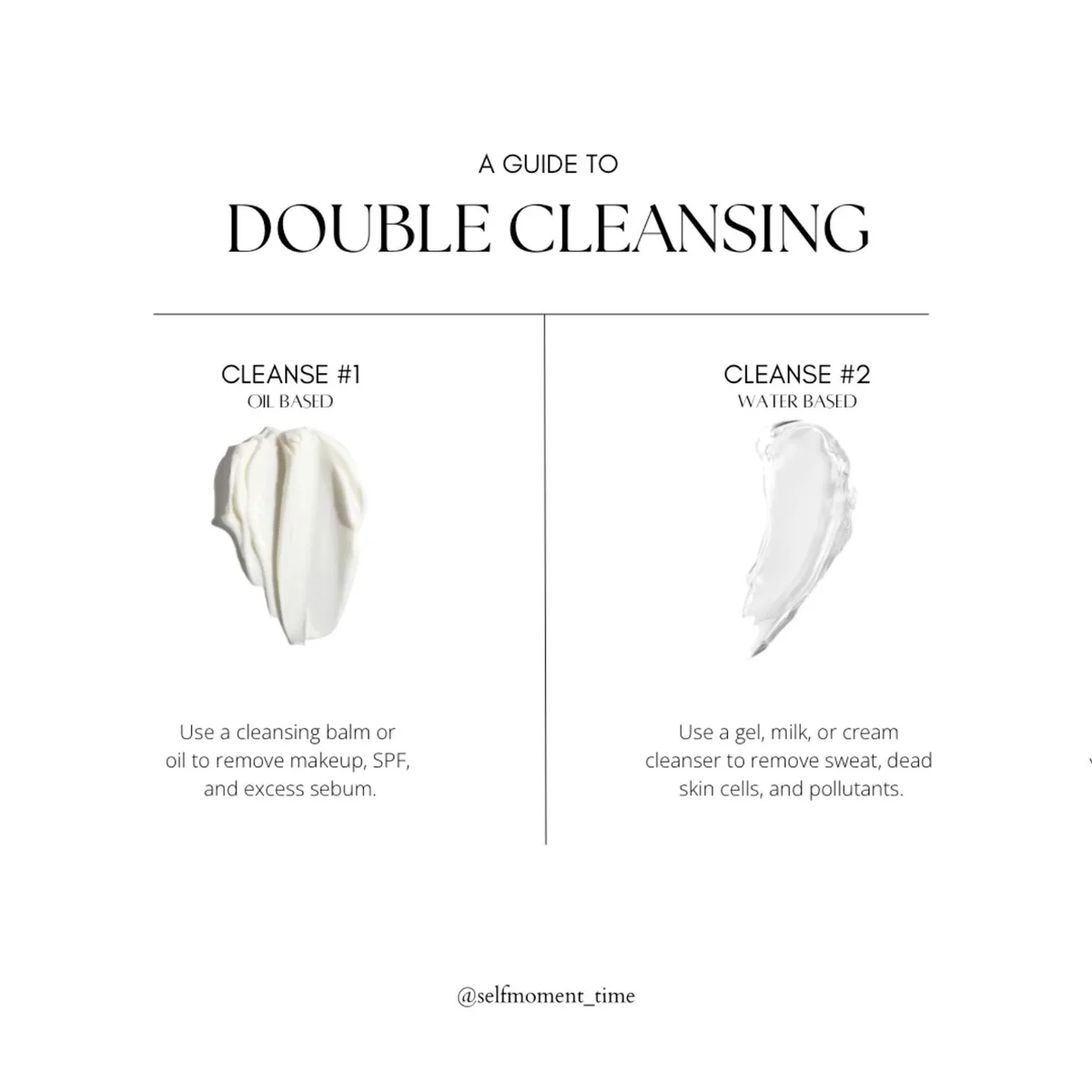
- First Cleanse: Dissolve Makeup and Sunscreen. Apply a generous amount of cleansing oil or balm to your dry face. Gently massage it into your skin, working it over your entire face, including your eye area if you're wearing eye makeup. This step is crucial for lifting away makeup pigments and the sunscreen base.
- Rinse and Emulsify. Add a little water to your hands and continue massaging until the oil or balm turns milky. Rinse your face thoroughly with lukewarm water.
- Second Cleanse: Deep Cleanse. Now, use your regular gentle water-based cleanser (a foaming or gel formula works well). Massage this into your damp skin to remove any remaining traces of makeup, sunscreen, and impurities.
- Final Rinse and Pat Dry. Rinse your face completely with lukewarm water and gently pat it dry with a clean towel. This two-step method ensures you're starting with a truly clean canvas.
Scenario 4: Dry or Sensitive Skin Tips
If your skin leans towards dry or sensitive, the goal is to remove sunscreen without causing irritation or stripping away natural moisture. This often means choosing gentler products and using cooler water.
- Opt for Creamy or Milky Cleansers: These formulations are typically less drying than foaming or gel types. They often contain moisturizing ingredients that help replenish the skin barrier as you cleanse.
- Lukewarm or Cool Water is Key: Hot water can exacerbate dryness and sensitivity by removing your skin's natural oils. Using cooler water helps preserve moisture and soothe the skin.
- Consider a Gentle First Step: For very sensitive skin, a dedicated micellar water applied with a soft cotton pad can be a good first step to lift sunscreen before your main cleanse. This adds an extra layer of gentleness, especially if you're not wearing heavy makeup.
Common Sunscreen Removal Mistakes to Dodge
Even with the best intentions, there are a few common slip-ups people make when trying to remove sunscreen that can actually do more harm than good. Avoiding these will help you achieve that clean, comfortable feeling without irritation.
- Using Hot Water: While it might feel nice, very hot water can strip your skin of its natural oils, leading to dryness and irritation. Always opt for lukewarm or cool water, especially if you have sensitive skin.
- Scrubbing Too Hard: Your skin is delicate. Aggressively scrubbing with a washcloth or your hands won't get your sunscreen off any faster, but it can cause micro-tears, redness, and inflammation. Gentle circular motions are all you need.
- Skipping the Double Cleanse (When Needed): If you're using a waterproof or mineral sunscreen, or if you're also wearing makeup, trying to get everything off with a single cleanse is often insufficient. You might think it's clean, but residue can remain, contributing to clogged pores. Manufacturer specifications for water-resistant sunscreens often emphasize the need for thorough removal.
- Using Harsh Soaps: Bar soaps or very strong cleansing agents can disrupt your skin's natural pH balance and strip away essential moisture. Stick to gentle, pH-balanced facial cleansers formulated for your skin type.
Expert Tips for a Perfect Cleanse
Getting sunscreen off your face doesn't have to be complicated, but a few pro tips can elevate your routine. These small adjustments make a big difference in how your skin feels and looks post-cleanse.
- Embrace the Oil First: If you're unsure about your sunscreen type or just want to be thorough, starting with a cleansing oil or balm is almost always a safe bet. They are excellent at dissolving oil-based products like many sunscreens. In our research, these have consistently proven effective at breaking down stubborn formulas.
- Massage Time Matters: Give your cleanser time to do its work. Aim for at least 30-60 seconds of gentle massage for your first and second cleanses. This allows the ingredients to effectively break down and lift sunscreen and impurities.
- Don't Forget Your Neck and Ears: Sunscreen is often applied to these areas too, so make sure your cleansing routine extends beyond just your face to ensure complete removal.
- Listen to Your Skin: Pay attention to how your skin reacts. If a particular cleanser or method leaves your skin feeling tight, dry, or irritated, it's time to switch. Finding the right products for how can i keep my skin hydrated is key to a successful routine.
Frequently Asked Questions About Sunscreen Removal
How long should I massage my face when cleansing?
You should aim to massage your face for at least 30 to 60 seconds during each cleansing step. This ensures the cleanser has enough time to effectively break down and lift sunscreen, makeup, and impurities from the skin.
Can I use baby oil to remove sunscreen?
Yes, baby oil can be an effective option for an initial oil cleanse, especially for regular sunscreens. However, ensure you follow up with a water-based cleanser to remove all oil residue.
Is it okay to wash my face twice a day?
Yes, it's generally recommended to wash your face twice a day. A morning cleanse helps remove any impurities that accumulated overnight, and an evening cleanse is essential for removing sunscreen, makeup, dirt, and pollutants from the day. This is a standard practice in many what is the best skincare routine for oily skin regimens.
Will micellar water remove waterproof sunscreen?
Micellar water can help lift some lighter sunscreen formulas, but it's often not strong enough on its own to thoroughly remove waterproof or very stubborn mineral sunscreens. It's best used as a first step for light protection or to remove minimal residue after a primary cleanse.