What Is the Difference Between Setting Powder and Finishing Powder?
When you're doing your makeup, you've probably wondered: What is the difference between setting powder and finishing powder? Both are fine powders that come after your foundation, but they actually do different jobs to perfect your look. Understanding their roles helps you achieve exactly the finish you're going for, whether that's a long-lasting matte base or a soft, airbrushed glow.
In our research, we found that setting powders are primarily about performance, locking makeup in place to prevent creasing and slippage, often absorbing excess oil. Finishing powders, on the other hand, focus on aesthetics, subtly altering the skin's texture and appearance for a smoother, more refined look, sometimes incorporating light-reflecting particles. Per cosmetic formulation standards, these distinctions are key to mastering your makeup application.
Quick Answer: When to Reach for Which
Setting powder locks makeup down, controlling oil and preventing creasing for longer wear. Finishing powder smooths skin texture and blurs imperfections with a soft-focus effect. You use setting powder after foundation and concealer to set them.
You use finishing powder after all other makeup, including setting powder, as a final step to refine the overall look.
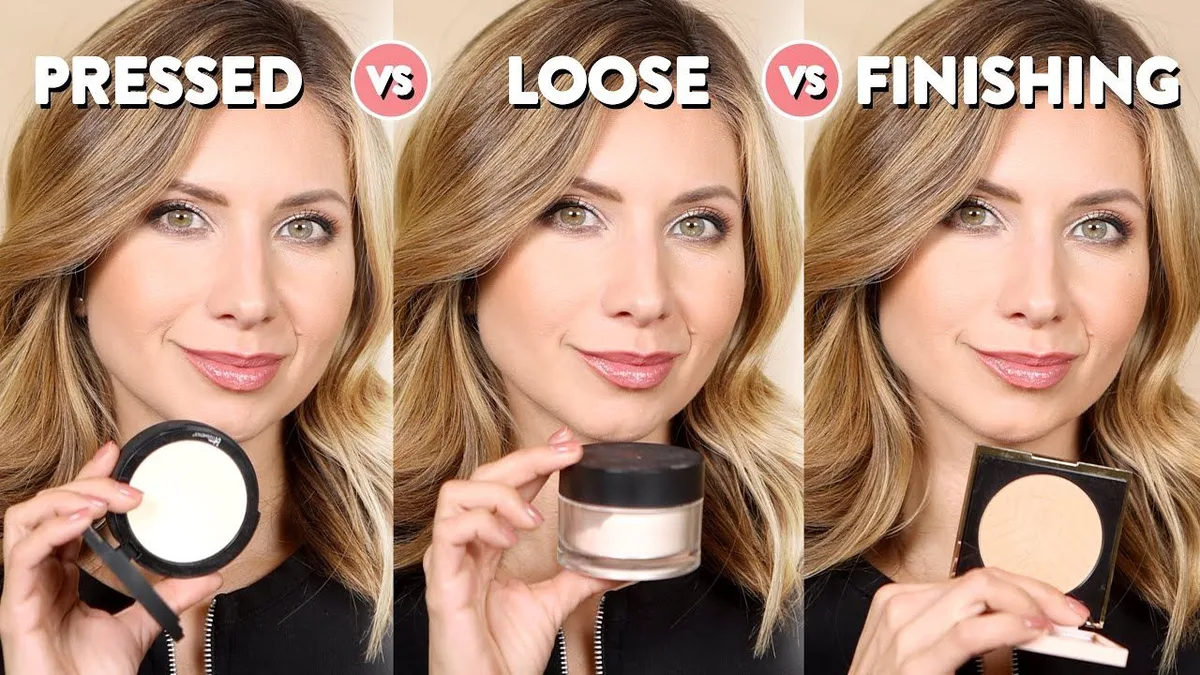
Image source: Bing (Web (fair-use with source credit))
Setting Powder: The Makeup Lock-Down Artist
Think of setting powder as your makeup's personal bodyguard. Its main job is to keep everything you've applied, foundation, concealer, cream blush, contour, exactly where you put it. If you’ve ever had your foundation crease into fine lines or slide off your face by lunchtime, setting powder is designed to be your hero.
It creates a stable, matte surface that helps your makeup adhere better and last significantly longer, often throughout the entire day and into the night. This is particularly crucial for anyone with oily skin, as it helps absorb excess sebum, preventing that midday shine.
Setting Powder: What It Does for Your Face
The primary function of setting powder is to create a barrier that prevents your makeup from moving. It essentially 'sets' your liquid and cream products, transforming them from potentially smudgy textures into a more permanent finish. This action helps to:
- Extend Makeup Wear: By creating a more stable base, setting powder helps makeup last longer without fading, creasing, or transferring onto clothes or hands.
- Control Shine: Most setting powders offer a mattifying effect, which is a lifesaver for individuals with oily or combination skin. They absorb excess oil throughout the day, keeping your complexion looking fresh and matte.
- Prevent Creasing: For areas prone to creasing, like under the eyes or around the mouth, setting powder can fill in fine lines and prevent makeup from settling into them.
- Provide a Smooth Canvas: It creates a uniform, dry surface that makes subsequent makeup steps, like applying powder blush or bronzer, go on more smoothly and evenly.
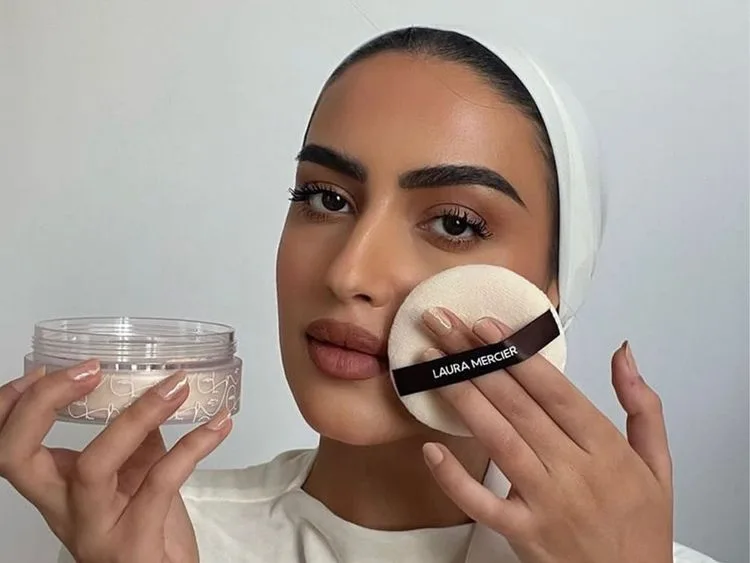
Image source: Bing (Web (fair-use with source credit))
Setting Powder: Key Ingredients and Texture
Setting powders are typically finely milled and often translucent or come in shades that closely match your skin tone. Their formulation focuses on ingredients that absorb moisture and oil without adding significant color or coverage. Common ingredients you'll find include talc, corn starch, silica, and various clays.
These give the powder its absorbent properties and smooth texture.
- Talc: A soft mineral that helps absorb moisture and provides a smooth feel.
- Corn Starch: A natural absorbent that helps control oil and mattify the skin.
- Silica: Often used for its mattifying and oil-absorbing qualities, it can also help blur the appearance of pores and fine lines.
- Mica: Sometimes included for a very subtle blurring effect, though less common in purely matte setting powders.
The texture is key; it needs to be fine enough to blend seamlessly into your foundation without looking powdery or heavy. The goal is to set your makeup, not to add another layer of visible product.
Finishing Powder: The Soft-Focus Smoother
If setting powder is the bodyguard, finishing powder is the airbrush artist. Its purpose isn't primarily to hold your makeup in place, but rather to enhance the overall aesthetic of your completed face. It’s applied as the very last step in your makeup routine, over everything else, to create a seamless, perfected appearance.
Think of it as a final polish that softens harsh lines, diffuses light, and gives your skin that coveted "your skin but better" look.
Finishing Powder: Its Role in the Makeup Routine
Finishing powder works as the grand finale. Its primary goal is to refine and perfect the skin's surface, making your makeup look more natural and less like makeup. It’s applied after you’ve finished your foundation, concealer, powder blush, bronzer, and even your setting powder (if you use one).
By doing this, it can:
- Blur Imperfections: Many finishing powders contain light-reflecting particles or have a diffused pigment that softens the look of pores, fine lines, and minor blemishes, giving a soft-focus effect.
- Melt Makeup Together: It helps to blend all the different makeup layers, liquid, cream, and powder, into one cohesive finish, making it look less segmented.
- Add Radiance or Mattify: While many finishing powders lean towards a subtle radiance, some are designed to provide a soft matte finish, but usually without the heavy oil-absorption of a setting powder.
- Refine Texture: It can give the skin a smoother, more velvety or satiny appearance, depending on the specific product.

Image source: Web (Bing) / homedecoranddesignswithstyle.blogspot.com (Web image (fair-use with source credit))
Finishing Powder: Ingredients and Their Effects
Finishing powders often differ from setting powders in their ingredient profile, particularly regarding light-reflecting properties. While they can also contain mattifying ingredients like silica or talc, they frequently incorporate shimmering particles or special pigments designed to diffuse light.
- Silica: Provides a smooth, blurring effect and can help absorb some oil.
- Mica: These finely ground mineral particles are excellent at reflecting light, creating a subtle glow and softening the appearance of skin texture.
- Diffusing Pigments: Special pigments are engineered to scatter light, making imperfections less noticeable.
- Pearl Powders: Sometimes used to add a subtle luminosity.
The texture of finishing powder is usually exceptionally fine and silky. This allows it to glide over the skin without disturbing the makeup underneath, ensuring it enhances rather than alters your base. They are almost always translucent or very lightly tinted, so they don't add coverage but rather enhance what's already there.
Setting Powder vs. Finishing Powder: The Head-to-Head
So, you’ve got your foundation on, your concealer blended, and maybe even a light dusting of setting powder. Now what? This is where understanding the distinct roles of setting and finishing powders becomes crucial.
While they might look similar in the pan, their performance and intended outcome are quite different. One focuses on the longevity and stability of your makeup, while the other aims for aesthetic perfection and a refined finish.
Mattifying vs. Blurring: The Core Distinction
The fundamental difference boils down to their primary effect on the skin.
- Setting Powder: Its main goal is longevity and oil control. It’s about creating a dry surface to "set" liquid and cream makeup, preventing it from moving, creasing, or becoming shiny. Most setting powders offer a pronounced mattifying effect.
- Finishing Powder: Its main goal is aesthetic enhancement. It’s about blurring imperfections and creating a smooth, soft-focus appearance. Finishing powders often contain light-reflecting particles or special diffusing pigments to achieve this.
Think of it this way: setting powder is functional, ensuring your makeup stays put. Finishing powder is decorative, making your makeup look its absolute best.
When to Use Setting Powder: Oily Skin & Longevity
Setting powder is your go-to if you’re concerned about your makeup lasting all day, especially if you have oily or combination skin. When applied after foundation and concealer, it absorbs excess oils and creates a matte canvas. This prevents makeup from sliding off or settling into fine lines throughout the day.
If you live in a humid climate or have a long day ahead, setting powder is essential for ensuring your base remains intact. It helps prevent that dreaded midday shine and keeps your makeup looking freshly applied for hours.
When to Use Finishing Powder: Texture & Softness
Finishing powder is the perfect final touch for anyone wanting a polished, perfected look. It’s applied after all other makeup has been applied, including setting powder if you use it. Its light-diffusing properties help to blur the appearance of pores and fine lines, giving your skin a smooth, almost airbrushed quality.
If your makeup looks a little too stark or you want to soften any edges, finishing powder can gently meld everything together. It’s excellent for achieving that "lit-from-within" glow or a smooth, velvety skin texture without adding more coverage.
Common Makeup Powder Pitfalls to Avoid
Even with the best intentions, it’s easy to fall into common traps when using setting and finishing powders. Sometimes, the very thing meant to enhance your makeup can end up making it look worse. Over-applying powder, for instance, is a frequent issue that can lead to a dry, cakey appearance.
Similarly, using the wrong type of powder for your skin’s needs can exacerbate problems like dryness or oiliness.
Over-Powdering and the Cakey Look
A major pitfall is using too much powder, or the wrong kind for your skin’s current condition. This often results in a "cakey" look, where the makeup appears thick, dry, and unnatural. You might notice it settles into fine lines or dry patches, making them more prominent rather than blurring them.
This can happen if you apply powder over already dry or textured skin, or if you use a heavy hand with a mattifying powder.
A good rule of thumb is to start with a minimal amount and build up only if necessary. For setting powder, focus on areas prone to oiliness or creasing. For finishing powder, a light dusting is usually all you need to achieve that soft-focus effect.
If your skin is naturally dry, be extra cautious with heavily mattifying setting powders, as they can enhance dryness.
Choosing the Wrong Powder for Your Skin Type
The effectiveness of your powder heavily depends on your skin type. Using a powder designed for oily skin on dry skin can lead to excessive dryness, flakiness, and a tight feeling. Conversely, a powder meant for dry or normal skin might not offer enough oil control for someone with very oily skin, leading to shine breaking through quickly.
- For Oily/Combination Skin: Look for powders with strong mattifying and oil-absorbing ingredients like silica, corn starch, or specific clays. These will help keep shine at bay.
- For Dry/Mature Skin: Opt for more hydrating or luminous finishing powders. Avoid powders with heavy mattifying agents, as they can emphasize dry patches and fine lines. Translucent powders are often a safer bet.
- For Normal Skin: You have more flexibility. You can choose based on the finish you prefer, matte or radiant, and use setting powder for longevity and finishing powder for refinement.
Always read product descriptions carefully to understand whether a powder is formulated for mattifying, blurring, or adding radiance, and consider your specific skin concerns.
Expert Tips for Powder Application
Getting your powder application just right makes a huge difference. It’s not just about where you put it, but how you put it on. Even the best setting or finishing powder can look less than ideal if applied incorrectly.
Our research indicates that professional makeup artists often emphasize a light hand and the right tools for seamless application.
Here are some tried-and-true application tips:
- Use the Right Tool: A large, fluffy brush is excellent for a light dusting of finishing powder all over the face. For setting powder, especially under the eyes or in oily zones, a puff or a smaller, denser brush can offer more targeted application.
- Apply in Thin Layers: Always start with a small amount of product on your brush or puff. You can always add more, but it's hard to take away excess powder without messing up your makeup.
- Press, Don't Swipe (for setting): When setting foundation and concealer, pressing the powder into the skin with a puff or sponge can be more effective than swiping, as it helps to really set the product without disturbing your base.
- Focus on Key Areas: For setting powder, concentrate on your T-zone (forehead, nose, chin) if you're oily, or areas where makeup tends to crease. For finishing powder, a light sweep over the entire face is usually sufficient.
- Consider Your Finish: If you want a soft matte look, use a powder brush. If you want a more luminous finish, use a powder with light-reflecting properties and a fluffier brush.
- Bake Sparingly: While baking (applying a thick layer of setting powder and letting it sit) can be effective for very oily skin or for extreme longevity, over-baking can look heavy and dry. Use this technique strategically and only when necessary.
Setting Powder & Finishing Powder: Your Personal Game Plan
Deciding whether to use setting powder, finishing powder, or both comes down to your skin type, your makeup goals, and the look you want to achieve. There isn't a one-size-fits-all approach, but understanding how each product functions allows you to tailor your routine. For example, someone with very oily skin might rely heavily on setting powder for oil control, while someone focusing on a soft, radiant complexion might prioritize finishing powder.
Here’s a simple way to think about it for your routine:
- If your primary concern is makeup longevity and oil control: Focus on a good setting powder. Apply it after your liquid/cream base to lock everything in.
- If your primary concern is smoothing skin texture and achieving a perfected look: Focus on a finishing powder. Apply it as the very last step to blur imperfections and soften the overall finish.
- If you have oily skin and want your makeup to last all day AND look smooth: Use both. Apply your setting powder first to control oil and set your base, then follow with a finishing powder to refine the texture and blend everything together.
- If you have dry skin and want a natural, radiant look: You might skip heavy setting powders altogether. Instead, a hydrating primer and a luminous finishing powder could be your best bet.
Ultimately, experimentation is key. What works wonderfully for one person might not be ideal for another. Pay attention to how your skin looks and feels throughout the day to fine-tune your powder strategy.
Frequently Asked Questions About Setting and Finishing Powders
Can I use setting powder and finishing powder together?
Yes, absolutely! Many people use both to get the benefits of longevity and oil control from a setting powder, followed by the refining, blurring effects of a finishing powder. Apply setting powder first to lock in your base makeup, then follow with a finishing powder as the final step.
Do I need setting powder if I have dry skin?
Not necessarily. If your makeup lasts well throughout the day without creasing or sliding, you might not need a dedicated setting powder. If you do want to use one, opt for a hydrating or luminous setting powder rather than a strongly mattifying one, and apply it very sparingly, focusing only on areas that might crease.
A good finishing powder can also help meld makeup without adding dryness.
Can finishing powder add coverage?
Generally, no. Finishing powders are designed to be translucent or very lightly tinted and primarily work by diffusing light and softening texture. They enhance what’s already there rather than adding significant coverage.
If you’re looking for more coverage or color correction, you'd typically use a foundation, concealer, or a tinted powder product before reaching for a finishing powder.